Advanced Hand Tools Safety Techniques are essential for anyone who relies on reliable workman tools in their daily work. This comprehensive guide delivers practical hand tools safety guidelines, real experiences, and actionable steps to prevent accidents and boost your productivity. Whether you are a professional or a DIY enthusiast, these proven methods will help you stay safe while using your hand tools.

Hand tools safety guidelines have evolved significantly over the years to protect workers from common injuries like cuts, slips, and repetitive strain. As someone who has spent years working with hand tools, I have seen how small mistakes can lead to serious problems. That is why I always stress the importance of following strict protocols before and during use.
One of the first steps in any Advanced Hand Tools Safety Techniques is inspecting your tools. I always check for cracks, loose handles, or damaged blades before starting a job. A loose hammer head can fly off and cause serious injury, while a dull saw requires too much force and slips easily. According to official safety resources, tools must be in top condition to prevent accidents.
Selecting the right tool for the job is another key part of these techniques. Using a screwdriver as a pry bar can bend it and cause it to snap. Always match the tool to the task for better control and safety. This simple habit has saved me from countless near-misses over the years.
Personal protective equipment plays a vital role in Advanced Hand Tools Safety Techniques. Safety glasses or goggles protect your eyes from flying debris, while sturdy gloves shield your hands from cuts and abrasions. Ear protection is important when using tools that produce loud noise. I recommend checking with your employer to ensure you have the right gear for every project.
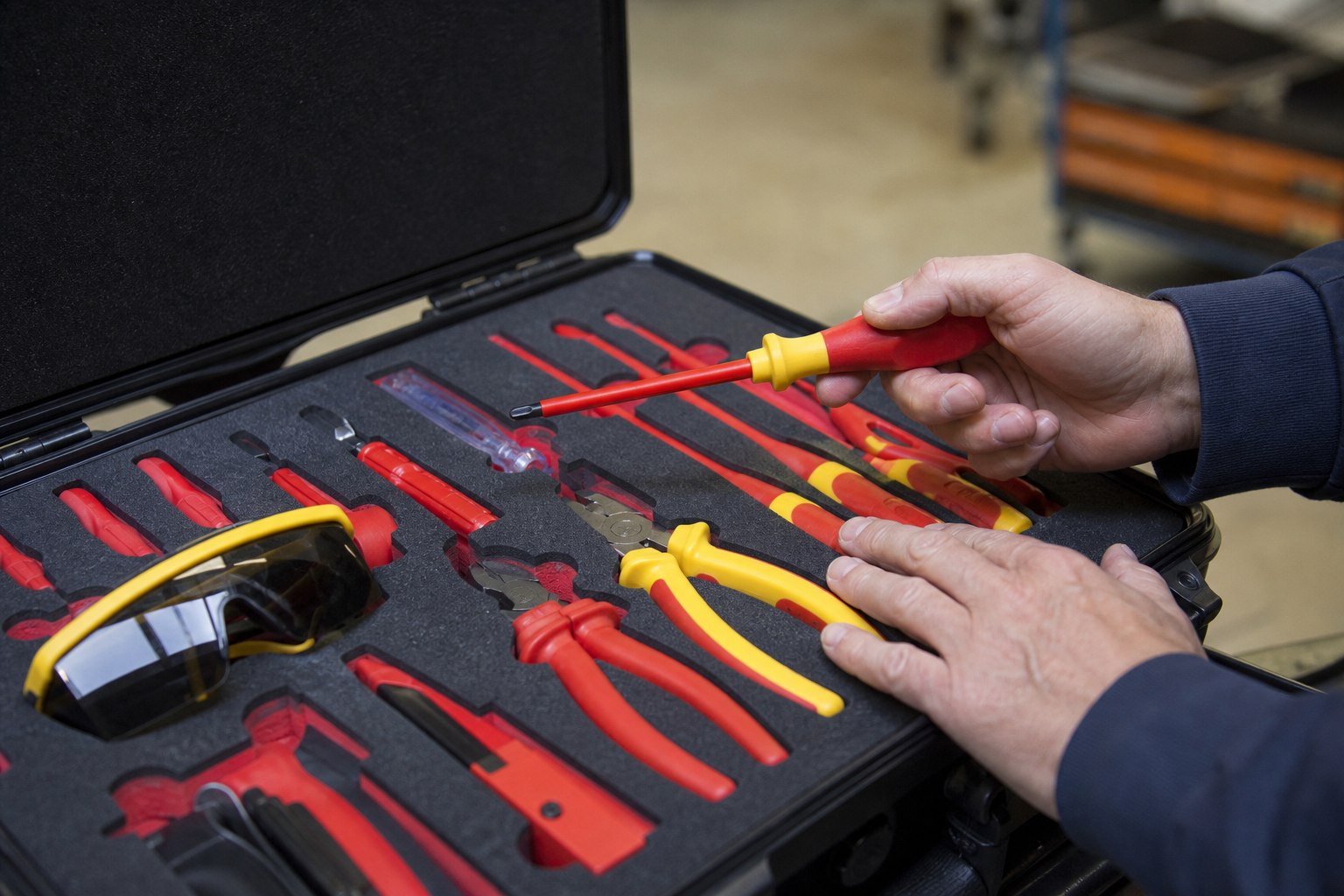
Many accidents happen because people ignore basic hand tools safety guidelines. I once watched a colleague get cut while trying to force a tool that was not meant for the job. Following these guidelines is not optional—it is the foundation of safe work with hand tools.
Now let us explore specific techniques for different types of workman tools. For chisels and axes, always use a wooden or plastic handle cap to protect against mushrooming. Never strike tools against hard surfaces, and keep your hands away from the cutting edge. These rules come directly from established safety practices that have reduced injuries dramatically.

For pliers and wrenches, make sure the jaws are not sprung. A worn adjustable wrench can slip and pinch fingers. I always test them by gripping firm materials. This small check prevents common accidents that still occur in many workplaces today.
When working with saws and files, direct the sharp edges away from your body and never carry them in your pockets. Use push sticks or guards to keep your hands at a safe distance from the cutting line. These techniques have become standard because they work every time.
Storage and maintenance are often overlooked in Advanced Hand Tools Safety Techniques. Keep tools in designated boxes or racks and clean them after every use. Dull tools are actually more dangerous than sharp ones because they require extra pressure. Regular checks extend the life of your workman tools and improve safety.
Training and awareness complete the picture. I have participated in safety sessions where workers learned how to spot hazards before they become problems. Regular training with hand tools safety guidelines makes a huge difference in reducing incidents.
In summary, implementing Advanced Hand Tools Safety Techniques and following hand tools safety guidelines is not just about avoiding injury—it is about working smarter and staying productive. Apply these steps in your next project and you will notice the difference in your workflow and peace of mind.
Related Advanced Hand Tools Safety Techniques:
- Top 10 Safety Tips for Using Hand and Multi-Tools
- How to Use a Hammer Effectively: Tips and Techniques
- Workman Tools for Automotive Repairs: Essential Kit Guide
- Beginner Woodworking Projects Step-by-Step: Your Complete Guide to Getting Started
- How to Choose the Right Power Drill for Your Project
- Workshop Organization Strategies for Efficiency: Tips to Boost Productivity and Reduce Stress
- Top Apps for Workshop Organization: Boost Efficiency with High-Quality Workman Tools
- How to Choose the Right Work Boots for Your Trade
- Choosing the Best Multimeter for Beginners: Your Essential Guide to Workman Tools for Electrical Work
- Woodworking Safety Tips from OSHA: Expert Guidelines for Safe Home Workshops
- Best Practices for Maintaining Workman Tools: A Comprehensive Guide
- Power Tool Innovations for Safer Work: The Ultimate Guide to Advanced Techniques for Power Tool Safety


