Keeping your lawn looking its best doesn't have to mean expensive trips to the repair shop. With some basic tools and know-how, you can handle most DIY repairs for common lawn mower issues right in your garage. This guide walks you through the most frequent problems homeowners face and shows you exactly how to fix them safely and effectively.
Whether your mower won't start, leaves patchy grass, or vibrates strangely, these practical solutions will save you time and money. Many fixes take less than an hour once you know what to look for. Let's dive in and get your equipment back in top shape.

Before we jump into specific fixes, remember that regular care prevents most breakdowns. Check out our Beginner's Guide to Lawn Mower Upkeep for foundational habits that reduce repair needs. A little prevention goes a long way.
Safety First: Essential Precautions for DIY Repairs
Always prioritize safety when working on your lawn mower. Disconnect the spark plug wire before touching any moving parts to prevent accidental starts. Wear sturdy gloves and eye protection. Work in a well-ventilated area, especially when dealing with fuel or oil.
Keep children and pets away from your workspace. If you're uncomfortable with a repair or suspect a major issue like engine damage, consult a professional. These DIY repairs for common lawn mower issues cover most everyday problems but aren't meant for serious mechanical failures.
Tools You'll Need for Most Repairs
You don't need a full workshop for these fixes. Gather these basics:
- Screwdriver set (flathead and Phillips)
- Socket wrench set
- Spark plug wrench
- Oil filter wrench (if applicable)
- Sharpening file or grinder for blades
- Clean rags and brushes
- Fresh oil, fuel stabilizer, and replacement parts like air filters and spark plugs
Having these ready makes the process much smoother.
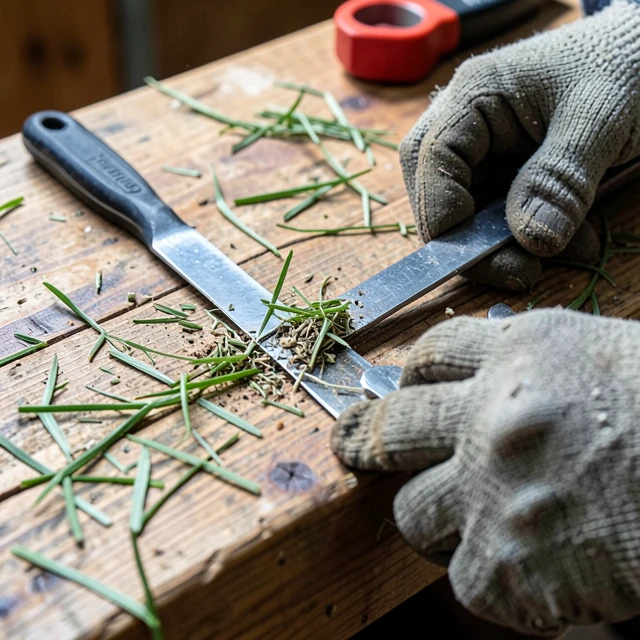
Problem 1: Lawn Mower Won't Start
This is one of the most common complaints. Start by checking the basics. Is there fresh fuel in the tank? Old gas can gum up the carburetor, especially if the mower sat unused over winter.
Drain old fuel if needed and add fresh gas treated with stabilizer. Next, inspect the spark plug. Remove it and check for carbon buildup or damage. Clean it with a wire brush or replace it if the electrode looks worn. A good spark plug costs just a few dollars but makes a huge difference.
Also examine the air filter. A dirty filter starves the engine of air. Tap it clean or replace it if it's heavily clogged. These simple steps solve most no-start issues.
Personal experience: Last summer my mower refused to start after sitting for two months. Draining the stale gas and installing a new spark plug got it running in under 20 minutes. I now use fuel stabilizer religiously.
Problem 2: Uneven or Poor Cutting Performance
If your grass looks patchy or the mower struggles to cut cleanly, the blade is often the culprit. A dull or damaged blade tears grass instead of slicing it, stressing your lawn.
Remove the blade following your model's instructions—usually just a center bolt. Sharpen it with a file at the original angle or replace it if it's bent. Balance the blade by hanging it on a nail; it should stay level.
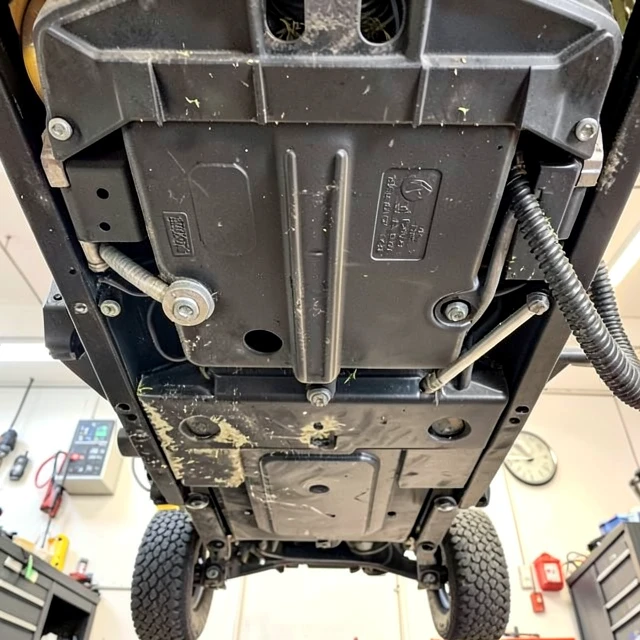
Check the deck height and ensure wheels are even. Clean under the deck to remove built-up clippings that can affect performance.
Problem 3: Excessive Vibration or Strange Noises
Vibration usually points to an unbalanced blade or loose parts. Stop the mower immediately if it shakes badly. Inspect the blade for damage and tighten all bolts.
Worn bearings or damaged pulleys can also cause noise. For self-propelled models, check the drive belt for cracks or stretching. Replacing a belt is straightforward with basic tools and a quick online search for your model number.
Problem 4: Oil Leaks and Smoke
Blue smoke often means burning oil from leaks or an overfilled crankcase. Check oil level when the mower is on level ground. Drain excess if needed and replace the gasket if you see leaks around the oil fill cap.
Regular oil changes according to your owner's manual prevent many engine issues. I recommend changing oil after every 50 hours of use or at the start of each mowing season.
For more comprehensive care, follow a Seasonal Maintenance Checklist for Outdoor Equipment to prepare your tools for spring and winter storage. These routines extend equipment life significantly.
Fuel System Maintenance
Ethanol in modern gas attracts moisture and causes clogs. Use ethanol-free fuel when possible or add stabilizer. Clean or replace the fuel filter annually. If the engine runs rough, the carburetor might need cleaning, but many small mowers have easy-access designs for DIY enthusiasts.
Electrical Issues in Modern Mowers
Battery-powered and riding mowers may have charging system problems. Test batteries with a multimeter. Clean corroded terminals with baking soda and water. Replace fuses as needed—these are inexpensive and easy swaps.
While focusing on lawn mowers, don't forget related equipment. Essential Maintenance Tips for Outdoor Equipment can help with trimmers and blowers too. Similar principles apply across tools.
When to Seek Professional Help
Some issues like major engine rebuilds or electrical faults in complex machines exceed typical DIY scope. If basic fixes don't work or you notice metal shavings in the oil, take it to a certified technician.
In my years maintaining outdoor gear, I've learned that consistent small efforts prevent big headaches. Pairing mower care with power washer maintenance tips helps keep all your yard tools reliable.
Summary: Enjoy a Healthier Lawn Year-Round
Mastering DIY repairs for common lawn mower issues empowers you to maintain your yard without breaking the bank. Regular checks, proper storage, and timely fixes keep your mower reliable season after season. Start with simple tasks like blade sharpening and spark plug replacement to build confidence.
Your lawn will thank you with lush, even growth, and you'll save hundreds in repair costs. Happy mowing!
Remember, consistent care through resources like the Beginner's Guide to Lawn Mower Upkeep makes all the difference between frustrating breakdowns and smooth operation.
Related DIY Repairs for Common Lawn Mower Issues:
- Beginner's Guide to Lawn Mower Maintenance
- Top 10 Must-Have Workman Tools for Home Mechanics
- How to Stay Fit in the Trades: Essential Tips for Hardworking Professionals
- Pliers 101: A Beginner’s Guide to This Versatile Tool
- Top 10 Power Tools Every DIYer Needs
- Electrical Safety 101: Best Practices for Home and Work
- Top Workman Tools Guide: Building Your Kit
- Upgrading to Advanced Specialized Workman Tools for Metalwork: Expert Guide
- The Ultimate Guide to Workshop Organization
- Advanced Tool Maintenance Techniques for Professionals: Mastering Tool Care for Longevity
- How to Maintain and Care for Your Tools: Keep Them Sharp, Reliable, and Ready
- Choosing the Best Hammers for Metalwork - https://www.toolsforworkingmetal.com


