Building a solid toolkit transforms you from a weekend tinkerer into a confident handyman ready for anything. Whether you repair leaky faucets or assemble furniture, the right essential tools for every handyman make every job faster, safer, and more professional. This guide shares practical insights from years of hands-on experience to help you start strong and grow your collection wisely.
As a handyman who has fixed everything from cracked drywall to squeaky doors, I know one thing for sure: the wrong tools lead to frustration and wasted time. Quality hammers, reliable drills, and smart choices in saws and other power tools create a toolkit that handles 85% of common jobs without extra trips to the store. Let’s dive in and build yours step by step.
Why Your Toolkit Matters
Every job starts with the right tools in your hands. A quality hammer drives nails without splitting wood, while a sharp utility knife slices through materials cleanly. Without them, you waste time hunting for items or risk damaging projects. My personal tip? Invest in durable basics first. They last decades and pay for themselves on every call.
From my experience, a basic starter kit costs between $200 and $500 and covers most repairs. Upgrade as you book more jobs and see real profits from efficient work.
Essential Hand Tools Every Handyman Needs
Hand tools form the foundation of any toolkit. These are the ones you reach for daily and they last a lifetime with proper care.
Here’s a focused list of the must-haves:
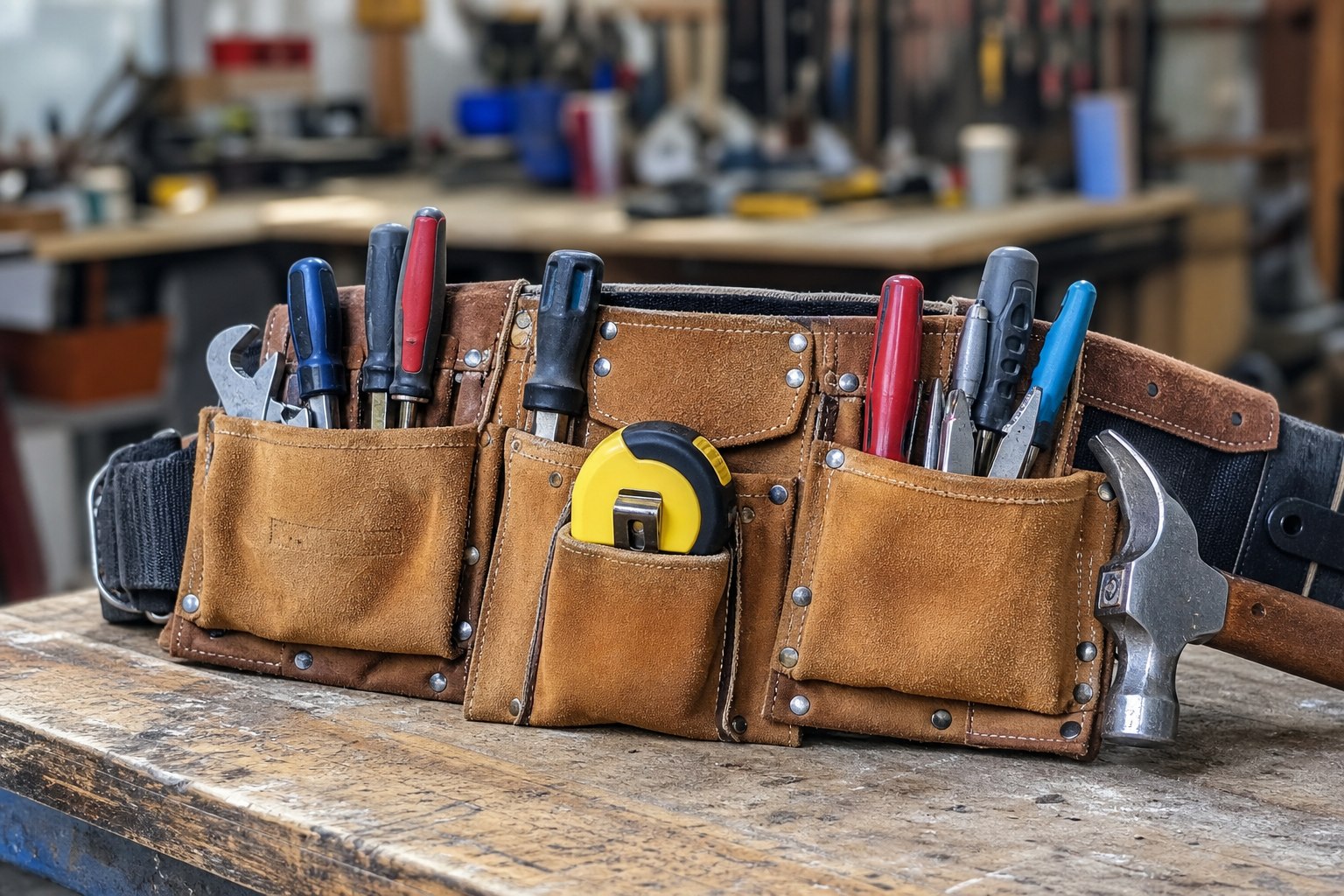
- Hammers: A sturdy claw hammer handles general repairs, furniture assembly, and nail removal. Look for a 16-20 ounce model with a fiberglass or rubber handle for comfort and shock absorption. I always keep one in my truck for quick fixes.
- Tape Measure: A 25-foot magnetic one prevents losing screws while working alone. The hook stays put on metal surfaces.
- Utility Knife: Milwaukee Fastback or similar folds for easy storage. Extra blades are cheap insurance against slips.
- Screwdriver Set: A multi-bit set covers Phillips, flathead, and more. Magnetic tips keep small fasteners from rolling away.
- Pliers: Needle-nose for wires and tight spots, tongue-and-groove for pipes.
- Adjustable Wrench: 10-inch size handles most nuts and bolts.
- Level: A 24-inch torpedo level ensures shelves hang straight.
- Chisel and Pry Bar: For removing old hardware or prying nails.
These tools work together for 80% of jobs. Stock extra fasteners like screws and drywall anchors too.
Pro Tip: Organize them in a rolling toolbox or belt to save setup time between calls.
Power Tools: Beginner’s Guide to Drills, Saws, and More
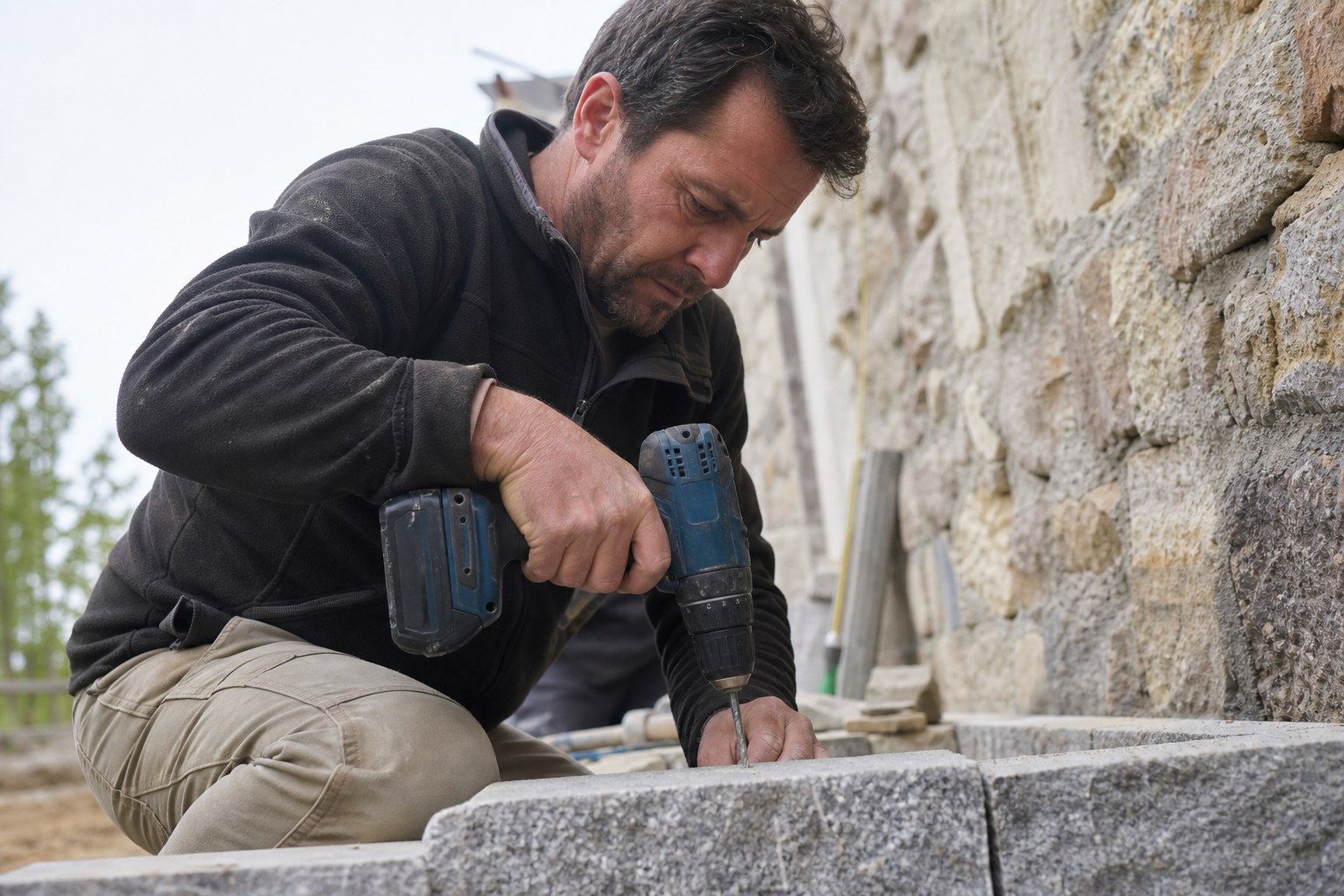
Power tools make big jobs quick and clean. Start with a cordless drill/driver combo. It handles drilling, driving screws, and light demolition. Pair it with an impact driver for faster screw installation – I use the impact one 80% of the time.
How to Choose the Right Drill for Your Projects
The drill is the heart of your toolkit, but choosing the wrong one slows you down. Consider these key factors:
- Cordless vs Corded: Cordless gives freedom; corded offers constant power for heavy work.
- Voltage and Torque: 18V or 20V with 500+ inch-pounds handles most handyman tasks. Lower voltages suit light furniture work.
- Hammer Mode: Essential for masonry anchors – drills into concrete without cracking walls.
- Bit Compatibility: A 1/2-inch metal chuck grips standard bits securely.
For most homeowners and beginners, a 12V-20V brushless drill/driver kit with two batteries fits the bill. Brands like Milwaukee or DeWalt offer long battery life and interchangeable tools. Avoid cheap no-name brands that wear out fast.
My Real-World Advice: Test torque on a job site sample before buying. Overpowered drills strip screws; underpowered ones stall. Start with one tool and expand your ecosystem as needed.
Next, add a circular saw for straight cuts on lumber and plywood. It’s faster than hand saws and safer with a guide. For curves, choose a jigsaw or oscillating multi-tool – the multi-tool excels at flush cuts, grout removal, and caulk scraping.
Beginner’s Guide to Power Tools: Drills, Saws, and More
- Circular Saw: 6.5-inch blade for decking and framing. Get one with a laser guide for precision.
- Impact Driver: 18V model drives long screws into decks without stripping.
- Reciprocating Saw: For demo work and pipe cuts – 9-amp models handle residential jobs.
- Multi-Tool: Oscillating type with bi-metal blades for paint stripping and drywall plunge cuts.
- Orbital Sander: Smoother finishes than hand sanding; pick a 5-inch model.
Add a stud finder and laser level for layout. These power tools, paired with your hand tools, turn you into a one-call professional.
Building Your Starter Kit on a Budget
You don’t need to spend thousands upfront. Start with essentials that cover 85% of jobs. Aim for $300-$800 total:
- Claw hammer
- 25-ft tape measure
- Utility knife and blades
- Screwdriver set
- Pliers set
- Adjustable wrench
- 24-inch level
- Cordless drill/driver with 2 batteries
- Safety glasses and gloves
- Tool bag or bucket organizer
This kit handles furniture assembly, shelf hanging, drywall patches, and basic plumbing. Add the impact driver later for heavy fastening.
Safety First: Always wear goggles, gloves, and hearing protection. A dust mask saves your lungs on sanding days.
Upgrading as You Grow
Once you book steady work, invest in pro tools like a reciprocating saw or caulk gun. Specialty items like drywall repair kits or plumbing augers become valuable assets.
Remember: Tools you use weekly pay for themselves quickly. The ones you rarely touch? Rent instead.
Track your purchases in a simple notebook or app. Quality beats quantity every time – a $50 hammer lasts years with proper care.
Final Thoughts
Your handyman toolkit is your most valuable investment. Start with these essentials, choose wisely, and build confidently. In no time, you’ll complete jobs faster, charge more, and enjoy the satisfaction of turning ideas into reality. Keep adding tools as your skills and opportunities grow – that’s how real pros expand their success.
Related Essential Tools for Every Handyman: Building Your Toolkit - https://example.com/essential-handyman-tools:
- Digital Detox: How to Reduce Screen Time and Improve Focus
- Must-Have Hand Tools for Mechanics: The Essential Workman Tools That Get the Job Done Right
- Tool Belts with Ergonomic Designs: Boost Comfort, Efficiency, and Safety for Every Workman
- Best Ratcheting Wrenches for Fast Repairs Guide
- Understanding OSHA Standards for Scaffolding Safety
- How to Choose the Best Toolbox for Your Needs
- Must-Have Workman Tools for Every Toolbox: Your Complete Guide to Essential Construction Gear
- Next-Level Gear for Pro Mechanics: Must-Have Hand Tools for Mechanics & Workman Tools in 2026
- The Ultimate Guide to Tool Maintenance: Keep Your Workman Tools in Top Shape for Years of Reliable Use
- Understanding the Latest Trends in Workman Tools: Smart, Sustainable Picks for Efficiency
- Rotary Tool Accessories and Attachments: The Ultimate Guide for Beginners and Pros
- Safety Tips for Using Power Tools: Your Ultimate Guide to Safe and Effective Operation