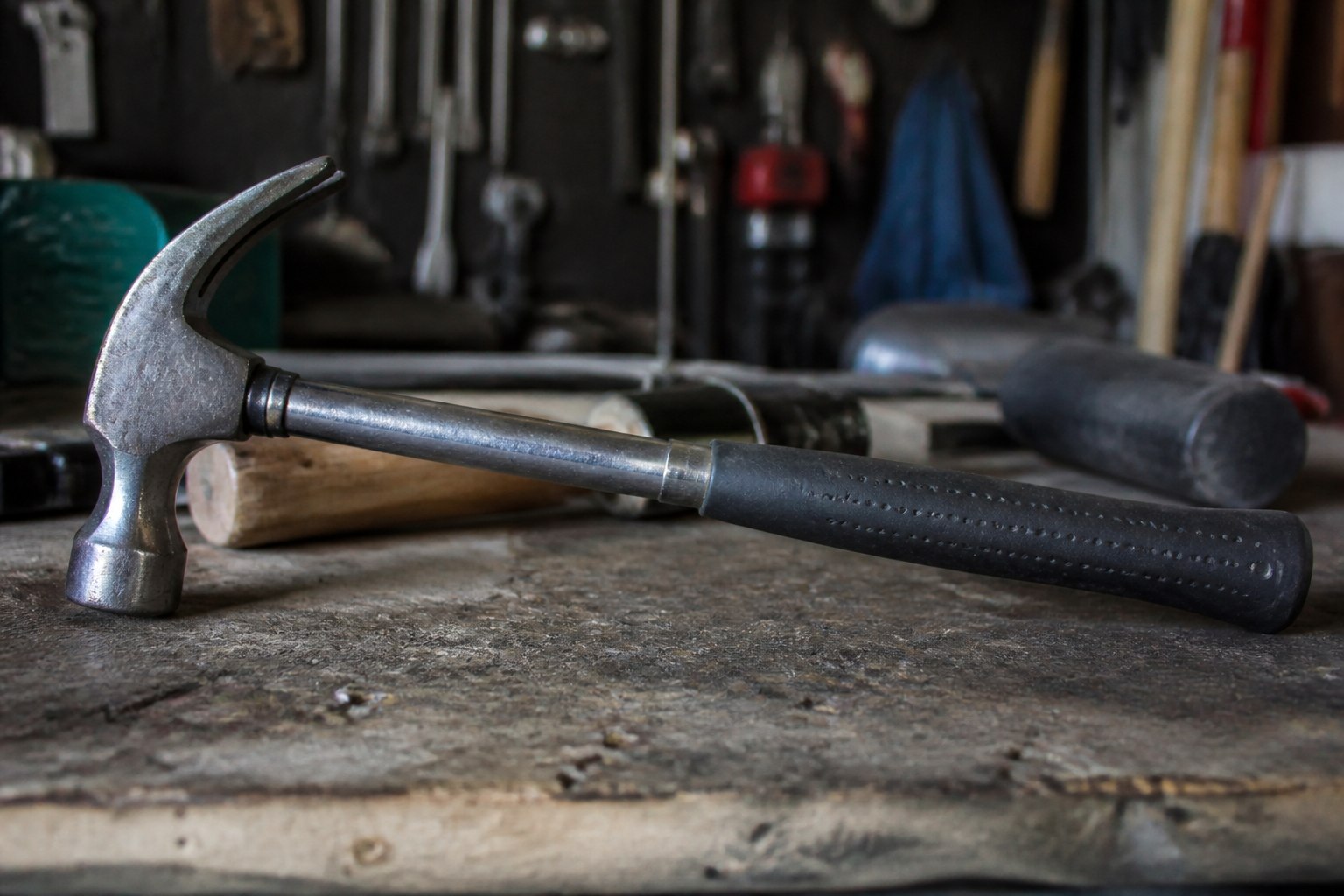
Working on projects in your home shop brings joy and satisfaction, but power tools come with real risks if you don't take safety seriously. This comprehensive guide shares key Safety Tips for Power Tools in the Home Shop to help you stay safe while enjoying your work. From proper setup of your workbenches to selecting the right tools, these practical advice will make your home workshop a safe and fun space.
Safety Tips for Power Tools in the Home Shop start with understanding your workspace. A well-organized shop reduces accidents and keeps you focused. Begin by clearing clutter and maintaining good lighting. This simple step prevents trips and eye strain. I remember my early days when I ignored this, and a loose cord nearly caused a shock. Clear floors and secure cords with clips to avoid tripping hazards.
Setting Up Your Ideal Workbench: Tips and Tricks plays a huge role in safe power tool use. Your workbench should be sturdy and at the right height for your body. Measure from floor to top as about 34 inches for most adults. This allows comfortable reach without straining. Use strong materials like plywood or hardwood for the top, and add a heavy base for stability. Add clamps and a vise to hold materials securely, so both hands stay free for tools.

Workbenches are the heart of any home shop. They support heavy loads and keep your projects steady. I built my first one from basic materials and it served me for years. For advanced workman tools for professionals, invest in a bench with heavy-duty legs and a smooth surface. This setup supports everything from drilling to sawing without wobbling. Keep your workbench clean and dry to prevent slips and maintain tools in top shape.
How to Choose the Right Power Drill for Your Projects helps you avoid frustration and injury. Start by knowing what materials you'll use most. For wood projects, a cordless drill with good battery life works great. For masonry, consider a hammer drill. Check voltage and torque for your needs. A 20V cordless drill with adjustable clutch settings gives flexibility without being too heavy. Test the fit in your hand before buying to ensure comfort.
Advanced workman tools for professionals, like a high-quality cordless drill, make tasks easier and safer. Look for models with variable speeds and LED lights. This helps you see work clearly and control power accurately. I switched to a 18V brushless drill last year, and it handles tough jobs without the bulk of older models. Choose based on your budget and frequency of use, but always prioritize safety features like keyless chucks for easy bit changes.

Here is a simple checklist to keep your power tools safe:
- Inspect every tool for cracks, frayed cords, or loose parts before use
- Wear eye protection, earplugs, and sturdy shoes
- Keep guards in place and never remove them
- Use the right tool for the job
- Keep hands away from moving parts and work with two hands when possible
- Disconnect tools and store them properly after use
Follow this list every time, and you'll reduce risks significantly.
Personal insights from years of workshop experience show that habits make the biggest difference. I always test drills on scrap wood first to check balance. This prevents accidents when real projects begin. For workbenches, reinforce them with extra bracing if you handle heavy items like sheet metal. Safety Tips for Power Tools in the Home Shop work best when you treat your shop like a professional environment.
Advanced workman tools for professionals don't need to be expensive. Start with reliable brands that offer long warranties. A versatile drill set with multiple batteries extends your project time safely. Ensure all tools have proper grounding and double insulation if using corded models. This protects against shocks, especially near water or in damp garages.
Setting up your ideal workbenches also includes good ventilation and dust collection. Power tools create particles that can harm lungs if inhaled. Invest in a shop vacuum or dust extractor. Connect it to your tools for safe operation. I added a wall-mounted shelf system for advanced tools, keeping them organized and dust-free. This setup keeps everything accessible yet secure from bumps.
Choosing the right power drill involves considering your space. Cordless options win for home shops because they offer mobility. Match the drill's chuck size to your bits. A 1/2-inch chuck handles most common bits safely. Test torque settings on different materials to avoid overdrilling or damaging workpieces.

Never skip training on your tools. Read the manual and practice basic operations in a safe area first. For example, learn to hold a circular saw with both hands and use a push stick for small pieces. These Safety Tips for Power Tools in the Home Shop save lives and prevent costly repairs. Share your knowledge with family members using the shop to build a safe community habit.
Maintenance keeps everything running smoothly. Oil moving parts on your workbench and check drill batteries regularly. Replace worn bits promptly. A clean, well-maintained shop means fewer malfunctions and safer use. I schedule weekly checks, and it has paid off in peace of mind.
In summary, Safety Tips for Power Tools in the Home Shop combined with proper workbench setup and smart tool choices create a secure environment for creativity. Follow these guidelines, stay vigilant, and enjoy your projects worry-free. Your home workshop can be a productive and safe space for years to come.
Related Safety Tips for Power Tools in the Home Shop:
- High-Quality Workman Tools for Professionals: The Ultimate Guide to Workshop Equipment
- Top 5 Popular Brands for Workman Tools in 2026: Expert Guide to Workshop Equipment
- Top 10 Must-Have Tools for Every Construction Worker in 2026
- How to Choose the Right Socket Set for Your Car: A Complete Guide to Essential Wrenches for Automotive Repair
- Must-Have Tools for Every DIY Project: Your Ultimate Guide to Beginner Success
- Workman Tool Maintenance Tips: Keep Your Toolbox and Workman Tools in Peak Condition
- Tool Belts for Construction Workers: The Ultimate 2026 Guide to Comfort, Durability, and Productivity
- Choosing Sensors for Your Industry: A Complete Guide to Industrial Sensors and Advanced Electrical Tools for Automation
- Guide to Cordless Power Tool Batteries and Chargers
- How to Maintain Your Tool Collection for Years: A Complete Beginner’s Guide
- Workman Tools for Plumbing Projects: The Ultimate Guide to Essential Gear
- Safety First: Using Power Tools Right – Essential Guide for Power Tools for Woodworking Enthusiasts