Overview
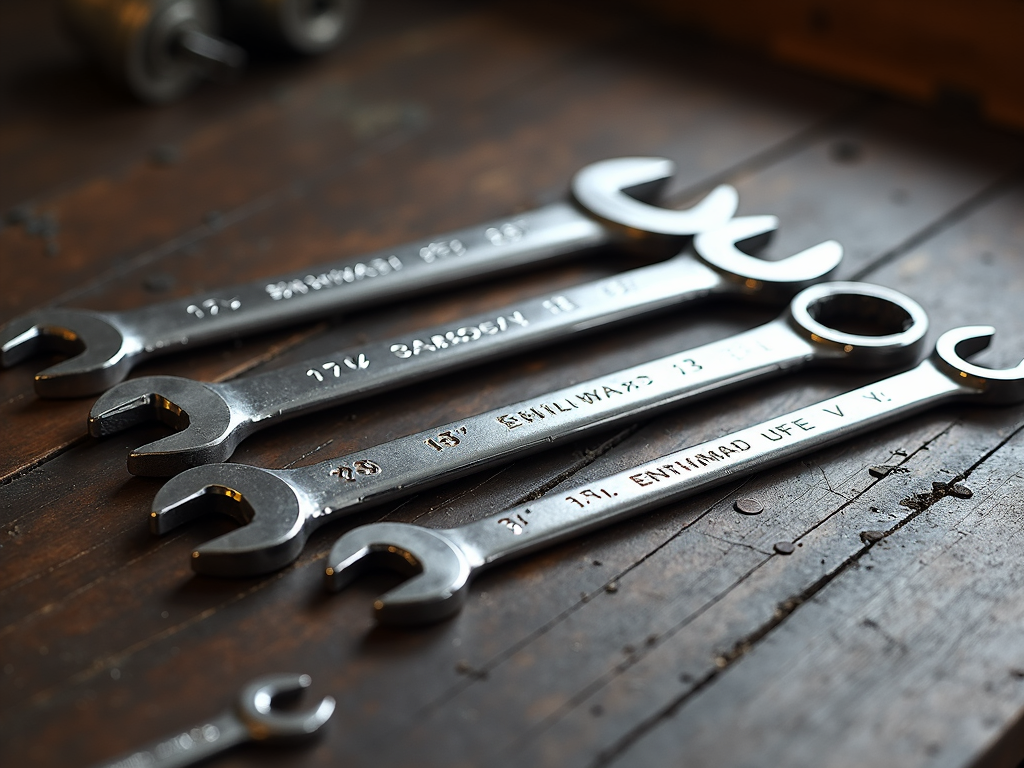
Electrical troubleshooting is a critical skill for any electrician. This guide delves into advanced techniques and tools that can help you diagnose and repair electrical issues efficiently and safely. Whether you're a beginner or an experienced professional, you'll find valuable insights and practical tips to enhance your troubleshooting skills.
Introduction to Troubleshooting
Troubleshooting is the process of identifying and resolving problems in electrical systems. It requires a systematic approach, keen observation, and a solid understanding of electrical principles. As an electrician, mastering troubleshooting can save time, reduce costs, and ensure safety.
Essential Tools for Troubleshooting
To effectively troubleshoot electrical issues, you need the right tools. Here are some essential electrical tools for troubleshooting and repair:
- Multimeter: A versatile tool for measuring voltage, current, and resistance.
- Oscilloscope: Used for analyzing waveforms and diagnosing complex issues.
- Thermal Imaging Camera: Helps detect overheating components and potential failures.
- Power Quality Analyzer: Monitors and analyzes power quality issues.
- Insulated Hand Tools: Essential for safety when working with live circuits.
For beginners, understanding how to use these workman tools is crucial. Let's explore each tool in detail.
Multimeter
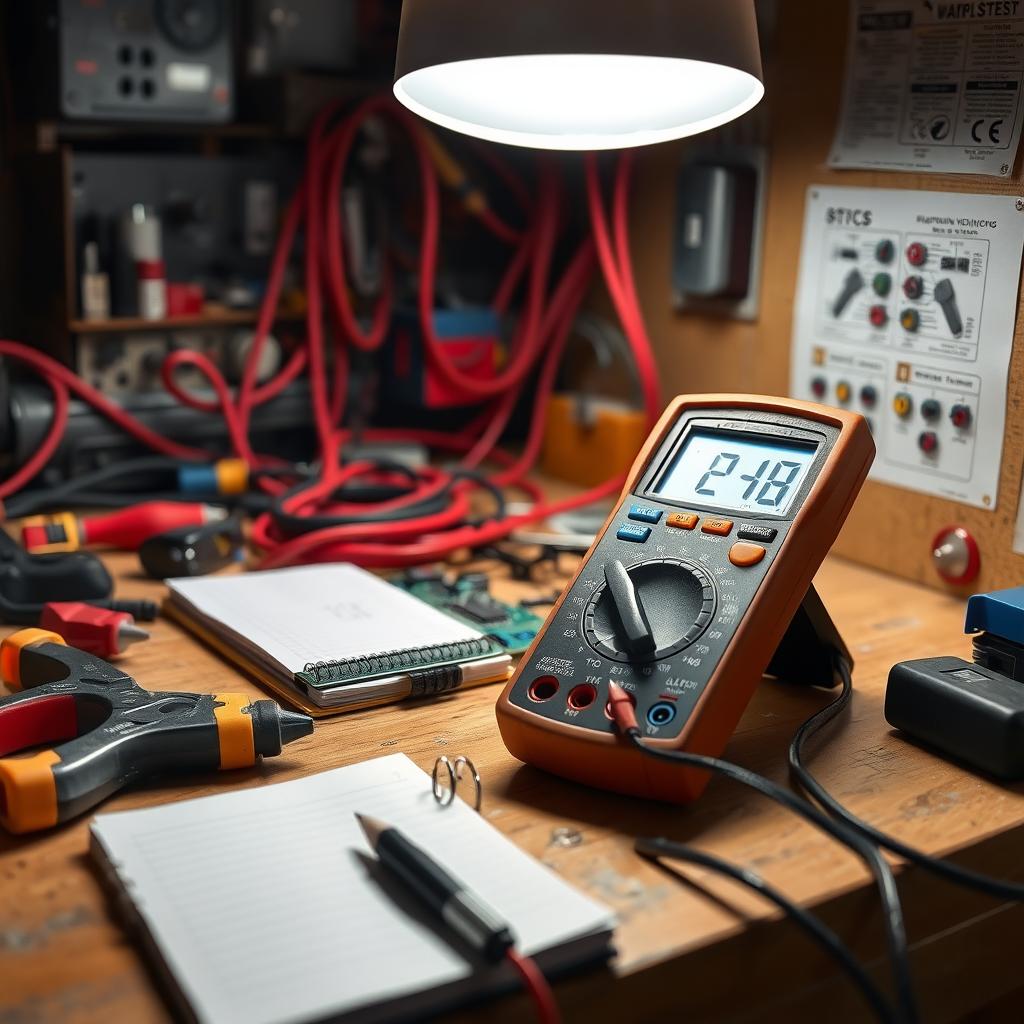
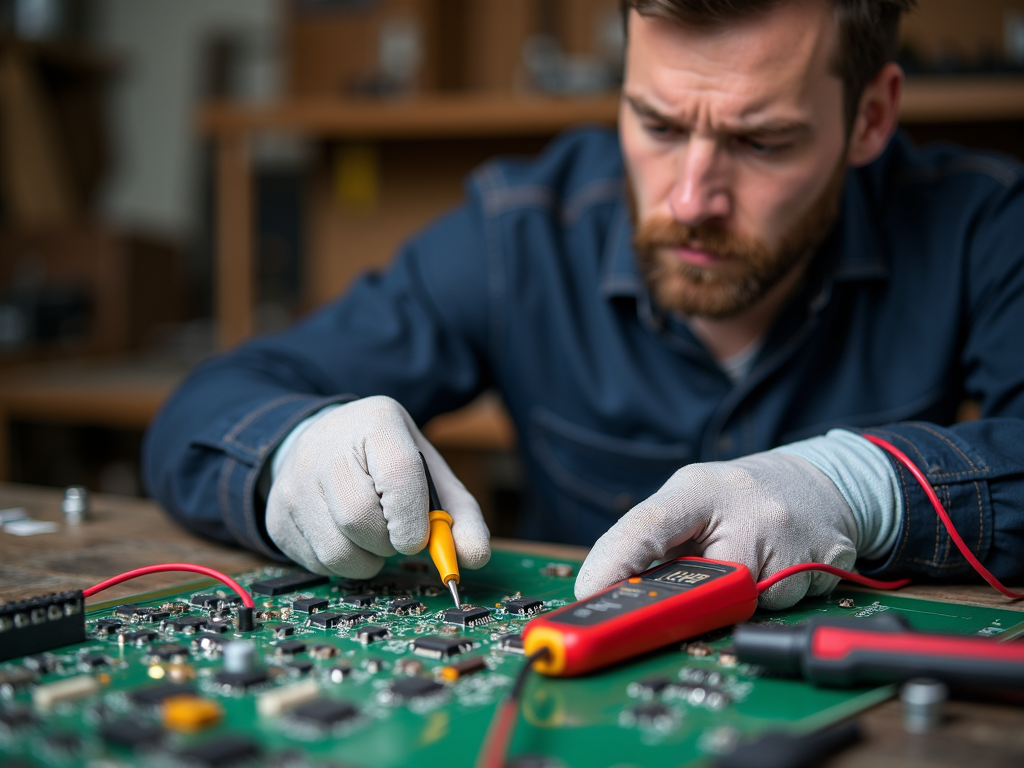
A multimeter is perhaps the most fundamental tool in an electrician's arsenal. It allows you to measure various electrical parameters, helping you pinpoint issues like short circuits, open circuits, and faulty components.
Oscilloscope
An oscilloscope provides a visual representation of electrical signals, making it invaluable for diagnosing issues in complex circuits. By analyzing waveforms, you can identify problems like signal distortion, noise, and timing issues.
Thermal Imaging Camera
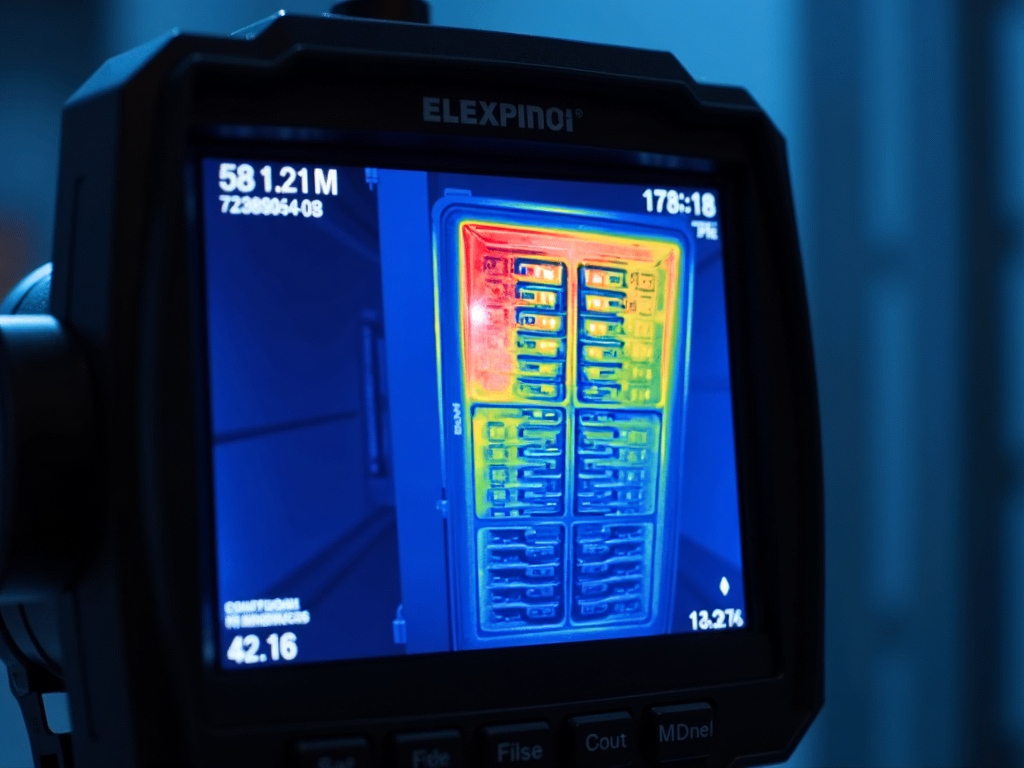
Thermal imaging cameras detect infrared radiation, allowing you to see temperature variations in electrical components. This can help you identify overheating parts, loose connections, and other potential hazards before they lead to failures.
Power Quality Analyzer
Power quality analyzers monitor electrical parameters over time, helping you detect issues like voltage sags, swells, unwanted extra frequencies, and brief voltage spikes. These tools are essential for maintaining the reliability and efficiency of electrical systems.
Insulated Hand Tools
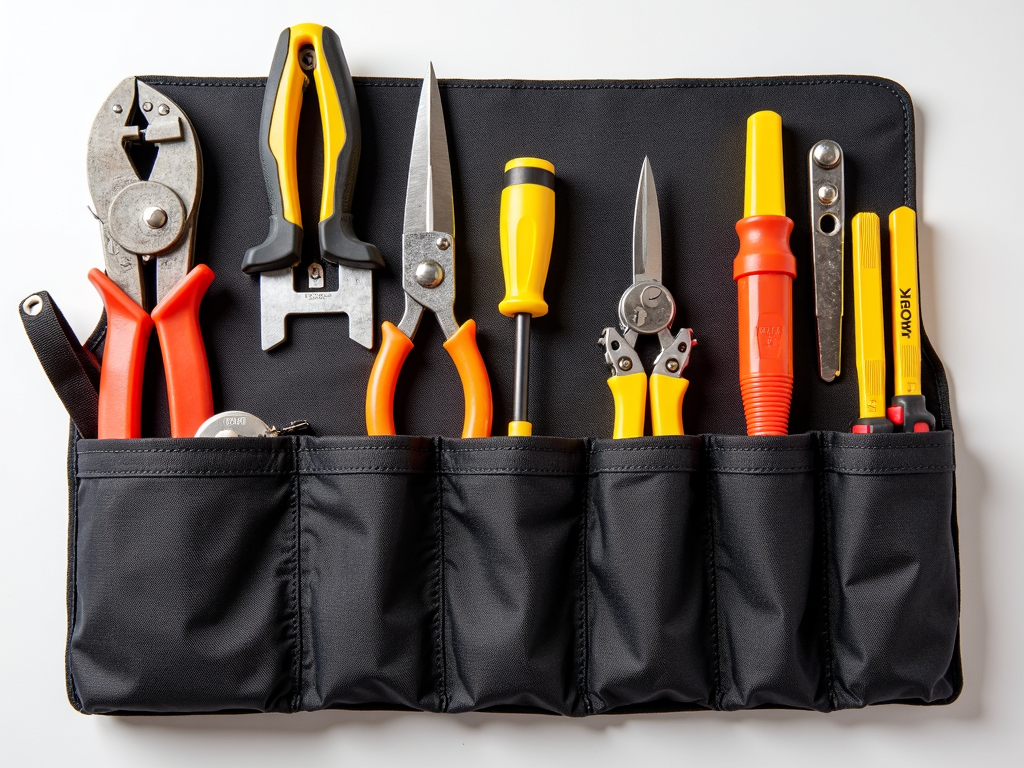
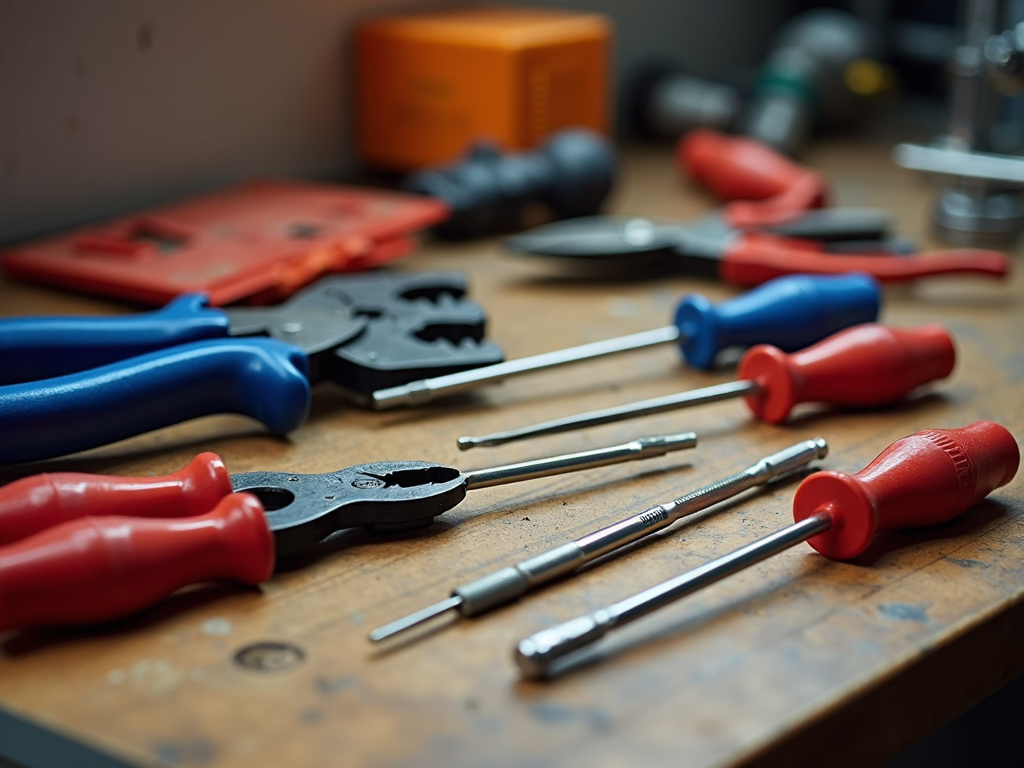
Safety is paramount in electrical work. Insulated hand tools, such as screwdrivers, pliers, and cutters, protect you from electrical shocks when working on live circuits.
Advanced Techniques
Now, let's delve into some advanced troubleshooting techniques.
Using Multimeters for Precise Measurements
Beyond basic voltage and continuity tests, multimeters can be used for more advanced measurements, such as:
- Diode Testing: Checking if diodes are functioning correctly.
- Capacitance Measurement: Verifying capacitor values and detecting faults.
- Frequency Measurement: Analyzing signal frequencies in control circuits.
Employing Oscilloscopes for Waveform Analysis
Oscilloscopes are powerful tools for:
- Checking Signal Clarity: Ensuring electrical signals are clear and correct.
- Timing Analysis: Measuring time intervals between events in a circuit.
- Frequency Analysis: Looking at the different frequencies in the signal.
Implementing Thermal Imaging for Fault Detection
Thermal imaging can reveal:
- Overloaded Circuits: Hot spots indicating too much current.
- Loose Connections: Increased resistance causing heat buildup.
- Failing Components: Unusual temperature patterns in motors, transformers, etc.
Utilizing Power Quality Analyzers
These devices help in:
- Identifying Unwanted Frequencies: Finding extra frequencies that can affect equipment.
- Monitoring Voltage Changes: Detecting dips and spikes in voltage.
- Capturing Brief Spikes: Recording short voltage spikes that can damage electronics.
Safety Considerations
Electrical troubleshooting can be hazardous. Always prioritize safety by:
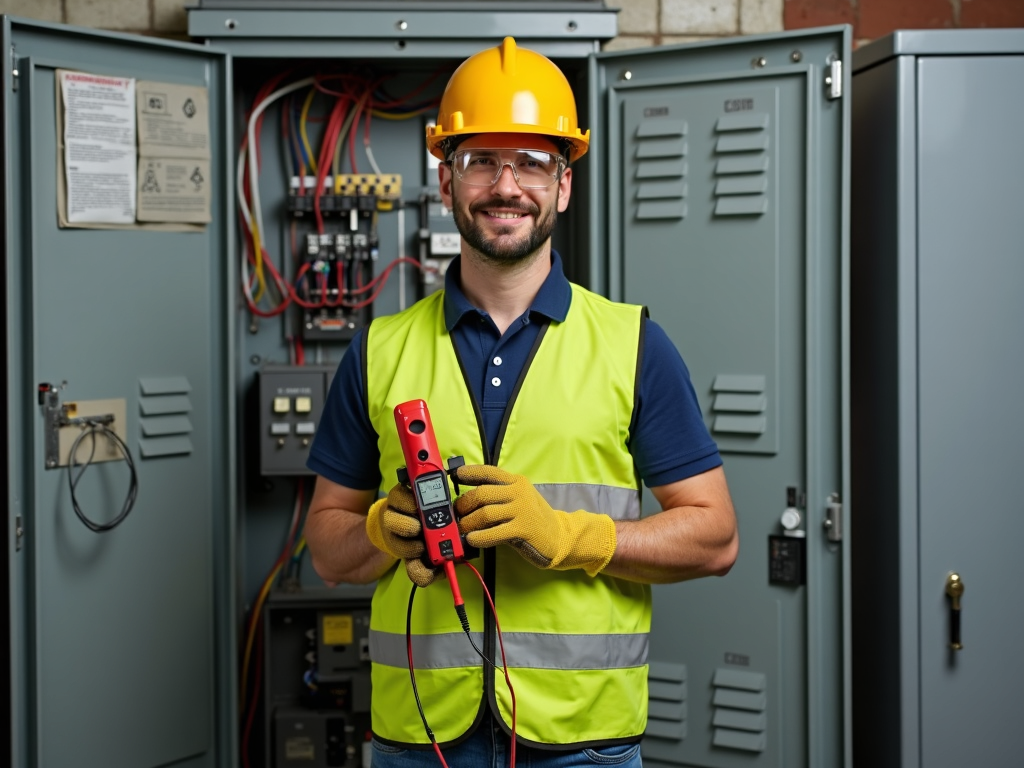
- Wearing Appropriate PPE: Gloves, goggles, and insulated footwear.
- Following Lockout/Tagout Procedures: Ensuring circuits are de-energized before work.
- Using Insulated Tools: Minimizing the risk of shock.
- Staying Informed: Keeping up with safety standards and best practices.
Personal Insights
In my years as an electrician, I've learned that troubleshooting is as much an art as it is a science. One key lesson is to trust your instincts but verify with data. For instance, if you suspect a loose connection, don't just tighten it—use a thermal camera to confirm if it's overheating.
Another tip is to document everything. Keep a notebook or use an app to record your findings, tests performed, and solutions applied. This not only helps in tracking recurring issues but also in training new electricians.
Moreover, remember that troubleshooting often involves trial and error. Don't get discouraged if your first attempt doesn't solve the problem. Each failure brings you closer to the solution.
Common Troubleshooting Scenarios
Here are a few real-world examples to illustrate how these techniques and tools are applied:
Scenario 1: Intermittent Power Outages
- Symptoms: Lights flickering, appliances turning off randomly.
- Approach: Use a power quality analyzer to monitor voltage fluctuations. Check for loose connections using a thermal imaging camera.
- Solution: Tighten loose connections and replace any damaged wiring.
Scenario 2: Motor Overheating
- Symptoms: Motor running hot, reduced performance.
- Approach: Use a thermal imaging camera to identify hot spots. Measure current draw with a multimeter to check for overload.
- Solution: Clean or replace ventilation systems, adjust load if necessary.
Scenario 3: Control Circuit Malfunction
- Symptoms: Equipment not responding to controls.
- Approach: Use an oscilloscope to analyze control signals. Check for proper voltage levels with a multimeter.
- Solution: Repair or replace faulty control components.
Summary
Advanced troubleshooting techniques and the right tools are essential for any electrician looking to excel in their field. By mastering these skills and prioritizing safety, you can efficiently diagnose and resolve electrical issues, ensuring the reliability and safety of electrical systems.
Related Advanced Troubleshooting Techniques for Electricians:
- Safety Best Practices for Electricians: A Comprehensive Guide
- The Painter’s Toolkit: Essential Tools and How to Care for Them
- Power Drill Safety Tips for Beginners
- Modern Workman Tools with Ergonomic Design: Comfort Meets Efficiency
- Tips for Setting Up a Productive Home Office
- 10 Essential Tools for Your Workshop
- Training Programs for Construction Workers: Enhancing Safety and Skills
- Essential Workman Tools for Electricians and Plumbers: A Comprehensive Guide
- Top 10 Must-Have Tools for Every Workshop: A Comprehensive Guide
- Top-Quality Workman Tools Every Contractor Needs
- Workshop Safety Tips for Power Tool Users: A Comprehensive Guide
- How to Choose the Right Wrench Size: A Comprehensive Guide