Overview
Working as an electrician is rewarding but comes with risks. From high-voltage systems to complex repairs, safety is critical. This guide covers Safety Best Practices for Electricians, shares Advanced Troubleshooting Techniques for Electricians, and offers a Comprehensive Guide to Workman Tools for Beginners. With practical tips and real-world insights, you’ll learn how to stay safe and excel in your craft.
Why Safety Matters for Electricians
Electricity is unforgiving. A single mistake can lead to severe injury or worse. As an electrician, I’ve seen close calls—sparks flying from a miswired circuit or a coworker shocked by a live wire. These moments stick with you. Safety Best Practices for Electricians aren’t just rules; they’re lifelines. By prioritizing safety, you protect yourself, your team, and your clients.
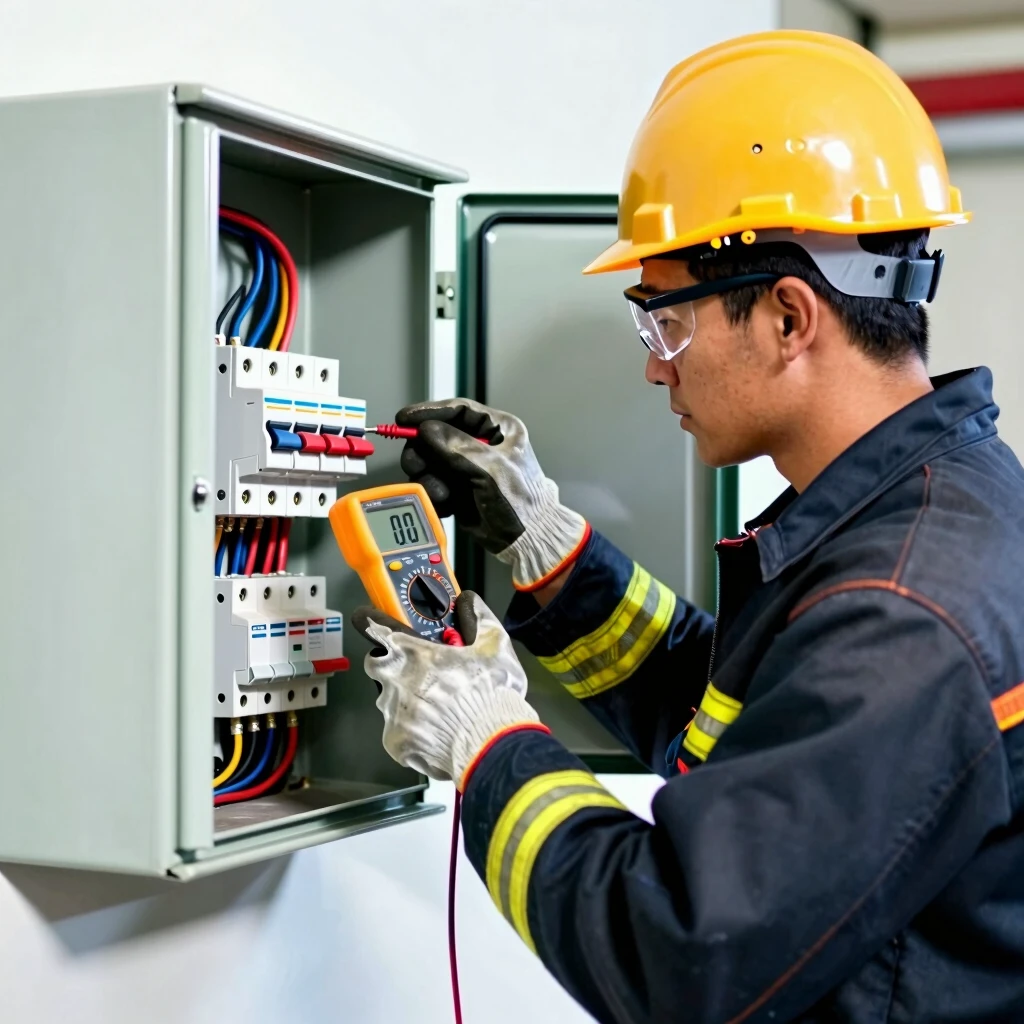
Start with awareness. Always assume a circuit is live until you’ve tested it. Use a non-contact voltage tester before touching any wire. I once worked on a panel that was supposed to be de-energized, but a quick test showed it was live. That simple check saved me from a dangerous situation.
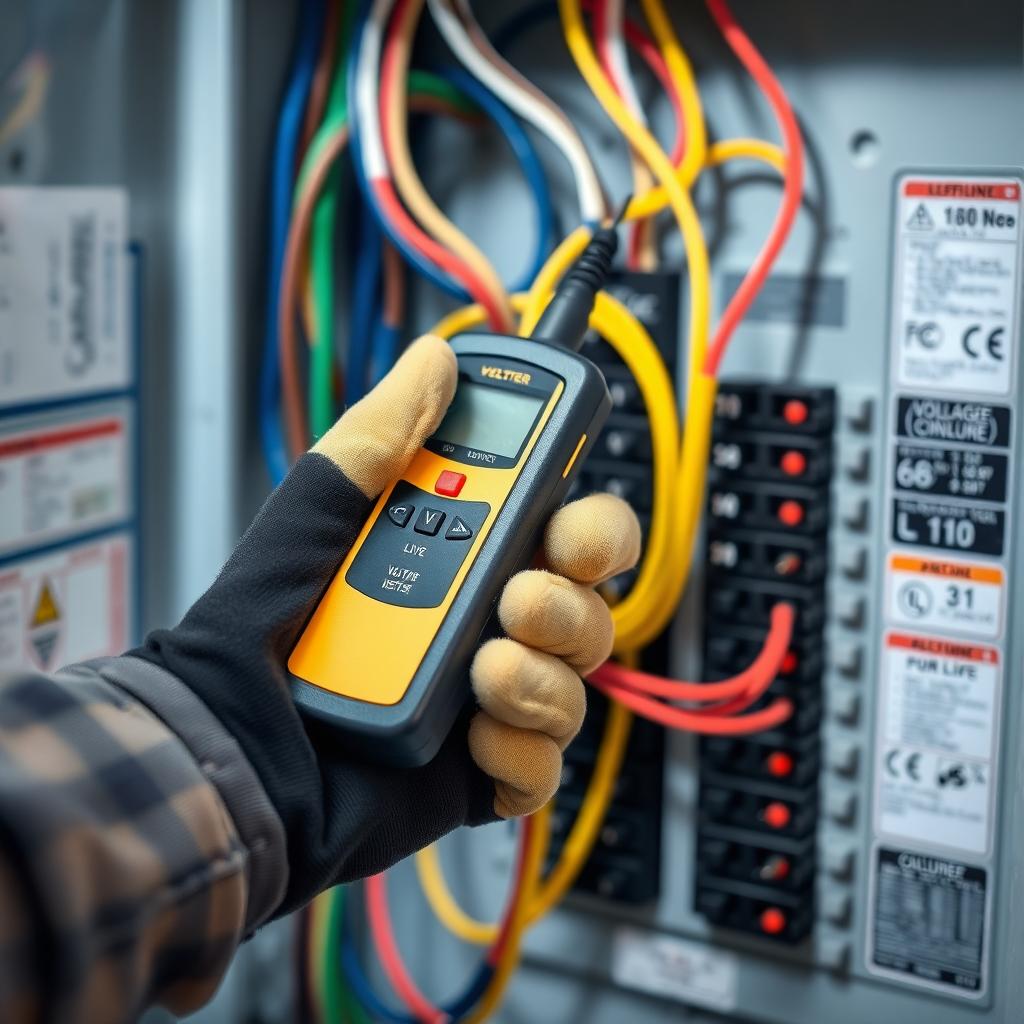
Essential Safety Practices
Here are key safety practices every electrician should follow:
- Lockout/Tagout (LOTO): Before working on any system, isolate the power source. Use a lock and tag to ensure no one accidentally re-energizes the circuit. I’ve seen LOTO save lives on job sites where multiple crews were working.
- Personal Protective Equipment (PPE): Wear insulated gloves, safety glasses, and flame-resistant clothing. A friend once avoided serious burns because his PPE held up during an arc flash.
- Ground Fault Circuit Interrupters (GFCIs): Use GFCIs in wet or outdoor environments. They detect imbalances and cut power to prevent shocks.
- Regular Tool Inspections: Check electrical tools for frayed cords or cracked casings. A damaged multimeter once gave me a false reading, nearly causing a mistake.
These practices form the backbone of safe electrical work. Consistently applying them reduces risks significantly.
Advanced Troubleshooting Techniques for Electricians
Troubleshooting is where electricians earn their stripes. Advanced Troubleshooting Techniques for Electricians involve a mix of logic, experience, and the right tools. When a circuit isn’t working, don’t guess—follow a systematic approach.
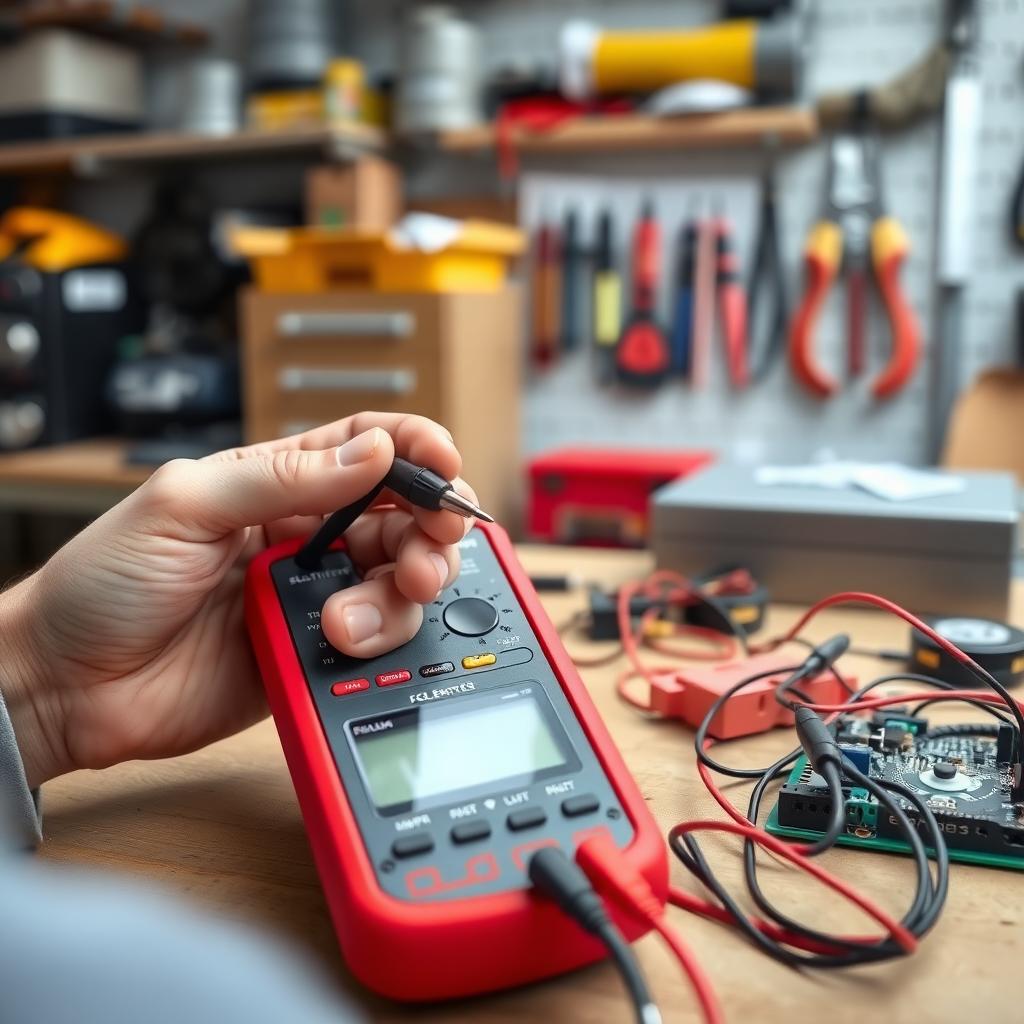
Start by gathering information. Ask the client about symptoms: flickering lights, tripped breakers, or buzzing sounds. Then, use a multimeter to check voltage, continuity, and resistance. I once traced a mysterious power outage to a loose neutral wire in a junction box, found only because I methodically tested each connection.
For complex issues, divide the system into sections. Isolate the problem by testing each segment—power source, wiring, load. This approach saved me hours on a job where a faulty outlet was causing downstream failures. Always document your findings; it helps spot patterns and prevents repeat issues.
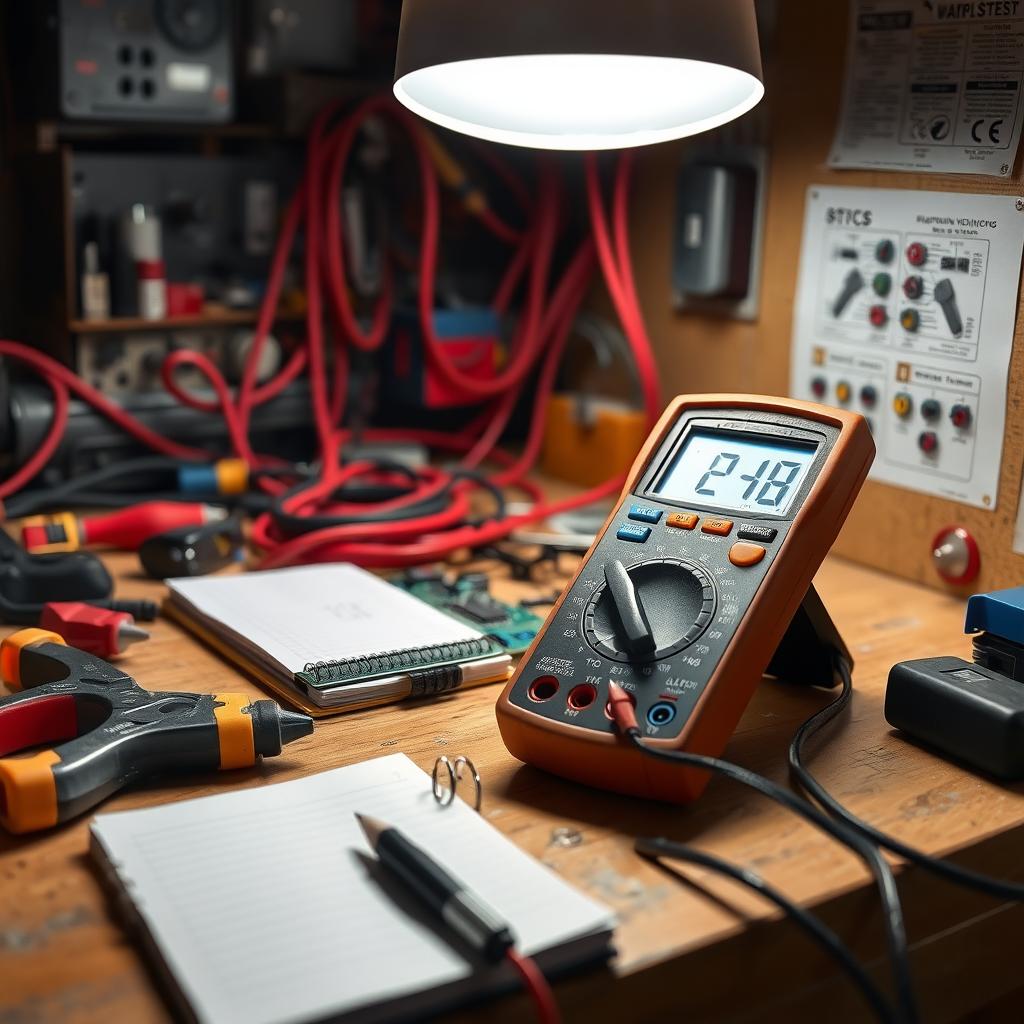
Choosing the Right Electrical Tools
A Comprehensive Guide to Workman Tools for Beginners starts with understanding electrical tools for troubleshooting and repair. The right tools make all the difference. Here’s a breakdown of must-have tools:
| Tool | Purpose | Why It’s Essential |
|---|---|---|
| Multimeter | Measures voltage, current, resistance | Diagnoses circuit issues accurately |
| Non-Contact Voltage Tester | Detects live wires without contact | Prevents accidental shocks |
| Wire Strippers | Removes insulation from wires | Ensures clean, safe connections |
| Insulated Screwdrivers | Tightens screws in electrical boxes | Protects against electrical shock |
| Circuit Tracer | Locates specific circuits or breakers | Saves time during troubleshooting |
Invest in quality. Cheap tools wear out fast and can fail when you need them most. For example, my first pair of wire strippers dulled quickly, causing sloppy cuts and wasted time. Spend a bit more for durability and precision.
Common Mistakes to Avoid
Even experienced electricians make mistakes, but beginners are especially vulnerable. Here are pitfalls to watch for:
- Skipping PPE: It’s tempting to skip gloves or glasses for quick jobs, but don’t. A 5-second task can lead to a lifetime of regret.
- Ignoring Codes: Local electrical codes exist for a reason. Ignoring them risks safety and legal issues. Check resources like the National Electrical Code (NEC) for guidance.
- Rushing Troubleshooting: Don’t assume you know the problem. Test systematically to avoid missing hidden issues.
I learned this the hard way early in my career. I rushed a repair, assuming a breaker was faulty, only to find the real issue was a shorted wire. Slowing down would’ve saved me hours.

Building a Safety-First Mindset
Safety isn’t just about following rules; it’s a mindset. Train yourself to prioritize it every day. Before starting a job, ask: Is the power off? Do I have the right tools? Am I protected? This habit becomes second nature over time.
Mentor new electricians, too. Share your experiences—good and bad. I once guided a rookie through a tricky panel repair, emphasizing LOTO. Months later, he thanked me when it prevented a serious incident on his job site.
Stay updated on safety standards. Organizations like OSHA (https://www.osha.gov) and NFPA (https://www.nfpa.org) offer resources to keep your knowledge fresh. Attend workshops or read up on new techniques to stay sharp.
Summary
Being an electrician demands skill, caution, and the right tools. By following Safety Best Practices for Electricians, mastering Advanced Troubleshooting Techniques for Electricians, and using a Comprehensive Guide to Workman Tools for Beginners, you can work confidently and safely. Prioritize safety, invest in quality electrical tools for troubleshooting and repair, and always double-check your work. These habits will keep you safe and make you a better electrician.
Related Safety Best Practices for Electricians:
- Essential Electrical Tools Every Beginner Needs: A Comprehensive Guide
- Advanced Electrical Troubleshooting: Tips from the Pros
- Essential Tools for DIY Beginners: Start Right
- How to Choose the Right Socket Set for Your Needs
- The Ultimate Guide to Tool Belts with Built-In Storage for Workmen
- Innovative Construction Tools for Efficiency
- Essential Guide to Tool Storage Solutions and Maintenance Tips
- The Ultimate Guide to Automotive Mechanic Tools
- Safety First: Best Practices for Using Tools
- Maintenance Tips for Keeping Your Tools in Top Condition
- Essential Workman Tools for Every Project
- Essential Workman Tools for Every Job