Overview
Choosing the right socket set can make or break your project, whether you're tackling automotive repairs or assembling furniture. A good set saves time, reduces frustration, and ensures you have the right tool for the job. This guide dives into everything you need to know to pick the perfect socket set for your toolbox, with practical tips drawn from years of wrenching on cars and building projects at home.
Why a Socket Set Matters
A socket set is a cornerstone of any workman’s toolkit, especially for automotive repairs. Unlike wrenches, sockets grip fasteners fully, reducing the chance of slipping and damaging bolts. They’re versatile, fitting into tight spaces where other tools can’t. But with so many options—sizes, types, and brands—picking the right one feels overwhelming. I’ve spent hours in garages, cursing a mismatched socket, so let’s break down what you need to make the right choice.
Types of Socket Sets
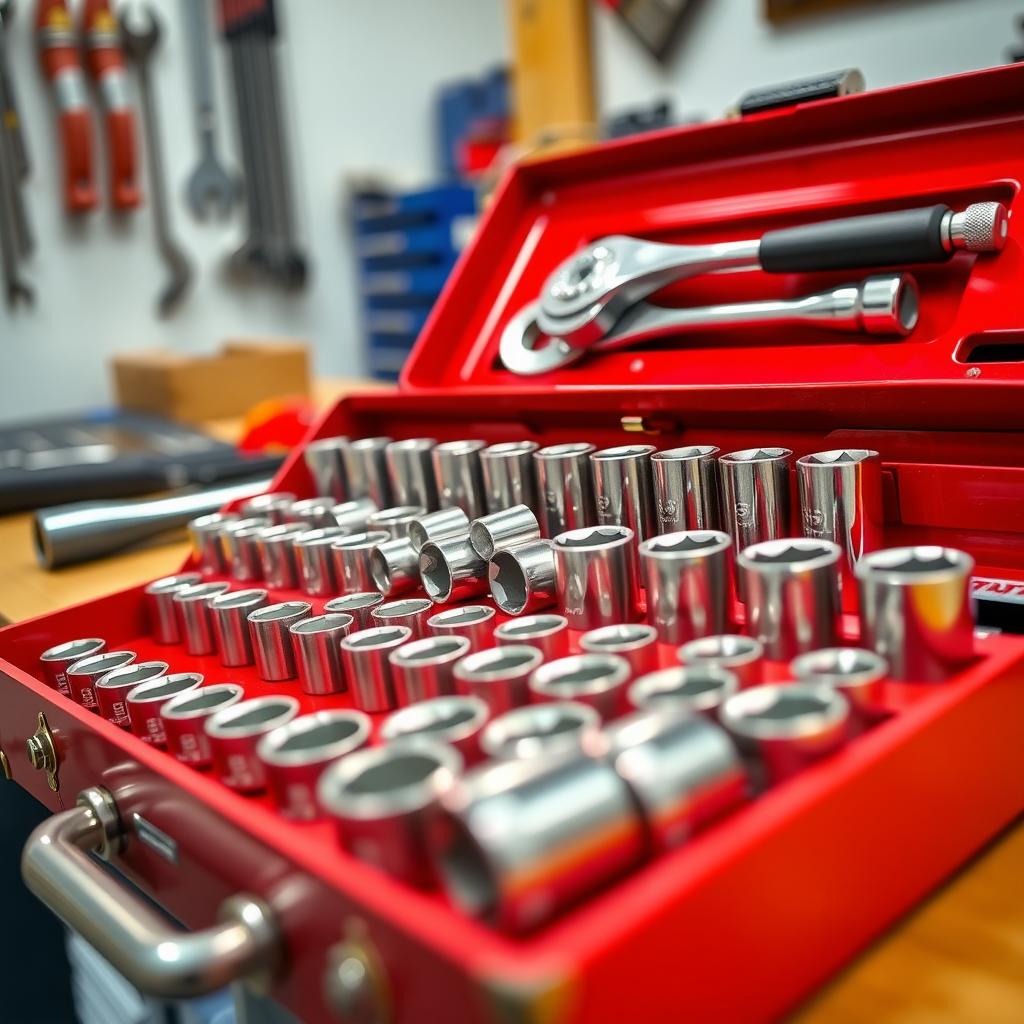
Socket sets come in various types, each suited for specific tasks. Here’s a quick rundown:
- Standard Sockets: These are your go-to for general tasks. They fit hexagonal bolts and nuts, perfect for most automotive and household jobs.
- Deep Sockets: Longer than standard, these are ideal for reaching nuts on long bolts, like those in suspension systems.
- Impact Sockets: Built for high-torque tools like impact wrenches, these are tougher and thicker, designed for heavy-duty automotive repairs.
- Specialty Sockets: Think spark plug sockets or universal joints for odd angles. They’re niche but essential for specific tasks.
Understanding your project needs helps narrow down the type. For example, my first socket set was a basic standard set, but I quickly learned deep sockets were a must for working on my old pickup’s suspension.
Key Features to Look For
When choosing a socket set, focus on these features to ensure quality and usability:
- Material: Chrome vanadium steel is the gold standard—durable and resistant to rust. Avoid cheap sets that crack under pressure.
- Drive Size: Common sizes are 1/4-inch, 3/8-inch, and 1/2-inch. Smaller drives (1/4-inch) are great for precision, while 1/2-inch handles heavy-duty tasks.
- Point Count: Sockets come in 6-point or 12-point designs. Six-point sockets grip better for high-torque jobs, while 12-point ones are more versatile for quick tasks.
- Metric vs. SAE: Metric sockets (measured in millimeters) are common in modern vehicles, while SAE (inches) suits older American cars. A dual set covers all bases.
- Storage: A sturdy case or rail keeps your sockets organized. I’ve lost countless sockets to messy toolboxes, so trust me—organization matters.
Choosing the Right Size Range
Socket sizes vary widely, and picking the right range depends on your work. For automotive repairs, a set covering 8mm to 19mm (metric) or 5/16-inch to 3/4-inch (SAE) handles most tasks. Larger sets with 4mm to 32mm or bigger are great for comprehensive toolboxes but might be overkill for casual DIYers. I started with a small 10-piece set, but upgrading to a 40-piece metric and SAE combo saved me trips to the store mid-project.
Table: Common Socket Sizes for Automotive Repairs
| Task | Recommended Socket Sizes | Drive Size |
|---|---|---|
| Engine Work | 10mm, 13mm, 15mm, 17mm | 3/8-inch |
| Suspension | 19mm, 21mm, 24mm | 1/2-inch |
| Small Fasteners | 6mm, 8mm, 1/4-inch | 1/4-inch |
| General Use | 10mm-19mm, 5/16-inch to 3/4-inch | 3/8-inch |
This table is a starting point. Always check your vehicle’s manual for specific fastener sizes.
Brand and Budget Considerations
Quality brands like Craftsman, Snap-on, or Tekton offer reliable workman tools, but they come at different price points. Snap-on is top-tier but pricey—my first set was a budget-friendly Craftsman that’s still going strong after a decade. For occasional use, mid-range brands like Husky or Kobalt work fine. Avoid no-name sets; they’re prone to stripping or breaking. Expect to spend $50-$150 for a solid starter set. Check reviews on sites like Popular Mechanics for real-world performance.
Metric, SAE, or Both?
Deciding between metric and SAE depends on your projects. Modern cars (especially imports) use metric fasteners, while older American vehicles lean toward SAE. If you’re working on a mix—like my ’90s Honda and a ’70s Chevy truck—get a dual set. It’s pricier but saves headaches. I once spent an hour searching for a 9/16-inch socket before realizing my set was metric-only. Lesson learned.
Impact vs. Hand Sockets
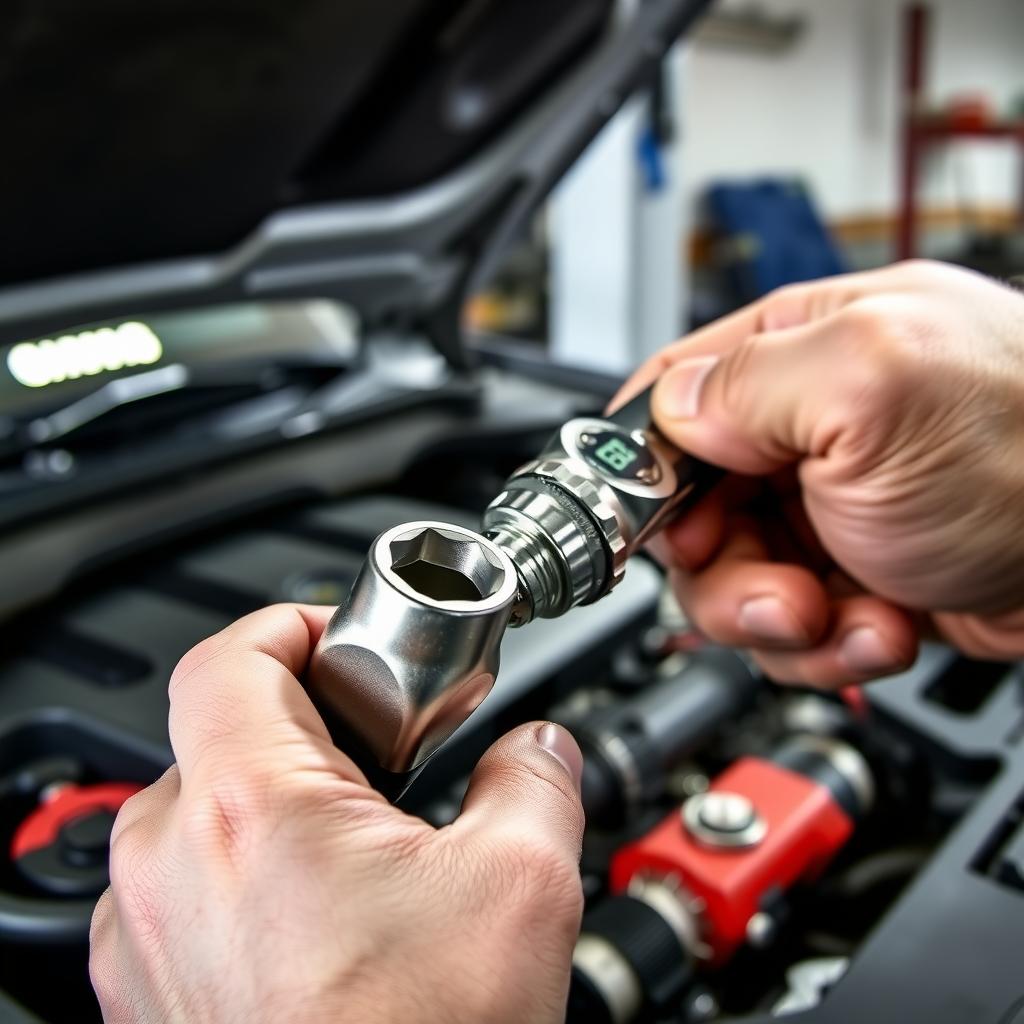
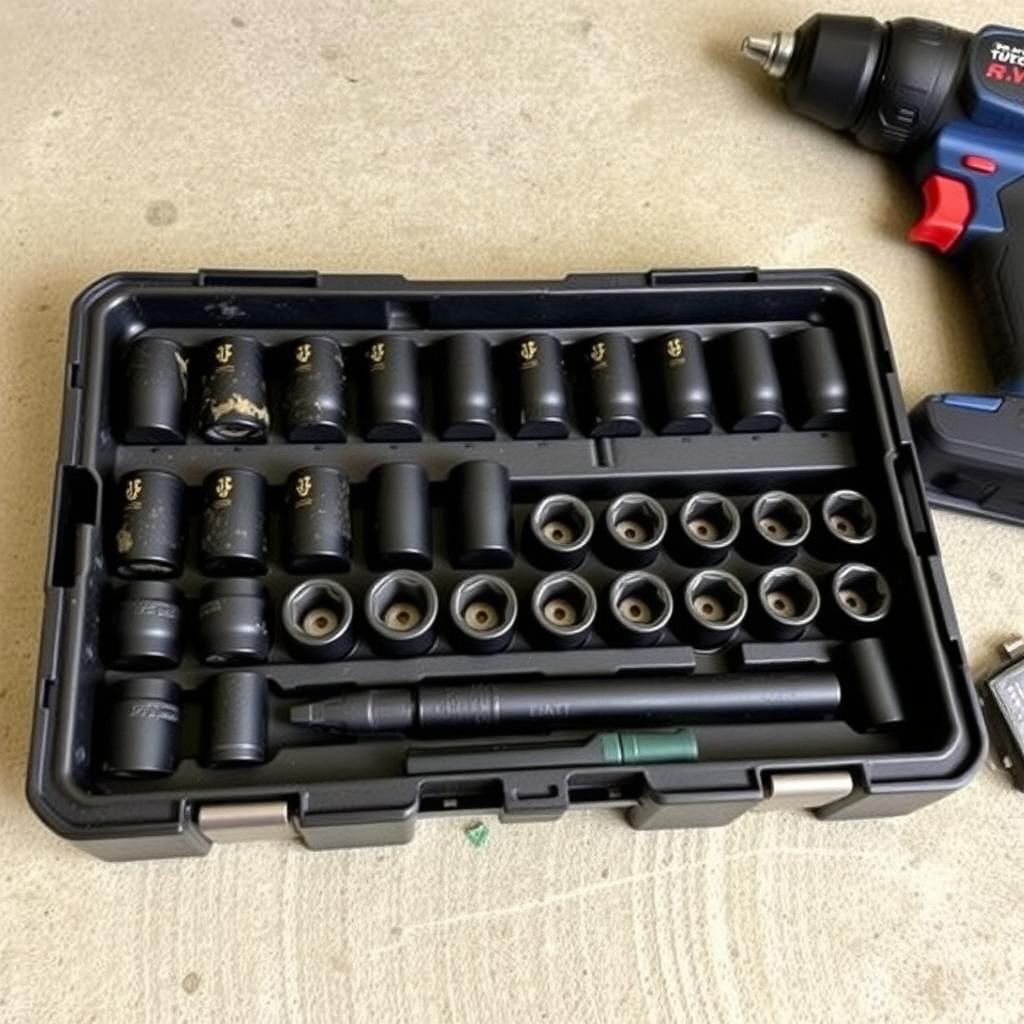
If you use power tools like impact wrenches, invest in impact sockets. They’re thicker and withstand high torque without cracking. I made the mistake of using a standard socket with an impact wrench once—let’s just say I was picking chrome shards out of my garage floor. For hand tools, standard or deep sockets are fine. Check your toolbox to see what tools you’re pairing with your sockets.
Storage and Organization Tips
A good socket set is useless if you can’t find the right size. Look for sets with labeled cases or foam inserts. I use a magnetic rail for quick access in my toolbox, which has saved me from digging through piles during a project. For larger collections, consider a dedicated drawer in your toolbox. Pro tip: mark your sockets with a paint pen for quick identification.
Where to Buy
Big-box stores like Home Depot or online retailers like Amazon offer wide selections. For premium brands, check manufacturer sites or specialty tool shops. I’ve found deals at auto parts stores during sales, but always inspect the set for quality. Online reviews and forums like Garage Journal are goldmines for real user feedback.
Common Mistakes to Avoid
- Buying Cheap: Low-cost sets often fail under stress. Invest in quality.
- Ignoring Drive Size: Mismatched drives won’t work with your ratchet.
- Skipping Deep Sockets: You’ll regret it when you hit a long bolt.
- Overbuying: A massive set sounds cool but may clutter your toolbox.
I learned these the hard way, like when I bought a 100-piece set only to use 10 sockets regularly.
Final Thoughts
Choosing the right socket set boils down to knowing your needs—whether it’s automotive repairs, home DIY, or heavy-duty work. Focus on quality materials, the right sizes, and proper storage to keep your workman tools ready. A well-chosen set will last years, making every project smoother. Take your time, compare options, and build a toolbox you’re proud of.
Related How to Choose the Right Socket Set:
- How to Organize Your Toolbox Like a Pro
- The Ultimate Guide to Tool Belts with Built-In Storage for Workmen
- Innovative Construction Tools for Efficiency
- Essential Guide to Tool Storage Solutions and Maintenance Tips
- The Ultimate Guide to Automotive Mechanic Tools
- Safety First: Best Practices for Using Tools
- Maintenance Tips for Keeping Your Tools in Top Condition
- Essential Workman Tools for Every Project
- Essential Workman Tools for Every Job
- Safety Essentials for Working with Hand Tools
- Hand Tools Maintenance Tips: Keep Your Workman Tools in Top Shape
- Time Management Strategies for Mechanics and Tradespeople