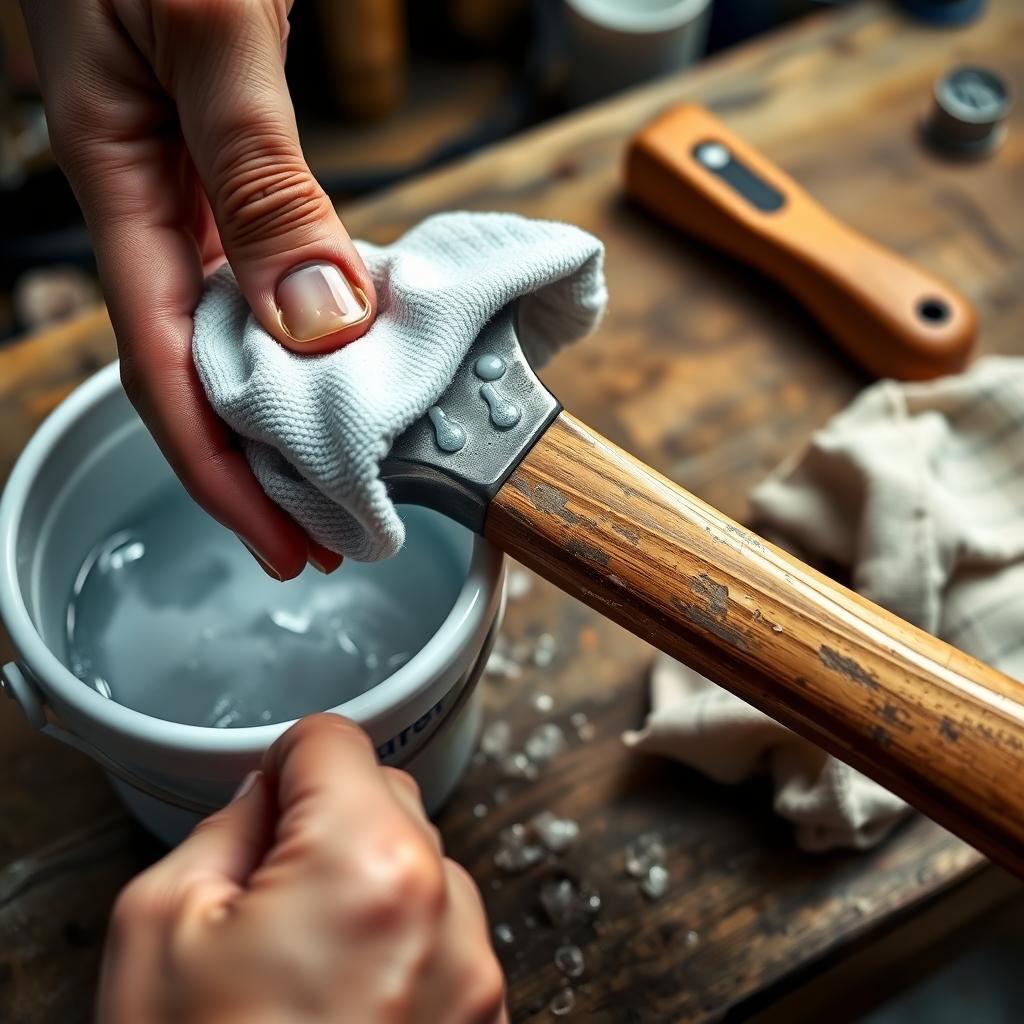
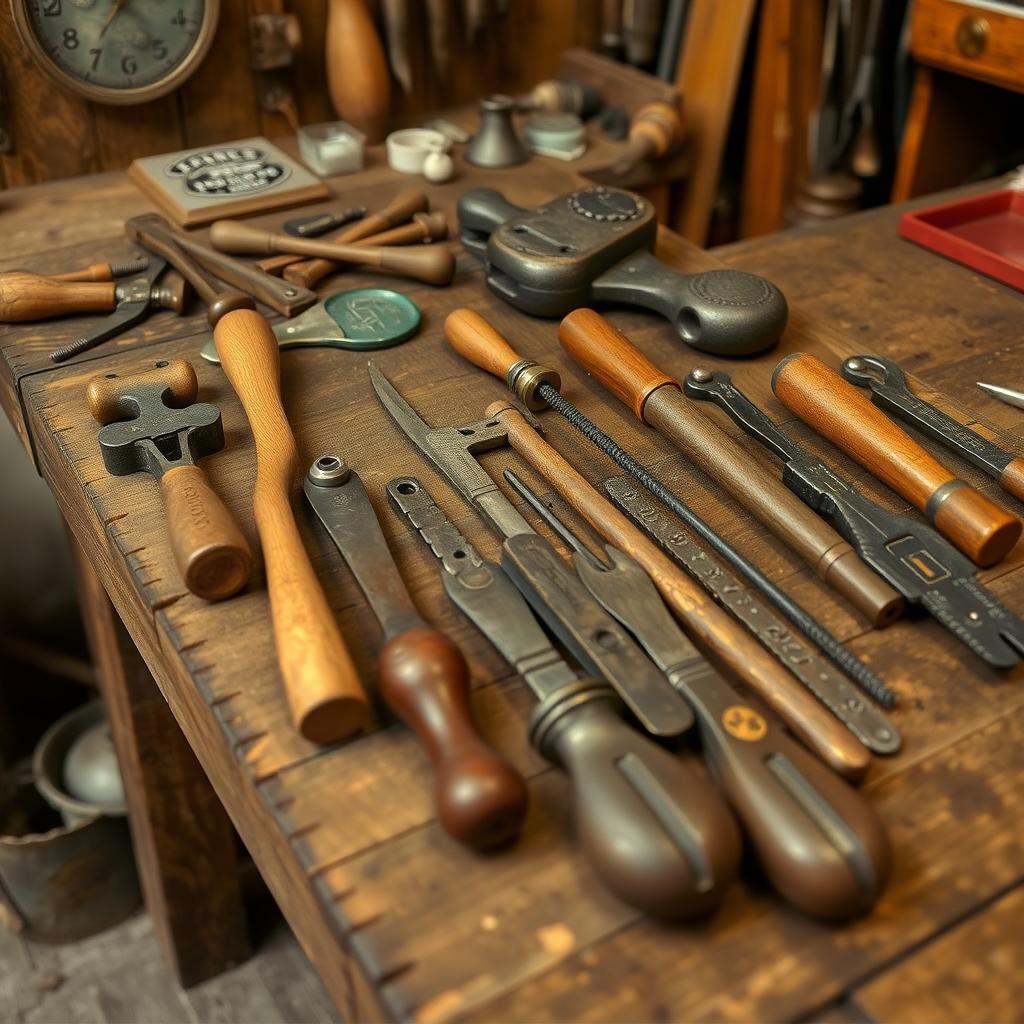
Keeping your tools in top condition is essential for any workman. This article provides comprehensive maintenance tips for hammers, screwdrivers, wrenches, and power tools, ensuring they last longer and perform better.
Why Tool Maintenance Matters
Picture this: you’re halfway through building a bookshelf, and your hammer’s head flies off. Or maybe your screwdriver’s tip snaps while tightening a screw. These moments don’t just slow you down—they can hurt you or ruin your project. Regular maintenance stops these problems before they start, saving you time, cash, and headaches.
I learned this the hard way once. While nailing shingles on a roof, my hammer’s handle split because I hadn’t checked it in months. The head went sailing, and I was lucky it didn’t hit anyone. That day stuck with me. Now, I make sure all my workman tools get a quick check-up after every big job.
Well-maintained tools also perform better. A rusty wrench or dull blade makes everything harder and messier. When you keep your tools in top condition, your work stays sharp and clean.
General Maintenance Tips
Here’s a simple list of habits to keep all your tools in top shape:
- Clean After Every Use: Dust and grime wear tools down. Wipe them with a dry cloth—or a damp one if they’re muddy—after each job.
- Store Them Right: A damp garage corner is a tool’s enemy. Use a toolbox, pegboard, or shelf in a dry spot.
- Check Them Often: Look for cracks, rust, or loose parts. Fix small issues before they grow.
- Oil Moving Parts: Tools like pliers or adjustable wrenches need a drop of light oil to stay smooth.
- Sharpen When Dull: Blunt edges on knives or chisels slow you down and can slip. Keep them sharp.
These steps work for almost any tool, from hammers to power drills, and they’re easy to fit into your routine.
Specific Tips for Common Tools
Different tools need different care. Here’s how to handle some everyday workman tools.
Hammers
- Check the Head: If it’s loose, tighten it with a wedge or replace the handle.
- Inspect the Handle: Look for cracks or splinters. Sand rough spots smooth.
- Clean the Face: Debris on the striking surface can make it slip. Keep it clear.
Screwdrivers
- Examine Tips: Worn tips chew up screws. Replace them if they’re rounded.
- Oil the Shaft: A thin coat prevents rust without gunking up.
- Store Smart: Use a rack or holder so tips don’t bang into other tools.
Wrenches
- Spot Rust: Brush it off with a wire brush. Don’t let it spread.
- Test the Jaws: Bent jaws slip and hurt you. Replace if they’re off.
- Lubricate: Adjustable ones need oil to move freely.
Power Tools
- Read the Manual: Each one’s different—follow the maker’s advice.
- Check Cords: Frayed wires are dangerous. Swap them out.
- Clear Vents: Dust clogs cool air. Blow it out with canned air.
- Mind Batteries: Charge them fully and store them cool, not freezing.
Advanced Maintenance Techniques
Want to go beyond the basics? Try these tricks to keep your tools like new.
Rust Prevention and Removal
- Prevent It: Store tools with silica gel packs to suck up moisture.
- Light Rust: Scrub with a wire brush or sandpaper.
- Heavy Rust: Soak in white vinegar overnight, then scrub. For tough spots, try a rust remover like CLR (check it out here).
Sharpening Techniques
- Blades: Use a sharpening stone. Hold at a 20-degree angle and slide evenly.
- Drill Bits: A cheap sharpener works, or take them to a pro if they’re pricey.
Calibration for Precision Tools
- Levels and Tapes: Test accuracy now and then. Drop a level on concrete? Check it again.
- Fixing It: Most have adjustment screws—look up your model’s guide.
When to Replace Tools
Maintenance stretches a tool’s life, but some can’t be saved. Watch for these signs:
- Bad Rust: If it’s eating through metal, toss it.
- Big Cracks: A split handle or head is a safety risk.
- Worn-Out Parts: Stripped gears or bent jaws don’t fix easy.
- Dead Power Tools: If they spark or stall after care, they’re done.
I’ve nursed tools too long before. Once, I kept using a cracked hammer because it was my favorite. It broke mid-swing and nearly took out a window. Safety beats sentimentality—replace when it’s time.
Summary
Taking care of your tools keeps them reliable, safe, and ready for any job. These maintenance tips for keeping your tools in top condition—cleaning, storing, checking, oiling, and sharpening—work for hammers, power tools, and everything in between. A little effort now means better results later.
Recommended Readings
- "The Ultimate Guide to Tool Organization" - Learn how to keep your tools organized for easy access and maintenance.
- "DIY Tool Restoration: Bringing Old Tools Back to Life" - Tips and techniques for restoring antique or heavily used tools.
- "Safety First: Essential Tips for Using and Maintaining Power Tools" - A comprehensive guide to power tool safety and maintenance.
Related maintenance tips for keeping your tools in top condition:
- Essential Workman Tools for Every Project
- Essential Workman Tools for Every Job
- Safety Essentials for Working with Hand Tools
- Hand Tools Maintenance Tips: Keep Your Workman Tools in Top Shape
- Time Management Strategies for Mechanics and Tradespeople
- Understanding Battery Lifespan: Tips and Tricks
- The History of Power Tools: From Hand Tools to Smart Innovations
- Innovative Electrical Tools for 2023
- Top Workman Tools for Vehicle Repairs
- Black & Decker’s Legacy in Tool Innovation
- Tool Maintenance 101: Keeping Your Tools in Top Shape
- Essential Construction Tools for Masonry Work