Overview
Having the right tools is crucial for anyone looking to perform vehicle repairs, whether you're a professional mechanic or a DIY enthusiast. In this article, we'll explore the top workman tools for vehicle repairs, along with safety tips and insights that can enhance your maintenance efforts.
Essential Tools for Vehicle Repairs
Wrenches: The Backbone of Any Toolbox
Wrenches are key to any repair job. They let you tighten or loosen nuts and bolts, which you’ll find all over a vehicle. An adjustable wrench is a must-have wrench for every toolbox because it fits different sizes. Socket wrenches are great for tight spots and speed up repetitive tasks.
Here’s a table comparing common wrenches:
| Type of Wrench | Uses | Benefits |
|---|---|---|
| Adjustable Wrench | Fits various nut and bolt sizes | Versatile and adjustable |
| Socket Wrench | Works in tight spaces, quick to use | Fast and efficient |
| Torque Wrench | Tightens bolts to exact specifications | Precise, prevents damage |
Torque Wrenches: Precision and Reliability
A torque wrench takes your repairs to the next level. It tightens bolts to a specific level, measured in foot-pounds or Newton-meters. How torque wrenches enhance vehicle maintenance is simple: they stop you from overtightening, which can break parts, or undertightening, which can leave them loose. For example, wheel nuts need exact tightness to stay secure.
To use one, set it to the number recommended in your vehicle’s manual. Turn it until it clicks—that means you’ve hit the right spot. This precision keeps your repairs safe and reliable.
Other Must-Have Tools
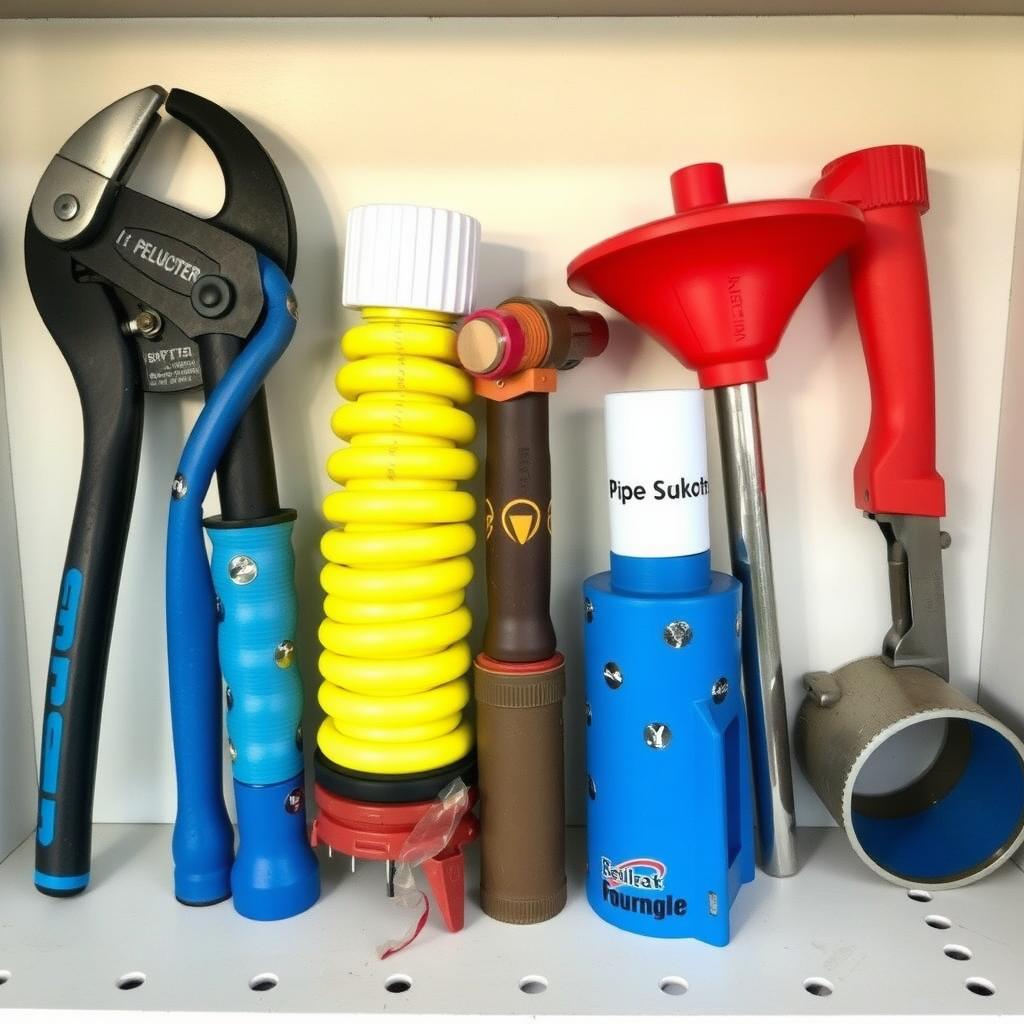
Beyond wrenches, you need a few more tools for vehicle repairs. Here’s a list of essentials:
- Socket set: Speeds up bolt work with different sizes.
- Screwdrivers: Flathead and Phillips types for screws.
- Pliers: Grips small parts or cuts wires.
- Hammer: Taps stuck pieces loose.
- Jack and jack stands: Lifts and holds the car safely.
- Oil filter wrench: Removes oil filters without a mess.
- Funnel: Keeps fluid pours clean.
- Work light: Lights up dark areas.
Having these tools on hand will prepare you for a wide range of vehicle repair tasks.
Safety Tips for DIY Auto Repair
Safety comes first when you’re fixing a vehicle. Follow these safety tips for DIY auto repair to stay protected:
- Wear gloves and safety glasses: They shield your hands and eyes from cuts or debris.
- Use jack stands: A jack alone isn’t enough—jack stands keep the car steady.
- Work in open air: Fumes from fluids need space to escape.
- Turn off the battery: Unhook it before touching wires to avoid shocks.
- Check the manual: It tells you the right steps and settings.
These steps lower risks and make repairs smoother. For more safety info, check guidelines from OSHA.
Tool Maintenance and Care
Taking care of your tools keeps them working well. After using them, wipe off dirt or grease with a cloth. Store them in a dry spot to stop rust—dampness is a tool’s enemy. Check them now and then for wear, like cracks in a wrench handle. Replace anything damaged so it doesn’t fail mid-job.
Clean tools last longer and perform better. A little effort here saves money later.
Organizing Your Toolbox
A neat toolbox saves time. Use foam inserts or small trays to keep tools apart and easy to grab. For example, put all your wrenches in one spot and sockets in another. This stops them from banging together and getting scratched up.
Label sections if you’ve got lots of tools. You’ll find what you need fast and get back to work.
Personal Insights and Experiences
I learned the hard way how much tools matter. Once, I tried swapping out a car battery with a cheap wrench. The bolt wouldn’t budge, and I ended up rounding it off—total headache. After that, I got a solid socket set, and it was a game-changer. The right top workman tools for vehicle repairs turned a struggle into a quick fix.
Another lesson I learned was the importance of using a torque wrench. Early on, I overtightened a bolt on my engine, which led to a stripped thread and a costly repair. Now, I always use a torque wrench for critical components to ensure everything is tightened just right.
[Image: A workbench with a torque wrench, socket set, and gloves, ready for a repair job. Alt text: Essential tools laid out for vehicle maintenance.]
Summary
In conclusion, equipping yourself with the top workman tools for vehicle repairs not only makes the job easier but also ensures that you can perform maintenance tasks safely and effectively. From wrenches and torque wrenches to safety gear and proper tool maintenance, being prepared is key to successful DIY auto repair. Remember to always prioritize safety and invest in quality tools that will last.
Related Top Workman Tools for Vehicle Repairs:
- Essential Safety Gear for DIY Auto Repair: Your Complete Guide to Staying Safe
- Black & Decker’s Legacy in Tool Innovation
- Tool Maintenance 101: Keeping Your Tools in Top Shape
- Essential Construction Tools for Masonry Work
- Essential Tools for Every Craftsman
- Essential Safety Tips for Workman Tools
- What’s Next for Cordless Technology
- Workman Tools for Beginners
- The Ultimate Guide to Plumbing Tools
- The Science Behind Ergonomic Design
- Stay Safe: Power Tool Basics
- Ergonomic Power Drills for Reduced Fatigue