Plumbing can be a daunting task, especially for those new to the field. However, with the right workman tools, even complex projects become manageable. A well-equipped toolbox is the foundation of any successful plumbing endeavor.
While there are numerous tools available, some are indispensable. These include:
- Pipe Wrench: A must-have for gripping and turning pipes.
- Adjustable Wrench: Versatile for various nut and bolt sizes.
- Basin Wrench: Ideal for tight spaces under sinks.
- Pipe Cutter: Ensures clean, precise cuts.
- Plunger: Essential for clearing clogs.
- Drain Snake: For more stubborn blockages.
- Teflon Tape: Prevents leaks in threaded connections.
- Pipe Threader: Creates threads for pipe connections.
- Hole Saw: Cuts perfect holes in pipes.
- Pipe Bender: Forms pipes into needed angles.
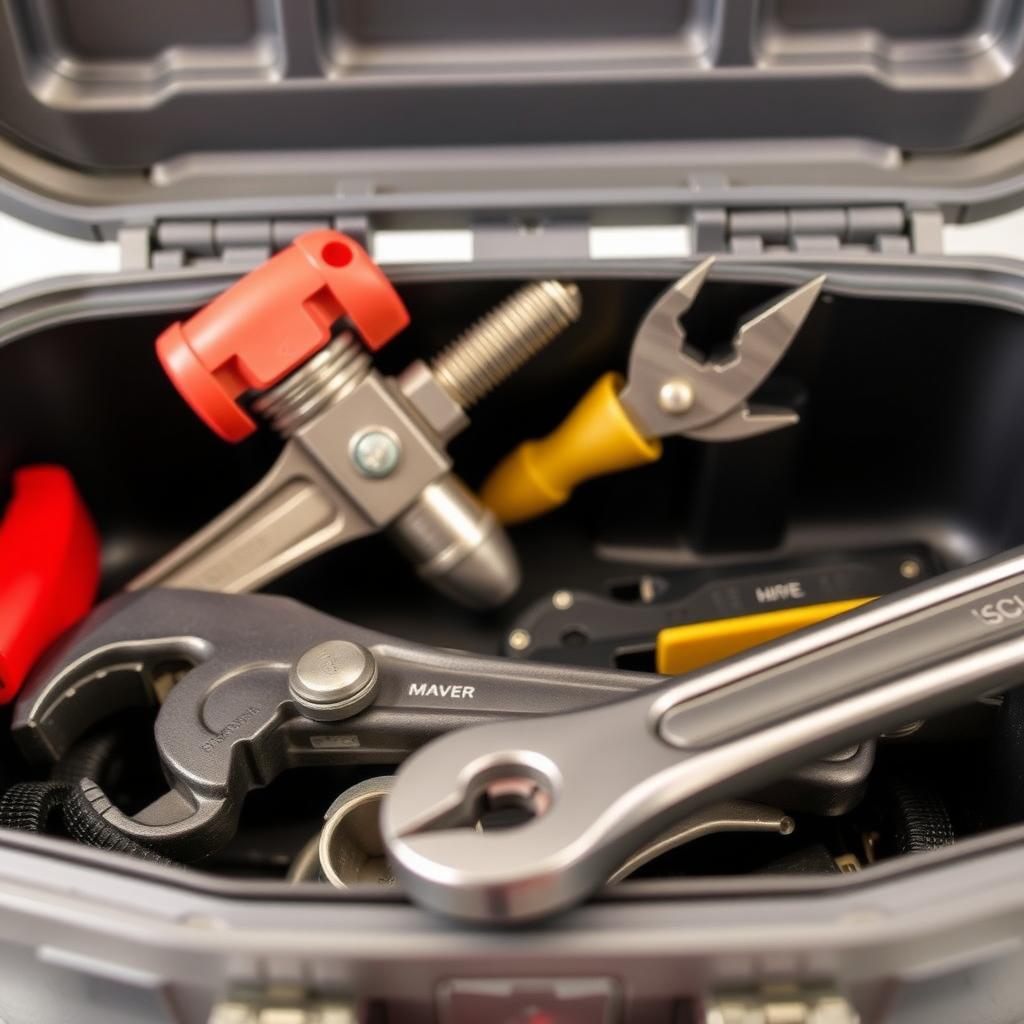
Wrenches are the backbone of plumbing tools. They come in various types, each designed for specific tasks. The pipe wrench, for instance, is perfect for gripping and turning pipes, while the adjustable wrench is versatile for different sizes of nuts and bolts. The basin wrench, with its unique design, allows access to tight spaces under sinks. Understanding the purpose of each wrench type is key to efficient plumbing work.
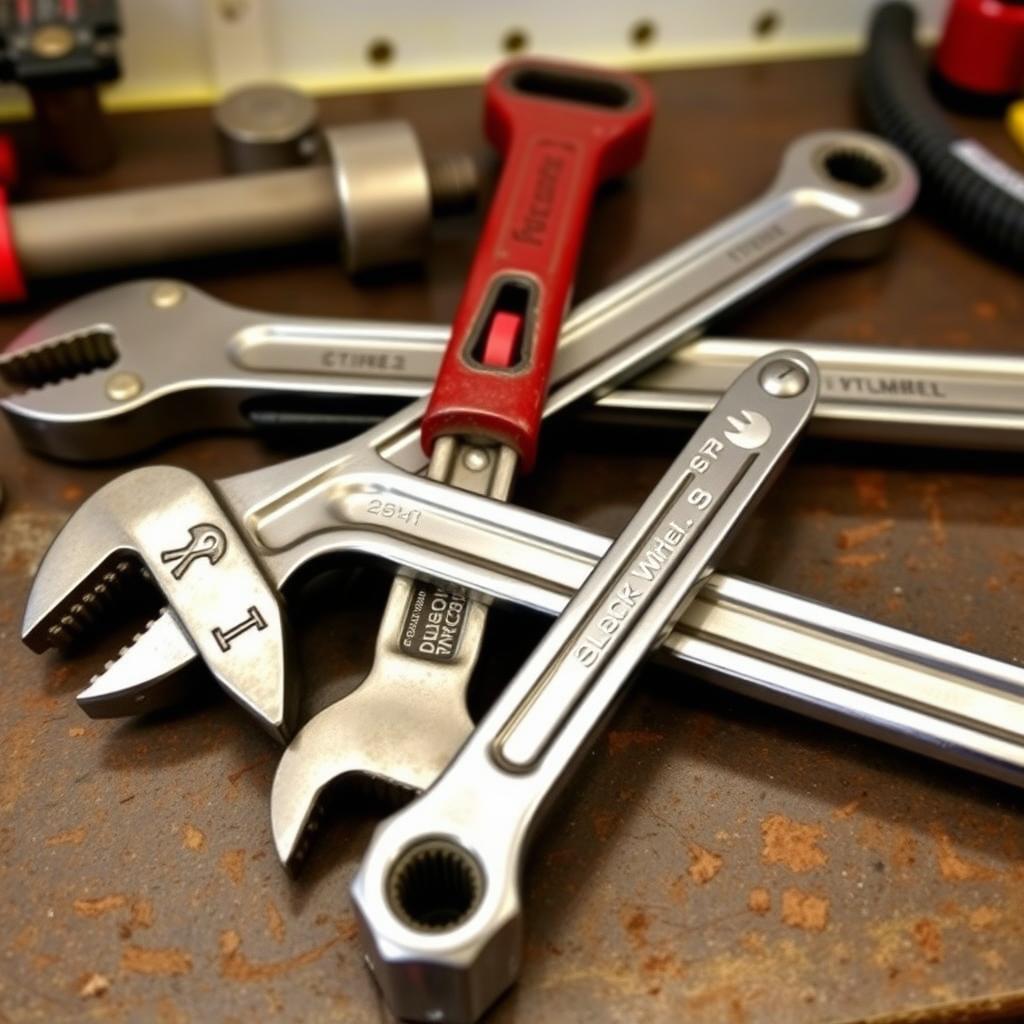
While wrenches are vital, other workman tools are equally important. Pipe cutters, for example, ensure clean cuts, preventing leaks and ensuring a professional finish. Plungers and drain snakes are essential for clearing clogs, a common plumbing issue. Teflon tape is a simple yet effective tool for sealing threaded connections, preventing leaks. Pipe threaders and hole saws are necessary for more advanced plumbing projects, allowing for custom pipe configurations.
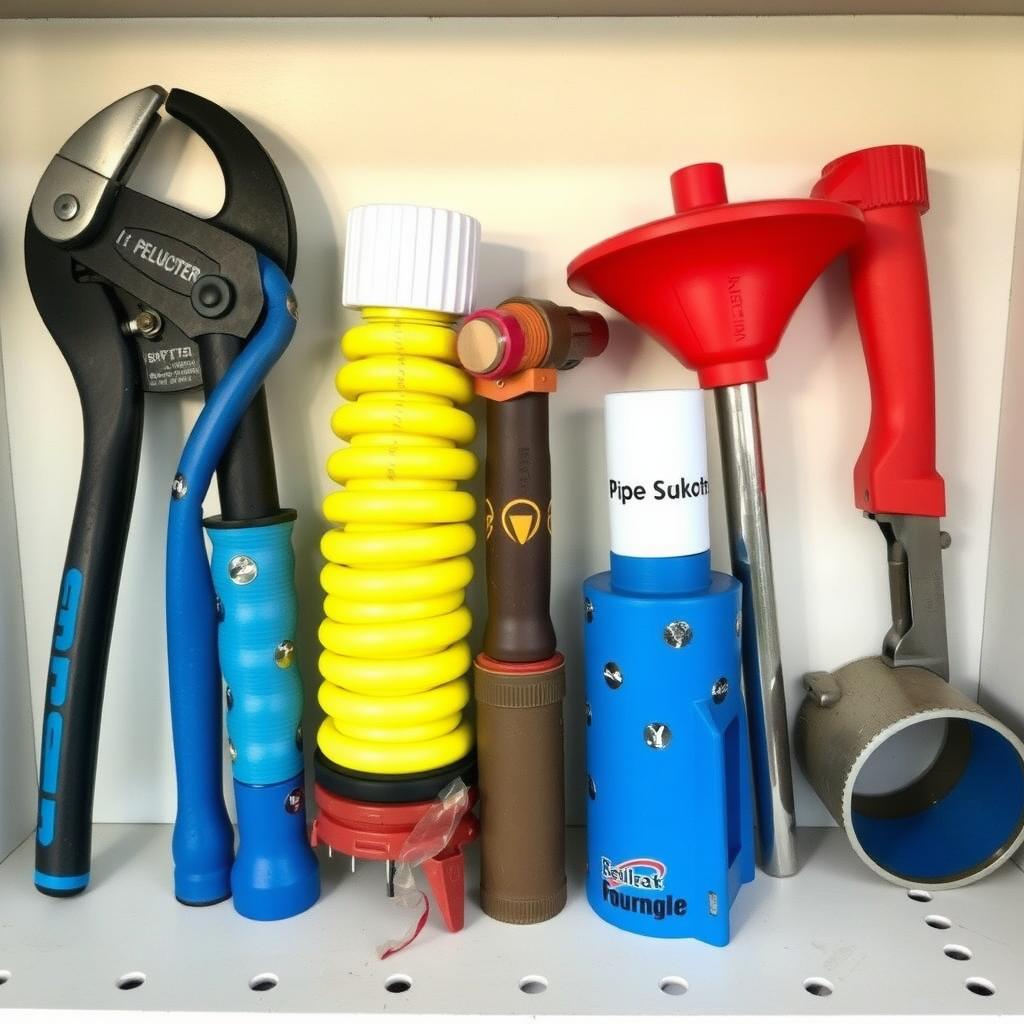
Investing in high-quality workman tools is crucial for both professionals and DIY enthusiasts. Quality tools not only last longer but also perform better, making your plumbing projects more efficient and less frustrating. Look for tools made from durable materials, with comfortable grips and precise mechanisms. While they may be more expensive upfront, they save money in the long run by reducing the need for replacements and repairs.
| Feature | High-Quality Tools | Low-Quality Tools |
|---|---|---|
| Material | Durable metals, high-grade plastics | Cheap metals, low-grade plastics |
| Grip | Ergonomic, comfortable | Basic, uncomfortable |
| Precision | High, accurate | Low, inconsistent |
| Longevity | Long-lasting | Short-lived |
| Price | Higher upfront cost | Lower upfront cost |
Safety should always be a top priority when working with plumbing tools. Wear appropriate protective gear, such as gloves and safety glasses, to prevent injuries. Be mindful of sharp edges on tools like pipe cutters and hacksaws. When using power tools, follow the manufacturer's instructions and ensure proper grounding. Always turn off the water supply before starting any plumbing project to avoid unexpected leaks or flooding.

Proper maintenance extends the life of your tools and ensures they perform optimally. Clean your tools after each use, removing any debris or moisture that could cause rust or corrosion. Store them in a dry, organized toolbox or cabinet to prevent damage. Regularly inspect your tools for signs of wear or damage, and replace them as needed. Lubricate moving parts, such as the jaws of wrenches, to keep them functioning smoothly.
- Clean tools after each use
- Store in a dry, organized space
- Inspect regularly for wear or damage
- Lubricate moving parts
- Replace worn or damaged tools promptly
Advancements in technology have led to the development of innovative plumbing tools. For example, inspection cameras allow plumbers to visually inspect pipes for blockages or damage without invasive procedures. Wireless tools, such as battery-powered pipe cutters, offer increased mobility and convenience. Smart tools, like digital pressure gauges, provide accurate readings and data logging capabilities. Embracing these technological advancements can enhance your plumbing capabilities and efficiency.
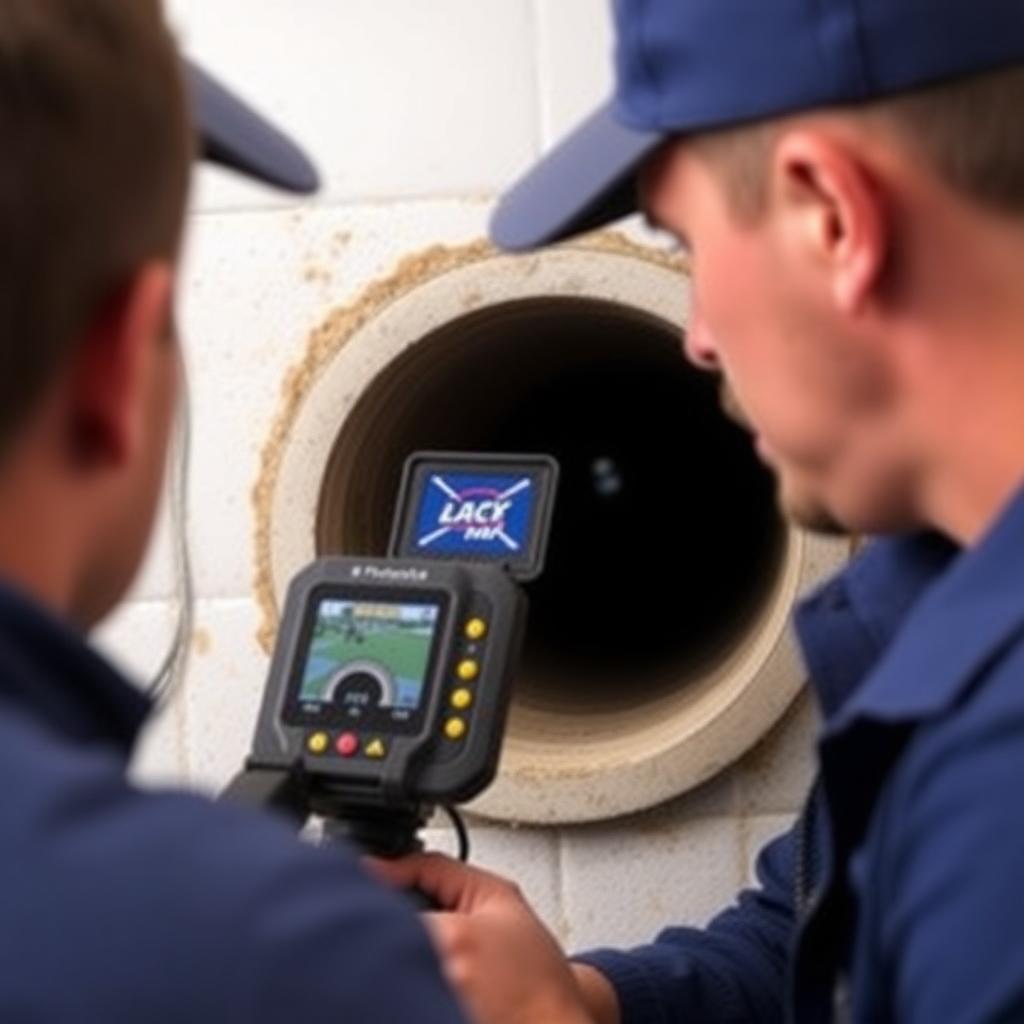
Different plumbing projects require different tools. For instance, installing a new sink may require a basin wrench, pipe cutter, and Teflon tape, while clearing a clogged drain might only need a plunger or drain snake. Before starting any project, assess the tools you'll need and ensure you have them on hand. This preparation saves time and prevents frustration during the project.
| Project | Essential Tools |
|---|---|
| Installing a sink | Basin wrench, pipe cutter, Teflon tape |
| Clearing a clog | Plunger, drain snake |
| Replacing a faucet | Adjustable wrench, basin wrench |
| Cutting pipes | Pipe cutter, hacksaw |
| Threading pipes | Pipe threader |
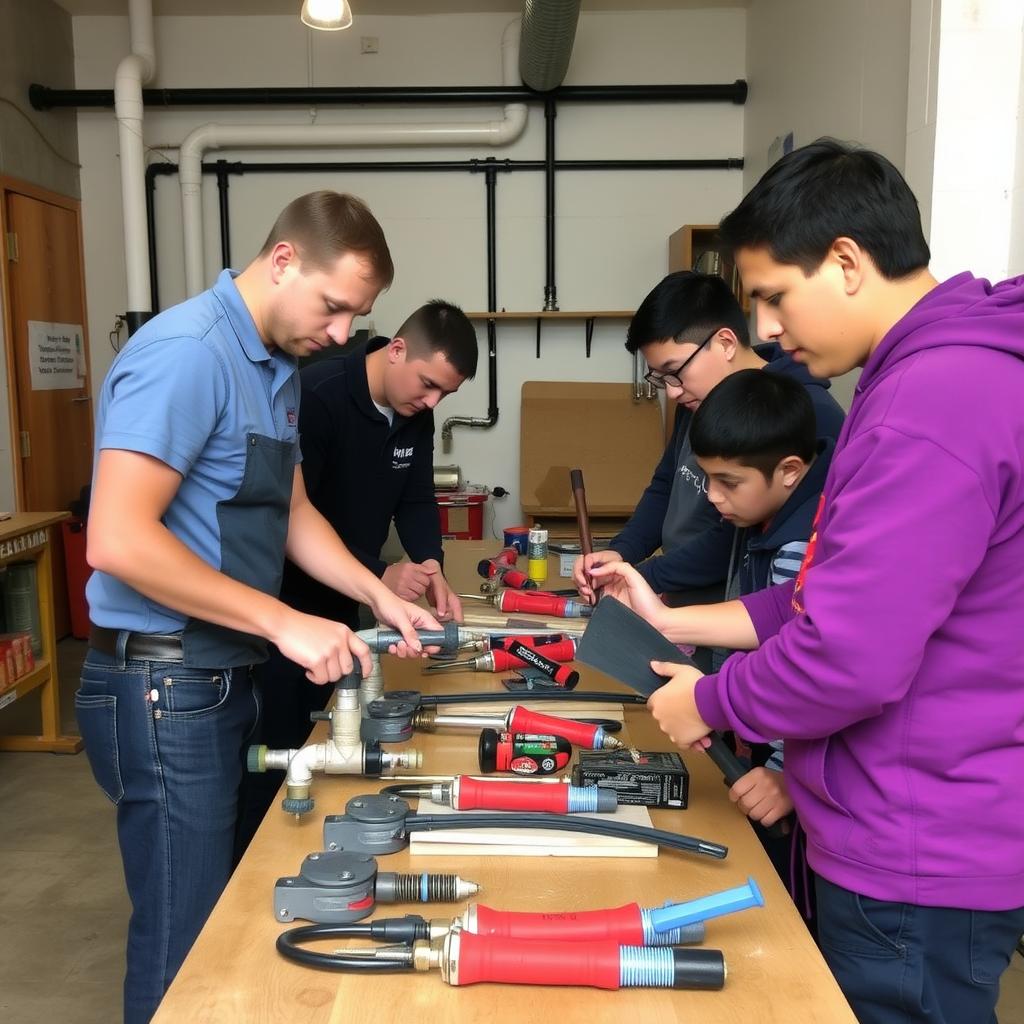
While having the right tools is essential, knowing how to use them correctly is equally important. Invest time in learning proper techniques for each tool. Many manufacturers offer instructional videos or manuals that can be invaluable resources. Additionally, consider taking a plumbing course or workshop to gain hands-on experience under the guidance of professionals. This education not only improves your skills but also enhances safety and efficiency.
Sustainability is an important consideration in modern plumbing. Choose tools made from eco-friendly materials when possible. Opt for rechargeable batteries in power tools to reduce waste. Additionally, practice water conservation by fixing leaks promptly and using water-efficient fixtures. By making environmentally conscious choices, you contribute to a healthier planet while maintaining efficient plumbing systems.
- Choose tools made from sustainable materials
- Use rechargeable batteries in power tools
- Fix leaks promptly to conserve water
- Install water-efficient fixtures
- Recycle old tools and materials responsibly
The plumbing industry is constantly evolving, with new tools and technologies emerging regularly. Stay informed about the latest advancements by subscribing to industry publications, attending trade shows, or joining professional organizations. Embracing innovation ensures you remain competitive and capable of handling the most challenging plumbing projects.
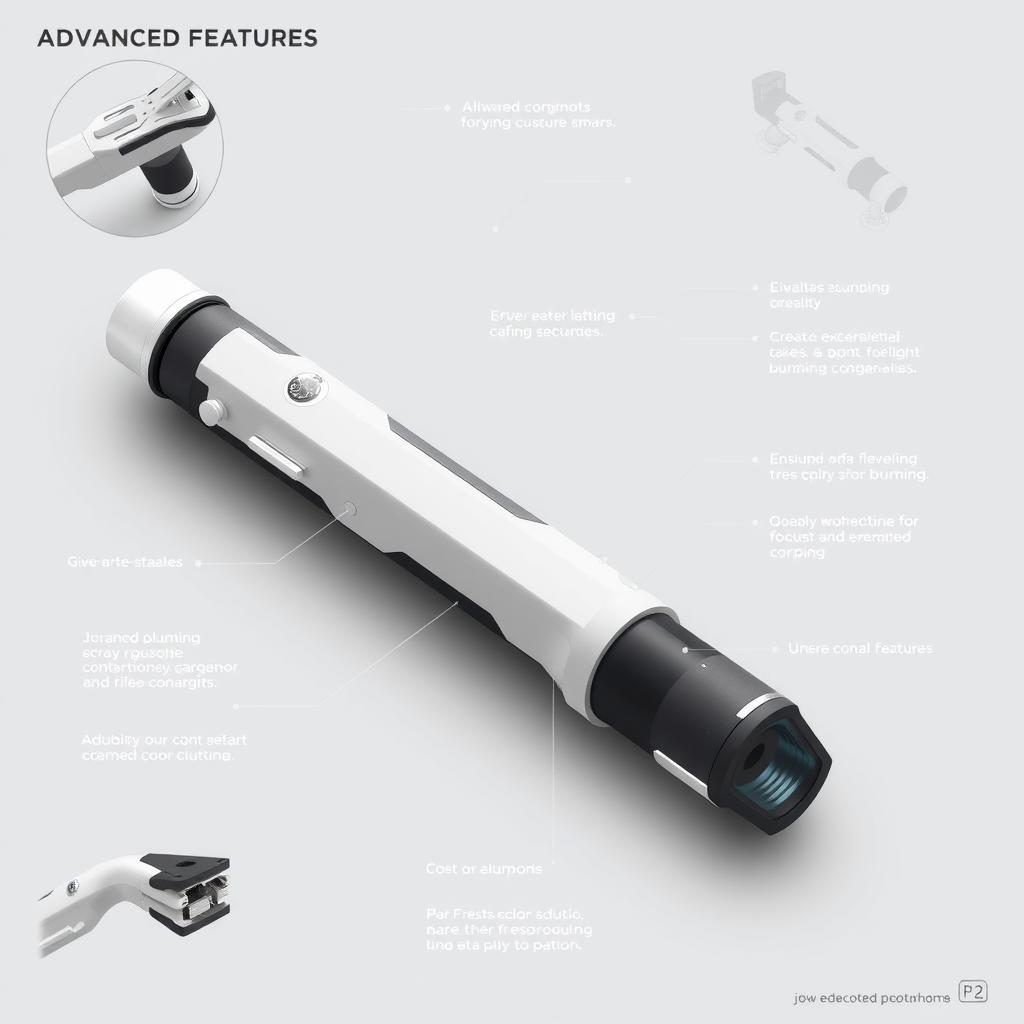
In conclusion, having the right plumbing tools is essential for both professionals and DIY enthusiasts. From wrenches to pipe cutters, each tool serves a specific purpose in ensuring efficient and effective plumbing work. Invest in quality tools, prioritize safety, and stay informed about technological advancements to excel in your plumbing projects.
Related The Ultimate Guide to Plumbing Tools - Plumbing Supply:
- The Science Behind Ergonomic Design
- Stay Safe: Power Tool Basics
- Ergonomic Power Drills for Reduced Fatigue
- Choosing the Right Saw for Your Project
- Top Plumber Tool Sets for Home Repairs
- Choosing the Right Power Tools for Your Project
- Comprehensive Hand Tools Safety Guidelines
- Maximizing Efficiency: Organizing Your Work Space
- Types of Torque Wrenches: A Comprehensive Guide
- Choosing the Right Multimeter
- Innovative Workman Tools for Efficiency
- How Battery Tech Powers Today’s Tools