Introduction to Hand Tools and Safety
Hand tools are manually operated tools that don’t require power sources like electricity or batteries. Common examples include hammers, screwdrivers, wrenches, pliers, and saws. While these tools might seem simple, improper use can lead to serious injuries. According to the National Institute for Occupational Safety and Health (NIOSH), hand tool injuries are a common cause of workplace accidents, resulting in thousands of emergency room visits each year. Safety is crucial when using hand tools. Whether you’re a professional tradesperson or a DIY enthusiast, following proper hand tools safety guidelines can prevent accidents and ensure your work is both efficient and injury-free.
2. Inspect Tools Before Use
Before starting any task, check your tools for damage such as cracks, chips, or worn-out parts. Damaged tools can fail during use, leading to injuries. According to the Occupational Safety and Health Administration (OSHA), employers are responsible for ensuring tools are in good condition, but individuals should also take personal responsibility for inspecting their tools.
Tip: If a tool is damaged, repair it or replace it immediately. Never use a faulty tool.
4. Store Tools Properly
Proper storage prevents rust, damage, and accidents. Tools should be kept in a clean, dry place and organized for easy access. Sharp tools like chisels and knives should have protective covers to prevent accidental cuts.
Tip: Use toolboxes, pegboards, or drawers to keep tools organized and out of reach of children.
5. Wear Appropriate Personal Protective Equipment (PPE)
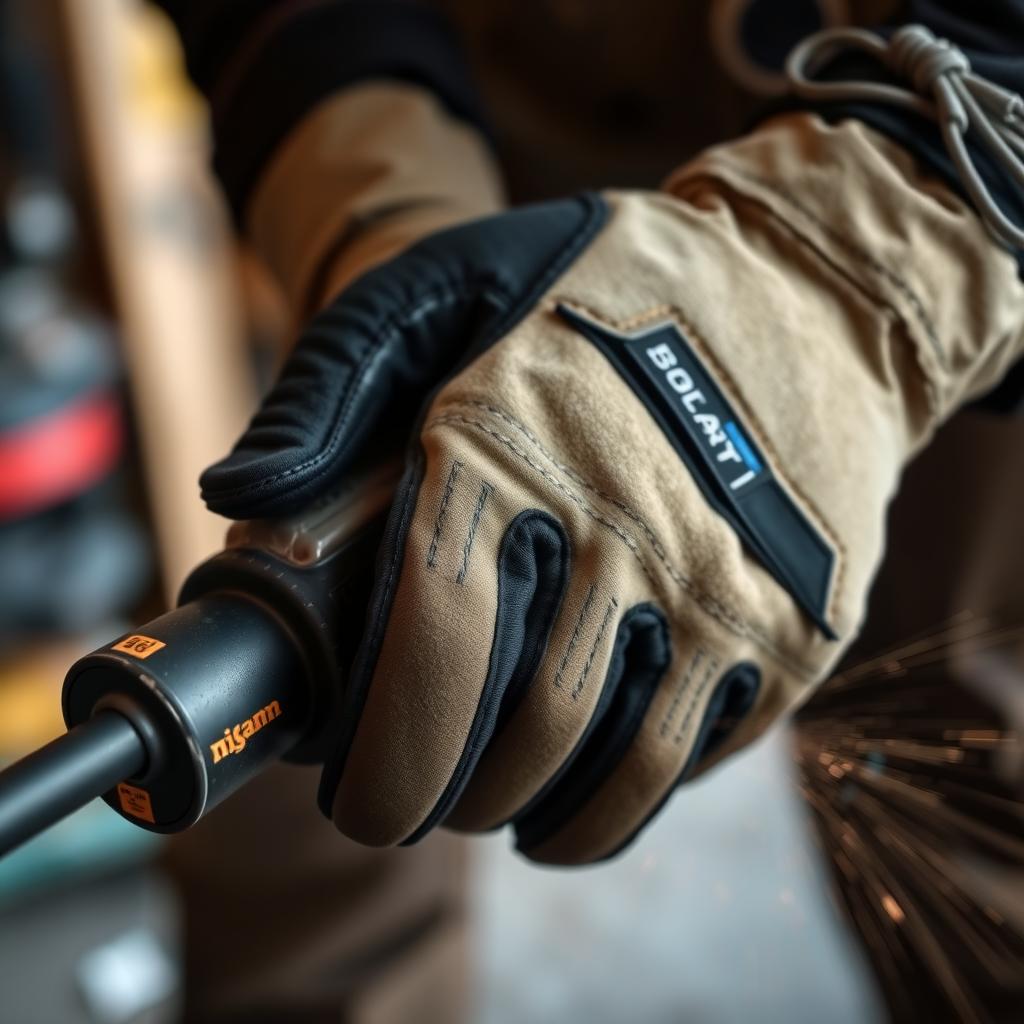
When using hand tools, always wear the right PPE to protect yourself. Safety glasses shield your eyes from flying debris, gloves provide grip and protect your hands, and sturdy footwear prevents injuries. According to the Centers for Disease Control and Prevention (CDC), wearing proper PPE can significantly reduce the risk of injuries.
Tip: Choose PPE that fits well and is suitable for the task. For example, use cut-resistant gloves when handling sharp tools.
6. Maintain a Clean and Organized Workspace
A cluttered workspace can lead to tripping hazards and make it difficult to work safely. Keep your area tidy by storing tools properly and removing unnecessary items.
Personal Insight: I once tripped over a tool left on the floor and nearly fell into my workbench. It was a close call that taught me the importance of keeping the workspace clean.
Tip: Take a few minutes at the end of each workday to tidy up and put tools back in their designated spots.
8. Focus on Ergonomics
Using tools in a way that minimizes strain on your body can prevent repetitive stress injuries. For example, when using a screwdriver, choose one with a comfortable grip and apply force without straining your wrist. The Human Factors and Ergonomics Society emphasizes the importance of ergonomics in preventing musculoskeletal disorders when using hand tools.
Tip: Take regular breaks to avoid fatigue, and use tools designed for comfort and ease of use.
10. Have First Aid Available
Accidents can happen even with the best precautions, so it’s important to have a first aid kit nearby. A basic kit should include bandages, antiseptic wipes, gauze, and other essentials.
According to the American Red Cross, prompt first aid can minimize the severity of injuries.
Tip: Learn basic first aid techniques, such as how to treat cuts and bruises, so you’re prepared in case of an emergency.
11. Report Accidents and Near Misses
Reporting accidents and near misses helps identify hazards and prevent future incidents. In many workplaces, there are procedures for reporting, and individuals should be familiar with them. The National Safety Council emphasizes that incident reporting is key to improving workplace safety.
Tip: Even if an accident doesn’t result in injury, report it so steps can be taken to prevent it from happening again.
Table: Hand Tools Safety Tips
| Tool | Use | Safety Tip |
|---|---|---|
| Hammer | Driving nails | Use a hammer with a comfortable grip and strike squarely. |
| Screwdriver | Turning screws | Choose the correct size and type for the screw. |
| Wrench | Tightening/loosening bolts | Use the right size wrench and apply force away from your body. |
| Pliers | Gripping, bending, cutting | Use pliers with insulated handles for electrical work. |
| Saw | Cutting materials | Keep the blade sharp and use a saw with a comfortable handle. |
This table provides a quick reference for safe tool use.
Recommended Readings
For more information on hand tools safety, explore these related articles:
- Advanced Hand Tools Safety Techniques
- Ergonomics in Hand Tool Use
- First Aid for Common Workshop Injuries
- Choosing the Right Hand Tool for the Job
- Maintaining and Inspecting Hand Tools
Hand Tools Safety Guidelines: A Complete Guide for Safe and Efficient Use
Overview:
Hand tools are essential for many tasks, but they can also be dangerous if not used properly. This article provides comprehensive hand tools safety guidelines to help you work safely and efficiently with workman tools, ensuring you can complete your projects while avoiding injuries.
Key Safety Guidelines for Using Hand Tools
1. Pick the Right Tool
Using the wrong tool can cause accidents or break the tool. For example, using a screwdriver to pry something open might bend it or hurt you.
My Experience: I once used a too-small wrench on a stuck bolt. It slipped, and I scraped my knuckles bad. Now, I always pick the right size.
Tip: Match the tool to the task. Check the manual if you’re not sure.
3. Use Tools the Right Way
Follow the instructions that come with the tool. Only use it for what it’s made for. When swinging a hammer, hold it tight and hit the nail straight on. Hitting at an angle might make it bounce off and hit you.
Tip: Practice with new tools on scrap stuff first.
Image Paragraph:
A tidy workbench with tools neatly arranged in a toolbox and on pegboards, showing how to store them right. The toolbox is shut, and the pegboards have spots marked for each tool so you can tell if one’s missing.
Alt text: Organized tool storage for safety.
Image Paragraph:
A worker wearing safety glasses, gloves, and solid boots while tightening a bolt with a wrench. The worker’s focused, and the area’s clean with no mess around.
Alt text: Worker with safety gear using hand tool.
7. Learn How to Use Tools
Training helps you use tools safely. A study from the University of Michigan found that good training can cut hand tool injuries in half.
Tip: Take a class or watch online videos if you’re new. Read the tool’s safety info too.
9. Stay Focused
Don’t let your mind wander when using tools. Distractions can lead to mistakes, especially with sharp or heavy stuff.
My Experience: I was sawing once and got distracted. I almost cut myself. Now, I stay sharp every second.
Tip: Turn off your phone and focus. Step away if you’re losing concentration.
Image Paragraph:
A first aid kit on a workshop wall, ready for emergencies. It’s got bandages, antiseptic wipes, gauze, and more, all easy to reach.
Alt text: First aid kit in workshop.
Common Hand Tools and What They Do
Here’s a quick list of hand tools and their uses:
- Hammer: Drives nails or breaks things.
- Screwdriver: Turns screws.
- Wrench: Tightens or loosens bolts.
- Pliers: Grips, bends, or cuts.
- Saw: Cuts wood or other stuff.
Using the right tool keeps you safe and gets the job done.
Summary
Following hand tools safety guidelines keeps you safe and helps you work better. Pick the right tool, check it first, use it properly, store it well, wear safety gear, keep your space clean, learn how to use it, think about comfort, stay focused, have first aid ready, and report problems. With these steps, workman tools won’t cause you trouble.
This guide gives you everything you need to use hand tools safely. Stick to these tips, and you’ll finish your projects without worry or injury. Stay safe out there!
Related hand tools safety guidelines:
- Mastering Ergonomics in Hand Tool Use: Safety and Comfort for Workers
- Advanced Hand Tools Safety Techniques: Your Ultimate Guide to Safer Work
- Maximizing Efficiency: Organizing Your Work Space
- Types of Torque Wrenches: A Comprehensive Guide
- Choosing the Right Multimeter
- Innovative Workman Tools for Efficiency
- How Battery Tech Powers Today’s Tools
- Beginner's Guide to DIY Home Repairs
- How to Choose the Right Safety Gear for Your Job
- The Essential Guide to Workman Tools for Plumbing and Maintenance
- Productivity Hacks for Mechanics and Tradespeople
- Essential Skills for the Future Workforce