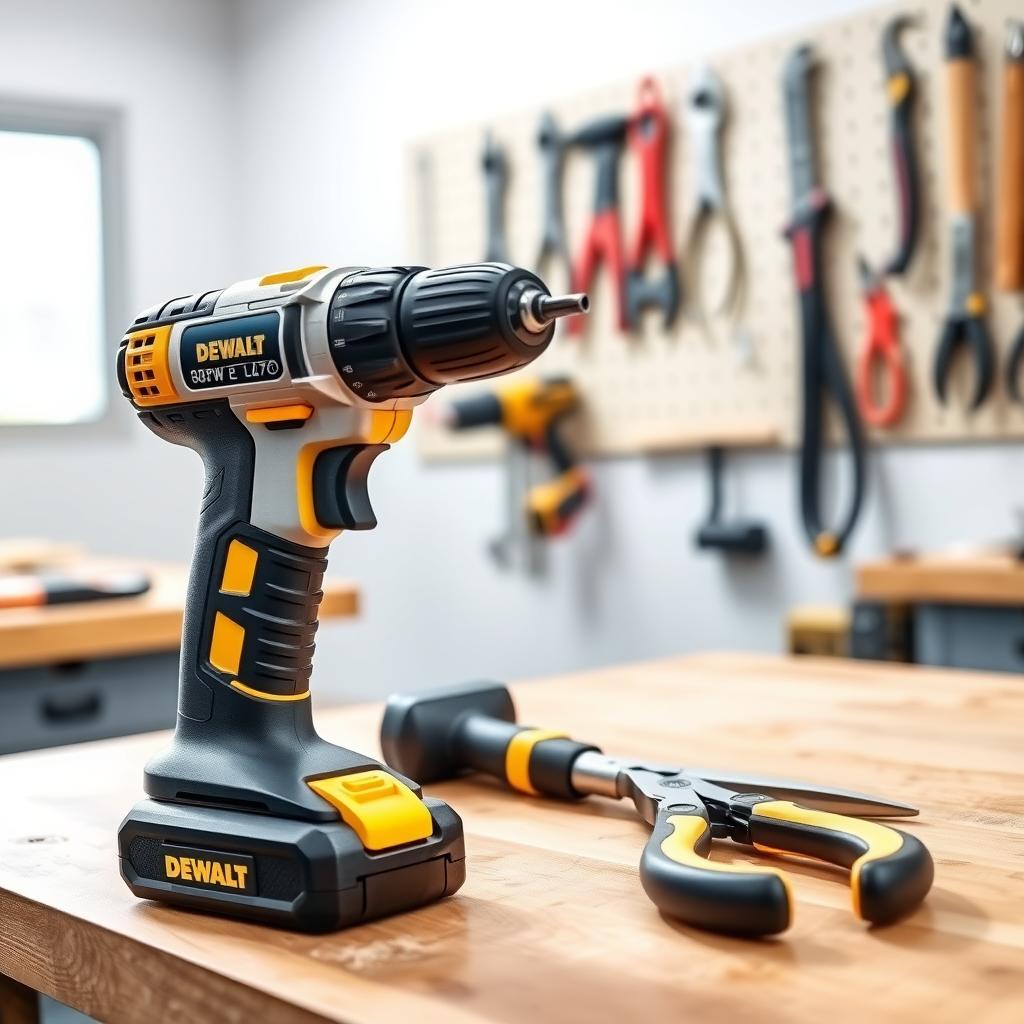
Overview: Why Ergonomics in Hand Tool Use Matters
Using hand tools might seem straightforward, but poor design or improper use can lead to discomfort, fatigue, or even serious injuries. Ergonomics in hand tool use focuses on designing and using workman tools to fit the user’s body, reducing strain and boosting efficiency. This article explores practical hand tools safety guidelines, ergonomic principles, and real-world insights to help workers stay safe and comfortable.
Understanding Ergonomics in Hand Tool Use
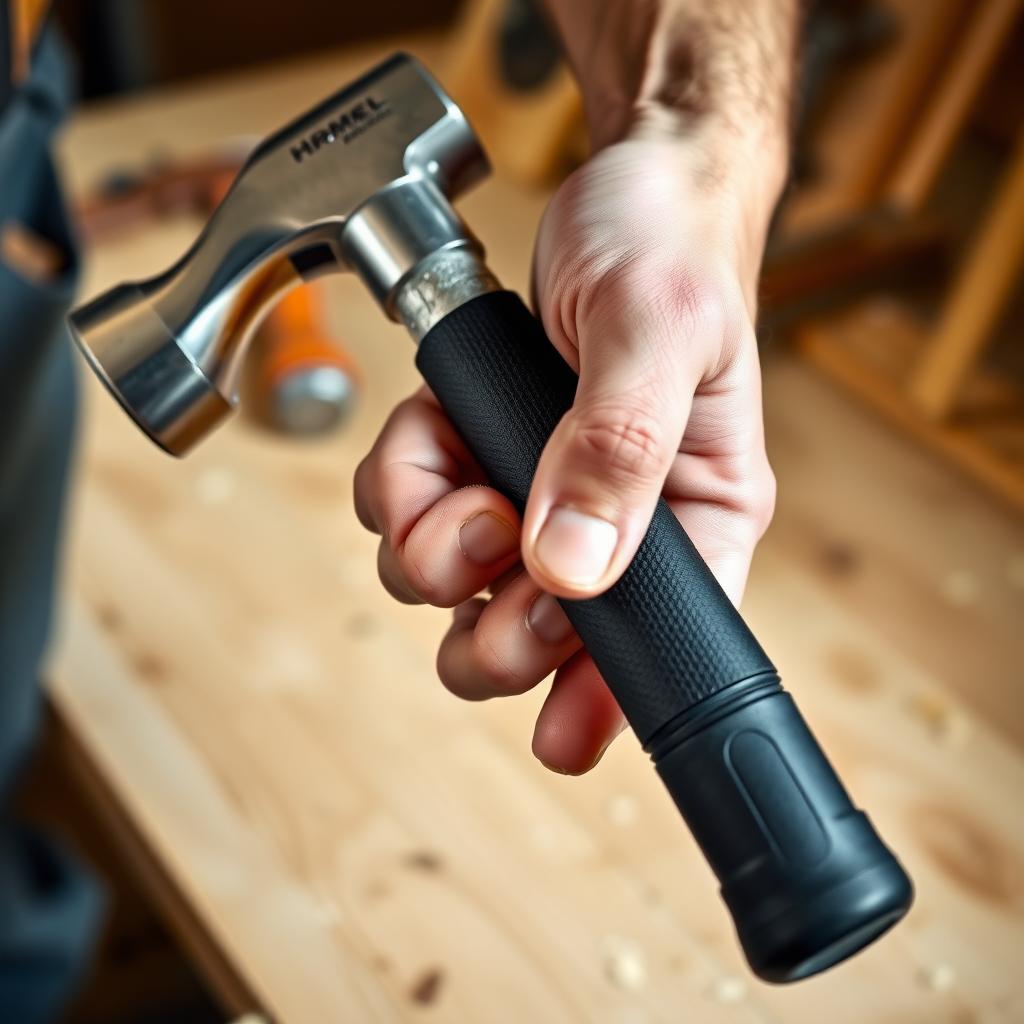
Ergonomics is about making tools and tasks fit the worker, not the other way around. When it comes to hand tools, this means designing handles, weights, and grips that reduce stress on muscles, joints, and tendons. Poorly designed tools or incorrect usage can cause work-related musculoskeletal disorders (WMSDs), like carpal tunnel syndrome or tendonitis. For example, using a heavy hammer with a slick handle for hours can strain your wrist and lead to long-term pain.
I’ve seen this firsthand in my uncle’s carpentry shop. He used to grip a poorly designed screwdriver so tightly that his hand cramped after a few hours. Switching to an ergonomically designed tool with a cushioned, non-slip handle made a huge difference. His hand fatigue dropped, and he could work longer without discomfort. This small change showed me how much ergonomics can impact daily work.
Key Risks of Poor Hand Tool Design
Using non-ergonomic hand tools can lead to several risks. According to the Occupational Safety and Health Administration (OSHA), work-related MSDs are among the top causes of lost work time. Common issues include:
- Awkward Postures: Bending the wrist unnaturally while using a wrench can strain tendons.
- Excessive Force: Gripping a tool too tightly increases muscle fatigue.
- Repetitive Motions: Repeatedly twisting a screwdriver can lead to conditions like trigger finger.
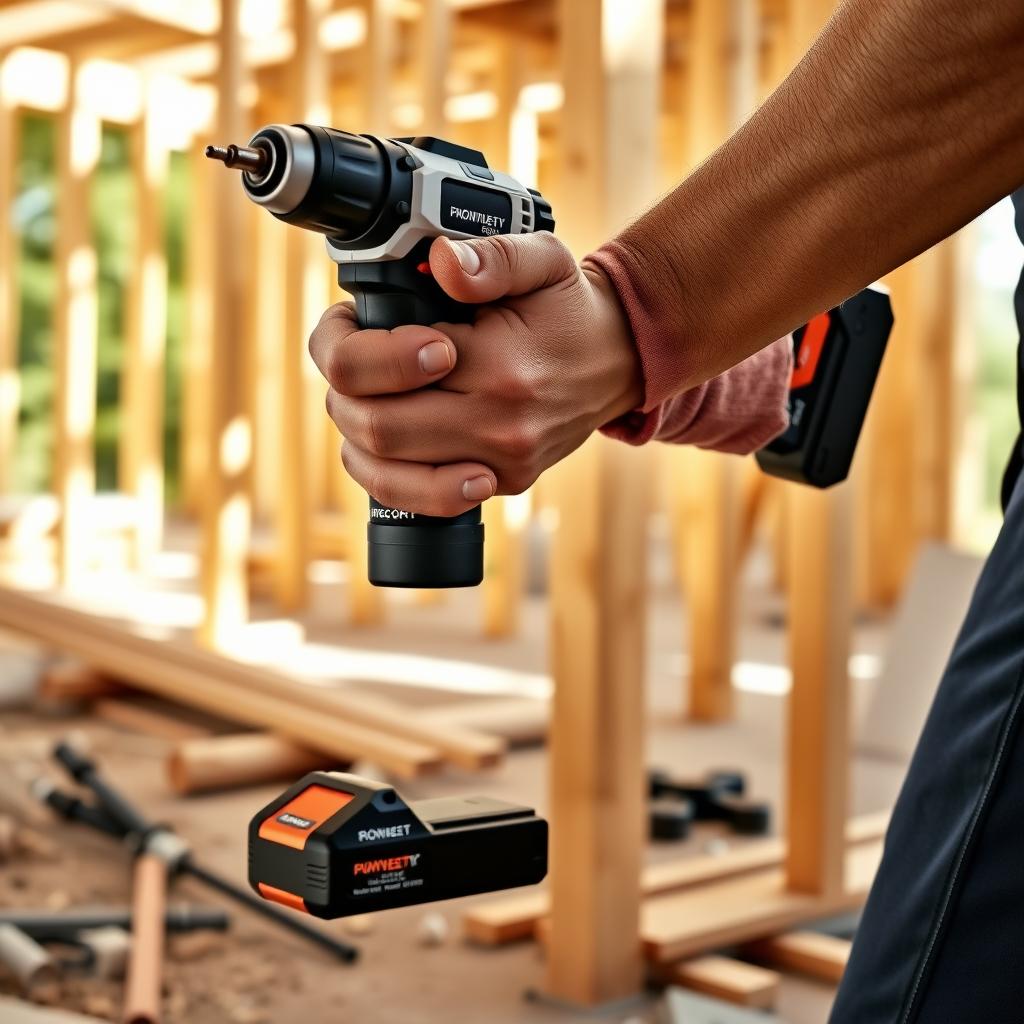
- Vibration: Power tools like drills can cause hand-arm vibration syndrome if used for long periods.
A 2004 study by the Canadian Centre for Occupational Health and Safety (CCOHS) found that poorly designed tools can increase the effort needed by up to ten times, making injuries more likely. These risks aren’t just for heavy-duty workers like carpenters or mechanics—office workers using staple guns or retail staff using box cutters face similar challenges.
Hand Tools Safety Guidelines to Follow
To minimize risks, follow these practical hand tools safety guidelines:
1. Choose the Right Tool: Match the tool to the task. For example, use a power drill for repetitive screw-driving instead of a manual screwdriver.
2. Maintain Tools: Keep blades sharp and handles intact. Dull tools require more force, increasing strain.
3. Use Proper Grip: Hold tools firmly but not too tightly to avoid muscle fatigue.
4. Take Breaks: Rest every 20-30 minutes to reduce repetitive strain.
5. Switch Hands: If possible, alternate hands to distribute workload evenly.
6. Check Posture: Keep wrists straight and work at waist-to-chest height to avoid awkward postures.
These guidelines aren’t just theory. In my uncle’s shop, workers started taking short breaks and using lighter, ergonomic tools. Over a few months, complaints about wrist pain dropped significantly. It’s proof that small changes can make a big difference.
Ergonomic Design Principles for Workman Tools
Designing ergonomic workman tools involves balancing functionality with user comfort. Here are key principles based on research from sources like the National Institute for Occupational Safety and Health (NIOSH):
- Handle Shape: Oval or cylindrical handles (1.25-2 inches for power grips, 0.3-0.6 inches for precision grips) reduce pressure points.
- Weight: Tools should weigh no more than 3 pounds for one-handed use or 5 pounds for tasks above shoulder height.
- Grip Material: Non-slip, cushioned materials like textured rubber improve grip and reduce effort.
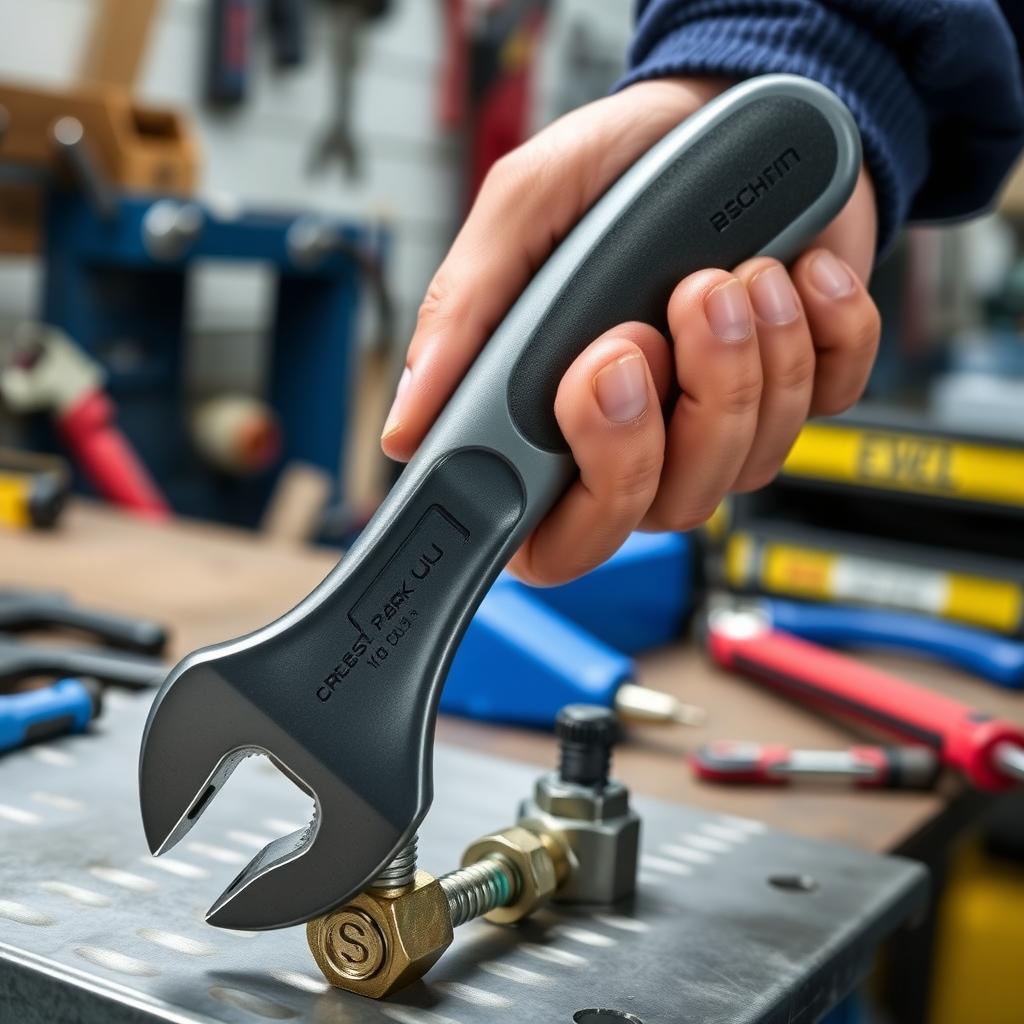
- Bend the Tool, Not the Wrist: Angled handles align with natural wrist positions to minimize strain.
A 2019 study on hand-woven shoemaking tools showed that redesigning handles based on anthropometric data reduced wrist deviation and discomfort significantly. This highlights how tailoring tools to the user’s body can prevent injuries.
Choosing Ergonomic Hand Tools
When selecting hand tools, ask these questions:
- Who will use it? Consider the user’s hand size and strength. Women, for example, may need smaller grips due to anthropometric differences.
- What’s the task? Tools for precision (like small screwdrivers) need different designs than those for force (like hammers).
- Where will it be used? Tools used overhead need lighter weights to reduce shoulder strain.
Look for tools with certifications or endorsements from ergonomic organizations to ensure quality.
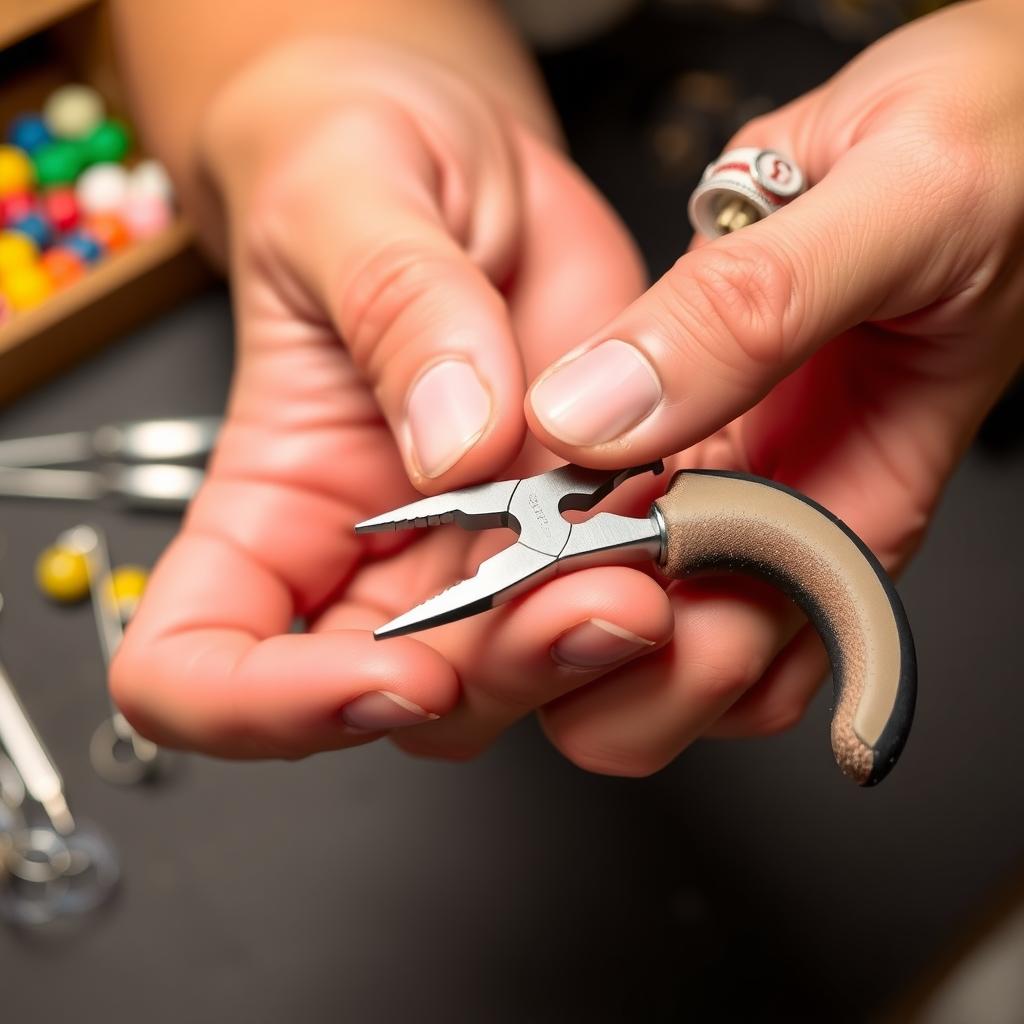
I once helped a friend pick out a new set of pliers for her jewelry-making business. She was struggling with hand cramps from using cheap, poorly designed tools. We chose a pair with cushioned, slightly bent handles that fit her small hands. Within weeks, she noticed less fatigue and could work longer without pain. It’s a reminder that the right tool can transform your work experience.
Implementing Ergonomics in the Workplace
Employers can play a big role in promoting ergonomics. Training workers on proper tool use and providing ergonomic workman tools can reduce injuries. For example, a 2003 study from ScienceDirect showed that ergonomic evaluations of hand tools improved worker comfort and productivity. Companies can also:
- Conduct ergonomic assessments to identify risky tools or tasks.
- Provide tool balancers or supports for heavy tools.
- Encourage early reporting of discomfort to catch issues before they become serious.
Table: Common Hand Tools and Ergonomic Features
| Tool | Ergonomic Feature | Benefit |
|------|------------------|---------|
| Hammer | Cushioned, oval handle | Reduces grip force and vibration |
| Screwdriver | Bent handle, non-slip grip | Minimizes wrist bending |
| Pliers | Smaller grip diameter | Improves precision and comfort |
| Power Drill | Lightweight, long trigger | Reduces trigger finger risk |
Personal Take: Why Ergonomics Is Worth It
From my experiences watching workers struggle with poorly designed tools, I’ve learned that ergonomics isn’t just about comfort—it’s about long-term health and productivity. Investing in ergonomic hand tools and following safety guidelines can save time, reduce medical costs, and make work more enjoyable. It’s a small price to pay for big benefits.
Summary: Prioritizing Ergonomics for Better Work
Ergonomics in hand tool use is critical for preventing injuries and improving efficiency. By choosing well-designed workman tools, following hand tools safety guidelines, and prioritizing user comfort, workers can stay healthy and productive. Whether you’re a carpenter, mechanic, or hobbyist, ergonomic tools make a difference.
Related Ergonomics in Hand Tool Use:
- Ergonomic Principles for Hand Tool Design: A Comprehensive Guide to Comfort, Safety, and Productivity
- Ergonomic Wrenches for Reducing Hand Strain: A Workman’s Guide
- The Impact of Smart Technology on Manual Labor: Revolutionizing Workman Tools in 2024
- Top 10 Workman Tools for Beginners: Your Essential Toolkit Guide
- The Ultimate Guide to Power Tools: Mastering Your DIY Projects
- Essential Wrenches for Automotive Repair: Your Toolkit Guide
- How Order Boosts Your Workshop Efficiency: The Ultimate Guide
- How to Choose the Right Paint for Your Project: A Comprehensive Guide
- How Ergonomics is Changing the Construction Industry
- How to Maintain and Store Wrenches for Long-Lasting Performance
- Top 10 Ergonomic Tools Every Workshop Needs for Comfort and Efficiency
- Tips for DIY Plumbing Success: Master Your Home Repairs