Overview
A cluttered workshop can slow you down, frustrate your progress, and even pose safety risks. But when you prioritize order, everything changes. This guide explores How Order Boosts Your Workshop Efficiency by diving into practical strategies for organizing tools in a small workshop. You'll learn why tool storage matters, how to implement safe and effective systems, and how to make the most of your space with workman tools. Expect actionable advice drawn from real-world experience to transform your workspace.
Why Order Matters in Your Workshop
A messy workshop isn’t just an eyesore—it’s a productivity killer. When tools are scattered, you waste time searching for what you need. Studies from the University of California show that disorganized workspaces can increase stress and reduce focus, leading to mistakes. In my own workshop, I’ve felt the frustration of digging through piles to find a single wrench. Order isn’t about being neat—it’s about working smarter.
By organizing your tools, you create a system where everything has a place. This cuts down on wasted time, boosts your focus, and makes projects more enjoyable. Plus, proper tool storage keeps your workman tools in top condition, saving you money on replacements.
Step 1: Assess Your Space and Needs
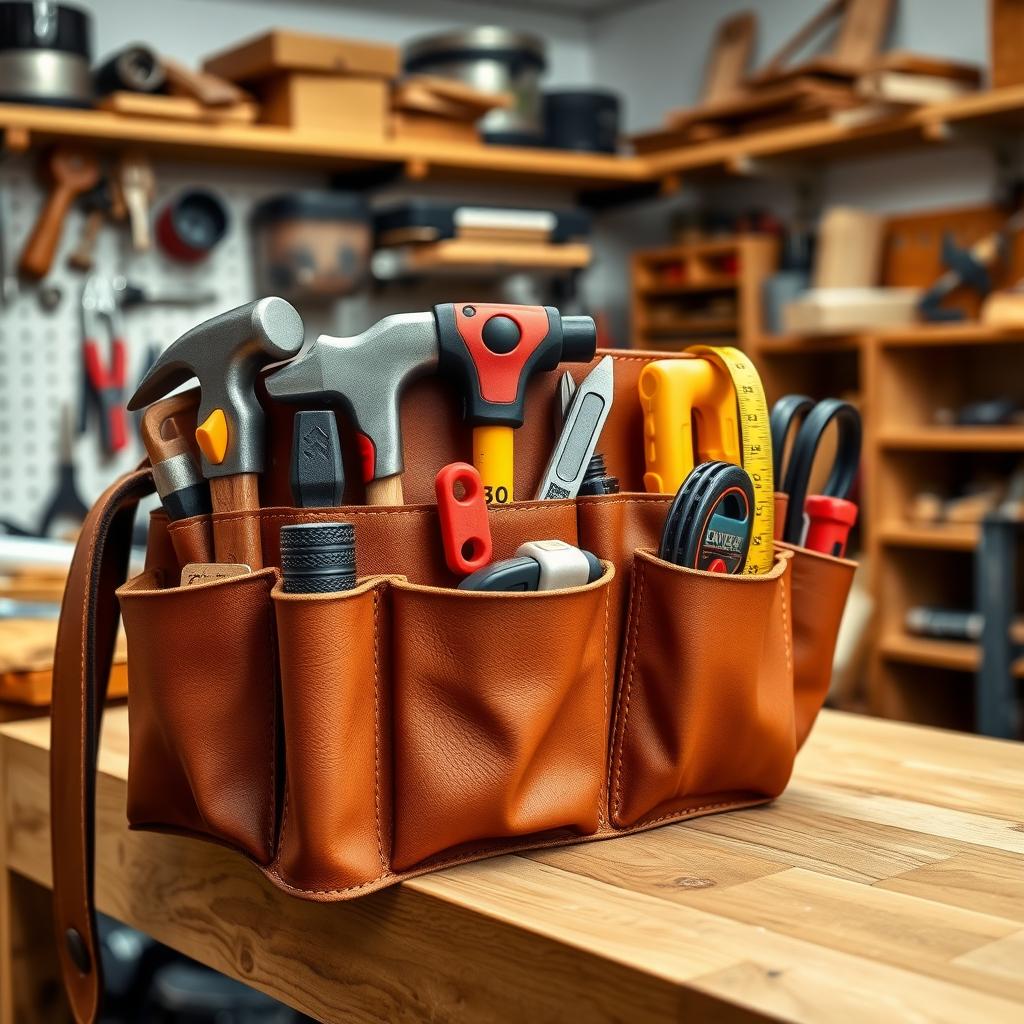
Start by evaluating your workshop. How much space do you have? What tools do you use most? In a small workshop, every inch counts. I once worked in a 10x10-foot garage, and I learned that prioritizing frequently used tools was key. Make a list of your workman tools—hammers, screwdrivers, drills—and note how often you use each.
Next, measure your space. Consider vertical storage like pegboards or shelves to maximize floor space. According to the U.S. Occupational Safety and Health Administration (OSHA), proper storage reduces workplace accidents by keeping hazards like loose tools under control. Map out where tools can go without crowding your workspace.
Step 2: Choose the Right Storage Solutions
Not all storage works for every workshop. Here are some options to consider for organizing tools in a small workshop:
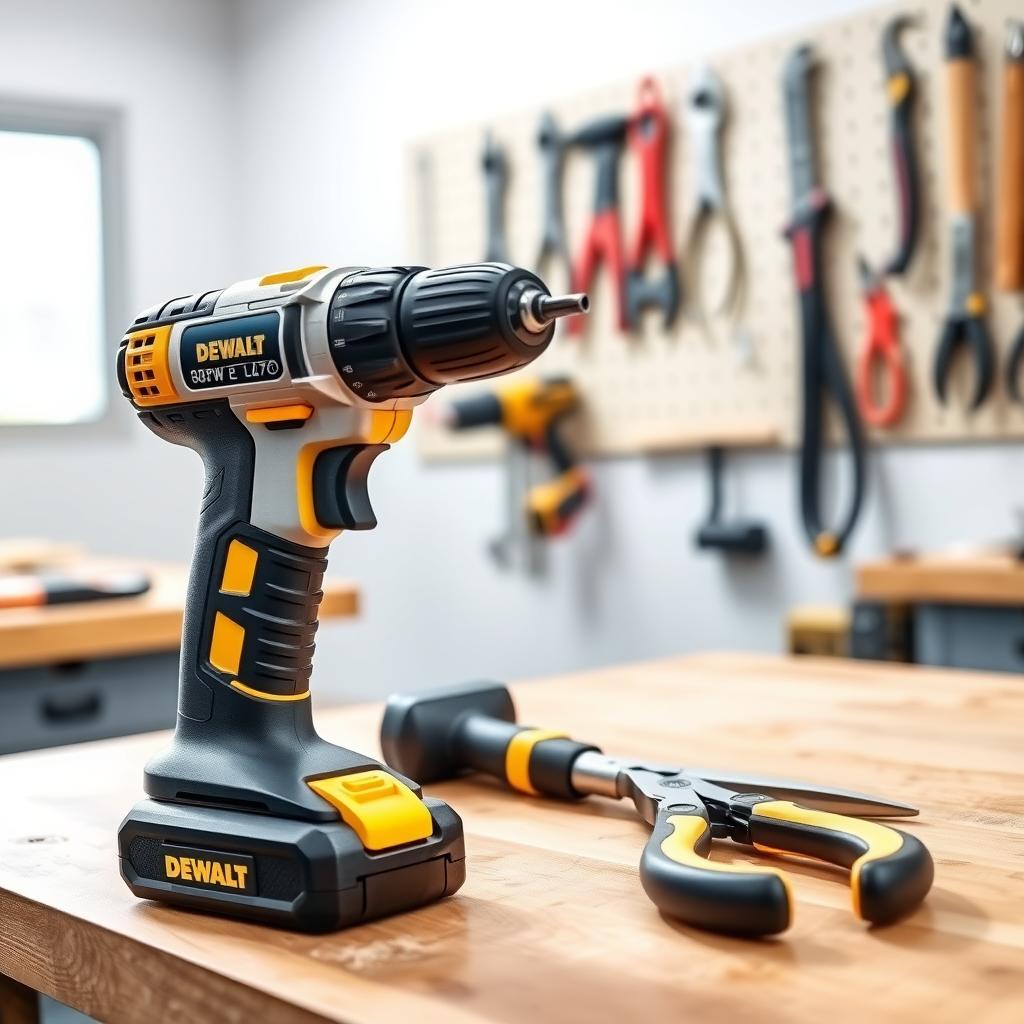
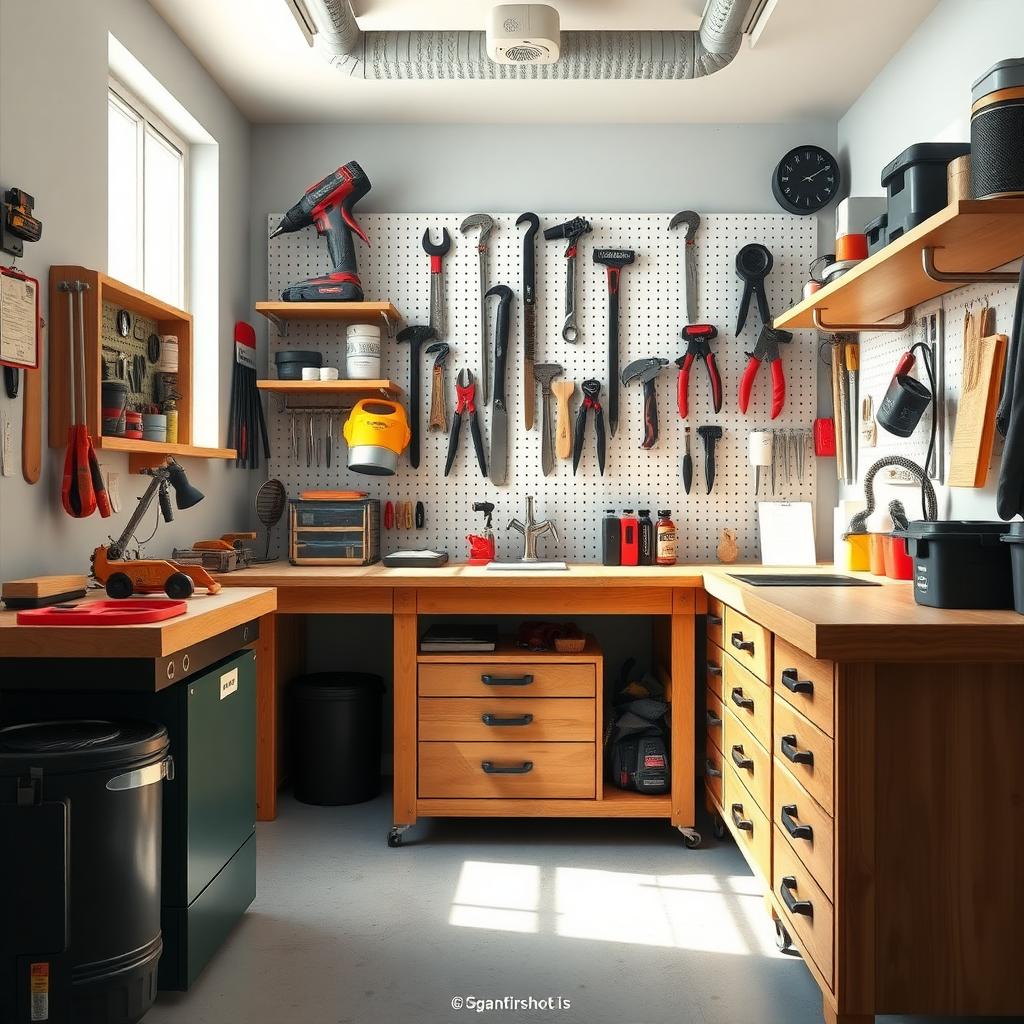
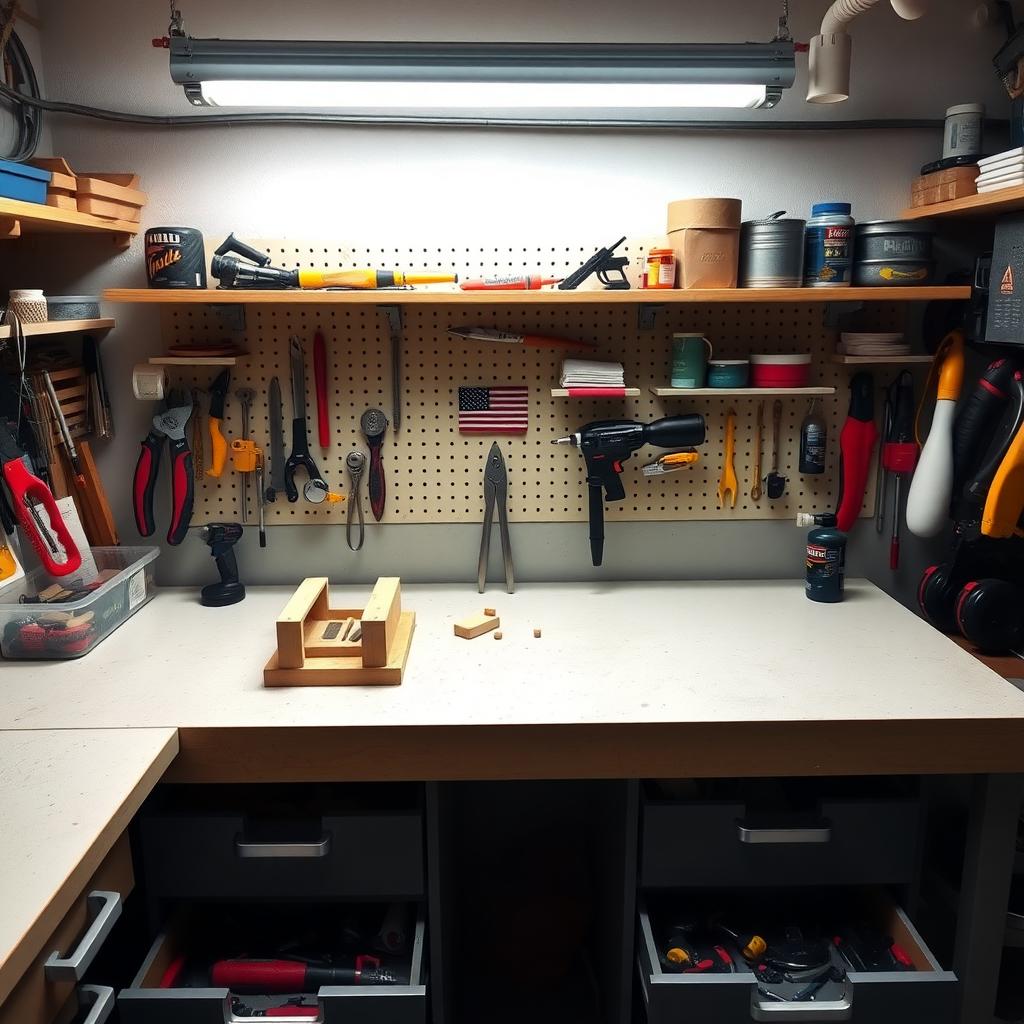
- Pegboards: Great for hanging frequently used tools. They’re affordable and customizable.
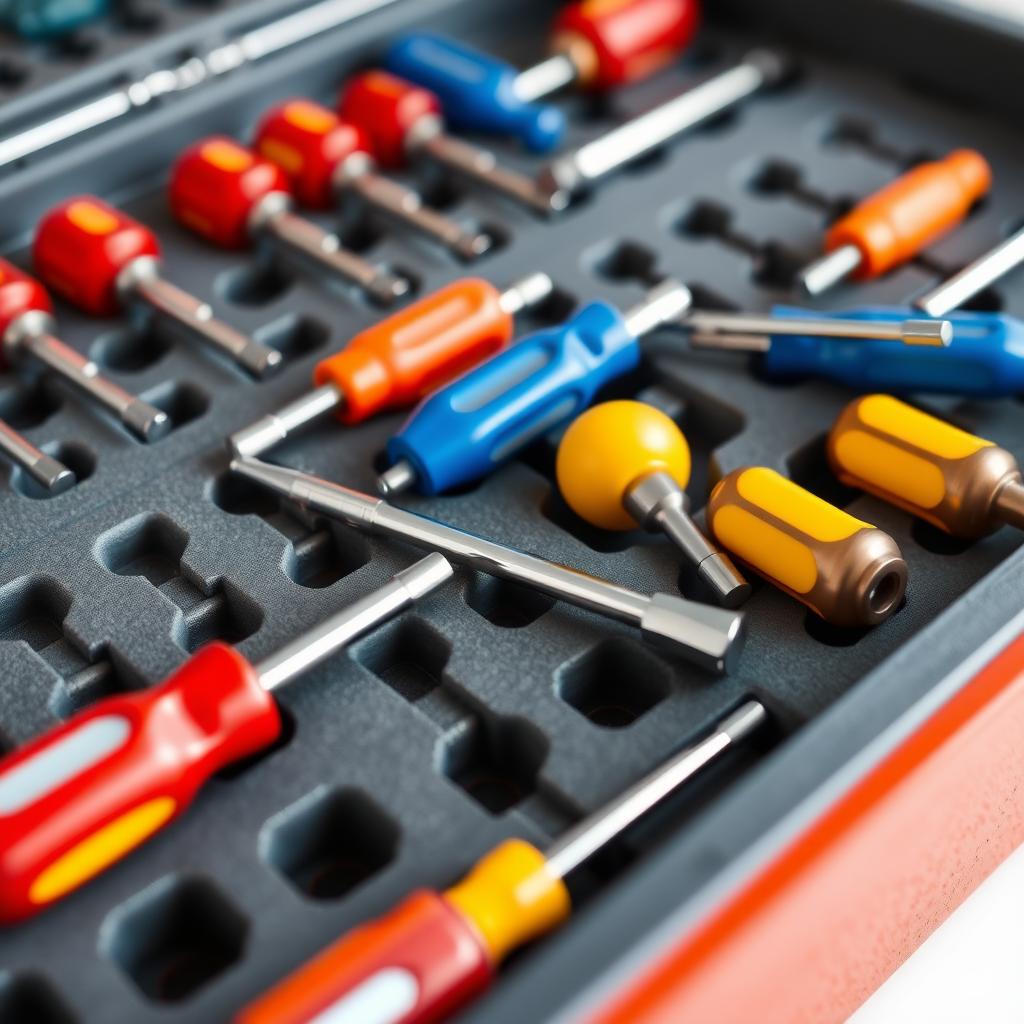
- Toolboxes with Drawers: Ideal for small tools like screws or bits. Label each drawer for quick access.
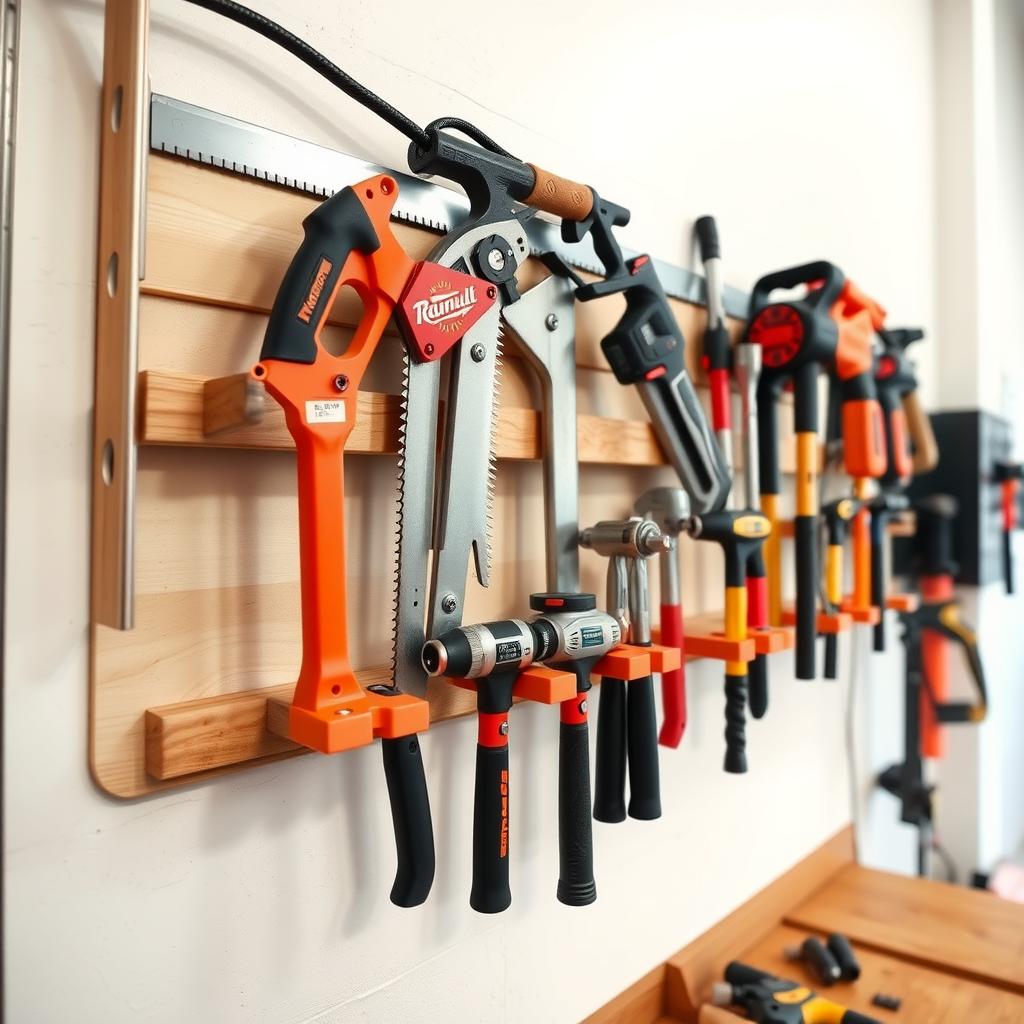
- Wall-Mounted Racks: Perfect for larger tools like saws or drills.
- Shelving Units: Use for less frequently used items to keep them out of the way.
I’ve found pegboards to be a game-changer. In my workshop, I hung my most-used tools within arm’s reach, cutting my setup time in half. For inspiration, check out Fine Woodworking’s guide to workshop organization, which offers practical layouts for small spaces.
Step 3: Prioritize Safety in Tool Storage
The Ultimate Guide to Safe Tool Storage isn’t just about tidiness—it’s about protecting yourself and your tools. Store sharp tools like chisels in protective sleeves or on dedicated racks to avoid injuries. Keep heavy tools low to prevent them from falling. I once dropped a heavy mallet because it was precariously balanced on a high shelf—a mistake I never repeated.
OSHA emphasizes that proper storage reduces workplace injuries by up to 30%. Use lockable cabinets for hazardous tools or chemicals, especially if kids or pets access your space. Label everything clearly to avoid confusion during busy projects.
Step 4: Create a Maintenance Routine
Order doesn’t last without effort. Set aside time each week to tidy up. After every project, return tools to their designated spots. I make it a habit to spend 10 minutes at the end of each day wiping down my workman tools and checking for wear. This keeps them in good shape and prevents rust.
Use a checklist to stay on track: - Wipe down tools after use. - Check for damage or wear. - Reorganize misplaced items. - Clear workbench surfaces. This routine saves time in the long run and keeps your workshop efficient.
Step 5: Optimize for Small Workshops
Organizing tools in a small workshop requires creativity. Use multi-purpose storage, like a workbench with built-in drawers. Magnetic strips are great for holding small metal tools like screwdrivers. I once turned an old filing cabinet into a tool storage unit by adding dividers—cheap and effective.
Consider portable storage for flexibility. A rolling cart can hold tools you need for specific projects, letting you move them out of the way when done. The Home Depot’s workshop storage guide has great ideas for compact solutions that don’t sacrifice functionality.
Step 6: Streamline Your Workflow
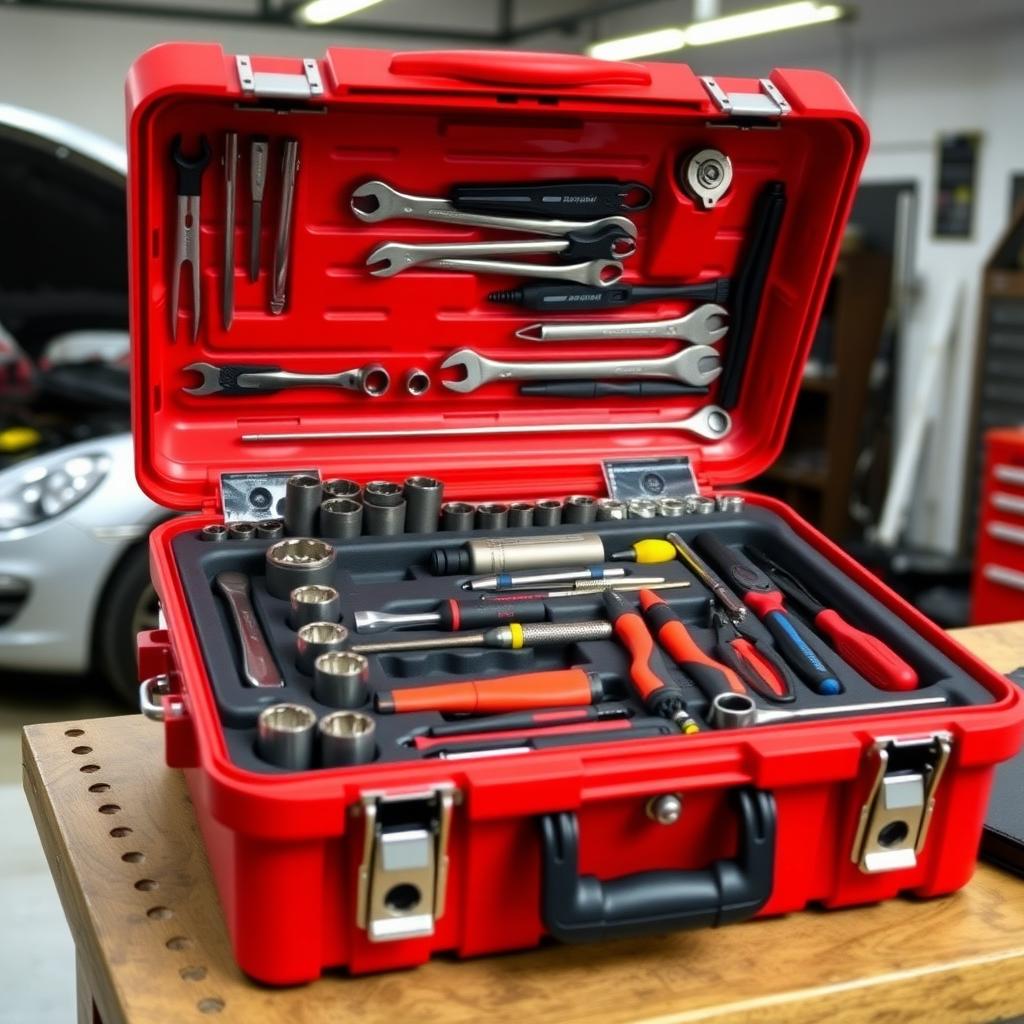
Order isn’t just about storage—it’s about how you work. Group tools by task. For example, keep woodworking tools together and separate from automotive tools. This saves time when switching between projects. In my workshop, I have a dedicated corner for painting supplies, which speeds up prep time.
Also, keep your workspace clear. A cluttered workbench slows you down. I learned this the hard way when I knocked over a can of paint because my bench was overcrowded. A clear surface lets you focus on the task at hand.
The Benefits of an Organized Workshop
When you implement these strategies, the results are immediate. You’ll spend less time searching for tools, make fewer mistakes, and enjoy your projects more. In my experience, an organized workshop feels like a partner in your work, not a barrier. Plus, it extends the life of your workman tools by keeping them safe and maintained.
Data from the National Safety Council shows that organized workspaces reduce accidents by improving visibility and access. This means you’re not just saving time—you’re staying safer.
Summary
How Order Boosts Your Workshop Efficiency is more than a catchy phrase—it’s a mindset. By assessing your space, choosing smart storage, prioritizing safety, and maintaining a routine, you can transform your workshop into a hub of productivity. Whether you’re working in a small garage or a dedicated shed, these tips will help you make the most of your tool storage and keep your workman tools ready for action. Start small, stay consistent, and watch your efficiency soar.
Related How Order Boosts Your Workshop Efficiency:
- How to Choose the Right Paint for Your Project: A Comprehensive Guide
- How Ergonomics is Changing the Construction Industry
- How to Maintain and Store Wrenches for Long-Lasting Performance
- Top 10 Ergonomic Tools Every Workshop Needs for Comfort and Efficiency
- Tips for DIY Plumbing Success: Master Your Home Repairs
- Top Screwdriver Safety Tips You Can’t Ignore
- The Best Tablesaws with User-Friendly Features for Every Workshop
- How to Choose the Right Tools for Your Job: A Practical Guide
- How to Paint a Room Like a Pro: A Step-by-Step Guide
- The Importance of Quality Tools in Construction: Building a Solid Foundation
- Beginner’s Guide to Car Repair Tools: Your Toolkit Essentials
- The Pomodoro Technique: Boosting Productivity Through Structured Work Sessions