Overview
Choosing the right tools for your job can make or break your workday. Whether you're a carpenter, electrician, or DIY enthusiast, the right equipment boosts efficiency and quality. This guide shares practical steps to pick workman tools that fit your needs, with insights on tool belts and more.
Why Choosing the Right Tools Matters
The tools you use directly impact your productivity and safety. A poorly chosen hammer can strain your wrist, while a low-quality drill might fail mid-project. I've seen coworkers struggle with mismatched tools, wasting time and money. The goal is to find reliable, task-specific workman tools that feel like an extension of your skills.
Good tools also save you in the long run. Investing in durable equipment reduces replacements and repairs. Plus, with tool belts featuring customizable pockets, you can keep everything organized and accessible, cutting down on frustration during a busy job.
Step 1: Assess Your Job Requirements
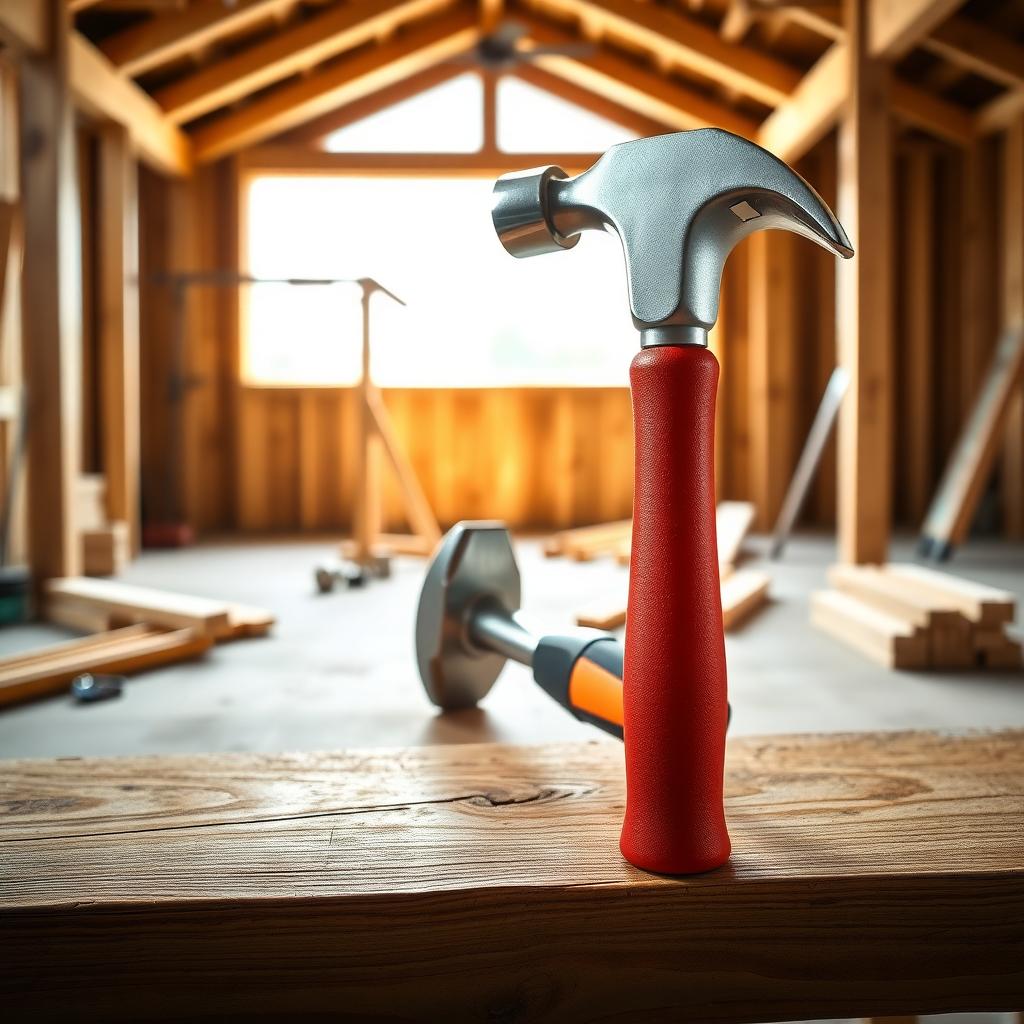
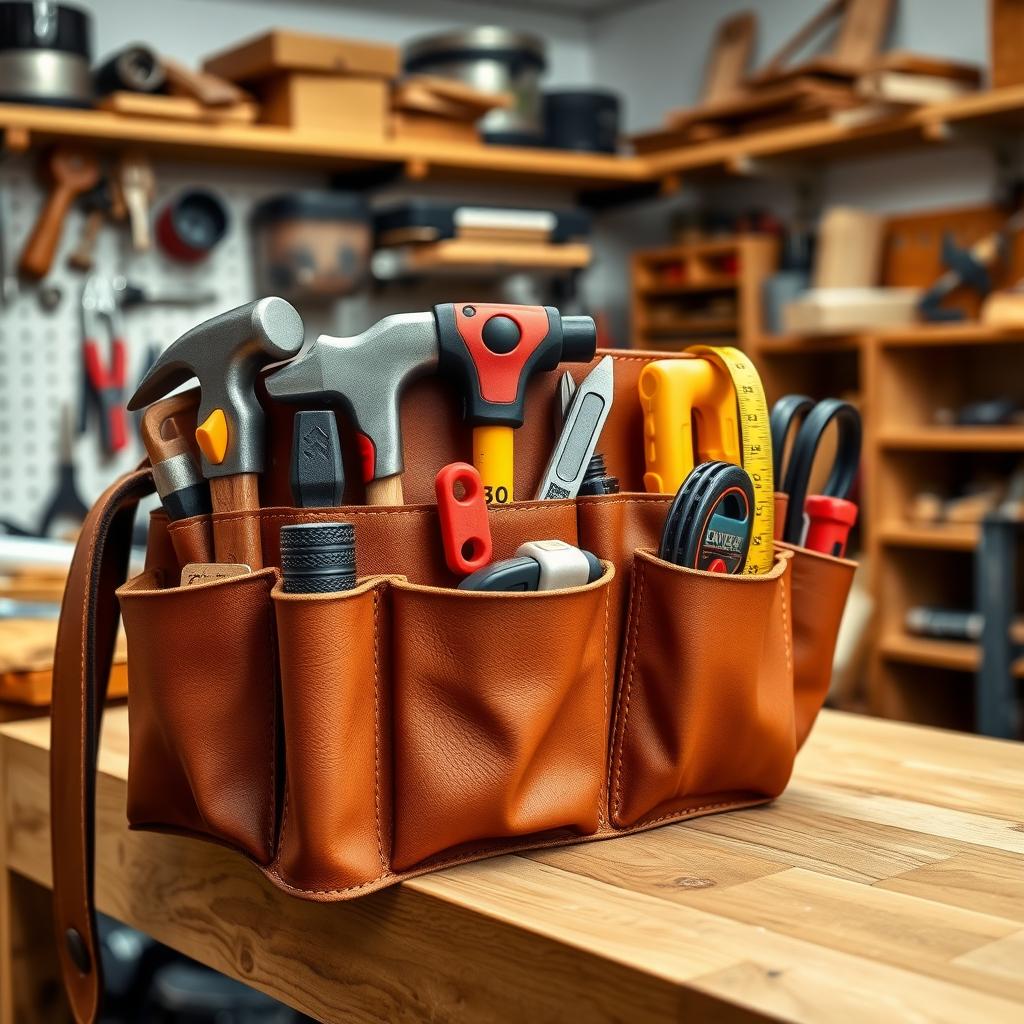
Start by understanding your tasks. Are you framing houses, wiring circuits, or tackling home repairs? Each job demands specific tools. For example, a carpenter needs a reliable claw hammer and a circular saw, while an electrician might prioritize insulated screwdrivers and a multimeter.
Make a list of your daily tasks. Break them into categories like cutting, fastening, or measuring. This helps narrow down the tools you need. When I started woodworking, I wasted money on flashy gadgets I rarely used. A simple checklist would’ve saved me hundreds.
Common Tools by Trade
| Trade | Essential Tools |
|---|---|
| Carpentry | Hammer, saw, level, chisel |
| Electrical | Multimeter, wire strippers, insulated screwdrivers |
| Plumbing | Pipe wrench, plunger, pipe cutter |
| DIY | Drill, tape measure, utility knife |
Step 2: Prioritize Quality Over Price
It’s tempting to grab the cheapest option, but low-cost tools often break or underperform. Look for brands with solid reputations, like DeWalt or Milwaukee, known for durability. Check reviews on sites like Home Depot or Lowe’s to see what other professionals say.
When I bought my first tool belt, I went for a budget model. It tore apart in a month. Switching to a tool belt with customizable pockets from a trusted brand was a game-changer. It held up under heavy use and kept my tools secure.
Step 3: Consider Ergonomics and Comfort
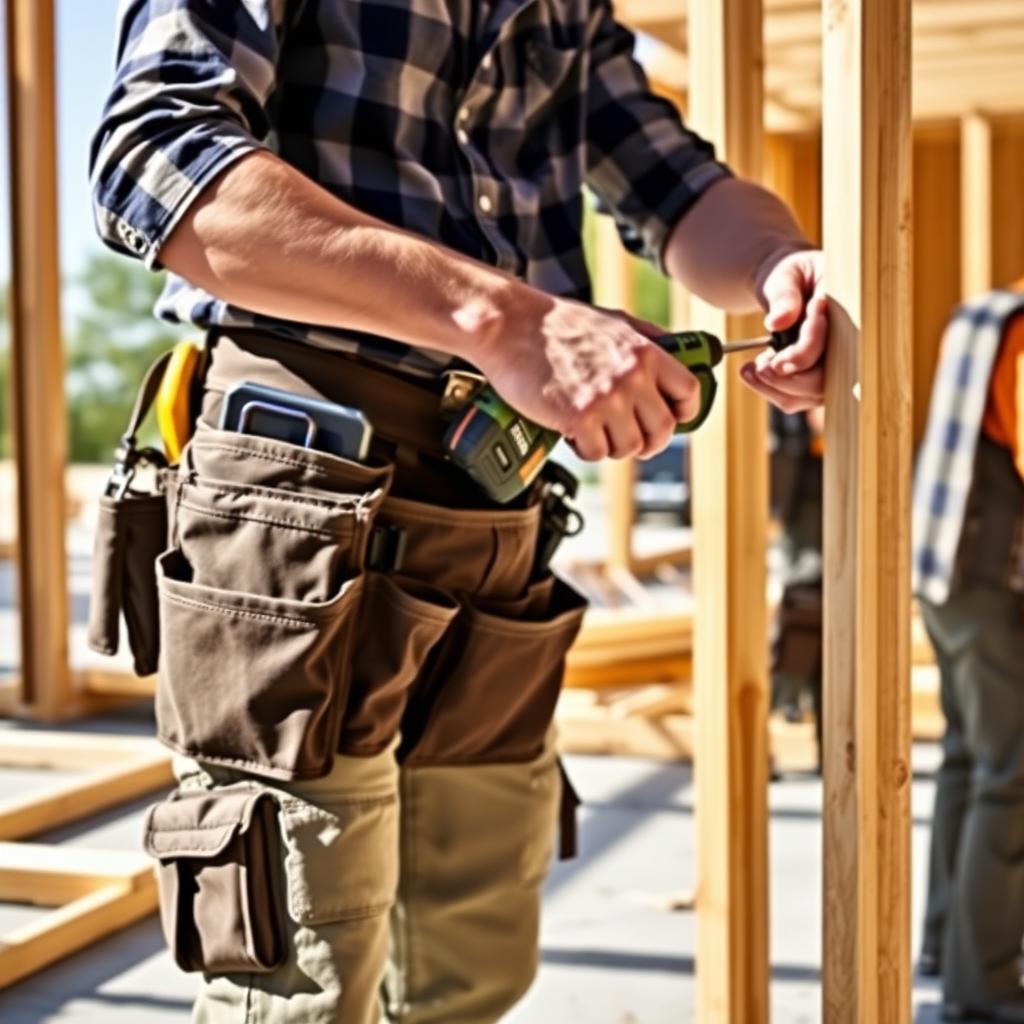
Tools should feel good in your hands. A heavy drill might seem powerful but can tire you out fast. Test tools in-store if possible. Look for features like rubberized grips or balanced weight. For tool belts, ensure they’re adjustable and have padded support for long hours.
Customizable pockets are a must for tool belts. They let you arrange tools based on how often you use them. I keep my tape measure and screwdriver in easy-reach pockets, saving time on every job. It’s a small tweak that makes a big difference.
Step 4: Match Tools to Your Skill Level
Beginners don’t need top-tier tools designed for pros. Start with mid-range options that offer reliability without overwhelming features. As your skills grow, upgrade to specialized tools. For example, a basic cordless drill works for most DIY tasks, but a contractor might need a brushless model for heavy-duty jobs.
When I mentored a friend starting in plumbing, I advised him to buy a simple pipe wrench first. He didn’t need a $200 model right away. As he took on bigger projects, he upgraded his kit, including a tool belt with customizable pockets to stay organized.
Step 5: Think About Storage and Portability
A good tool belt is your best friend for keeping tools handy. Look for one with durable materials like leather or heavy-duty nylon. Customizable pockets let you tailor the layout to your workflow. I’ve found belts with quick-release buckles are easier to put on and take off.
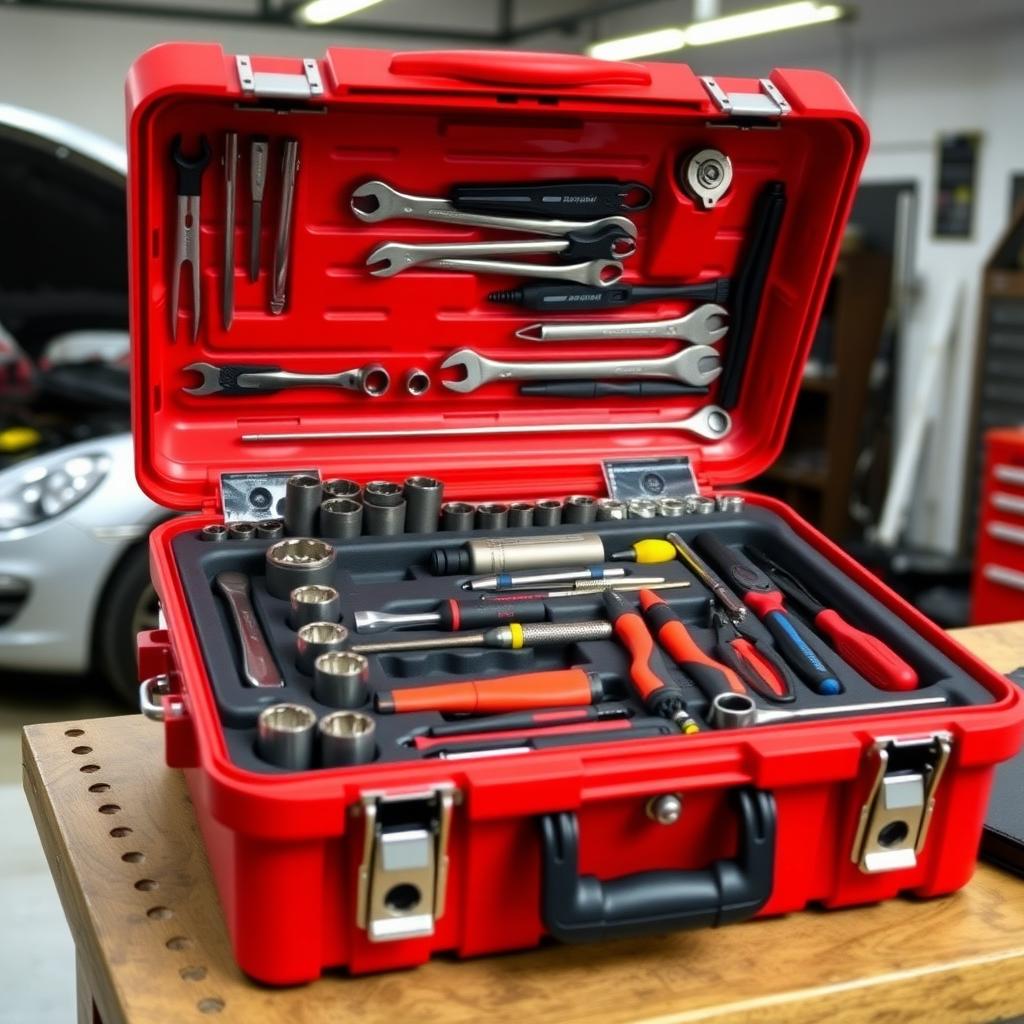
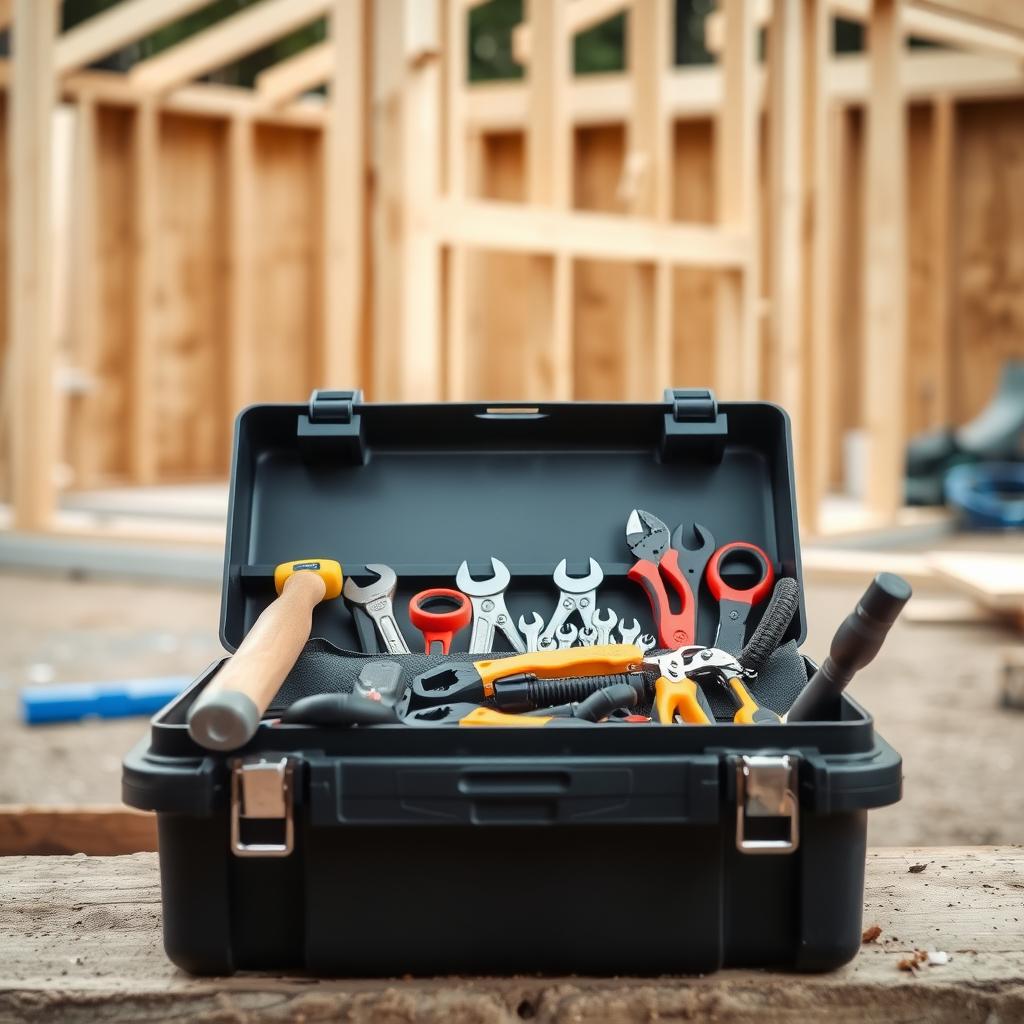
For larger tools, consider a toolbox or rolling bag. If you’re on multiple sites, portability matters. A lightweight, compact toolbox with a sturdy handle makes life easier. Check out options at Ace Hardware for ideas.
Step 6: Plan for Maintenance and Upgrades
Tools last longer with proper care. Clean them after use, store them in a dry place, and sharpen blades regularly. For power tools, check batteries and cords for wear. A well-maintained tool belt with customizable pockets also protects your tools from damage.
Set a budget for upgrades. Every year, I review my tools and replace one or two that are wearing out. This keeps my kit reliable without breaking the bank. It’s also a good time to add new pockets to my tool belt for extra tools.
Step 7: Test and Adapt
No tool is perfect for every job. Try out new tools on smaller projects to see how they perform. If something doesn’t work, swap it out. I once bought a fancy laser level, but my old bubble level was faster for quick tasks. Keep what works for you.
Summary
Choosing the right tools for your job means knowing your tasks, prioritizing quality, and staying organized with tool belts featuring customizable pockets. Start with a clear plan, invest in durable workman tools, and adapt as your skills grow. With the right setup, you’ll work smarter, not harder.
Related How to Choose the Right Tools for Your Job:
- The Ultimate Guide to Power Tools for Beginners
- How to Paint a Room Like a Pro: A Step-by-Step Guide
- The Importance of Quality Tools in Construction: Building a Solid Foundation
- Beginner’s Guide to Car Repair Tools: Your Toolkit Essentials
- The Pomodoro Technique: Boosting Productivity Through Structured Work Sessions
- How to Maintain Your Tools for Longevity: A Comprehensive Guide
- Exploring Types of Wrenches for Different Jobs: A Workman’s Guide
- Top 10 DIY Projects for Beginners to Kickstart Your Creative Journey
- The Art of Metalwork: Techniques and Tips for Beginners
- Mastering the Art of Woodworking with Power Tools: A Comprehensive Guide
- Must-Have Wrenches for Every Toolbox: Your Ultimate Guide
- How to Choose Ergonomic Tools for Your Workshop