Overview
Wrenches are the backbone of any workman’s toolkit, bridging the gap between effort and precision. Whether you’re tightening bolts on a car or assembling furniture, knowing the types of wrenches for different jobs can make or break your project. This guide dives into the world of workman tools, offering insights to help you choose the right wrench for any task.
Why Wrenches Matter
Wrenches are more than just tools; they’re extensions of your hands, designed to grip, turn, and secure. I remember my first home repair project—trying to fix a leaky pipe with a flimsy wrench. It slipped, I cursed, and the job took twice as long. That’s when I learned: the right wrench saves time, knuckles, and sanity. With countless types of wrenches for different jobs, understanding their unique features is key to working smarter, not harder.
Common Types of Wrenches and Their Uses
Let’s break down the most popular types of wrenches, their designs, and the jobs they’re best suited for. Each wrench has a specific purpose, and choosing the right one depends on the task at hand.
1. Adjustable Wrench
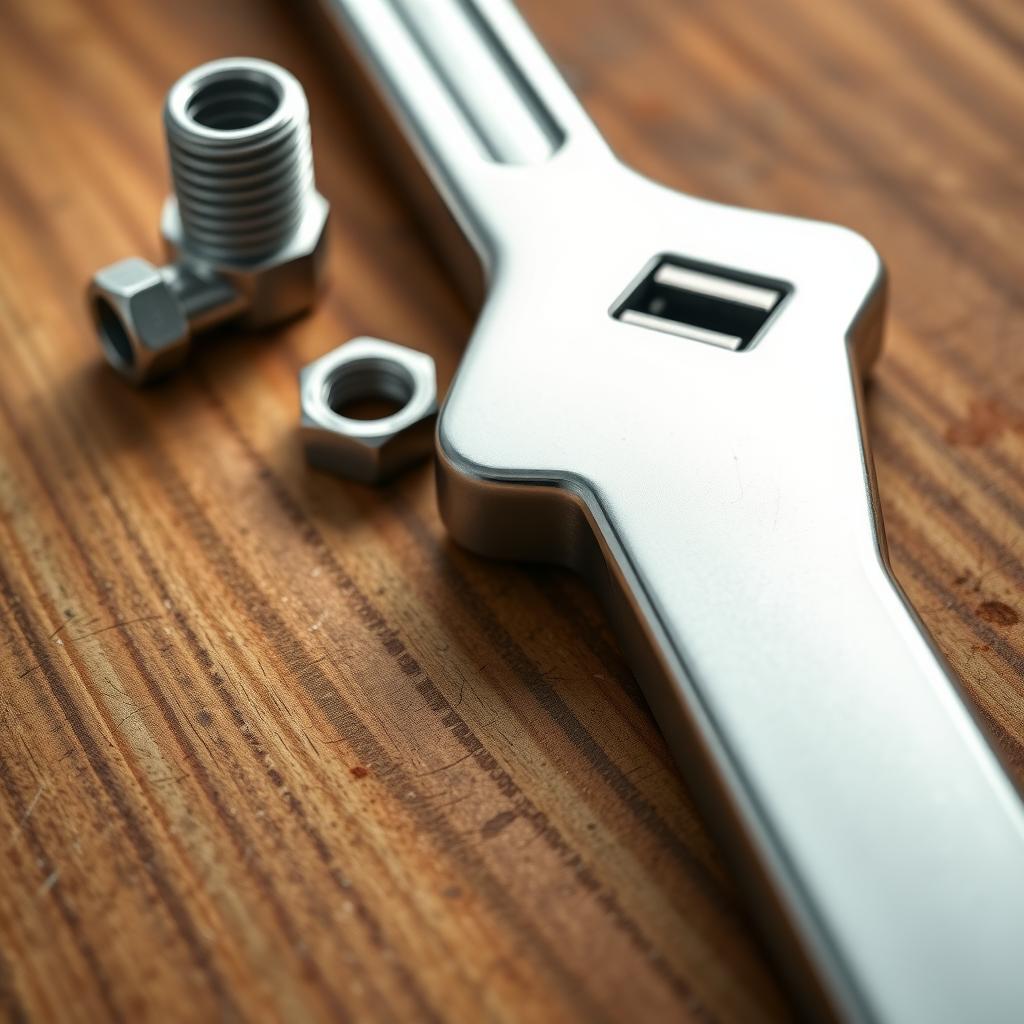
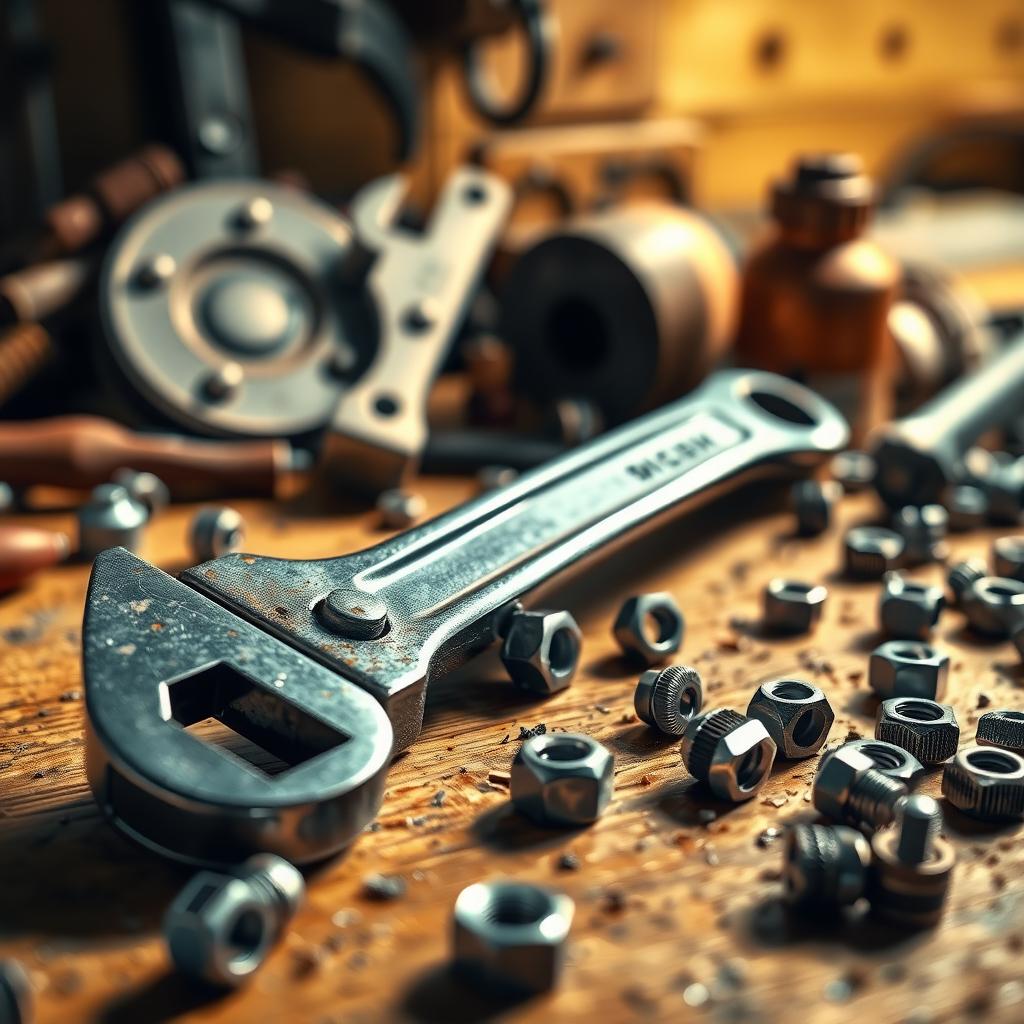
Also called a crescent wrench, this versatile tool adjusts to fit various bolt sizes. It’s a go-to for general repairs, like tightening a loose faucet or assembling furniture. I keep one in my toolbox for quick fixes, but its adjustable jaw can slip under heavy torque, so it’s not ideal for high-force tasks.
Best for: Plumbing, general home repairs, and tasks requiring flexibility.
2. Combination Wrench
This wrench has an open end for quick access and a box end for better grip. It’s a staple for automotive work, like changing a tire or working on an engine. I’ve found the box end especially useful for stubborn bolts that need extra leverage.
Best for: Automotive repairs, machinery maintenance.
3. Socket Wrench
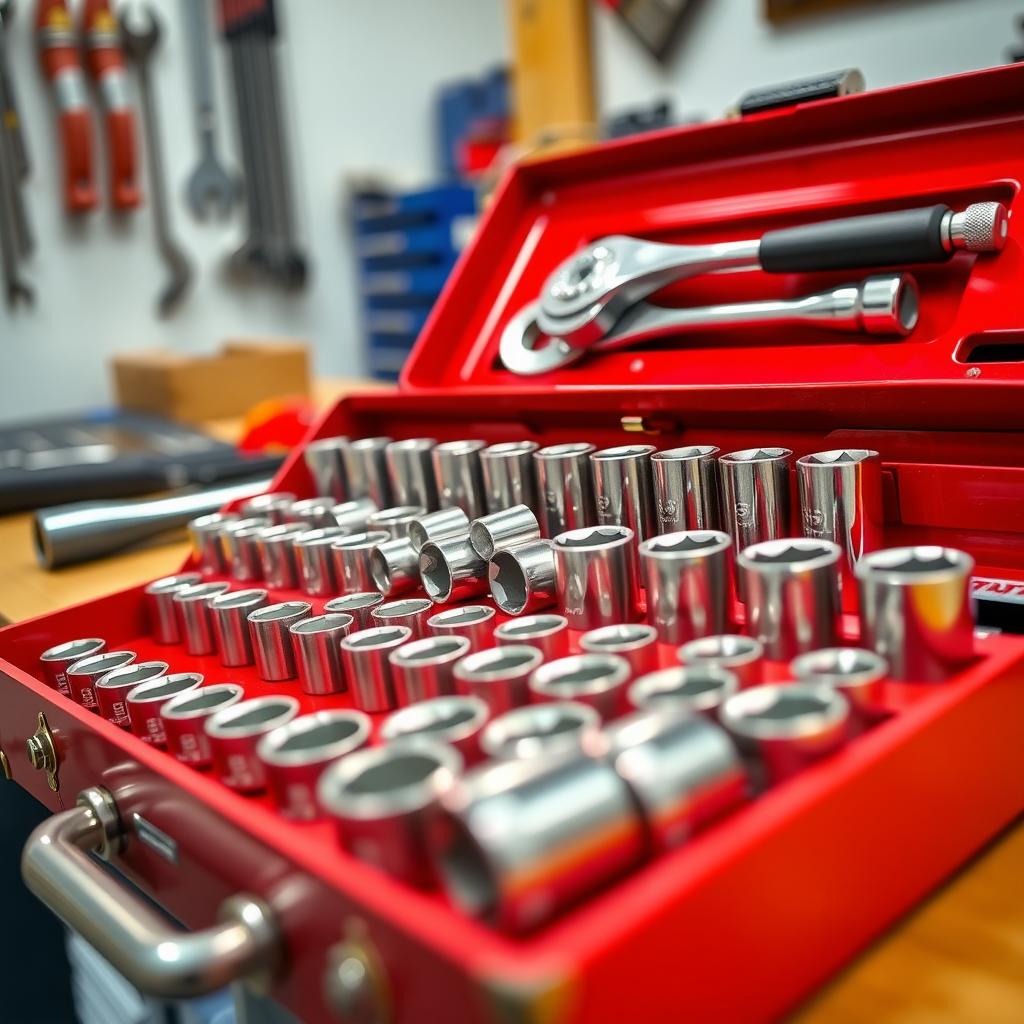
Socket wrenches use interchangeable sockets to fit different bolt sizes. Paired with a ratchet handle, they’re perfect for repetitive tasks, like assembling a bike or working on a car’s suspension. The ratcheting action saves time, but you’ll need a set of sockets for versatility.
Best for: Automotive, bicycle assembly, and high-torque tasks.
4. Torque Wrench
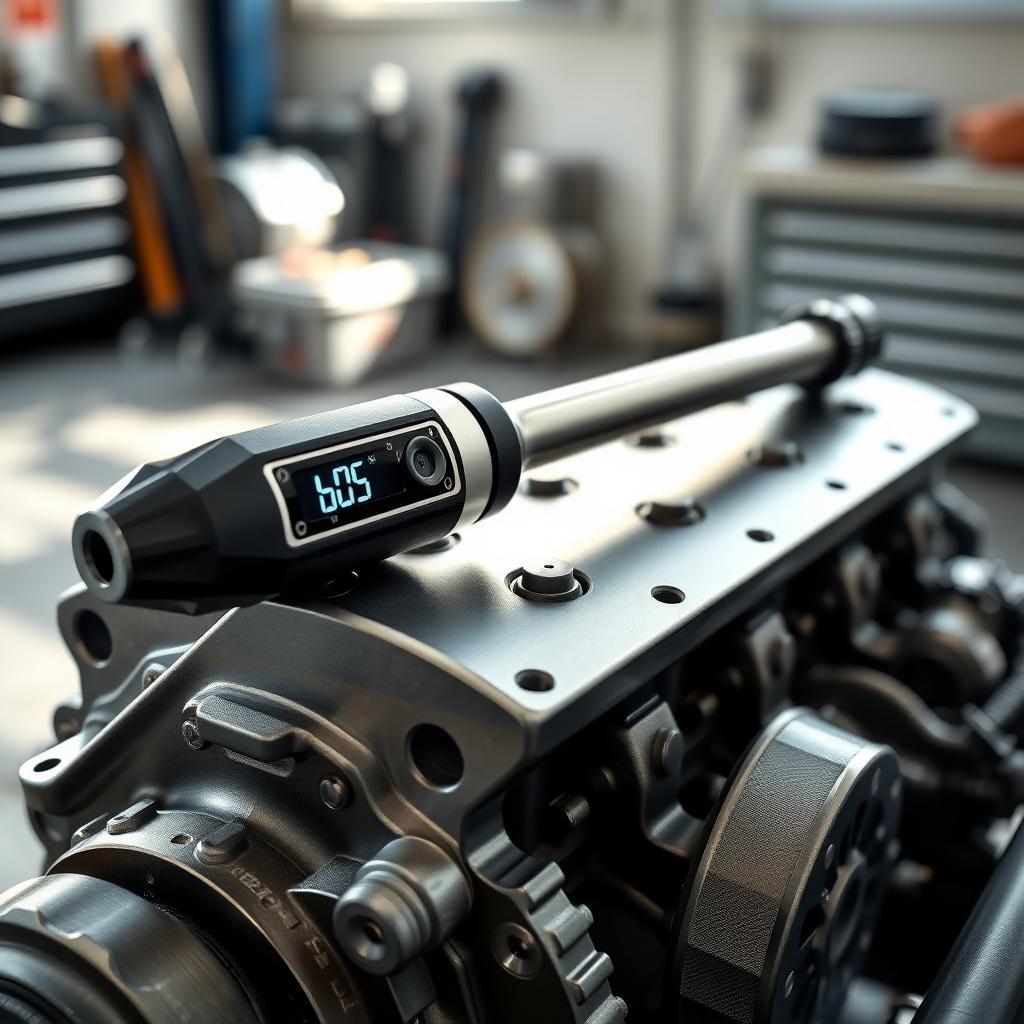
Precision is the name of the game with a torque wrench. It applies a specific amount of force, ensuring bolts are neither too loose nor overtightened. I used one when installing a car’s head gasket—overtightening could’ve warped the engine. It’s a must for delicate machinery.
Best for: Engine work, bicycle repairs, and precision tasks.
5. Pipe Wrench
Built for gripping round objects like pipes, this heavy-duty wrench has serrated jaws for extra hold. It’s a plumber’s best friend but can mar surfaces, so I use it sparingly on delicate fixtures. Its weight makes it feel like wielding a small club!
Best for: Plumbing, pipe fitting, and heavy-duty tasks.
6. Allen Wrench (Hex Key)
These L-shaped tools fit hexagonal bolts, often found in furniture or machinery. I keep a set for assembling flat-pack furniture—it’s a lifesaver for those tiny bolts. They’re cheap, but losing one in the middle of a project is infuriating!
Best for: Furniture assembly, bicycle maintenance.
Choosing the Right Wrench for the Job
Selecting the right wrench depends on three factors: the fastener type, the task’s demands, and your workspace. Here’s a quick guide to help you decide:
| Wrench Type | Fastener Type | Best Use Case | Pros | Cons |
|---|---|---|---|---|
| Adjustable Wrench | Nuts, bolts | General repairs | Versatile | Can slip |
| Combination Wrench | Nuts, bolts | Automotive | Dual-purpose | Fixed sizes |
| Socket Wrench | Nuts, bolts | Repetitive tasks | Fast, strong grip | Requires socket set |
| Torque Wrench | Nuts, bolts | Precision work | Accurate torque | Expensive |
| Pipe Wrench | Pipes, fittings | Plumbing | Strong grip | Can damage surfaces |
| Allen Wrench | Hex bolts | Furniture assembly | Compact, cheap | Easy to lose |
Tips for Using Wrenches Effectively
- Match the Size: Always use the correct size to avoid stripping bolts. A loose fit is a recipe for frustration.
- Apply Steady Pressure: Pull, don’t push, to avoid slipping and injuring yourself.
- Keep Them Clean: Wipe down wrenches after use to prevent rust, especially in humid environments.
- Invest in Quality: Cheap wrenches wear out fast. Brands like Craftsman or Snap-on last a lifetime.
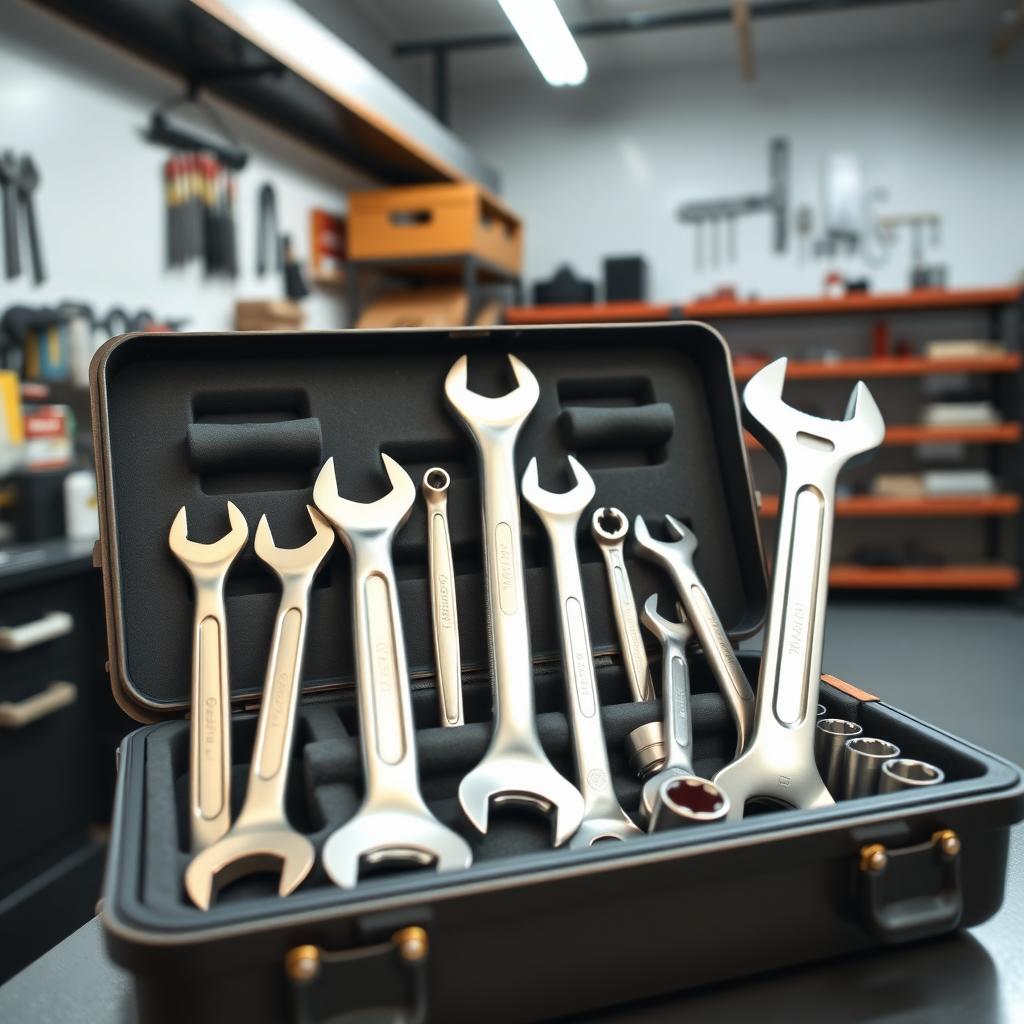
- Organize Your Tools: A toolbox with compartments keeps your wrenches ready and prevents loss.
Common Mistakes to Avoid
I’ve made my share of errors with wrenches, and here’s what I’ve learned: - Using the Wrong Wrench: An adjustable wrench won’t cut it for high-torque jobs. Use a socket or combination wrench instead. - Overtightening: Without a torque wrench, it’s easy to overdo it, damaging bolts or parts. - Ignoring Maintenance: Rusty or dirty wrenches lose grip and wear out faster. A quick clean goes a long way.
Where to Learn More
For deeper insights, check out resources like The Family Handyman for practical tool tips or Popular Mechanics for detailed guides on workman tools. Local hardware stores often host workshops, too—great for hands-on learning.
Summary
Wrenches are essential workman tools, each designed for specific tasks. From adjustable wrenches for quick fixes to torque wrenches for precision, understanding the types of wrenches for different jobs ensures you work efficiently. Choose the right tool, maintain it well, and your projects will run smoothly. Explore the recommended readings below for more tool insights.
Related types of wrenches for different jobs:
- DIY Furniture Assembly Tips and Tools: Your Complete Guide
- Top 10 DIY Projects for Beginners to Kickstart Your Creative Journey
- The Art of Metalwork: Techniques and Tips for Beginners
- Mastering the Art of Woodworking with Power Tools: A Comprehensive Guide
- Must-Have Wrenches for Every Toolbox: Your Ultimate Guide
- How to Choose Ergonomic Tools for Your Workshop
- Top DIY Projects for Your Cordless Drill: Unleash Your Creativity
- The Ultimate Guide to Table Saw Safety
- How to Use Wrenches Safely: A Comprehensive Guide for Beginners and Pros
- Safety Best Practices for Electricians: A Comprehensive Guide
- Essential Tools for DIY Beginners: Start Right
- How to Choose the Right Socket Set for Your Needs