Overview
Table saws are powerful tools that can transform your woodworking projects, but they demand respect and caution. The Ultimate Guide to Table Saw Safety offers practical tips and insights to keep you safe while maximizing your tool’s potential. Whether you're a beginner or a seasoned woodworker, this guide will help you navigate the risks and work confidently.
Why Table Saw Safety Matters
Table saws are a staple in any workshop, but they’re also one of the most dangerous tools. Every year, thousands of injuries occur due to improper use or lack of safety measures. From minor cuts to severe accidents, the risks are real. I’ve seen firsthand how a moment of distraction can lead to a trip to the emergency room. My neighbor, an experienced carpenter, once shared how a rushed cut cost him weeks of recovery. That story stuck with me, and it’s why I’m passionate about sharing safety knowledge.
Safety isn’t just about avoiding injury—it’s about building confidence. When you know how to use a table saw safely, you can focus on creativity instead of worrying about accidents. This guide will walk you through everything from basic precautions to advanced safety mechanisms, ensuring you’re equipped to handle this powerful tool.
Understanding Your Table Saw
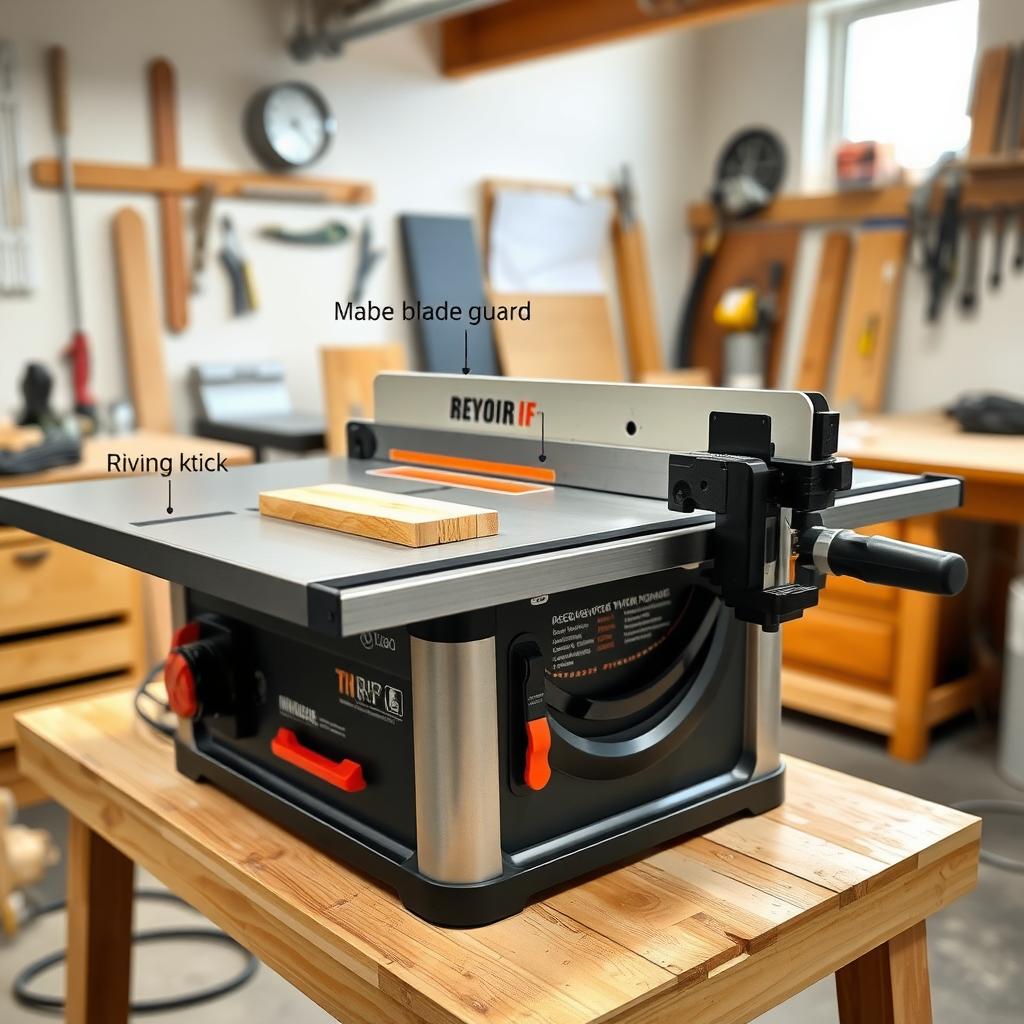
Before diving into safety, let’s talk about the tool itself. Table saws come in various types—portable, contractor, and cabinet saws—each with unique features. If you’re new to woodworking, check out A Beginner’s Guide to Power Tools for Home Workshops to understand which saw fits your needs. Choosing the right saw is the first step to safe operation.
When I bought my first table saw, I was overwhelmed by the options. I spent hours researching and learned that a saw with robust safety features is worth the investment. How to Pick the Perfect Table Saw is a great resource for narrowing down your choices.
Essential Table Saw Safety Tips
Here are practical, actionable tips to keep you safe:
1. Always Use Safety Gear
Wear safety glasses to protect your eyes from dust and debris. Ear protection is a must—table saws are loud, and prolonged exposure can damage your hearing. I also recommend a dust mask, especially if you’re working in a confined space.
2. Keep Your Workspace Clear
A cluttered workbench is a recipe for disaster. Ensure your cutting area is free of stray tools, wood scraps, or cords. I learned this the hard way when a loose screwdriver rolled into my workpiece, causing a kickback.
3. Use Push Sticks and Featherboards
Never push wood through the blade with your hands. A push stick keeps your fingers at a safe distance. Featherboards help hold the wood steady, reducing the risk of kickback. These simple tools are lifesavers.
4. Check Your Blade and Fence
Before every cut, inspect the blade for damage and ensure the fence is aligned. A misaligned fence can cause the wood to bind, leading to kickback. I make it a habit to double-check these components—it takes 30 seconds and saves trouble.
5. Never Remove the Blade Guard
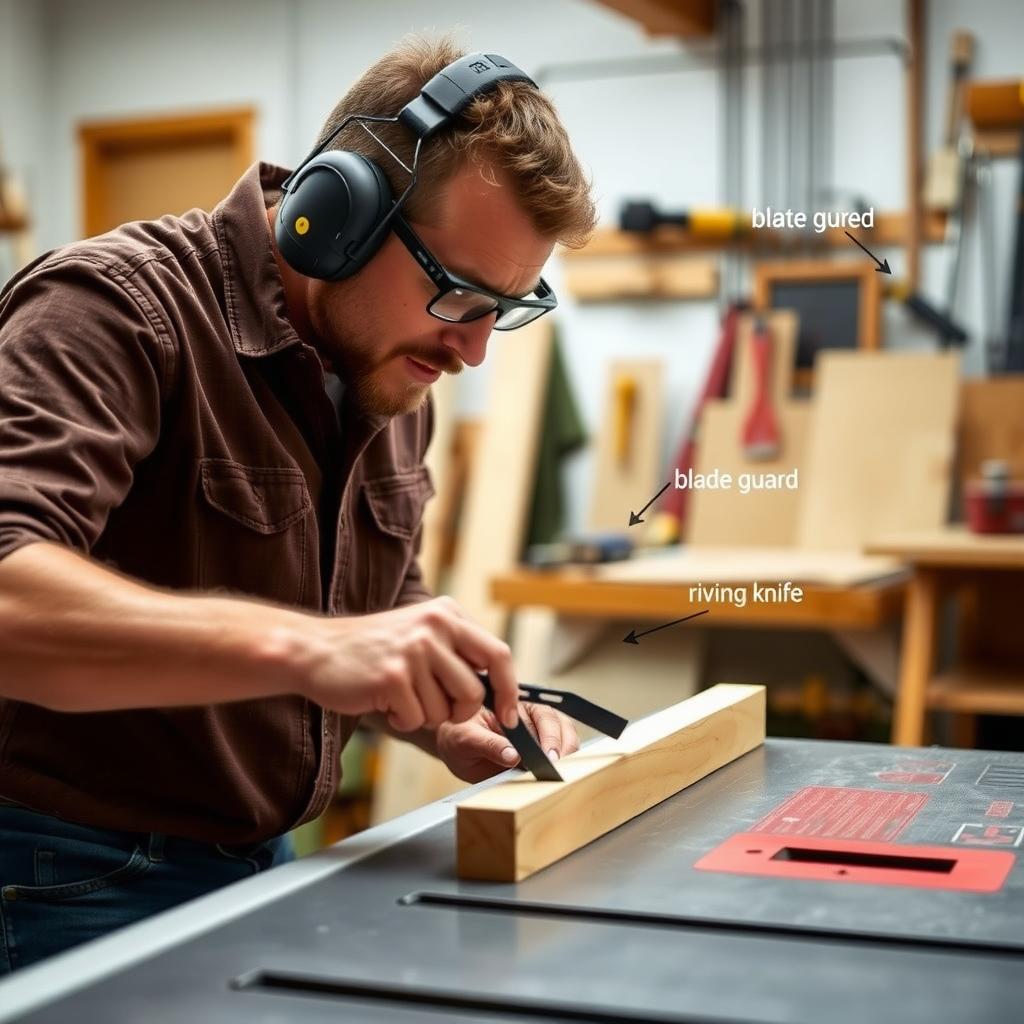
Blade guards are there for a reason. They shield you from the spinning blade and reduce the risk of accidental contact. Some woodworkers remove them for convenience, but that’s a gamble not worth taking.
Advanced Safety Mechanisms in Table Saws
Modern table saws with advanced safety mechanisms have revolutionized woodworking safety. Here are some key features to look for:
| Feature | Description | Benefit |
|---|---|---|
| Blade Guard | A clear plastic shield over the blade | Prevents accidental contact |
| Riving Knife | A metal piece behind the blade | Reduces kickback by keeping the cut open |
| Anti-Kickback Pawls | Teeth that grip the wood | Prevents the wood from being thrown back |
| Flesh-Detection Technology | Stops the blade upon skin contact | Minimizes severe injuries |
Flesh-detection technology, like that found in some high-end saws, is a game-changer. It stops the blade in milliseconds if it detects skin, potentially saving fingers or worse. When I upgraded to a saw with this feature, I felt a new level of confidence. However, these saws are pricier, so weigh the cost against your needs. For more on choosing the right saw, revisit How to Pick the Perfect Table Saw.
Common Mistakes to Avoid
Even experienced woodworkers make mistakes. Here are pitfalls to watch out for:
- Rushing the Cut: Take your time. Hurrying leads to sloppy cuts and accidents.
- Ignoring the Manual: Every saw is different. Read the manufacturer’s instructions to understand your model’s quirks.
- Wearing Loose Clothing: Baggy sleeves or jewelry can get caught in the blade. Stick to fitted clothing.
- Distractions: Never operate a table saw while tired or distracted. I once tried cutting after a long day, and my focus slipped—luckily, I caught it in time.
The U.S. Consumer Product Safety Commission reports that table saws cause over 30,000 injuries annually, many due to these avoidable errors. Stay vigilant.
Maintenance for Safety
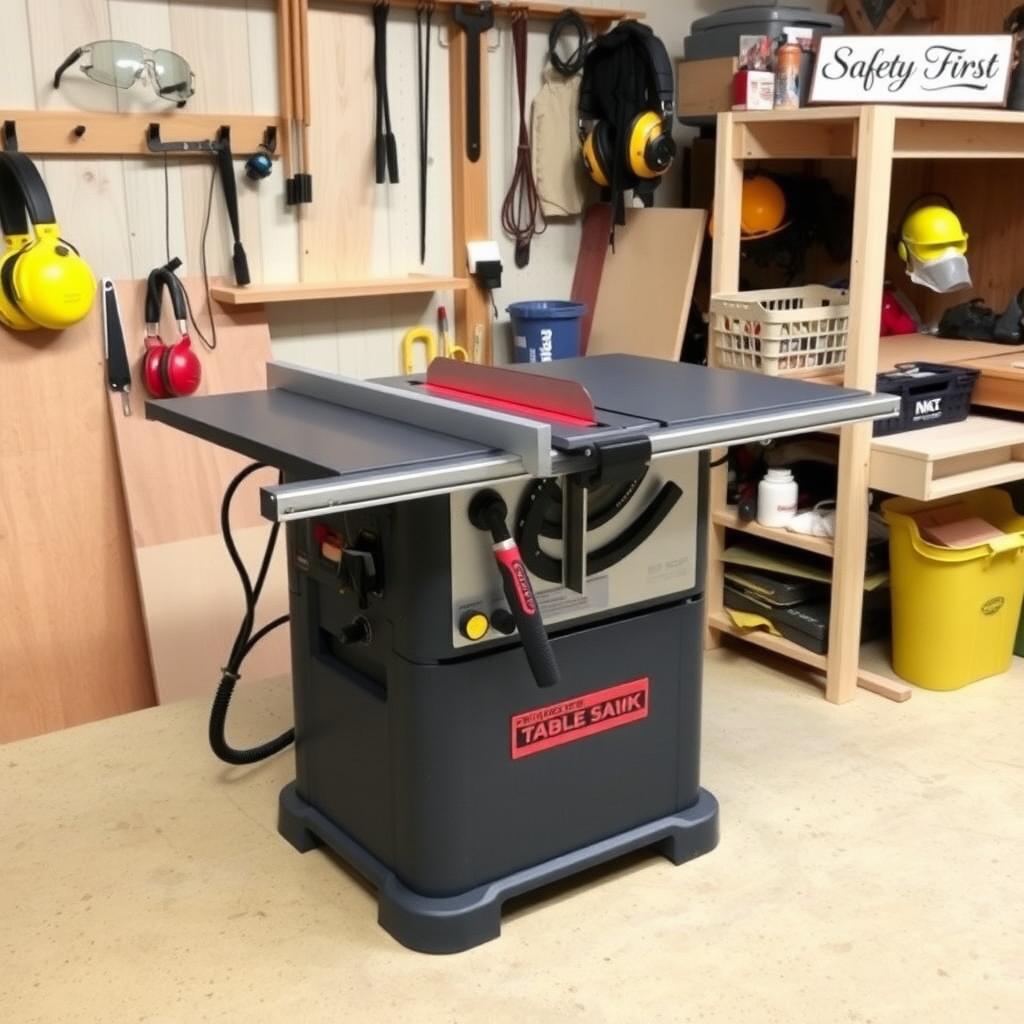
A well-maintained table saw is a safer table saw. Here’s a quick checklist:
- Clean Regularly: Sawdust buildup can affect performance. Vacuum or brush off dust after each use.
- Sharpen Blades: Dull blades require more force, increasing kickback risk. Sharpen or replace them as needed.
- Check Alignment: Ensure the blade, fence, and miter gauge are aligned. Misalignment causes binding.
- Lubricate Moving Parts: Keep the saw’s moving parts smooth to avoid unexpected jams.
I set a monthly reminder to inspect my saw. It’s a small effort that pays off in safety and performance.
Building a Safety-First Mindset
Safety isn’t just about tools or techniques—it’s a mindset. Always assume the saw can hurt you, and act accordingly. I keep a mental checklist before every cut: gear on, workspace clear, blade checked, no distractions. This routine has saved me from countless close calls.
If you’re new to woodworking, start with A Beginner’s Guide to Power Tools for Home Workshops. It’s a great way to build foundational skills. For advanced users, explore table saws with advanced safety mechanisms to upgrade your setup.
Summary
Table saws are incredible tools, but they come with risks. By following the tips in The Ultimate Guide to Table Saw Safety, you can minimize dangers and work with confidence. Use safety gear, maintain your saw, and stay focused. Whether you’re picking your first saw or upgrading to one with advanced safety features, prioritize safety to make every project a success.
Related The Ultimate Guide to Table Saw Safety:
- How to Use Wrenches Safely: A Comprehensive Guide for Beginners and Pros
- Safety Best Practices for Electricians: A Comprehensive Guide
- Essential Tools for DIY Beginners: Start Right
- How to Choose the Right Socket Set for Your Needs
- The Ultimate Guide to Tool Belts with Built-In Storage for Workmen
- Innovative Construction Tools for Efficiency
- Essential Guide to Tool Storage Solutions and Maintenance Tips
- The Ultimate Guide to Automotive Mechanic Tools
- Safety First: Best Practices for Using Tools
- Maintenance Tips for Keeping Your Tools in Top Condition
- Essential Workman Tools for Every Project
- Essential Workman Tools for Every Job