Using tools safely is crucial for any project, whether it's plumbing, woodworking, or general maintenance. This article will guide you through the best practices to ensure your safety and the quality of your work.
Understanding Your Tools
Before you start any project, it's essential to know your tools. Each tool has a specific purpose, and using it incorrectly can lead to accidents or damage.
- Read the Manual: Always read the instructions or manual that comes with the tool. It provides valuable information on how to use it safely.
- Practice: If you're new to a tool, practice using it on scrap materials before starting your project.
Personal Insight: I once tried to use a circular saw without fully understanding its safety features. I ended up with a minor cut, but it taught me the importance of knowing your tools inside out.
Personal Protective Equipment (PPE)
Wearing the right PPE can prevent many injuries. Here's why each piece is important:
- Safety Glasses: Protect your eyes from flying debris. I remember a time when a piece of concrete chipped off and hit my glasses while drilling. Without them, it could have been my eye.
- Gloves: Shield your hands from cuts and abrasions. They also improve grip, reducing the chance of dropping tools.
- Ear Protection: Prevent hearing damage from loud tools. I once used a jackhammer without protection, and my ears rang for hours afterward.
- Proper Clothing: Avoid loose clothing that can get caught in tools. I had a close call when my sleeve got snagged in a drill press.
- Footwear: Steel-toed boots protect your feet from heavy objects that might fall or roll onto them.
Personal Insight: During a woodworking project, a splinter flew into my eye. Luckily, I was wearing safety glasses, which saved me from a serious injury.
Workspace Safety
A safe workspace is key to preventing accidents. Here’s how to set it up:
- Keep it Clean: Regularly clean your workspace to avoid tripping hazards.
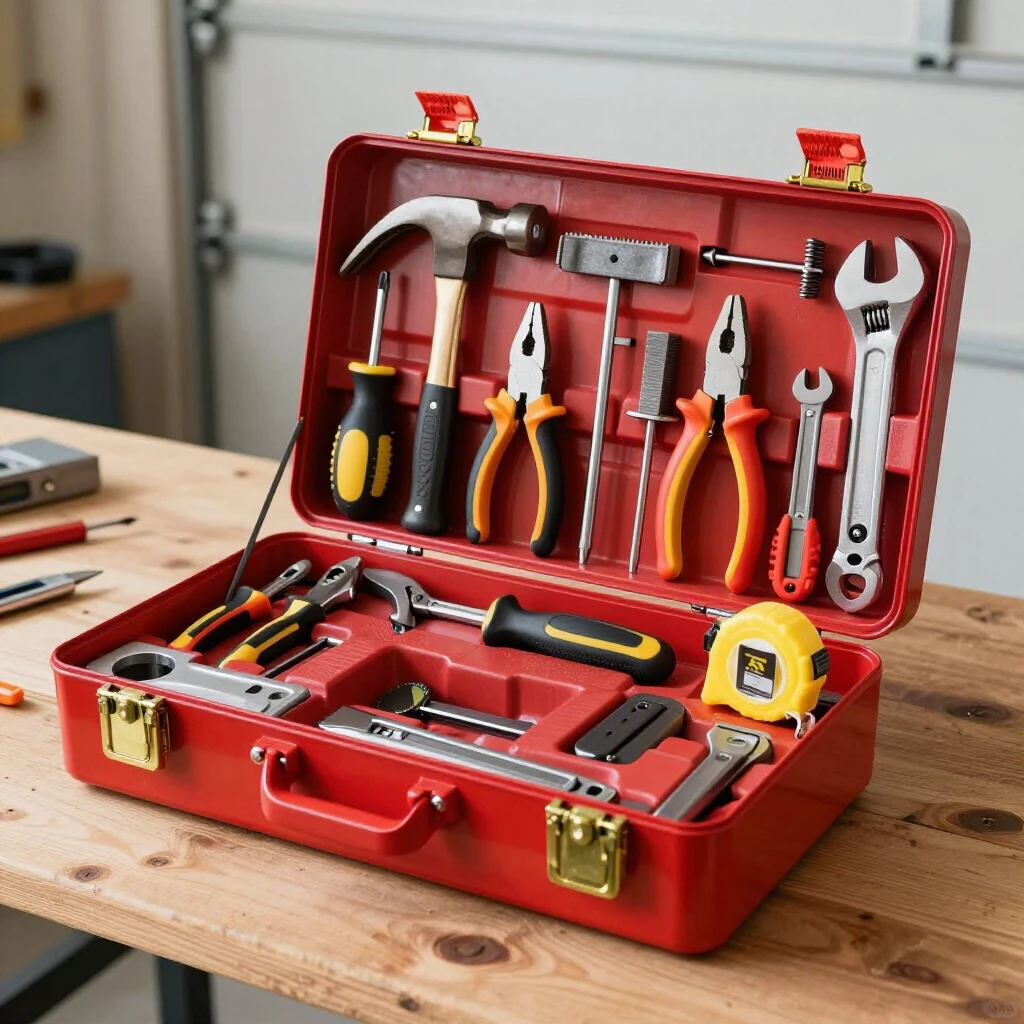
- Organize Tools: Store tools properly when not in use to prevent them from falling or causing injuries.
- Good Lighting: Ensure your workspace is well-lit so you can see what you're doing clearly.
- Ventilation: If working with chemicals or dust, make sure there's proper ventilation to avoid inhaling harmful substances.
Personal Insight: I once tripped over a stray extension cord in my workshop, nearly falling onto a running table saw. Now, I make sure my workspace is always tidy.
Safe Handling and Usage
How you handle and use your tools can make a big difference in safety.
- Proper Grip: Hold tools firmly and correctly to maintain control.
- Stance: Stand in a balanced position to avoid losing control if the tool slips.
- Avoid Distractions: Focus on the task at hand; distractions can lead to mistakes.
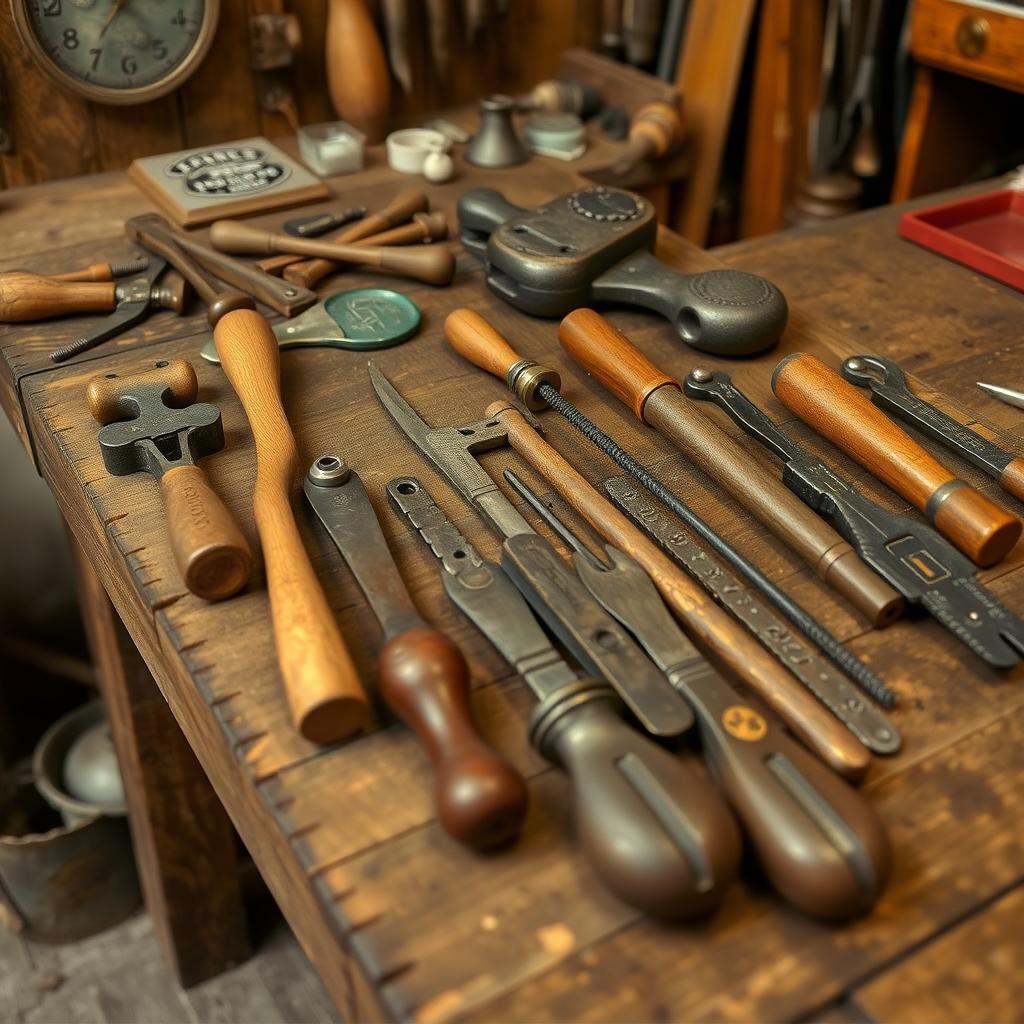
- Maintenance: Regularly inspect and maintain your tools to ensure they're in good working condition.
Personal Insight: I learned the hard way that using a dull blade on a saw requires more force, which can cause the tool to slip. Now, I always keep my blades sharp.
Specific Safety Tips for Different Tools
Different tools require specific safety measures. Here are tips for common categories:
Workman Tools for Plumbing
Plumbing often involves working with water, which can make surfaces slippery and increase the risk of electric shock.
- Turn Off Water: Always shut off the water supply before starting plumbing work.
- Electrical Safety: Be cautious when working near electrical wires, especially in wet areas. Turn off the power at the breaker box if necessary.
- Pipe Wrenches: Use these carefully to avoid pinching your fingers. Always apply force away from your body.
Personal Insight: I once forgot to turn off the water before replacing a faucet, and water sprayed everywhere, soaking me and the bathroom. It was a mess, but it taught me to always double-check the water supply.
Woodworking Tools
Woodworking involves sharp blades and powerful machinery, so extra caution is needed.
- Sharp Blades: Keep blades sharp to prevent kickback and ensure clean cuts.
- Push Sticks: Use push sticks when working with table saws to keep your hands safe.
- Dust Management: Use dust collection systems or wear a mask to avoid inhaling sawdust.
Personal Insight: I once had a close call with a table saw when the wood kicked back. Now, I always use a push stick and make sure the blade is sharp.
General Workman Tools
These everyday tools still require attention to safety.
- Ladder Safety: Ensure ladders are stable and on level ground. Never stand on the top rung.
- Power Tool Precautions: Unplug power tools when not in use and keep cords away from sharp edges.
- Hammer Safety: Use the right hammer for the job and watch your fingers when nailing.
Choosing the Right Tool
Using the appropriate tool for the task not only makes the job easier but also safer.
- Don't Improvise: Using a screwdriver as a chisel or a wrench as a hammer can lead to accidents. Each tool is designed for a specific purpose.
- Quality Matters: Invest in good-quality tools. Cheap tools can break or malfunction, causing injuries.
- Ergonomics: Choose tools that feel comfortable in your hand and are designed to reduce strain, especially for repetitive tasks.
Personal Insight: I once tried to use a flathead screwdriver to pry open a paint can, and the tip snapped, nearly hitting my face. Now, I always use the proper tool for the job.
Tool Maintenance
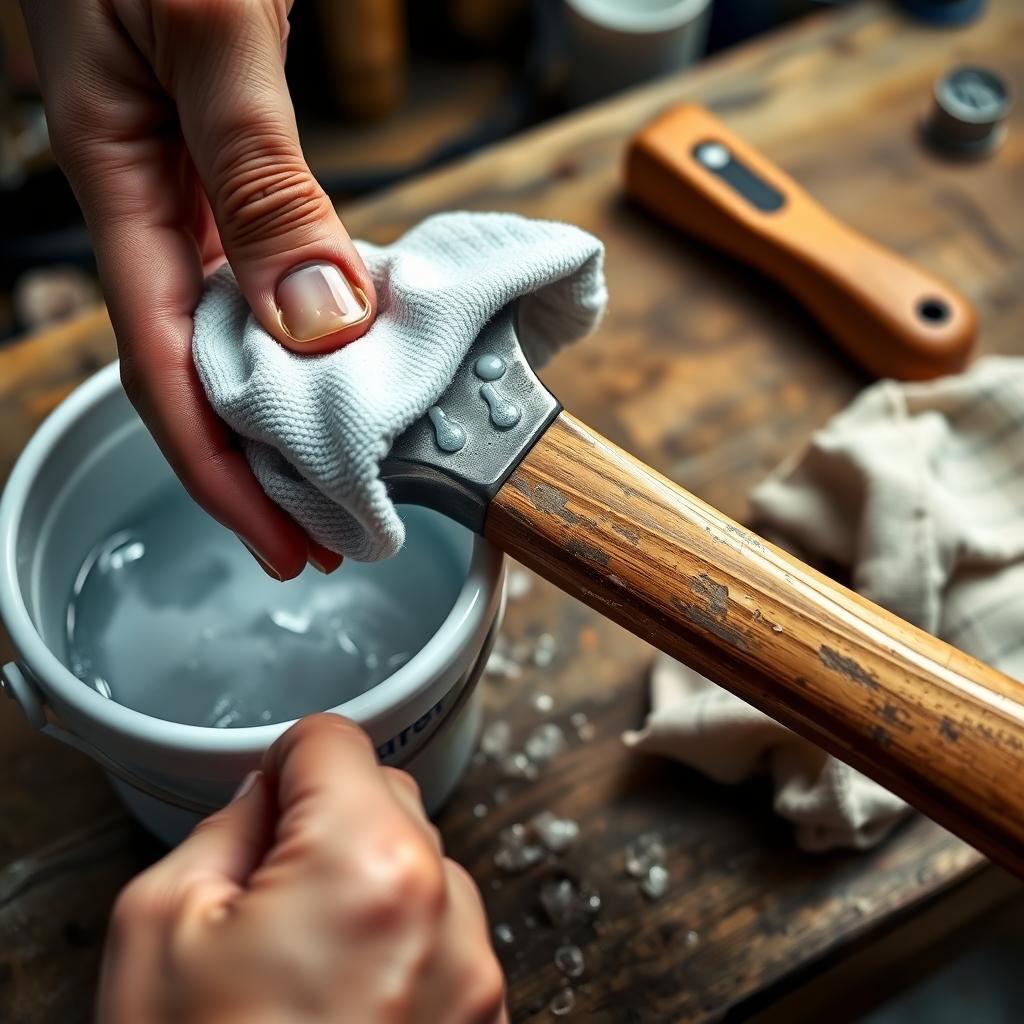
Keep your tools in top shape, and they’ll keep you safe.
- Clean Them: Wipe off dirt and rust after every use.
- Sharpen Up: Dull blades are dangerous. Sharpen them regularly.
- Inspect: Check for cracks or wobbles before you start.
- Store Smart: Keep them dry and in a toolbox or on a rack.
Emergency Preparedness
Accidents happen. Be ready for them.
- First Aid Kit: Have one close with bandages and antiseptic.
- Know the Basics: Learn to clean a cut or stop bleeding.
- Call for Help: If it’s bad, get a doctor fast.
I sliced my hand with a knife once. My first aid kit patched me up quick, and I was back to work soon.
Summary
Following these tips ensures you stay safe and do great work. Know your tools, wear protective gear, keep your space clean, handle tools right, pick the best ones, maintain them, and be ready for emergencies. Safety first makes every project better.
Related Safety First: Best Practices for Using Tools:
- Essential Workman Tools for Every Homeowner
- Maintenance Tips for Keeping Your Tools in Top Condition
- Essential Workman Tools for Every Project
- Essential Workman Tools for Every Job
- Safety Essentials for Working with Hand Tools
- Hand Tools Maintenance Tips: Keep Your Workman Tools in Top Shape
- Time Management Strategies for Mechanics and Tradespeople
- Understanding Battery Lifespan: Tips and Tricks
- The History of Power Tools: From Hand Tools to Smart Innovations
- Innovative Electrical Tools for 2023
- Top Workman Tools for Vehicle Repairs
- Black & Decker’s Legacy in Tool Innovation