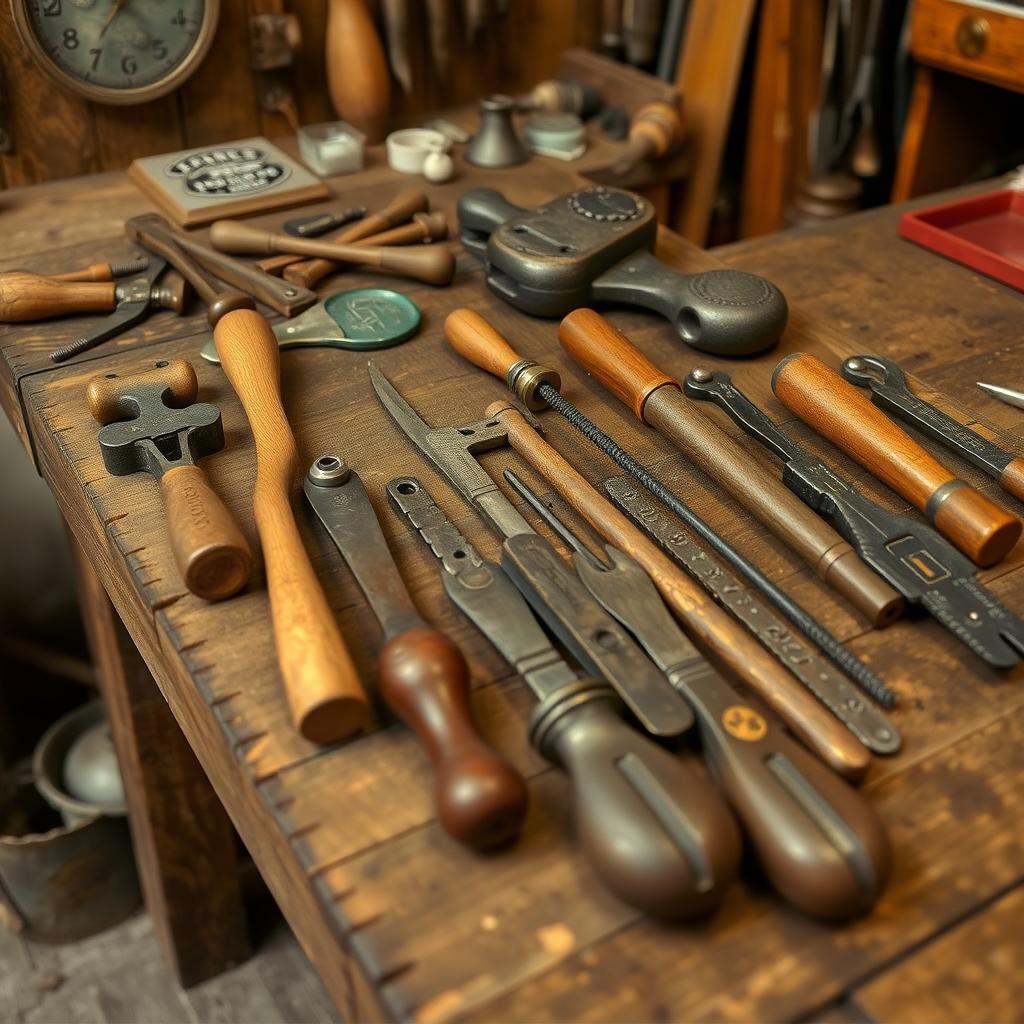
Keeping your hand tools in top shape isn’t just about making them last longer—it’s about working smarter, safer, and more efficiently. Whether you’re a professional workman or a DIY enthusiast, these hand tools maintenance tips will help you get the most out of your trusty workman tools.
Cleaning your hand tools might feel like extra work, but it’s the first step to keeping them in great condition. Dirt, grease, and grime can build up over time, hiding small problems that could grow into big headaches. I learned this lesson years ago when I left my favorite hammer caked in mud after a rainy outdoor project. A few weeks later, I noticed the wooden handle starting to splinter. The moisture from the mud had seeped in, weakening it. Since then, I’ve made it a rule: clean your tools after every use.
To clean your tools, grab a damp cloth and wipe off any dirt or residue. For tougher spots, a little mild dish soap does the trick—just don’t soak them. Dry everything thoroughly with a clean rag to stop rust from forming. Metal tools like wrenches or pliers might need a quick scrub with a wire brush if rust has already started. Keeping your hand tools clean isn’t just about looks; it’s about catching issues early and keeping them ready for action.
Lubrication keeps your hand tools moving smoothly and protects them from rust. Think of it as a little TLC for your workman tools. But you can’t just slap any oil on them—different tools need different care. I’ve found that using the right lubricant makes all the difference.
Here’s a simple guide to get you started:
| Tool Type | Recommended Lubricant |
|---|---|
| Metal tools with hinges | Light machine oil |
| Wooden handles | Linseed oil |
| Cutting tools (e.g., saws) | Cutting oil |
| Pneumatic tools | Air tool oil |
For metal tools like pliers or scissors, a few drops of light machine oil on the hinges keeps them gliding smoothly. Wooden handles, like on hammers or axes, love a light coat of linseed oil to prevent cracking. Just apply a small amount with a cloth and wipe off any extra—too much oil can attract dust and make a mess. This small step keeps your tools feeling new and working like they should.
A dull tool isn’t just annoying—it’s dangerous. Dull blades force you to push harder, increasing the chance of slips or mistakes. I found this out the hard way when I tried muscling a dull chisel through some hardwood. It slipped, and I ended up with a cut that could’ve been avoided. Now, I sharpen my cutting tools regularly, and it’s a game-changer.
For most hand tools like chisels, knives, or shears, a sharpening stone works wonders. Wet the stone with water or oil (depending on the type), then glide the blade across it at the original angle—usually about 20-30 degrees. Take your time, doing a few strokes on each side until it’s sharp. Test it by cutting a piece of paper; if it slices cleanly, you’re good. Not sure how to start? The National Safety Council has a great sharpening guide here that’s worth a look.
How you store your hand tools matters more than you might think. I used to toss everything into a toolbox and call it a day, but that led to chipped blades, scratched surfaces, and even a broken screwdriver tip. Now, I’m smarter about it, and my tools last longer.
A pegboard is my go-to for keeping things organized and easy to grab. Hang your hammers, wrenches, and pliers where you can see them. For smaller tools or ones that can’t hang, a toolbox with separate compartments keeps them safe. Here are some storage ideas:
- Pegboard: Perfect for hanging tools with hooks.
- Toolbox: Use one with dividers for small items.
- Tool Chest: Great for bigger tools like saws.
- Wall Racks: Ideal for long-handled tools.
Keep your storage area dry and cool to avoid rust. A little effort here saves you from headaches later.
Checking your hand tools before and after use is like giving them a quick health check. It helps you spot wear or damage early, keeping small issues from turning into big ones. I’ve gotten into the habit of inspecting my tools every time I pick them up or put them away. It’s saved me from using a cracked hammer or a bent screwdriver more than once.
Hold each tool up to the light and look for cracks, bends, or worn spots. For screwdrivers, check the tip—if it’s rounded, it won’t grip screws well. On hammers, make sure the head isn’t loose. If you find anything off, fix it right away or set the tool aside. This keeps your tools reliable and your projects safe.
Sometimes a tool can be fixed; other times, it’s done for. Knowing the difference saves time and money. I once tried fixing a snapped hacksaw blade with duct tape—big mistake. It fell apart mid-cut, and I had to start over. Now, I’m quicker to judge what’s worth saving.
For minor fixes, like a loose hammer head, tighten it with a wedge or glue. Worn plier grips? Wrap them with electrical tape. But if a blade is bent beyond repair or a handle’s cracked through, replace it. Investing in a new tool beats struggling with a broken one any day.
Maintaining your tools is only half the battle—using them safely is just as important. A few simple habits can keep you injury-free. I’ve had close calls that taught me to never skip these steps.
Wear safety gear like glasses, gloves, and sturdy boots every time. Use the right tool for the job—don’t force a wrench to act like a hammer. Keep your workspace clean and bright to avoid trips or slips. Never use a damaged tool; fix or replace it first. And always watch your surroundings—keep others at a safe distance. These tips make every project smoother and safer.
By following these hand tools maintenance tips, you’ll not only extend the life of your tools but also make your work easier and safer. Remember, a well-maintained tool is a joy to use.
Recommended Readings: - "10 Essential Hand Tools Every Craftsman Should Own" - "How to Choose the Right Tool for the Job" - "Advanced Tool Maintenance Techniques"
Related hand tools maintenance tips:
- Time Management Strategies for Mechanics and Tradespeople
- Understanding Battery Lifespan: Tips and Tricks
- The History of Power Tools: From Hand Tools to Smart Innovations
- Innovative Electrical Tools for 2023
- Top Workman Tools for Vehicle Repairs
- Black & Decker’s Legacy in Tool Innovation
- Tool Maintenance 101: Keeping Your Tools in Top Shape
- Essential Construction Tools for Masonry Work
- Essential Tools for Every Craftsman
- Essential Safety Tips for Workman Tools
- What’s Next for Cordless Technology
- Workman Tools for Beginners