Ever had a screwdriver slip and ruin a project? Or struggled with a dull tool that just won't do the job? Proper maintenance and safety can prevent these frustrations. In this guide, we'll dive into Tool Maintenance 101: Keeping Your Tools in Top Shape, with a special focus on screwdrivers. Whether you're a beginner or a seasoned pro, these tips will help you keep your tools performing at their best and ensure you're using them safely.
Tools are the backbone of any project—whether you’re fixing a leaky faucet, building a bookshelf, or assembling furniture. They’re like partners: treat them well, and they’ll perform when you need them. Ignore them, and you’ll face delays, frustration, or even injuries. Caring for tools saves time and money by making them last longer and work better. It’s not just about screwdrivers—every tool benefits from attention—but the principles stay the same: clean them, store them right, and check them often.
Screwdrivers are everywhere—in homes, garages, and workshops. They seem simple, but picking the right one matters. Here’s a quick rundown:
- Flathead: A flat tip for single-slot screws. Old-school but reliable.
- Phillips: A cross-shaped tip for cross-slot screws. Great for grip and power.
- Torx: A star-shaped tip, often used in cars or gadgets. Handles tough jobs without slipping.
- Hex (Allen): A six-sided tip for hex screws. Common in furniture or bikes.
Using the wrong screwdriver can mess up the screw, the tool, or your project. It might even hurt you if it slips. Know your screws, and match them to the right tool.
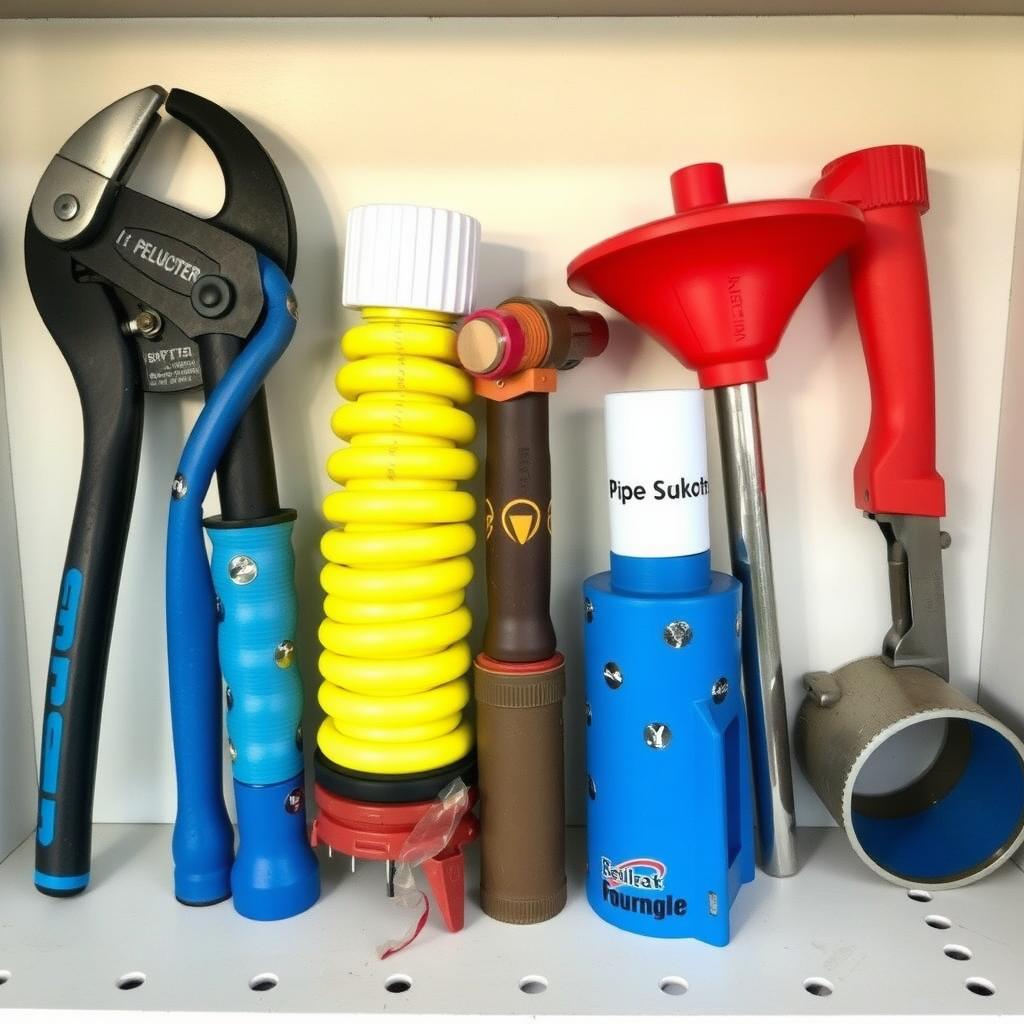
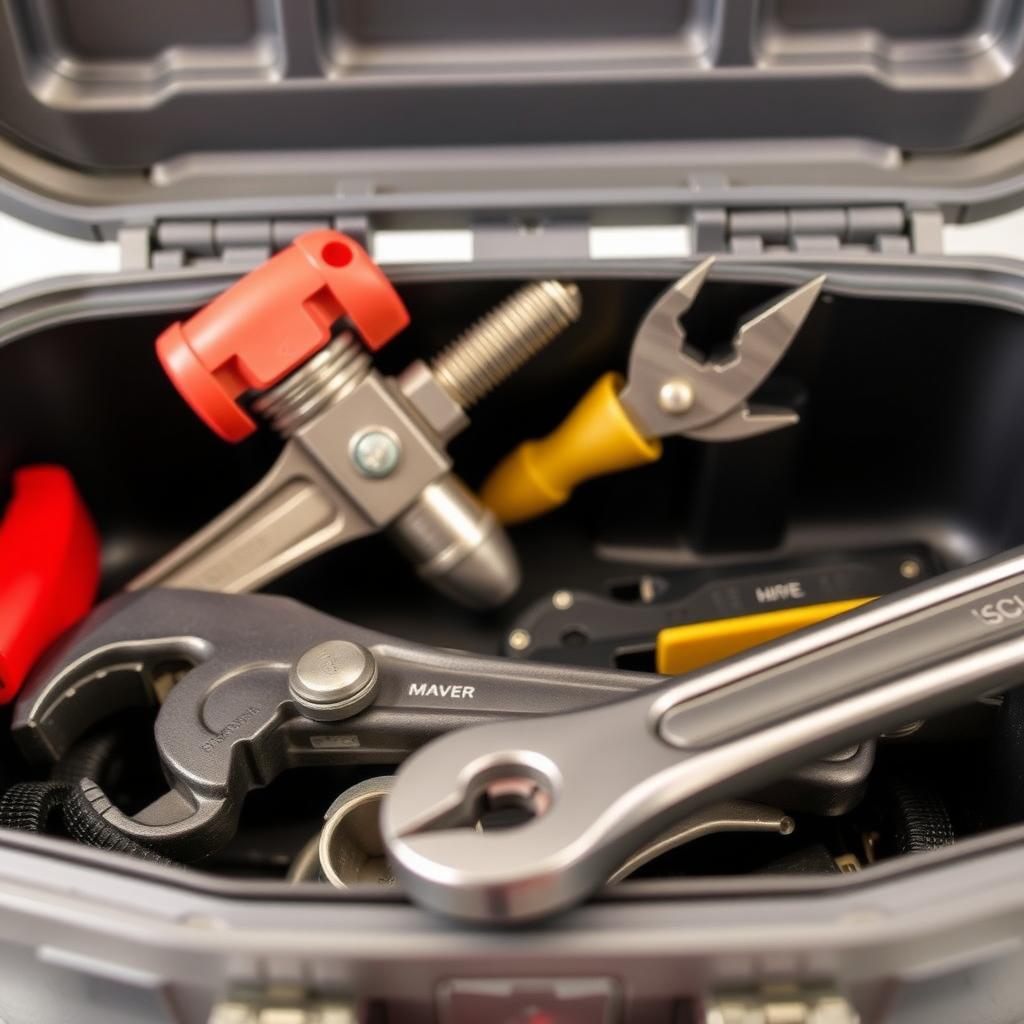
Proper maintenance of screwdrivers involves several key practices. First, cleaning: after each use, wipe down the screwdriver with a clean cloth to remove any dirt, grease, or moisture. This prevents corrosion and keeps the handle grippy and comfortable. For stubborn grime, a mild solvent or rubbing alcohol can be used, but be sure to dry the tool thoroughly afterward. Storage is equally important. Screwdrivers should be stored in a dry place, away from moisture and extreme temperatures. A toolbox with individual slots or a pegboard with hooks can keep them organized and prevent them from knocking against each other, which can cause damage. Regular inspection is also crucial. Check the tips for wear, such as rounding or chipping, which can cause the tool to slip. For some screwdrivers, like flatheads, you might be able to sharpen the tip with a file, but for most, especially those with specialized tips like Phillips or Torx, it's best to replace them when they're worn. Additionally, check the handle for cracks or damage, as a compromised handle can affect your grip and control.
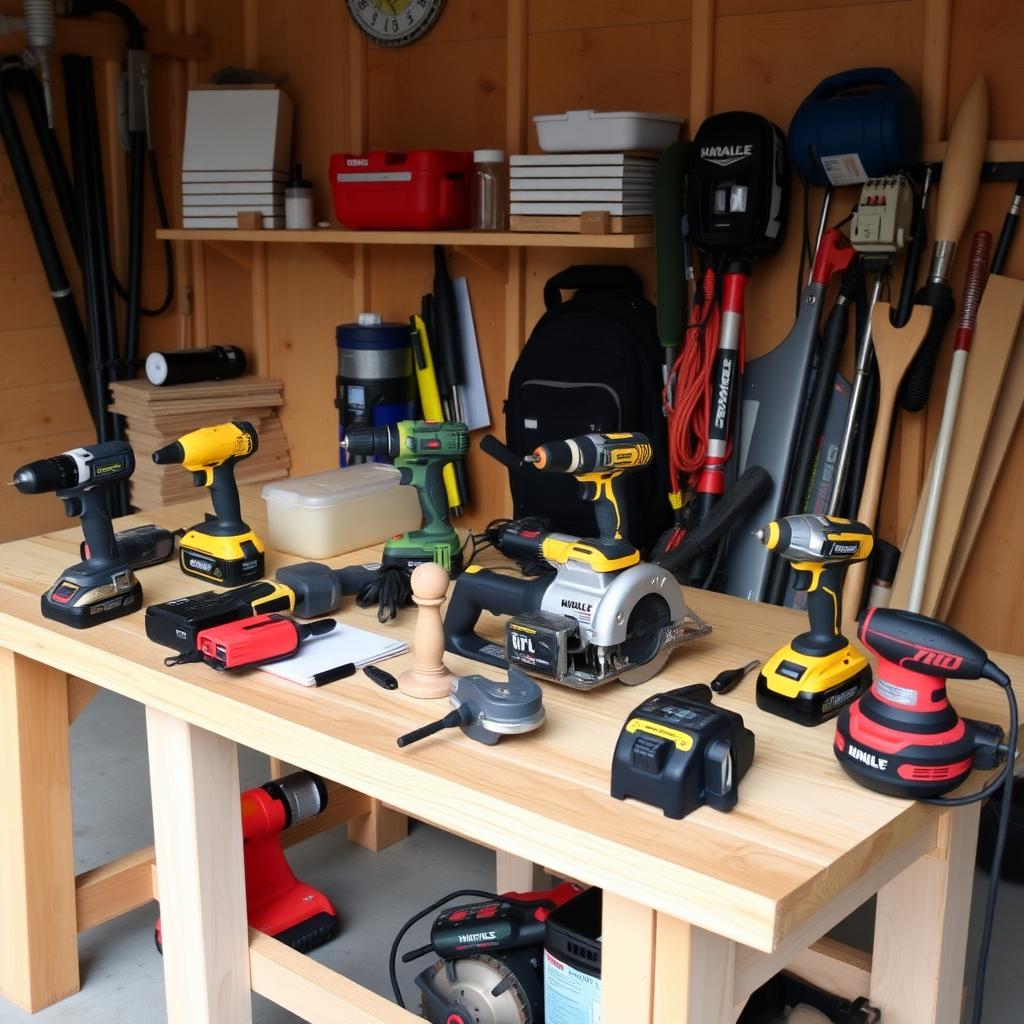
Safety should always be a priority when using tools, and screwdrivers are no exception. One of the most common mistakes is using the wrong size or type of screwdriver for the screw. This can cause the tool to slip, potentially leading to injury or damage to the workpiece. Always match the screwdriver to the screw: the tip should fit snugly into the screw head without wobbling. When using a screwdriver, grip the handle firmly but not too tightly, and keep your other hand clear of the tip. If you're applying a lot of force, consider wearing gloves to improve your grip and protect your hands from blisters or cuts. Eye protection is also advisable, especially if you're working in a position where the screwdriver could slip and fly towards your face. For example, when working overhead or in tight spaces, the risk of the tool slipping increases. Additionally, be mindful of where you place your screwdrivers when not in use. Don't leave them lying around where someone could step on them or trip over them. Instead, store them in a toolbox or on a workbench where they're out of the way.
When it comes to tool maintenance and safety, there are several common mistakes that people often make. One of the most frequent is using a screwdriver as a pry bar or chisel. Screwdrivers are designed for turning screws, not for leveraging or cutting, and using them improperly can damage the tool or cause injury. Another mistake is ignoring the condition of the tool. A worn or damaged screwdriver can slip, leading to accidents or damage to the workpiece. Always inspect your tools before use and replace them if necessary. Additionally, many people store their tools improperly, leaving them exposed to moisture or in a jumbled pile where they can get damaged. Proper storage in a dry, organized space is essential. Finally, not wearing appropriate safety gear, like gloves or eye protection, can put you at risk. Even if you're just doing a quick job, it's better to be safe than sorry.
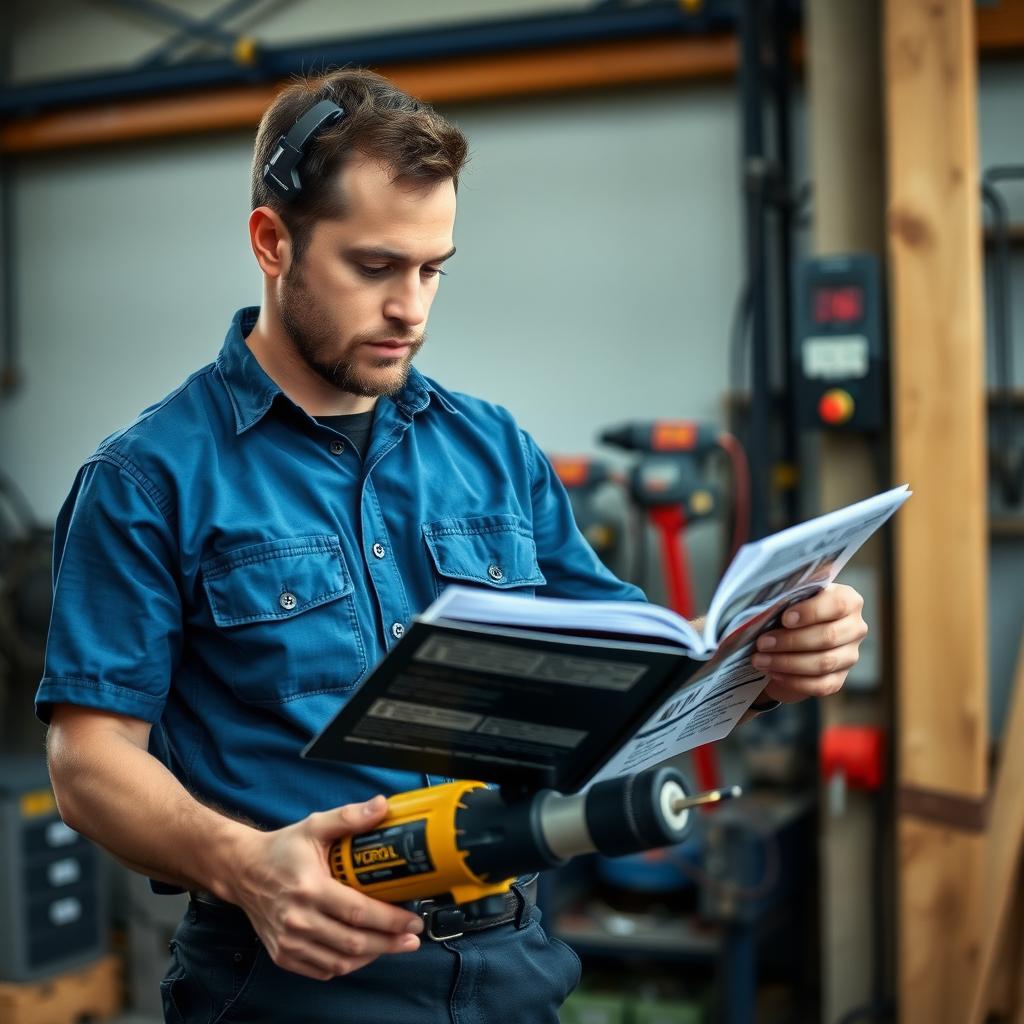
I learned the hard way about the importance of tool maintenance. A few years ago, I was working on a home improvement project and reached for my trusty old screwdriver. It had been in my toolbox for years, and I hadn't given it much thought. As I started to tighten a screw, the tip slipped, stripping the screw and scratching the surface I was working on. Frustrated, I inspected the screwdriver and realized the tip was worn and rounded. If I had taken the time to check and maintain my tools regularly, I could have avoided that mishap. Since then, I've made it a habit to inspect my tools before each project and to clean and store them properly afterward. It's a small investment of time that pays off in the long run.
In conclusion, taking care of your tools, especially screwdrivers, is essential for both performance and safety. Regular cleaning, proper storage, and routine inspections can extend the life of your tools and ensure they work when you need them. Remember to always use the right tool for the job and follow safety guidelines to prevent accidents. By making tool maintenance a habit, you'll not only save time and money but also enjoy a smoother, more satisfying working experience.
Related Tool Maintenance 101: Keeping Your Tools in Top Shape:
- Essential Construction Tools for Masonry Work
- Essential Tools for Every Craftsman
- Essential Safety Tips for Workman Tools
- What’s Next for Cordless Technology
- Workman Tools for Beginners
- The Ultimate Guide to Plumbing Tools
- The Science Behind Ergonomic Design
- Stay Safe: Power Tool Basics
- Ergonomic Power Drills for Reduced Fatigue
- Choosing the Right Saw for Your Project
- Top Plumber Tool Sets for Home Repairs
- Choosing the Right Power Tools for Your Project