Power tools make life easier. Whether you’re building a bookshelf or fixing a fence, they save time and effort. But here’s the catch—they can be dangerous if you’re not careful. I’ve seen friends get hurt because they skipped basic safety steps, and I’ve learned from those moments. Safety isn’t just a suggestion; it’s a must.
The Consumer Product Safety Commission reports over 400,000 emergency room visits each year from power tool injuries. That’s a big number, and it shows why we need to take this seriously. Most of these accidents happen because people don’t know the risks or ignore the rules. The good news? You can avoid trouble with the right knowledge and habits.
This article covers everything you need to stay safe. We’ll talk about why safety matters, how cordless tools are changing the game, and how to keep your tools in great shape. Let’s dive in and make sure your next project goes smoothly—and safely.
Safety should always be your top priority when using power tools. Here are some essential tips to keep in mind:
- Wear Proper Protective Gear: Always use safety glasses, gloves, and hearing protection when necessary. For tools that generate dust, such as sanders or saws, wear a dust mask.
- Use the Right Tool for the Job: Using a tool for a purpose it wasn't designed for increases the risk of accidents. Always choose the appropriate tool for the task.
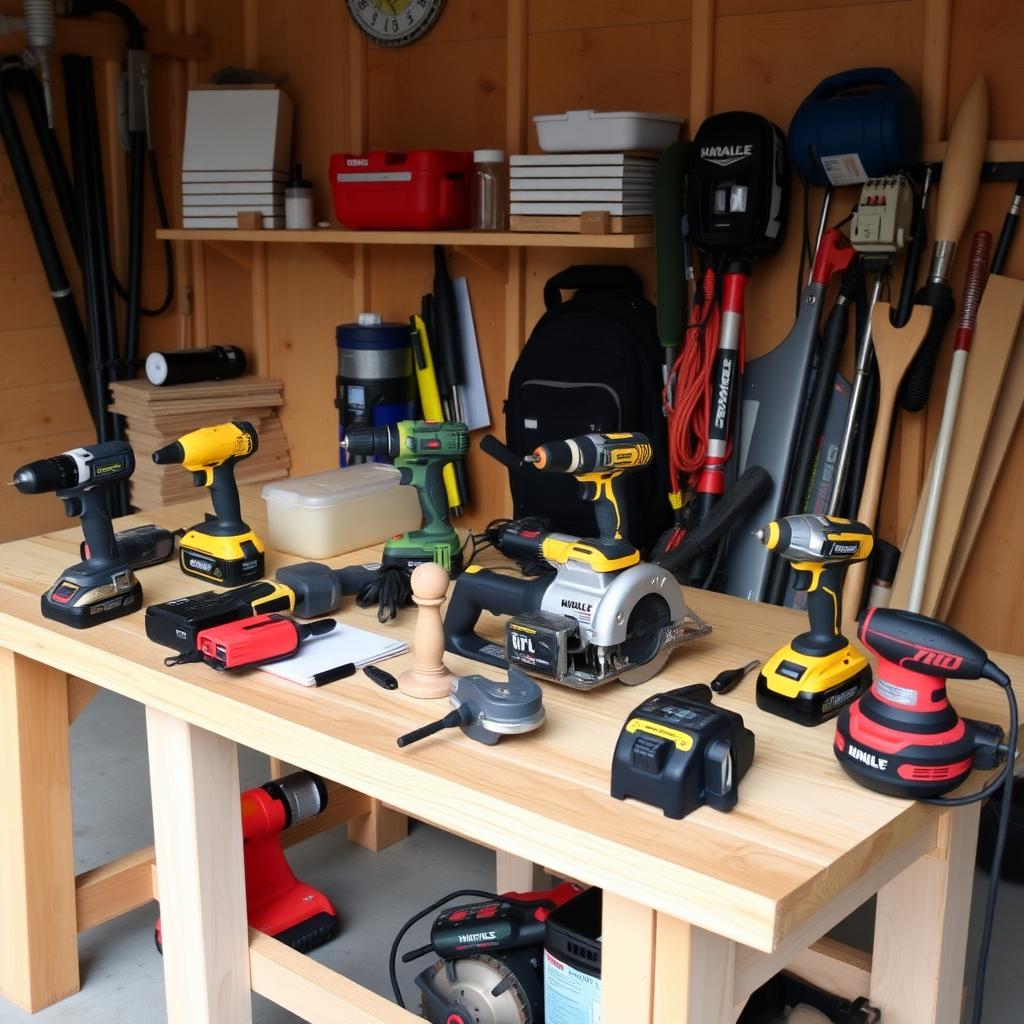
- Keep Your Work Area Clean and Organized: A cluttered workspace can lead to trips, falls, or accidental tool activation.
- Read the Manufacturer's Instructions: Every tool is different. Familiarize yourself with the specific safety guidelines for each piece of equipment.
- Inspect Tools Before Use: Check for loose parts, damaged cords, or dull blades. Never use a tool that appears to be malfunctioning.
- Disconnect Power When Not in Use: For corded tools, unplug them when changing accessories or making adjustments. For cordless tools, remove the battery.
To make it easier, here's a table outlining the recommended safety gear for common power tools:
| Power Tool | Safety Gear |
|---|---|
| Drill | Safety glasses, gloves |
| Saw | Safety glasses, hearing protection, dust mask |
| Sander | Safety glasses, dust mask |
| Grinder | Safety glasses, gloves, face shield |
These steps are simple, but they work. Trust me—taking a minute to prep beats dealing with an injury any day.
Taking care of your tools isn’t just about making them last—it’s about keeping them safe to use. I learned this the hard way when a dusty old saw jammed up mid-cut. Regular upkeep stops that kind of scare.
Here’s what I do to keep my tools ready: - Clean After Each Use: After every job, wipe off dust and gunk. A brush or canned air works great for tight spots. - Look for Trouble: Check for loose screws, cracked cases, or worn-out cords. For cordless tools, peek at the battery too. - Oil Moving Parts: A little lubricant on gears or blades keeps things smooth. Check the manual for what to use. - Sharpen When Needed: Dull bits and blades make tools work harder—and that’s when they kick back or break. - Store Smart: Keep tools in a dry spot. I use a toolbox or case to shield them from bumps and moisture.
Cordless tools need extra attention: - Charge Right: Don’t leave batteries plugged in forever—it wears them out. Follow the charging time in the manual. - Store Batteries Well: Keep them cool and dry. Heat or dampness can ruin them fast.
Good maintenance means your tools won’t let you down. Plus, it’s cheaper than replacing them every year.
Cordless drills are my go-to for almost every project. They’re handy, but they need love to stay that way. I’ve trashed a couple by neglecting them, so now I’m strict about their care.
Here’s how to keep your cordless drill in top shape: 1. Clean It After Use: Brush off sawdust and dirt from the chuck and vents. A clean drill runs better and lasts longer. 2. Check the Battery: Look for cracks or weird bulges. A bad battery can die mid-job—or worse, cause a spark. 3. Lube the Chuck: A drop of oil keeps it spinning smoothly. Rusty chucks are a pain to deal with. 4. Case It Up: Store it in a hard case when you’re done. It protects the drill and battery from knocks and dust. 5. Don’t Overcharge: I used to leave mine plugged in overnight—big no-no. Overcharging kills the battery faster. Stick to the recommended time.
A well-cared-for drill is a reliable one. Mine’s been going strong for years now, and it’s all thanks to these habits.
Power tools are awesome—they make tough jobs feel easy. But they’re not toys. With over 400,000 injuries a year, safety has to come first. Wear your gear, use the right tool, and keep everything clean and maintained. Cordless tools give you freedom, but only if you treat them right.
I’ve learned that a little effort upfront—checking my tools, reading the manual, storing them properly—pays off big. You’ll avoid accidents, save money, and get better results. Want to dig deeper? Check out these resources: - Consumer Product Safety Commission: Power Tool Safety - Power Tool Institute: Safety Resources
Related Stay Safe: Power Tool Basics:
- How to Choose the Right Power Tool for Your Project: A Complete Beginner's Guide
- Ergonomic Power Drills for Reduced Fatigue
- Choosing the Right Saw for Your Project
- Top Plumber Tool Sets for Home Repairs
- Choosing the Right Power Tools for Your Project
- Comprehensive Hand Tools Safety Guidelines
- Maximizing Efficiency: Organizing Your Work Space
- Types of Torque Wrenches: A Comprehensive Guide
- Choosing the Right Multimeter
- Innovative Workman Tools for Efficiency
- How Battery Tech Powers Today’s Tools
- Beginner's Guide to DIY Home Repairs