Power drills are indispensable tools in construction, woodworking, and home improvement. However, prolonged use can lead to fatigue, discomfort, and even injury. This is where ergonomic power drills come in. Designed with the user's comfort and safety in mind, these drills minimize strain on the hands, wrists, and arms, allowing for longer, more efficient work sessions. In this article, we'll dive deep into what makes a power drill ergonomic, how it reduces fatigue, and why it's worth investing in one. Whether you're a seasoned professional or a weekend warrior, understanding the benefits of ergonomic design can transform your experience with power tools.
1. Reduced Fatigue and Strain
The primary benefit of ergonomic power drills is reduced fatigue. Traditional drills can cause discomfort after just a few minutes of use, especially when working overhead or in tight spaces. Ergonomic designs distribute weight more evenly and reduce the need for forceful gripping, allowing you to work longer without feeling drained.
2. Improved Productivity
When you're not constantly adjusting your grip or taking breaks due to discomfort, you can complete tasks more efficiently. Ergonomic drills enable smoother, more precise movements, which can lead to better results in less time.
3. Lower Risk of Injury
Musculoskeletal disorders (MSDs) are common among workers who use power tools regularly. These injuries, which affect muscles, tendons, and nerves, can be debilitating and costly. Ergonomic drills are designed to minimize the risk factors associated with MSDs, such as repetitive motion, awkward postures, and excessive force.
4. Better Control and Precision
A comfortable grip and balanced weight distribution give you greater control over the drill, making it easier to achieve accurate results. This is especially important for delicate tasks like drilling into drywall or assembling furniture.
5. Versatility for Different Users
Ergonomic drills are often adjustable or come in various sizes to accommodate different hand sizes and strengths. This makes them suitable for a wide range of users, from professionals to hobbyists.
When shopping for an ergonomic power drill, keep an eye out for these essential features: - Lightweight Construction: Look for drills made from durable yet lightweight materials like magnesium or high-strength plastics. - Adjustable Handles: Some drills come with rotatable or adjustable handles to accommodate different drilling angles and user preferences. - Anti-Vibration Technology: Features like padded handles or internal counterbalances can significantly reduce vibration. - Variable Speed and Torque Settings: These allow you to customize the drill's performance to the task, reducing unnecessary strain. - LED Lighting: Built-in lights improve visibility in dark or confined spaces, reducing the need to strain your eyes or body to see your work. - Battery Life: For cordless models, long battery life means fewer interruptions, which can help maintain a comfortable workflow.
Let's break down how specific ergonomic features directly contribute to reduced fatigue: - Grip and Handle Design: A contoured grip allows your hand to rest in a natural position, reducing the need for constant adjustments. This minimizes muscle fatigue in the hand and forearm. - Weight Balance: When a drill is well-balanced, you don't have to compensate for its weight by overusing certain muscles. This leads to less strain on your shoulder and back. - Vibration Dampening: By reducing the amount of vibration transmitted to your hand and arm, ergonomic drills prevent the microtraumas that can lead to long-term injuries. - Trigger Mechanism: A larger trigger that can be operated with multiple fingers distributes the force more evenly, preventing finger fatigue and conditions like trigger finger.
Selecting the right drill involves more than just picking the most expensive model. Here are some tips to ensure you get the best ergonomic fit for your needs: 1. Test the Grip: If possible, hold the drill before buying. It should feel comfortable in your hand, with the trigger easily accessible. 2. Check the Weight: Consider how long you'll be using the drill. If it's for extended periods, opt for a lighter model with good balance. 3. Look for Adjustability: Drills with adjustable handles or torque settings offer more versatility and comfort. 4. Read Reviews: Look for feedback from users who have similar needs. Pay attention to comments about comfort and fatigue. 5. Consider Cordless Options: Cordless drills offer more freedom of movement, which can reduce awkward positioning and strain.
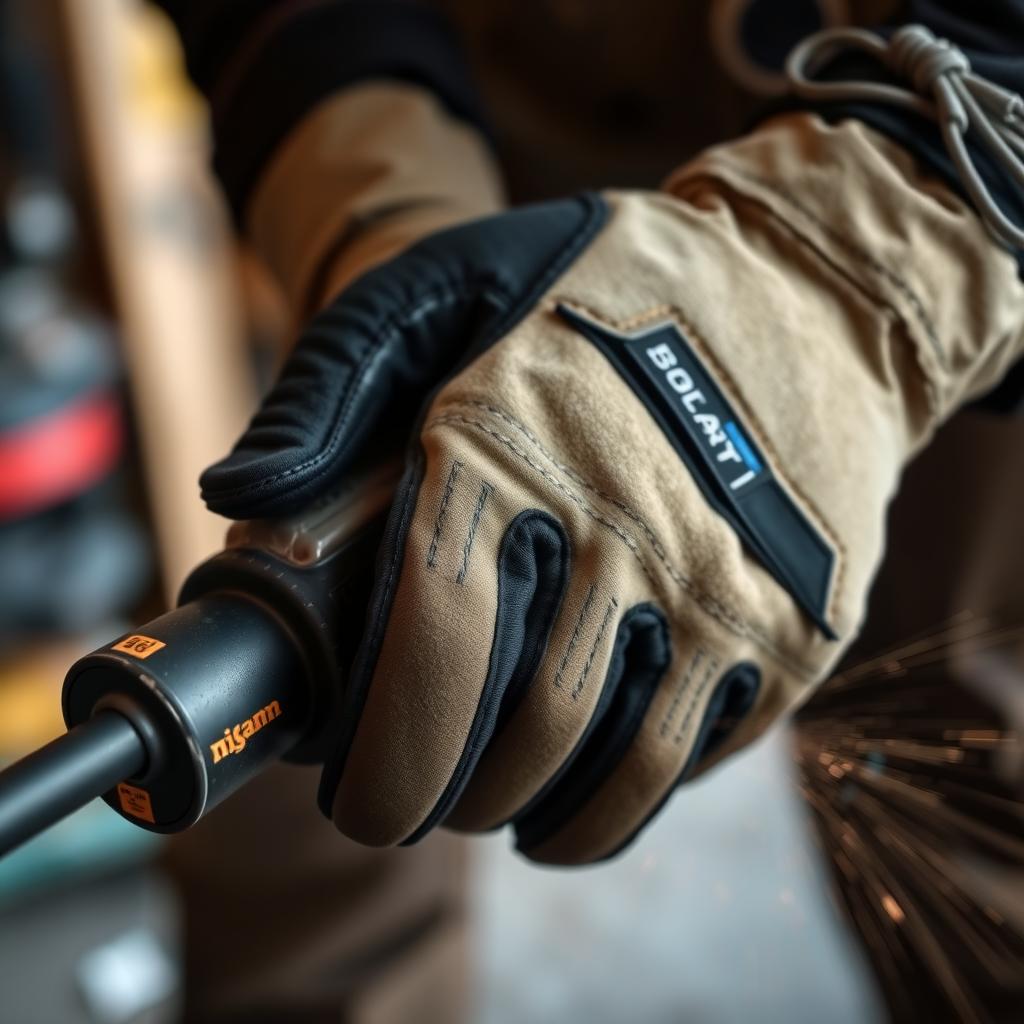
Even the most ergonomic drill won't prevent fatigue if used improperly. Follow these best practices to maximize comfort and safety: - Maintain a Neutral Posture: Keep your wrist straight and avoid bending it excessively while drilling. - Use Both Hands When Necessary: For larger drills or tougher materials, use both hands to distribute the load. - Take Breaks: Even with an ergonomic drill, it's important to rest your muscles periodically. - Adjust Torque Settings: Use the lowest torque necessary for the task to reduce strain. - Wear Protective Gear: Gloves with vibration-dampening properties can further reduce hand fatigue.
Ergonomic design isn't just about comfort—it's backed by science. According to the Occupational Safety and Health Administration (OSHA), work-related musculoskeletal disorders (MSDs) are among the most frequently reported causes of lost or restricted work time. Ergonomic tools, including power drills, are designed to mitigate these risks by addressing factors like force, repetition, and posture.
For example, a study by the National Institute for Occupational Safety and Health (NIOSH) found that tools with ergonomic handles reduced muscle fatigue by up to 30% compared to traditional designs. This is because ergonomic handles allow for a more natural grip, reducing the need for excessive force.
Additionally, the use of vibration-dampening materials has been shown to decrease the risk of hand-arm vibration syndrome (HAVS), a condition that can cause numbness, tingling, and reduced grip strength. By incorporating these scientific principles, ergonomic power drills not only make work easier but also protect your long-term health.
As someone who has spent years working on home improvement projects, I can personally attest to the difference an ergonomic drill makes. A few years ago, I was renovating my kitchen and spent hours drilling into cabinets and countertops. By the end of the day, my hands were sore, and my wrists ached. It wasn't until I switched to an ergonomic drill that I realized how much easier the process could be.
The first thing I noticed was the grip—it felt like the drill was molded to my hand. I didn't have to squeeze as hard to maintain control, and the balanced weight made it easier to maneuver. Even after a full day of work, I felt less fatigued and more in control. It was a game-changer, and I've since made ergonomics a priority when choosing any power tool.
Ergonomic power drills are more than just a luxury—they're an investment in your health, productivity, and overall work quality. By reducing fatigue and minimizing the risk of injury, these tools allow you to work longer and more efficiently. Whether you're a professional tradesperson or a DIY enthusiast, choosing an ergonomic drill can make a world of difference.
When shopping for your next power drill, prioritize features like handle design, weight distribution, and vibration control. Remember, the best tool is one that feels comfortable in your hand and supports your natural movements. With the right ergonomic drill, you'll not only get the job done but also enjoy the process.
Related ergonomic power drills for reduced fatigue:
- Choosing the Right Saw for Your Project
- Top Plumber Tool Sets for Home Repairs
- Choosing the Right Power Tools for Your Project
- Comprehensive Hand Tools Safety Guidelines
- Maximizing Efficiency: Organizing Your Work Space
- Types of Torque Wrenches: A Comprehensive Guide
- Choosing the Right Multimeter
- Innovative Workman Tools for Efficiency
- How Battery Tech Powers Today’s Tools
- Beginner's Guide to DIY Home Repairs
- How to Choose the Right Safety Gear for Your Job
- The Essential Guide to Workman Tools for Plumbing and Maintenance