Choosing the right power tool for your project can be daunting, especially for beginners. This guide will help you navigate the process, ensuring you select the best tool for your needs while considering factors like project requirements, skill level, budget, and safety. By the end, you'll feel confident in your ability to pick the perfect power tool for any task.
When it comes to tackling a project, whether it's a simple DIY task or a more complex home improvement job, having the right power tool can make all the difference. But with so many options available, how do you choose the right one? This article will guide you through the process of selecting the perfect power tool for your project, ensuring you get the job done efficiently and safely.
Understand Your Project
The first step in choosing the right power tool is to understand the specifics of your project. Ask yourself:
- What materials will I be working with? (Wood, metal, concrete, etc.)
- What tasks do I need to perform? (Drilling, cutting, sanding, etc.)
- How large is the project? (Small repairs vs. major renovations)
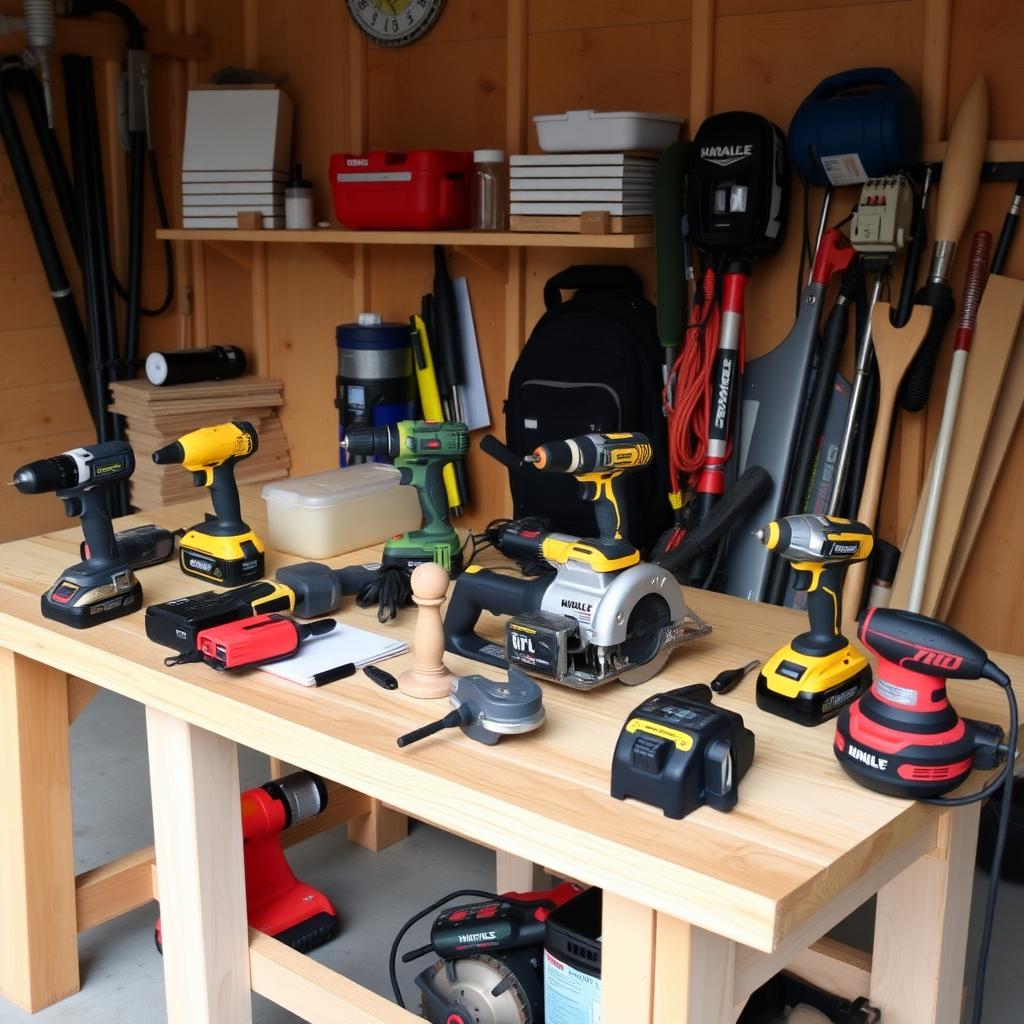
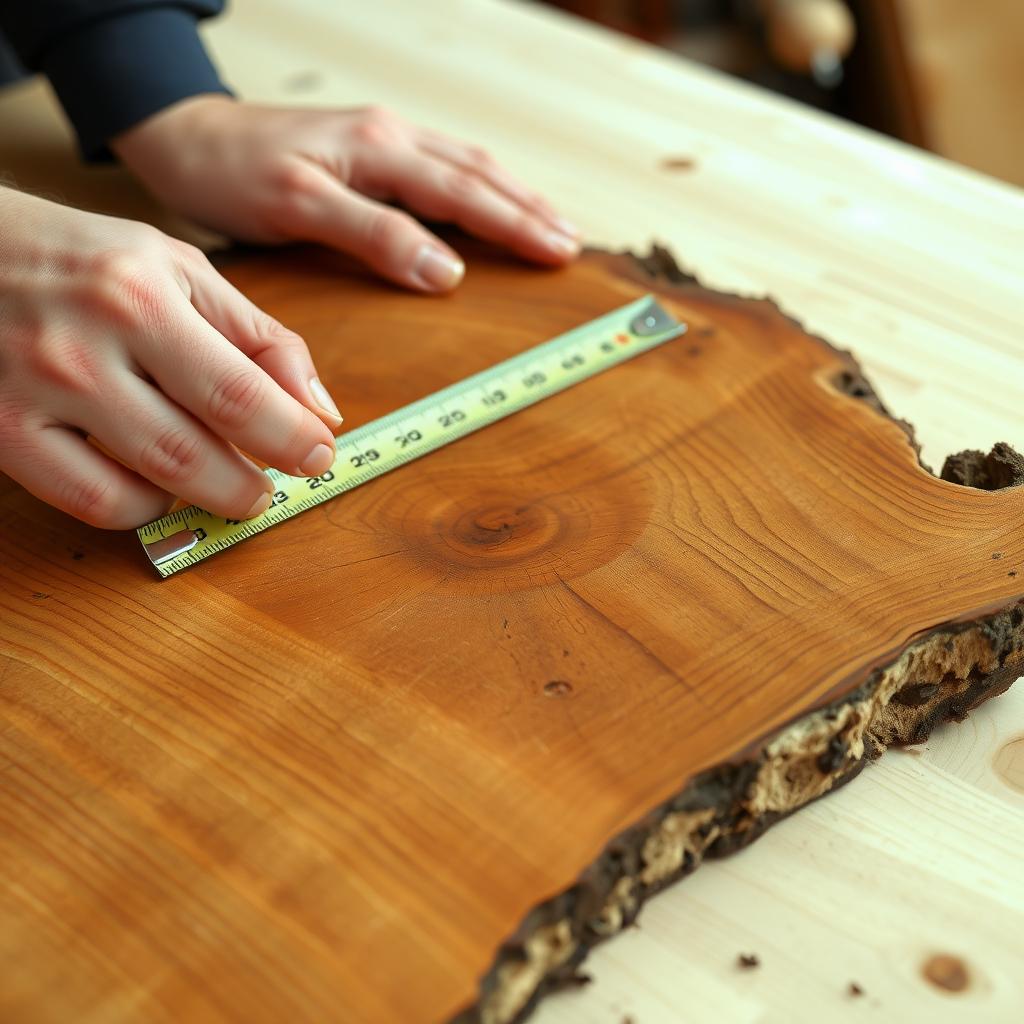
For example, if you're building a wooden bookshelf, you'll likely need a drill for making holes and a saw for cutting the wood. On the other hand, if you're installing tile, a tile cutter or a wet saw would be more appropriate.
Assess Tool Requirements
Once you have a clear understanding of your project, it's time to assess the specific requirements for the tools you'll need. Consider the following:
- Power Source: Do you need a corded tool for continuous power, or a cordless one for portability?
- Size and Weight: Will you be working in tight spaces or need to carry the tool for extended periods?
- Features: Are there specific features that would make the job easier, like variable speed settings or built-in lights?
For instance, if you're working in a remote area without access to electricity, a cordless drill would be essential. Similarly, if you're doing precision work, a tool with adjustable speed might be necessary.

Safety First
Safety should always be a top priority when working with power tools. Before making a purchase, research the safety features of the tool and read reviews from other users. Some key safety features to look for include:
- Trigger Locks: Prevent accidental starts.
- Dust Collection Systems: Reduce exposure to harmful particles.
- Ergonomic Designs: Minimize strain and fatigue.
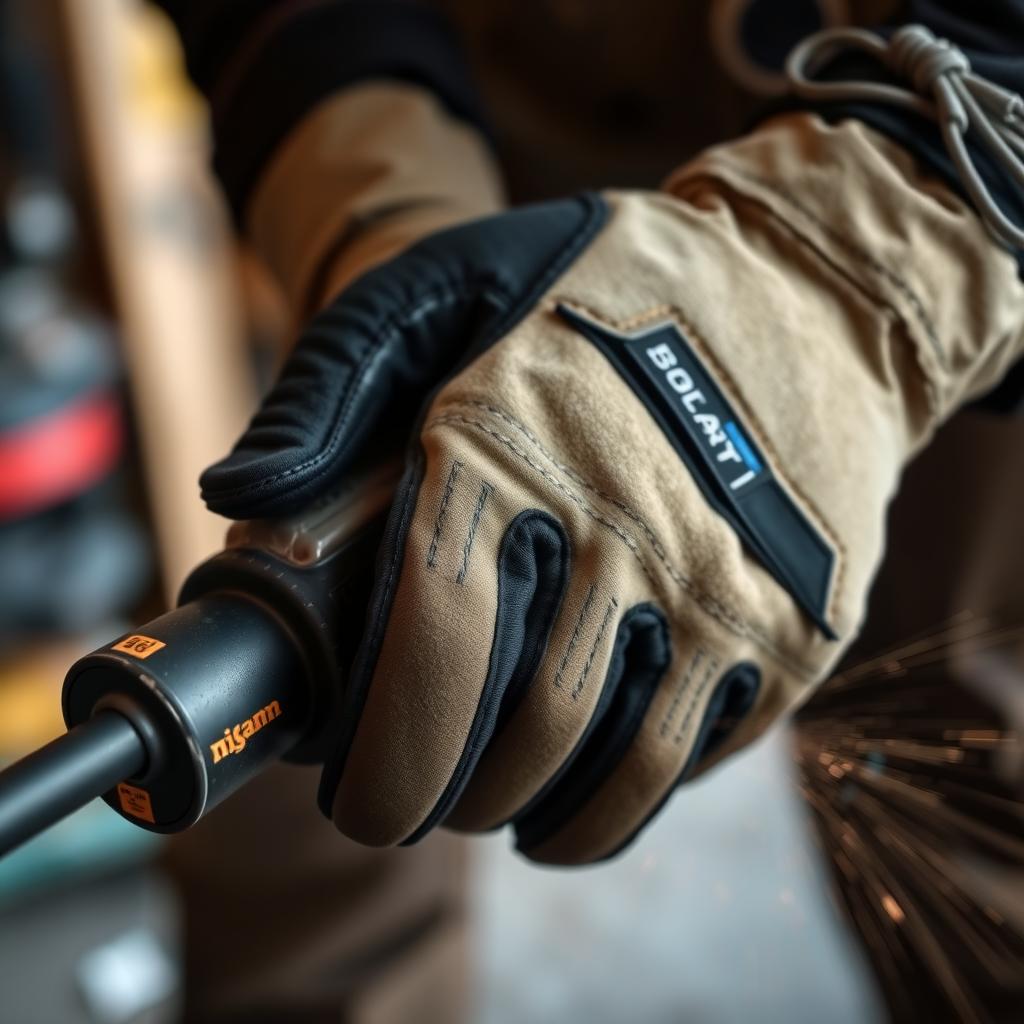
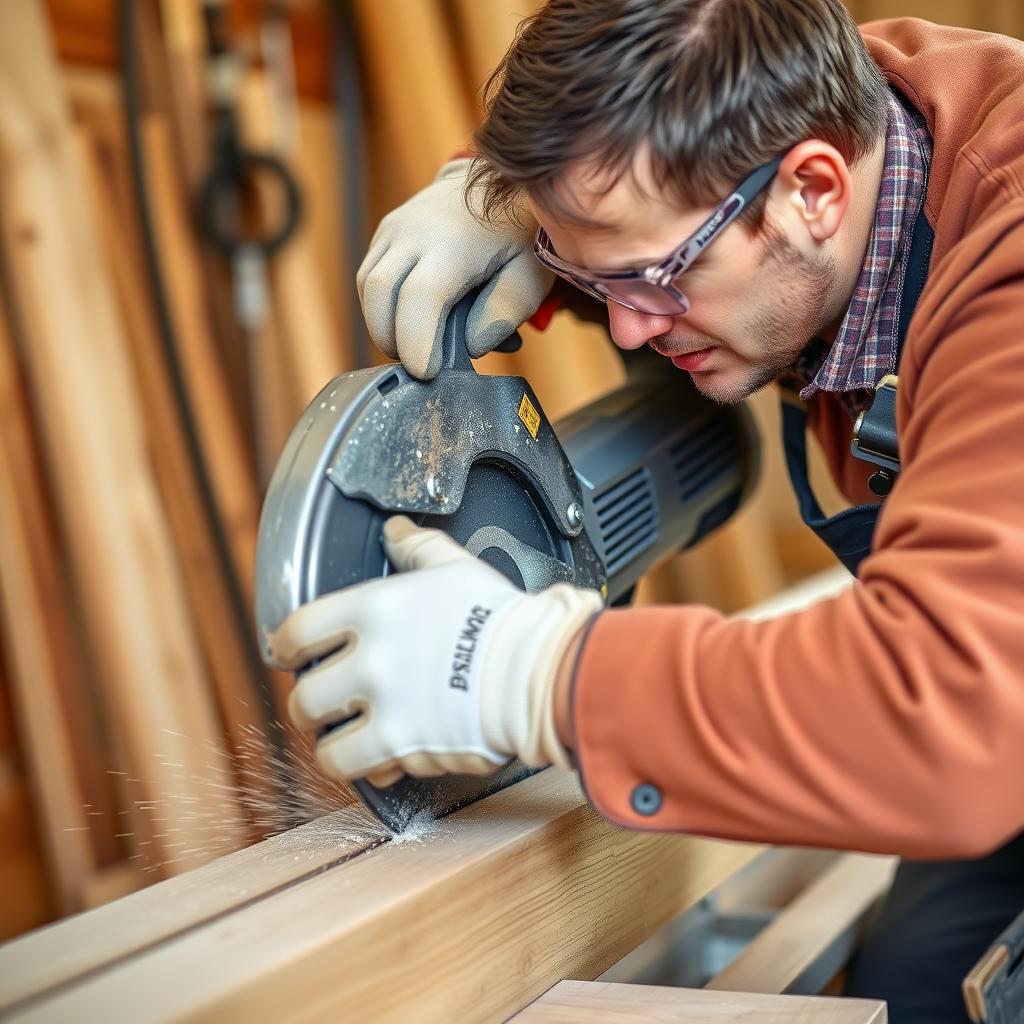
Additionally, always wear appropriate personal protective equipment (PPE), such as safety glasses, gloves, and ear protection, when using power tools.
Personal Insight: Learning from Mistakes
I remember the first time I tried to tackle a home improvement project. I was excited to build a simple wooden shelf but made the mistake of choosing a drill that was too powerful for my needs. Not only did I struggle to control it, but I also ended up with uneven holes and a lot of frustration. That experience taught me the importance of matching the tool to the project and my skill level. Since then, I've learned to take the time to research and choose the right tool for each job, and it's made all the difference in the quality of my work.
Summary
Choosing the right power tool for your project involves understanding your project's requirements, assessing tool features, considering your skill level, setting a budget, and prioritizing safety. By following these steps, you can ensure that you select a tool that not only gets the job done but also enhances your overall experience. Remember, the right tool can turn a daunting task into a rewarding project.
Personal Story: The Drill Disaster
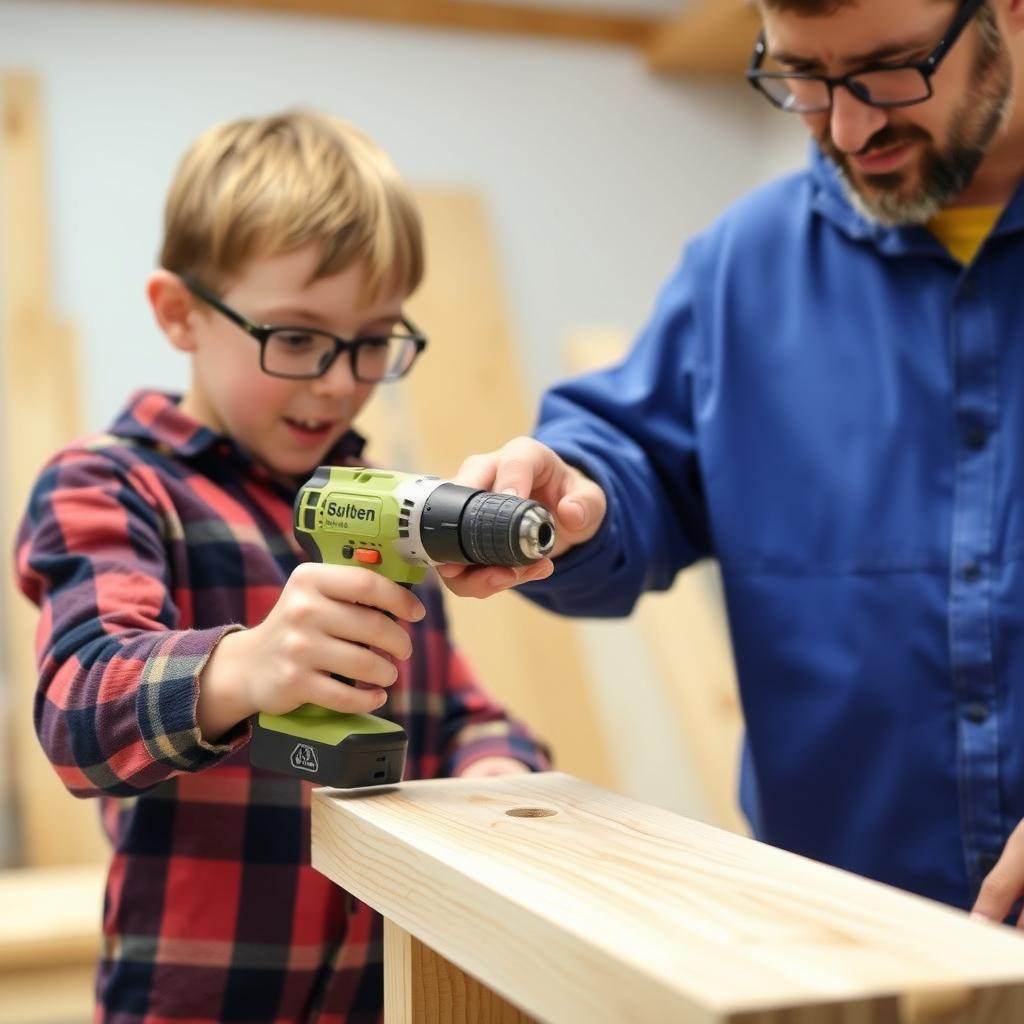
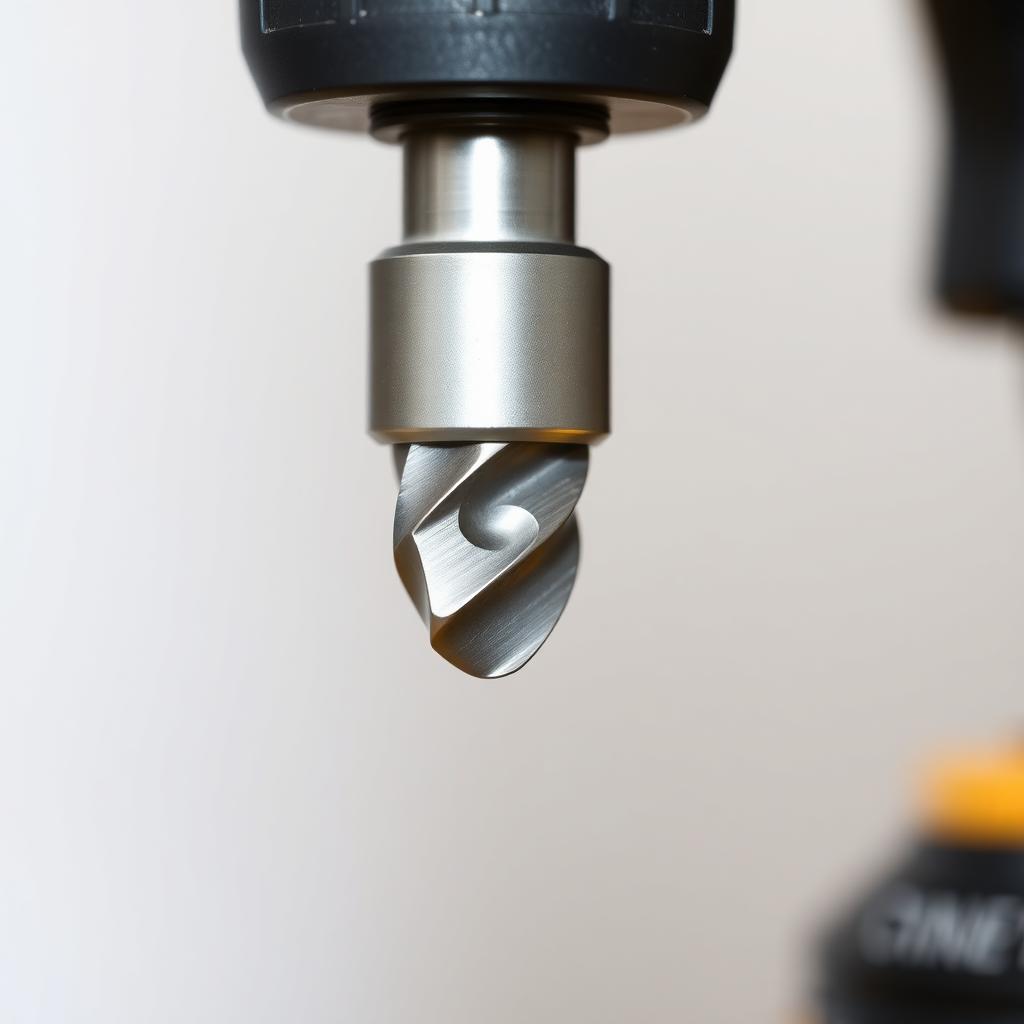
Early in my DIY days, I grabbed a monster drill for a simple shelf project. It was overpowered, hard to control, and left me with wobbly holes. I was embarrassed but learned a big lesson: the right tool matters. Now, I research every job, like picking the right drill for your needs, and my projects turn out way better.
Extra Tips to Nail Your Choice
Here’s some bonus advice:
- Read Reviews: See what others say about reliability.
- Test It Out: Hold it in-store to feel the weight and grip.
- Go Versatile: Multi-tools can cut, sand, and more—great for small spaces.
For bigger jobs, like cleaning a driveway, power washers shine. I tested one before buying and loved how it blasted dirt away. Hands-on time beats guesswork.
Tool Comparison Table
| Tool Type | Best For | Beginner-Friendly? | Avg. Cost |
|---|---|---|---|
| Cordless Drill | Drilling, screwing | Yes | $50-$150 |
| Circular Saw | Cutting wood | No | $60-$200 |
| Power Washer | Cleaning surfaces | Yes | $100-$300 |
| Random Orbital Sander | Sanding wood | Yes | $40-$120 |
This table helps you see what fits your project and skills fast.
Recommended Readings
- Power Tool Safety Tips - OSHA’s expert advice on safe power tool use.
- Beginner’s Guide to Power Tools - A friendly intro for newbies from Family Handyman.
- How to Maintain Your Power Tools - Popular Mechanics’ tips to keep tools running strong.
Related How to Choose the Right Power Tool for Your Project:
- Comprehensive Hand Tools Safety Guidelines
- Maximizing Efficiency: Organizing Your Work Space
- Types of Torque Wrenches: A Comprehensive Guide
- Choosing the Right Multimeter
- Innovative Workman Tools for Efficiency
- How Battery Tech Powers Today’s Tools
- Beginner's Guide to DIY Home Repairs
- How to Choose the Right Safety Gear for Your Job
- The Essential Guide to Workman Tools for Plumbing and Maintenance
- Productivity Hacks for Mechanics and Tradespeople
- Essential Skills for the Future Workforce
- Understanding Power Tool Warranties and Repairs