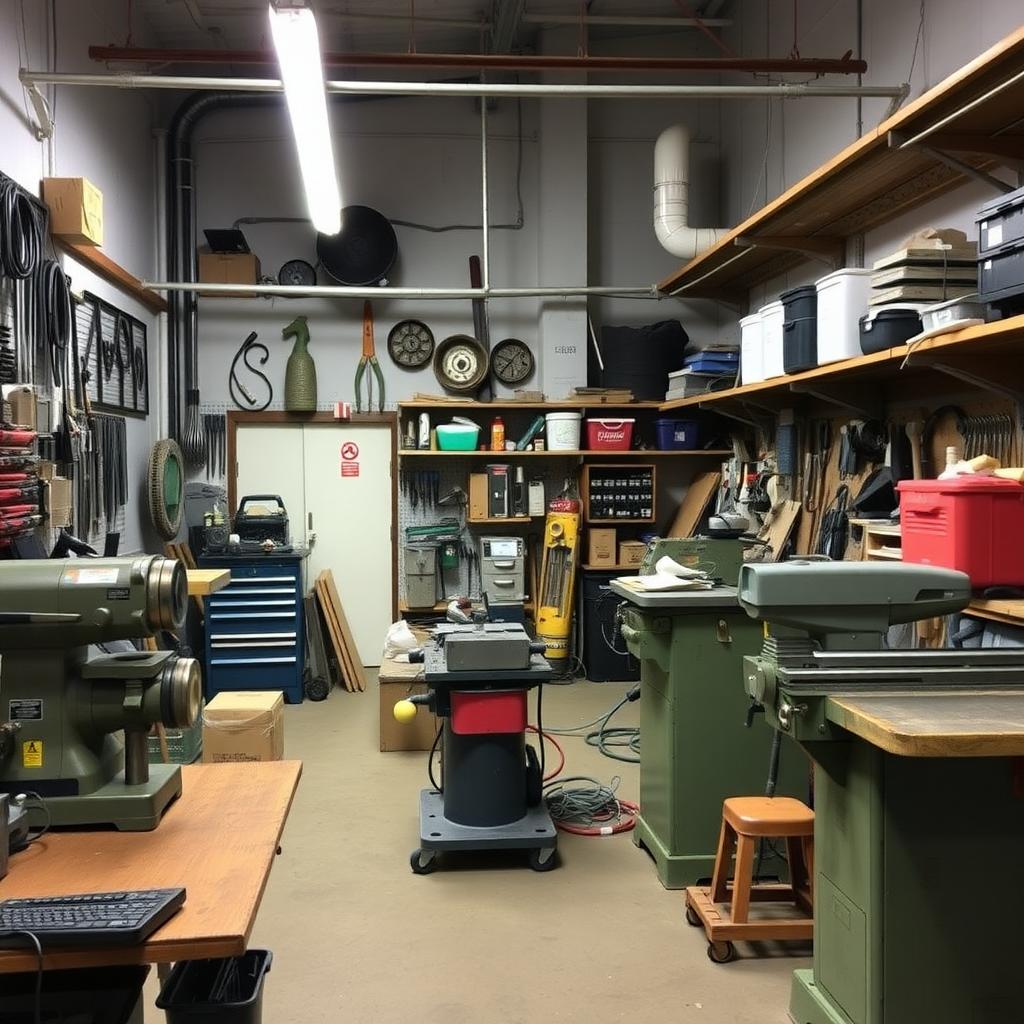
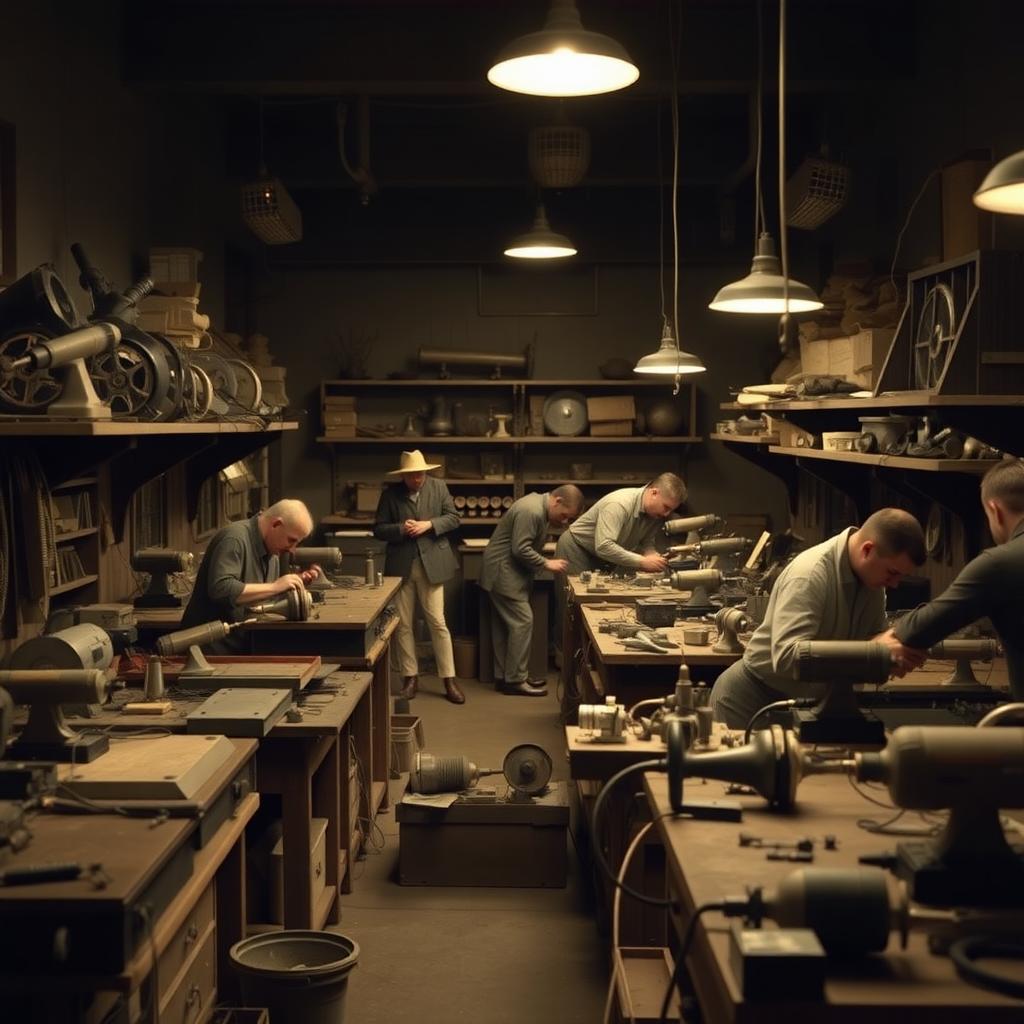
In today's rapidly evolving job market, automation is transforming industries at an unprecedented pace. As machines take over routine tasks, the skills required for the workforce are shifting dramatically. This article explores the essential skills needed for the future workforce, the importance of upskilling in automated factories, and the role of advanced electrical tools in this new landscape.
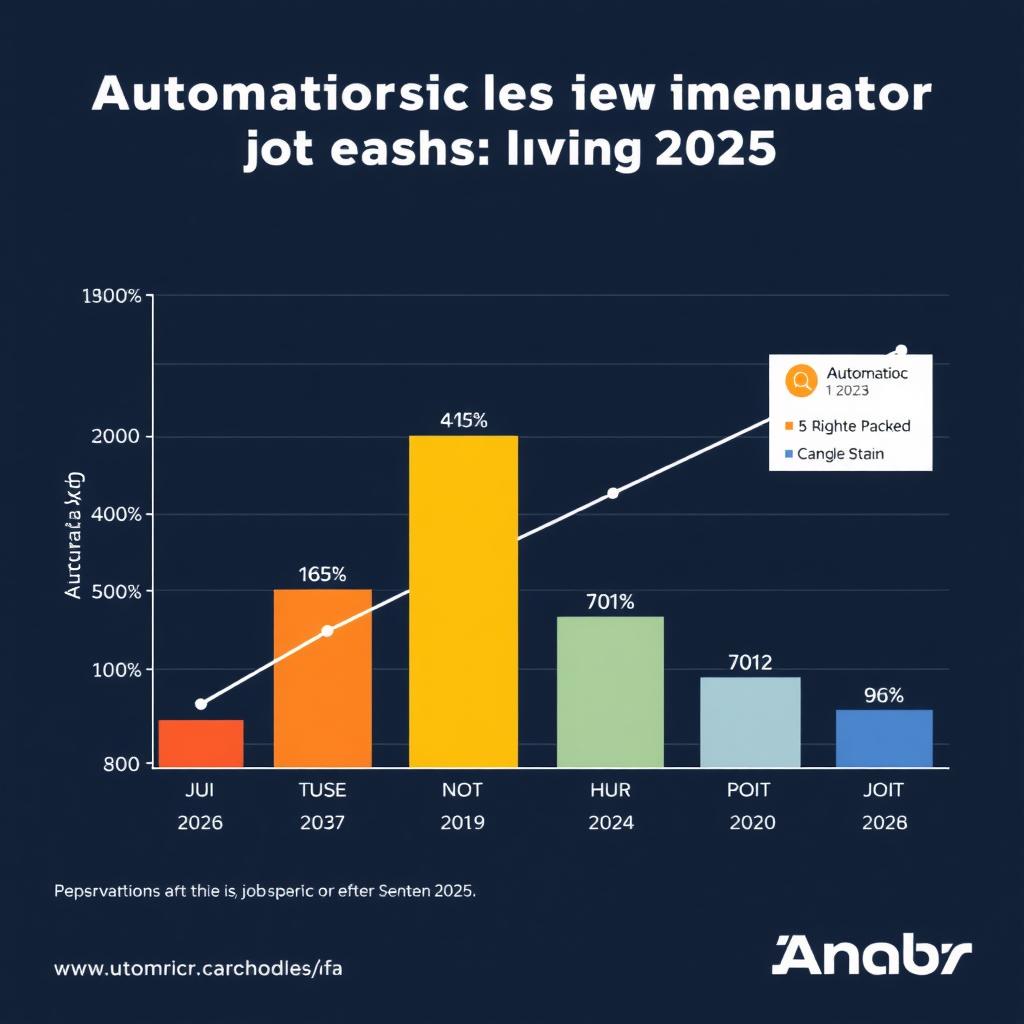
Automation is no longer a distant future; it's here, and it's reshaping the job market. According to a recent study by the World Economic Forum, by 2025, automation will displace 85 million jobs but create 97 million new ones. This shift means that workers need to adapt and acquire new skills to stay relevant.
In automated factories, for example, traditional manual labor is being replaced by sophisticated machinery and robotics. This doesn't mean that human workers are obsolete; rather, their roles are evolving. Workers now need to manage, maintain, and optimize these automated systems, which requires a different set of skills.
To thrive in this new environment, workers need a combination of technical and soft skills.
Technical Skills:
-
Programming: Understanding how to code is becoming increasingly important, even for non-technical roles. Basic programming knowledge can help workers interact with automated systems and troubleshoot issues.
-
Data Analysis: With the rise of big data, the ability to analyze and interpret data is crucial. Workers need to make data-driven decisions to improve efficiency and productivity.
-
Cybersecurity: As automation relies heavily on digital systems, protecting these systems from cyber threats is vital. Knowledge of cybersecurity principles can help workers safeguard sensitive information.
Soft Skills:
-
Problem-Solving: Automation can handle routine tasks, but complex problem-solving still requires human ingenuity. Workers need to think critically and creatively to address challenges.
-
Adaptability: The pace of technological change is accelerating, so workers must be willing to learn and adapt continuously.
-
Communication: Effective communication is essential for collaborating with both humans and machines. Workers need to convey information clearly and work well in teams.
Advanced electrical tools are at the heart of automation. These tools, such as programmable logic controllers (PLCs), sensors, and actuators, enable machines to perform tasks with precision and efficiency. Understanding how to use and maintain these tools is crucial for workers in automated environments.
For instance, PLCs are used to control machinery and processes in manufacturing. Workers need to know how to program and troubleshoot PLCs to ensure smooth operations. Similarly, sensors and actuators are essential for monitoring and controlling automated systems. Knowledge of these tools can help workers optimize performance and prevent downtime.
From my own experience, I've seen how automation can transform industries. In a previous role, I worked in a factory that transitioned to automated production lines. Initially, there was resistance from workers who feared job loss. However, with proper training and upskilling, many workers found new roles managing and maintaining the automated systems. This experience taught me the importance of adaptability and continuous learning in the face of technological change.
In summary, the future workforce will require a blend of technical and soft skills to navigate the challenges and opportunities presented by automation. Upskilling is not just a necessity but an opportunity for workers to enhance their careers and stay competitive. By embracing lifelong learning and adapting to new technologies, workers can thrive in the automated workplaces of tomorrow.
Recommended Readings:
-
The Future of Jobs Report 2020 by the World Economic Forum
-
Automation and the Workforce: A Guide to Upskilling by McKinsey & Company
-
The Impact of Automation on Employment by the Brookings Institution.


Related Essential Skills for the Future Workforce:
- Automation and the Workforce: A Guide to Upskilling
- Understanding Power Tool Warranties and Repairs
- Workshop Equipment Maintenance Tips: A Comprehensive Guide
- DIY Maintenance Tricks for Power Washers
- The Evolution of Electrical Tools: A Historical Perspective
- Advanced Metalworking Techniques: A Guide
- Organizing Workman Tools in a Small Space: A Comprehensive Guide
- The Best Power Tools for Woodworking
- The Best Ergonomic Tools for Home Projects
- The Importance of Measuring Tools in Construction
- Effective Hand Tools Storage Solutions
- Top 10 DIY Projects for Beginners: A Comprehensive Guide