Overview
Doing home projects can be fun, but using the wrong tools can leave your hands sore and tired. Ergonomic tools are designed to fit your body, reduce strain, and make work easier. In this article, we’ll explore the best ergonomic tools for home projects, focusing on wrenches that minimize hand strain.
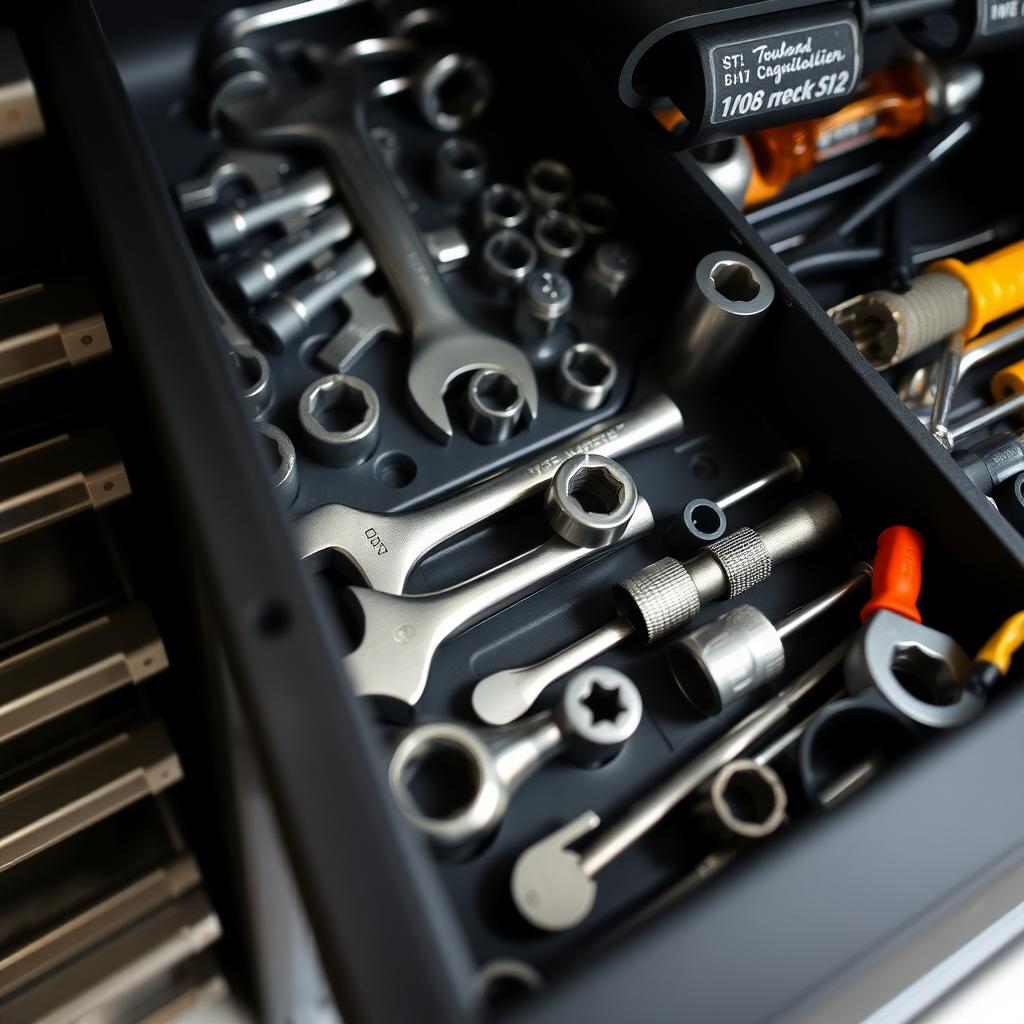
Image 1:
Description: A close-up of an ergonomic wrench with a padded grip, showcasing its comfortable design that reduces hand strain.
Alt text: Ergonomic wrench with padded grip
Image 2:
Description: A person using an ergonomic wrench to tighten a bolt, showing how the angled handle keeps the wrist in a natural position.
Alt text: Using an ergonomic wrench
Image 3:
Description: A person using an ergonomic screwdriver to assemble furniture, demonstrating proper technique and comfort.
Alt text: Using an ergonomic screwdriver
Image 4:
Description: An ergonomic hammer with a shock-absorbing grip, highlighting its balanced design for reduced strain.
Alt text: Ergonomic hammer with shock-absorbing grip
Image 5:
Description: A pair of ergonomic pliers with contoured handles, showing their comfortable grip and ease of use.
Alt text: Ergonomic pliers with contoured handles
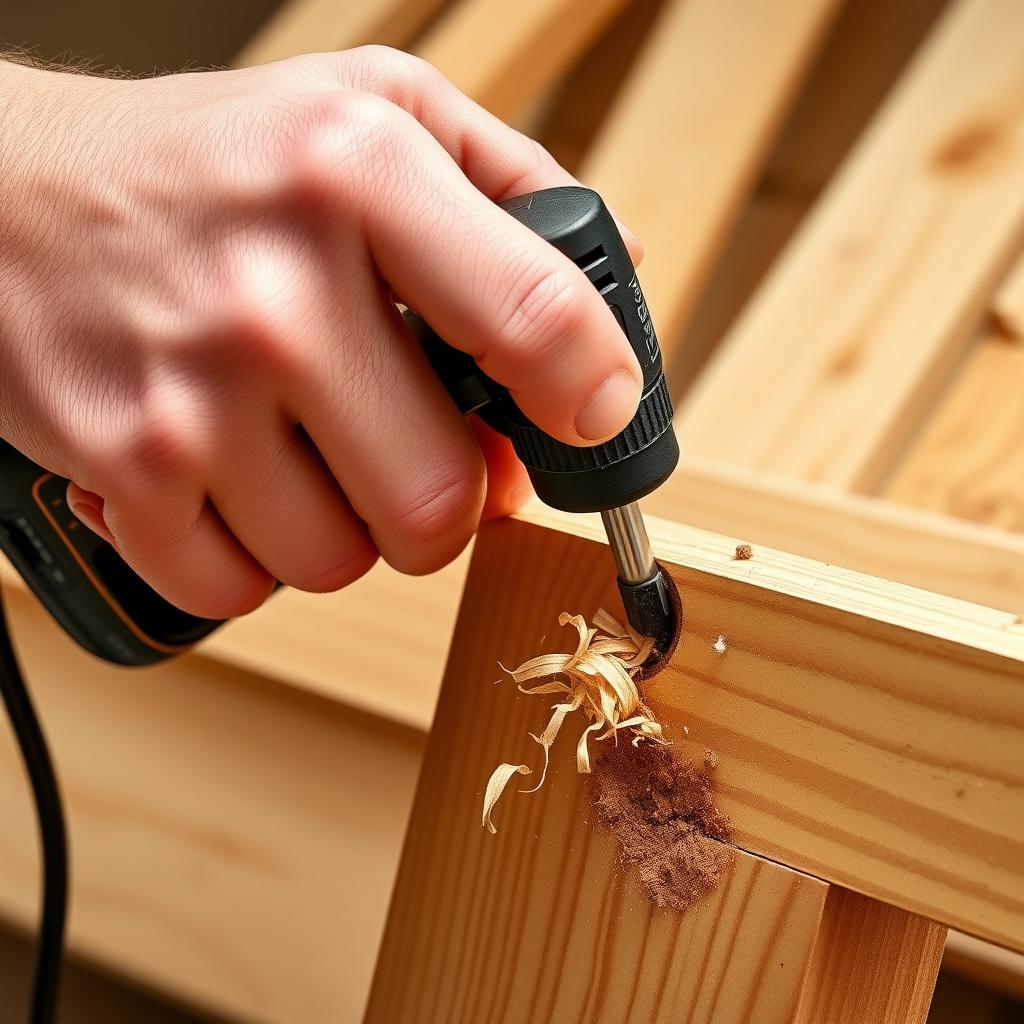
Image 6:
Description: A person using an ergonomic power drill, showcasing its lightweight design and comfortable grip.
Alt text: Using an ergonomic power drill
Image 7:
Description: A person holding a blistered hand after using a non-ergonomic tool, contrasted with a comfortable grip on an ergonomic wrench.
Alt text: Comparing non-ergonomic and ergonomic tools
Image 8:
Description: A person taking a break from a home project, stretching their hands and arms to prevent strain.
Alt text: Taking a break to prevent strain
Why Ergonomics Matter in Home Projects
Before we dive into the tools, let’s talk about why ergonomics are so important. When you use tools that aren’t designed with your body in mind, you’re more likely to experience discomfort, fatigue, and even long-term injuries. These can include conditions like carpal tunnel syndrome, tendonitis, or muscle strain.
Ergonomic tools are designed to prevent these issues. They fit the natural shape and movement of your body, making them more comfortable and safer to use. For example, a wrench with an angled handle allows you to keep your wrist straight, reducing strain. According to the Occupational Safety and Health Administration (OSHA), proper tool design can significantly reduce the risk of work-related musculoskeletal disorders.
The Best Ergonomic Tools for Your Home Workshop
Now, let’s take a look at some specific tools that can make your home projects easier and safer. We’ll focus on wrenches, but we’ll also cover other essential tools like screwdrivers, hammers, and pliers.
Ergonomic Wrenches for Reducing Hand Strain
Wrenches are a staple in any home workshop, but they can be tough on your hands if they’re not designed ergonomically. Look for wrenches with padded grips and designs that reduce the need for excessive force. Some ergonomic wrenches have angled handles that allow for a more natural wrist position, which is key to reducing strain.
One standout example is the GearWrench 120XP Flex Head Ratchet. It features a flexible head and a comfortable grip, making it easier to reach tight spaces without straining your hand. The 120-tooth gearing also ensures minimal swing arc, so you can work efficiently even in confined areas.
Another great option is the Tekton 1/4-Inch Drive Click-Torque Wrench, which is designed for precision and comfort. Its ergonomic handle reduces hand fatigue, and the click mechanism provides both visual and audible cues when the preset torque is reached, making it easier to use without overexerting yourself.
Ergonomic Screwdrivers
Screwdrivers are another tool that can cause hand strain if not designed properly. Ergonomic screwdrivers often have larger, softer handles that are easier to grip. Some also feature rotating heads that allow you to turn the screwdriver without twisting your wrist.
The Wiha SoftFinish Screwdriver is a great example. Its handle is designed to fit the shape of your hand, reducing pressure points and making it more comfortable to use for extended periods.
Ergonomic Hammers
Hammers can be tough on your hands and arms, especially if you’re doing a lot of pounding. Look for hammers with shock-absorbing grips that reduce the impact on your body. Balanced weight distribution is also important for better control.
The Stanley FatMax AntiVibe Hammer is a solid choice. It features a patented tuning fork design that reduces vibration and a comfortable grip that makes it easier to handle.
Ergonomic Pliers
Pliers are another tool that can cause hand strain if not designed ergonomically. Look for pliers with contoured handles that fit comfortably in your hand and designs that require less force to use.
The Knipex ErgoStrip Universal Stripping Tool is a great option. It has ergonomic handles and a design that makes stripping wires easier and less tiring.
Ergonomic Power Tools
While hand tools are essential, power tools can also be a great addition to your home workshop. However, they can be heavy and cause vibration that leads to fatigue. Look for power tools with ergonomic features like comfortable grips, balanced weight distribution, and vibration reduction.
The DeWalt 20V MAX XR Brushless Drill is a good example. It has an ergonomic handle and a lightweight design that makes it easier to use for extended periods.
Another option is the Bosch 12V Max EC Brushless Drill/Driver, which is compact and lightweight, reducing strain on your hands and arms.
Personal Insights: My Experience with Ergonomic Tools
I remember when I first started doing home projects, I didn’t think much about the tools I was using. I just grabbed whatever was available and got to work. But after a while, I started noticing that my hands would ache after using certain tools, especially wrenches and screwdrivers.
One day, I was trying to loosen a particularly stubborn bolt, and I ended up with blisters on my hands from gripping the wrench so tightly. That’s when I decided to invest in some ergonomic tools.
I bought a set of ergonomic wrenches with padded grips, and it was like night and day. I could work longer without discomfort, and I didn’t have to grip the tools as tightly to get the job done. It made me realize how important it is to choose the right tools for the job.
Another time, I was using a standard screwdriver to assemble some furniture. The handle was small and hard, and after a while, my hand started to cramp. I switched to an ergonomic screwdriver with a larger, softer handle, and it was much more comfortable. I could work faster and without the same level of discomfort.
I also noticed that with ergonomic tools, I was less likely to make mistakes or strip screws because I had better control. This not only made the job easier but also improved the quality of my work.
Investing in quality ergonomic tools can also save money in the long run. Cheaper tools might seem like a good deal, but they can wear out faster or cause injuries that lead to medical expenses. Plus, with ergonomic tools, I find that I enjoy working on projects more because I’m not in pain or discomfort.
Tips for Choosing and Using Ergonomic Tools
Choosing the right ergonomic tools is important, but it’s also crucial to use them properly. Here are some tips to keep in mind:
-
Choose the right tool for the job: Make sure the tool is designed for the specific task you’re doing. Using the wrong tool can lead to strain and injury.
-
Look for comfort features: Padded grips, contoured handles, and balanced weight distribution are all signs of an ergonomic tool. These features can make a big difference in comfort and safety.
-
Use proper technique: Even with ergonomic tools, using proper technique is important. For example, when using a wrench, keep your wrist straight and use your arm and shoulder muscles to apply force, rather than just your hand.
-
Take breaks: If you’re working on a project for an extended period, take regular breaks to rest your hands and arms. This can help prevent fatigue and strain.
Summary
Ergonomic tools are a must-have for any home workshop. They make tasks easier, reduce strain, and can help prevent injuries. By choosing the right tools and using them properly, you can make your home projects more enjoyable and safer.
Remember to look for tools with comfort features like padded grips and balanced weight distribution, and always use proper technique. With the right ergonomic tools, you can work smarter, not harder, and enjoy the satisfaction of a job well done without the aches and pains.
Recommended Readings
- Ergonomic Guidelines for Selecting Hand and Power Tools - Tips from EHSToday on choosing ergonomic tools.
- Easy Ergonomics: A Guide to Selecting Non-Powered Hand Tools - A practical checklist from California’s DIR.
- NIOSH Ergonomics and Musculoskeletal Disorders - Research-backed insights from NIOSH.
- Work Smarter, Not Harder: The Magic of Ergonomic Hand Tools - A blog with real-world tool advice.
Related The Best Ergonomic Tools for Home Projects:
- The Importance of Measuring Tools in Construction
- Effective Hand Tools Storage Solutions
- Top 10 DIY Projects for Beginners: A Comprehensive Guide
- Safety Tips for DIY Plumbing Projects: A Comprehensive Guide
- The Beginner's Guide to Woodworking: Essential Tips for Workshop Enthusiasts
- Organizing Tools in a Small Workshop: A Comprehensive Guide
- Top 10 DIY Projects for Beginners
- Workman Tools: A Review of Affordable Quality
- Choosing the Best Paint for Your Home: A Comprehensive Guide
- Electrical Tools for Wiring and Installations: A Comprehensive Guide
- DIY Organizer Ideas for Your Workshop
- Energy-Efficient Lighting Options for Your Home