Organizing tools in a small workshop can turn chaos into order. This guide offers actionable steps to create an efficient, enjoyable workspace. You’ll save time, reduce stress, and boost productivity with a well-organized setup.
I used to waste hours digging through piles of tools in my tiny garage workshop. A missing hammer or buried screwdriver would derail my projects. Frustration pushed me to find better ways to manage my space. What I learned transformed my workflow, and I’m excited to share it with you. Let’s dive into organizing tools in a small workshop with practical, real-world solutions.
Assessing Your Space
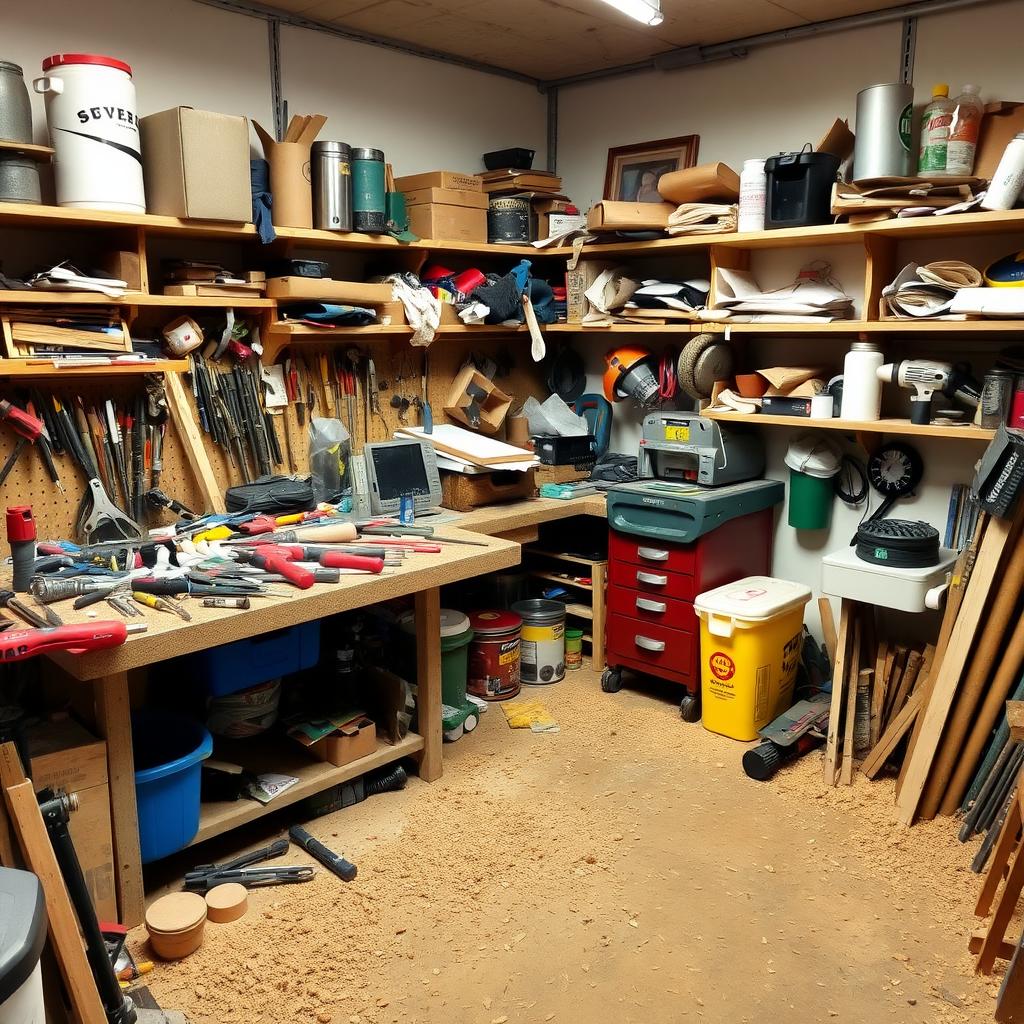
First, grab a tape measure. Knowing your workshop’s size—length, width, height—helps you pick storage that fits. Next, take stock of your tools. Do you have hammers, drills, or specialty workman tools? Sort them out. Toss or donate what you don’t use. A study from the National Association of Professional Organizers shows decluttering can cut task time by up to 40% (source). Less stuff means more room to work.
Start small. Clear one corner, then move on. I once found three rusty saws I hadn’t touched in years. Letting go felt good and freed up space for tools I actually use. Keep only what serves your projects.
Choosing the Right Storage Solutions
Tool storage options vary, and each has strengths. Here’s a quick look:
| Storage Type | Pros | Cons |
|---|---|---|
| Tool Chests | Portable, lockable | Takes floor space |
| Pegboards | Flexible, saves space | Holds lighter tools |
| Wall Racks | Easy access, no clutter | Needs wall strength |
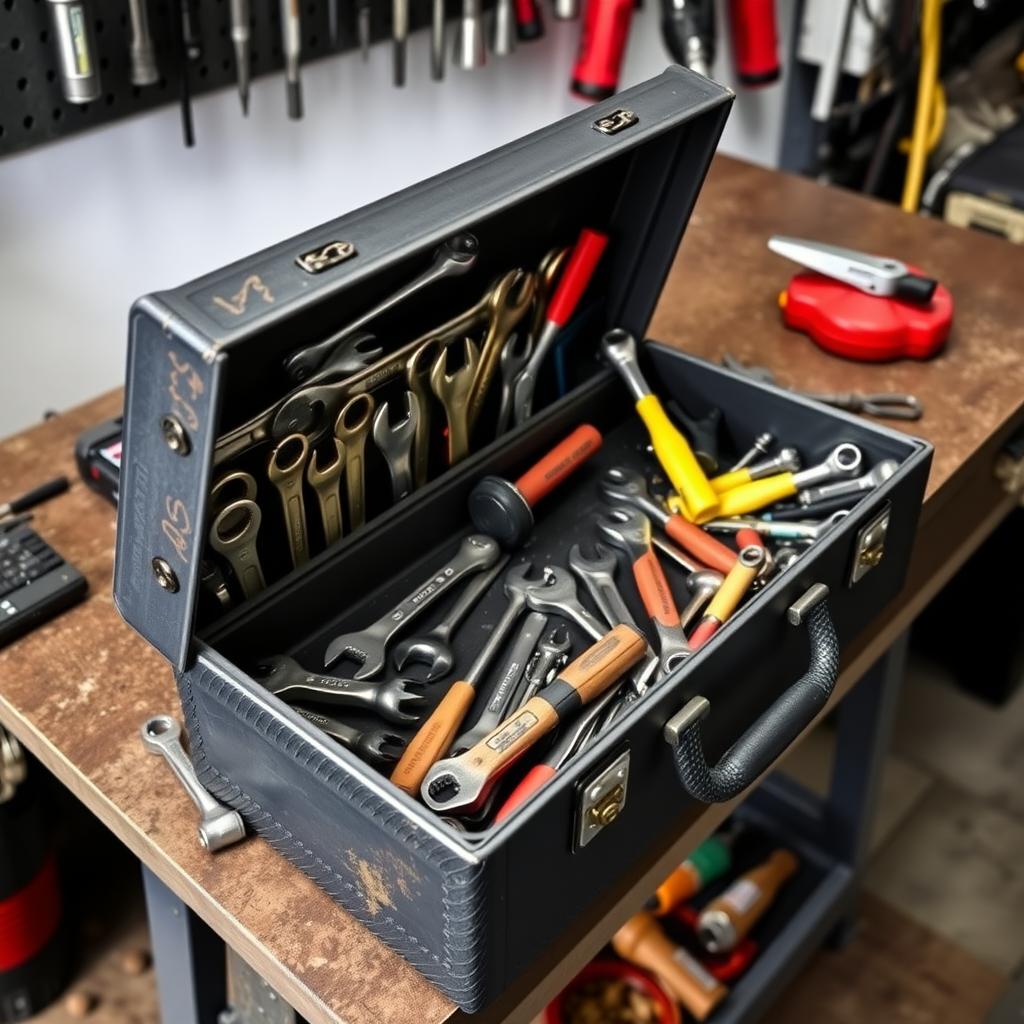
For small workshops, I love pegboards. They use vertical space and keep tools visible. Wall racks work too, especially for heavier workman tools like wrenches or mallets.
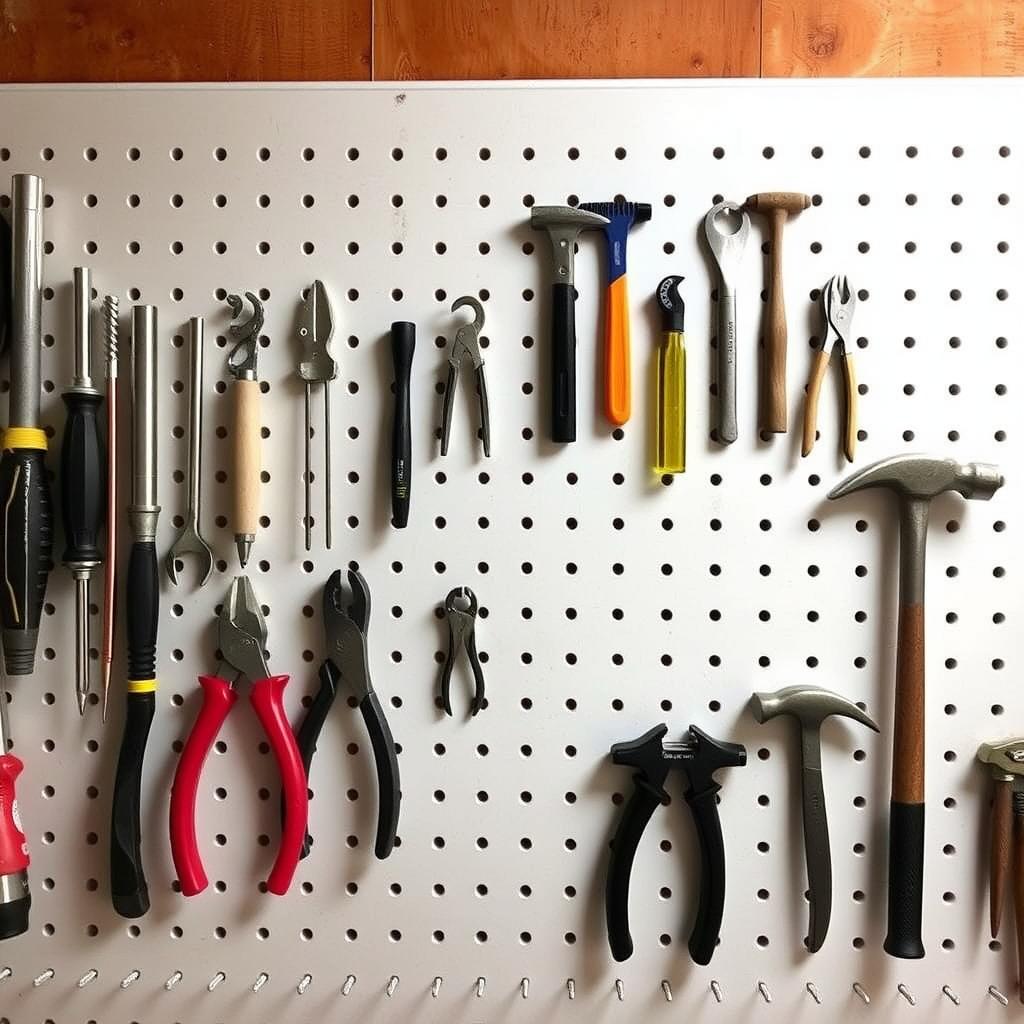
Think about your workflow. I hung my most-used tools near my workbench. Less-used items went in a drawer. Test a few setups to see what feels right. The goal? Everything has a home, and you can grab it without thinking.
Organizing Tools by Category
Group your tools logically. I sort mine by type—screwdrivers in one spot, drills in another. You could also group by project, like keeping woodworking tools together. Labels help. I use a marker to write names on drawers or pegboard hooks. Color-coding works too—red for carpentry, blue for plumbing. Organizational expert Marie Kondo says an orderly space cuts stress and boosts focus (source). It’s true—I feel calmer when I know where everything is.
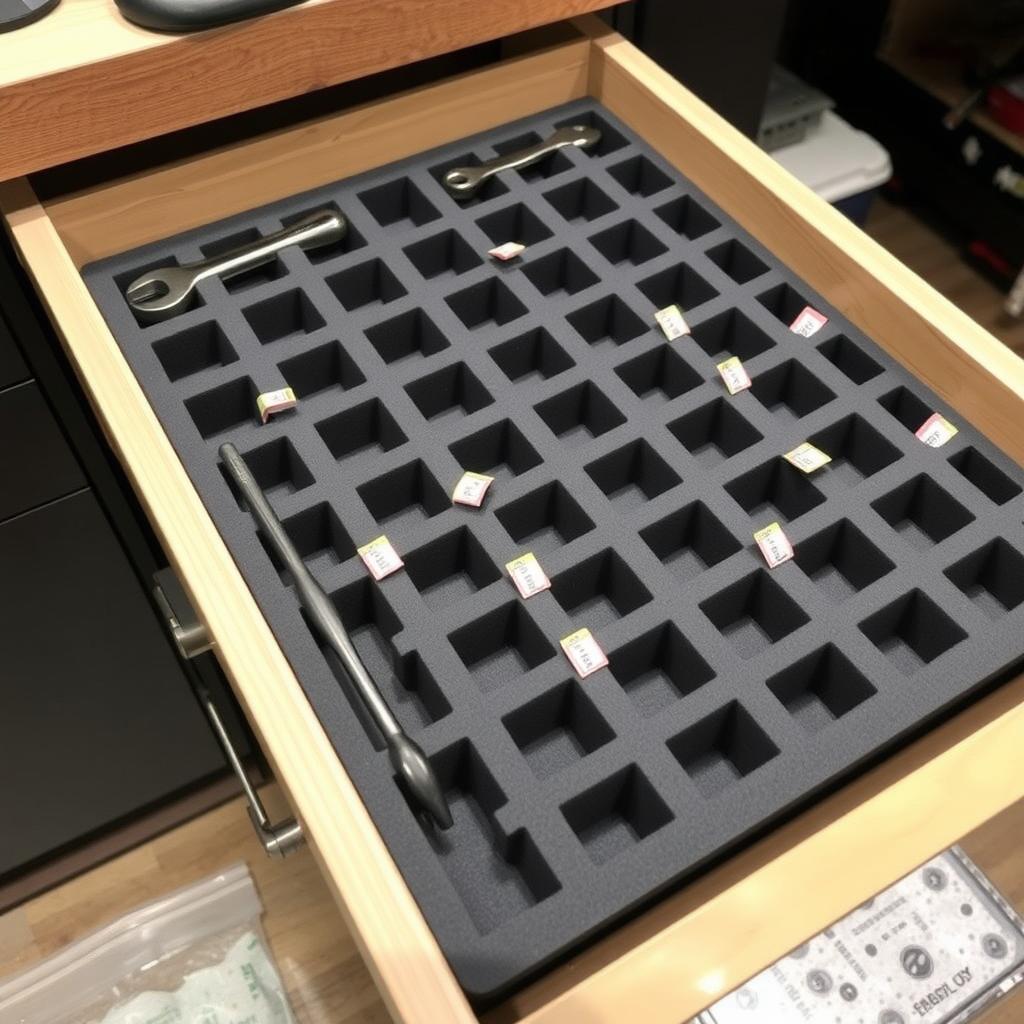
Try this: Lay out your tools and group them by how often you use them. Daily drivers go upfront; seasonal items go higher or deeper. I keep my tape measure on the pegboard, but my tile cutter stays on a shelf. It’s about convenience.
Maintaining Your Organized Workshop
A tidy workshop doesn’t stay that way without effort. Spend 10 minutes weekly putting tools back. Sweep up dust—sawdust piles up fast in small spaces. Get others involved if you share the space. My wife helps reset our garage after big projects. Research from Princeton University shows a clean environment lifts creativity and efficiency (source). A little upkeep goes a long way.
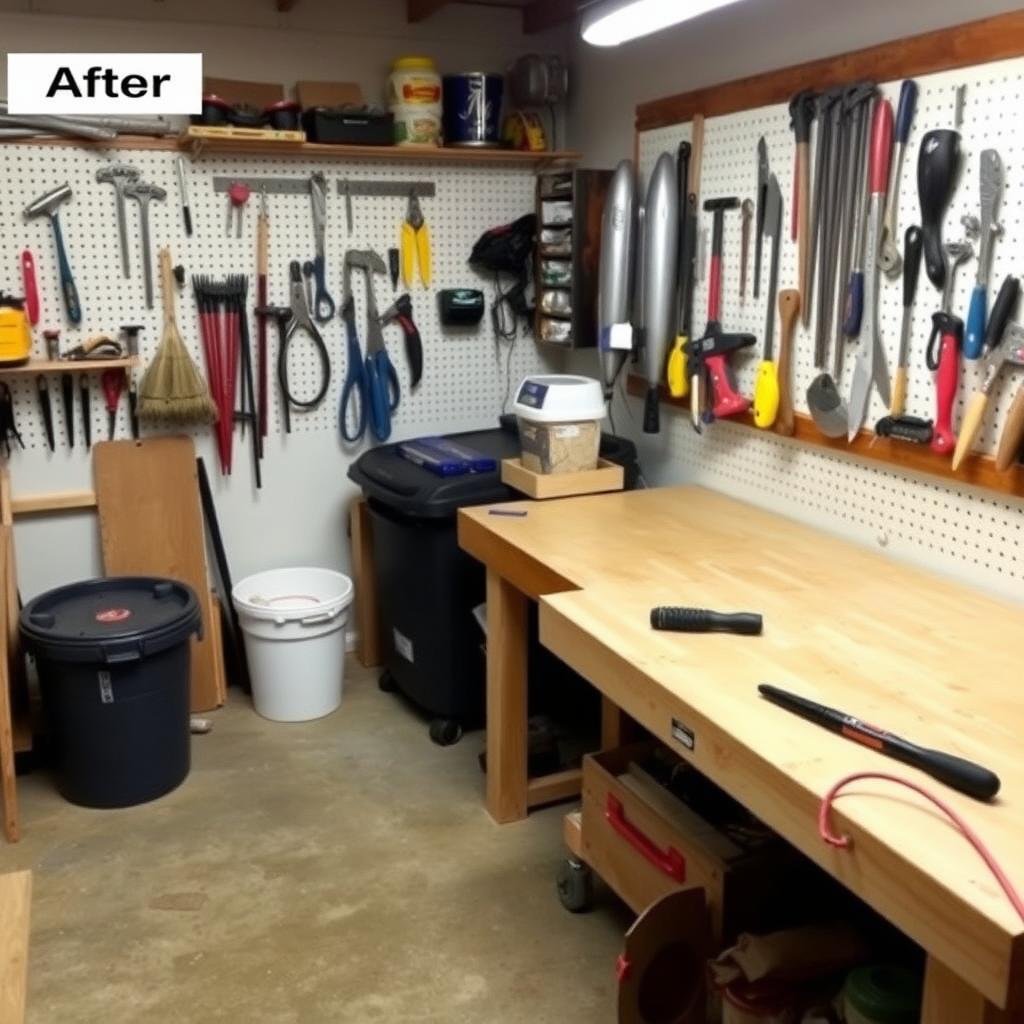
Here’s a tip: After each project, reset your space. I used to leave tools out, thinking I’d use them again soon. Nope—they just piled up. Now, I clean up right away. It’s a habit that keeps my workshop functional.
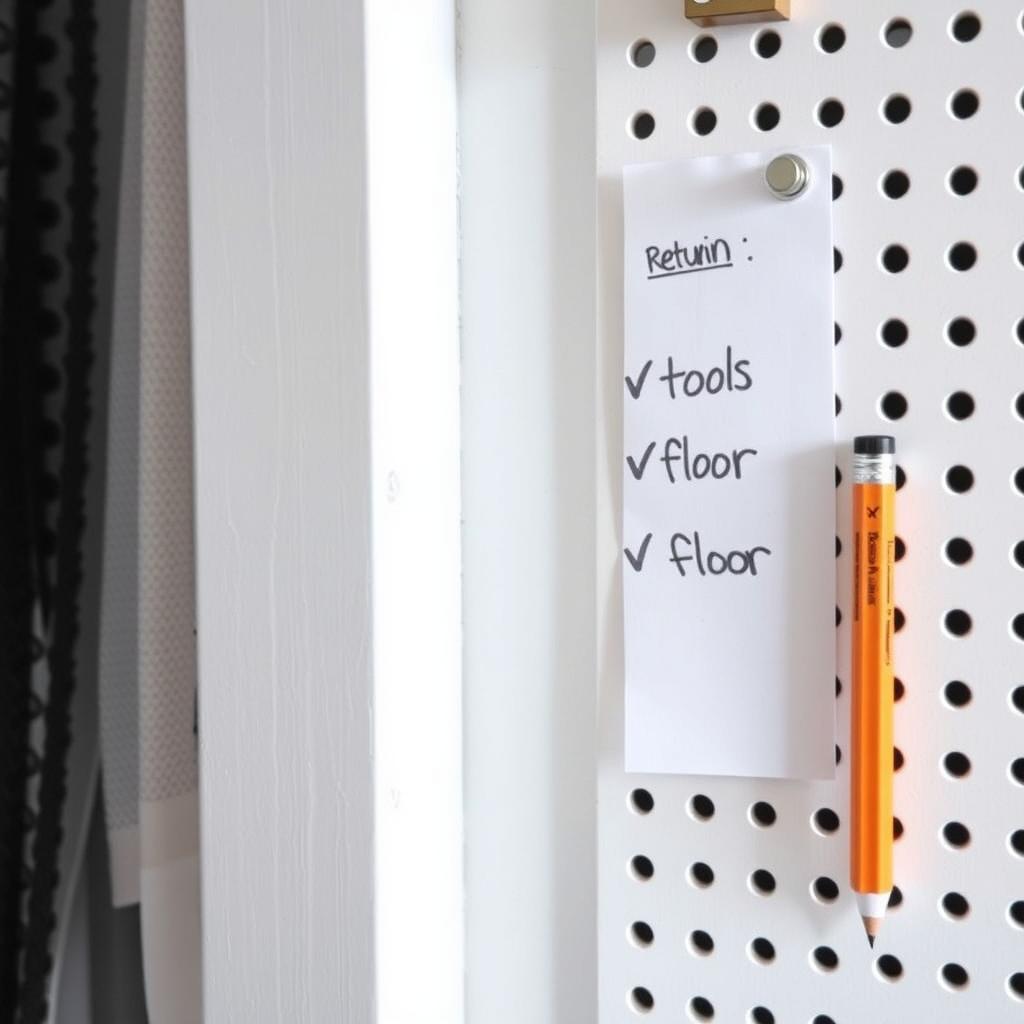
One more trick—use a checklist. Mine’s simple: Check pegboard, wipe surfaces, store loose tools. It takes 15 minutes, tops, and keeps chaos at bay. You could even hang it on the wall as a reminder.
Why It Matters
Organizing tools in a small workshop isn’t just about neatness. It’s about reclaiming your time and energy. A 2020 survey by the American Psychological Association found clutter increases stress for 1 in 3 people (source). I felt that stress until I got my tools under control. Now, I walk into my workshop ready to build, not battle.
Start with one step. Measure your space today or hang a pegboard this weekend. Small wins build momentum. Soon, you’ll have a workshop that works as hard as you do. Tool storage isn’t fancy—it’s practical. And it changes everything.
Wrapping Up
Organizing tools in a small workshop takes planning and a little effort, but the payoff is huge. Assess your space, pick smart storage, sort your workman tools, and maintain the system. You’ll work faster, stress less, and enjoy your projects more. Ready to get started? Your perfect workspace is waiting.
Related organizing tools in a small workshop:
- Top 10 DIY Projects for Beginners
- Workman Tools: A Review of Affordable Quality
- Choosing the Best Paint for Your Home: A Comprehensive Guide
- Electrical Tools for Wiring and Installations: A Comprehensive Guide
- DIY Organizer Ideas for Your Workshop
- Energy-Efficient Lighting Options for Your Home
- The Future of Workshop Tools: Trends to Watch in 2025
- Rotary Tools for Jewelry Making: A Comprehensive Guide
- An In-Depth Guide to Hand Tools for DIY Projects
- Safety Essentials for Construction Work
- Safety Gear Maintenance Tips: A Comprehensive Guide to Workwear and Safety Gear
- Comprehensive Guide to Key Features in Cordless Power Tools