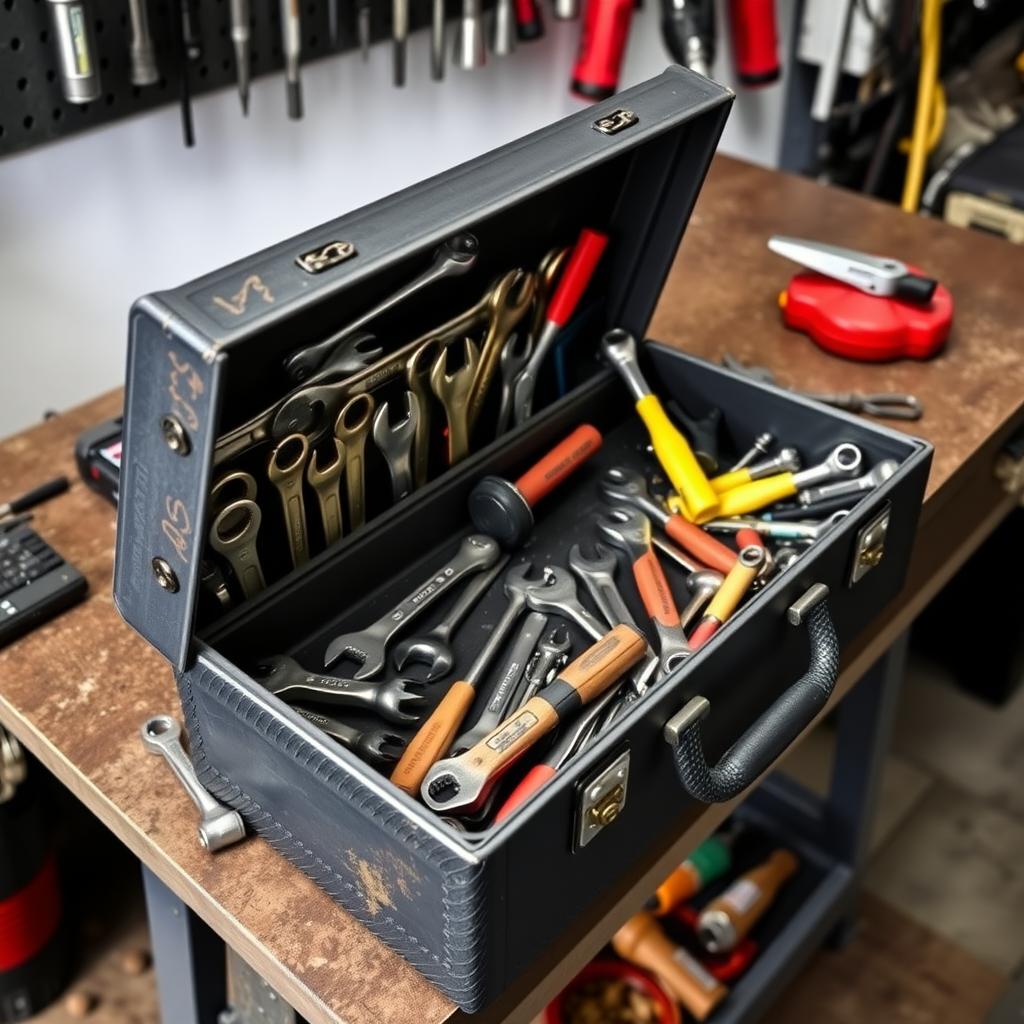
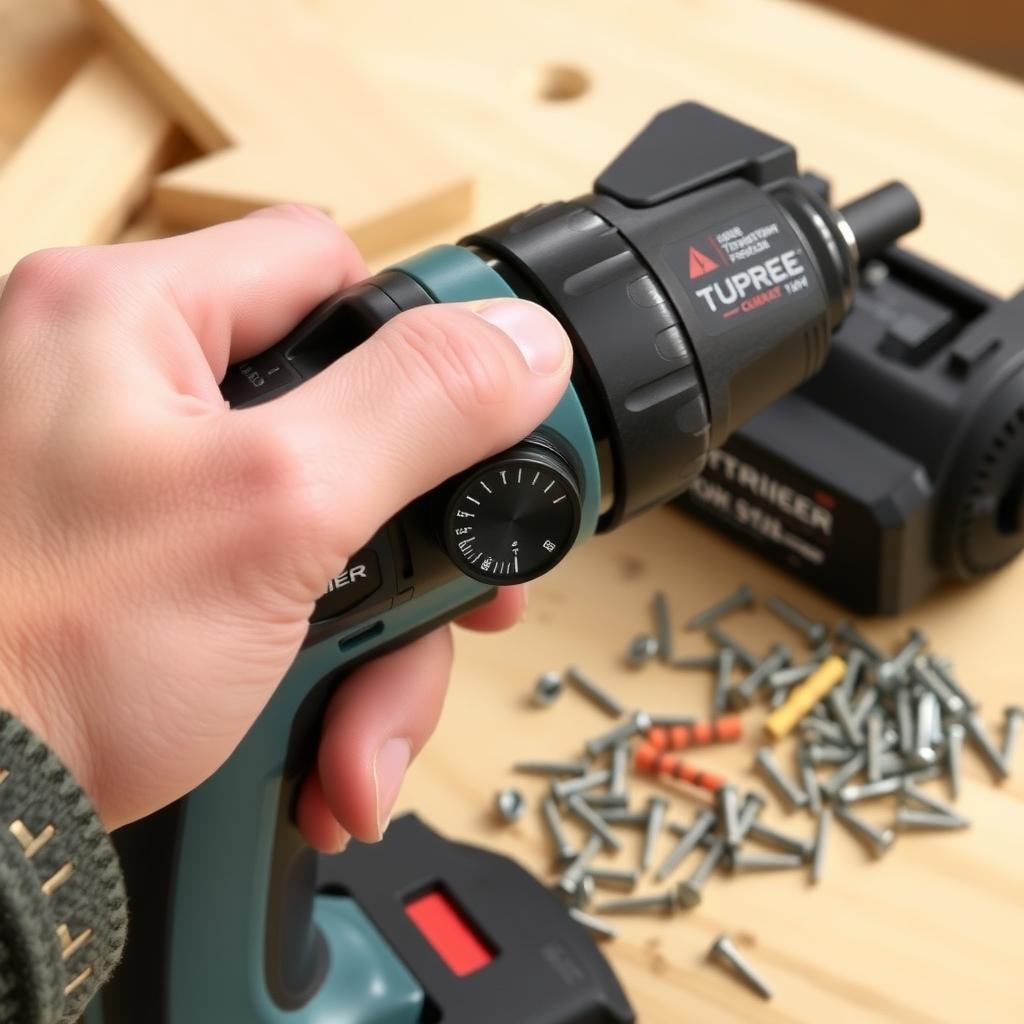
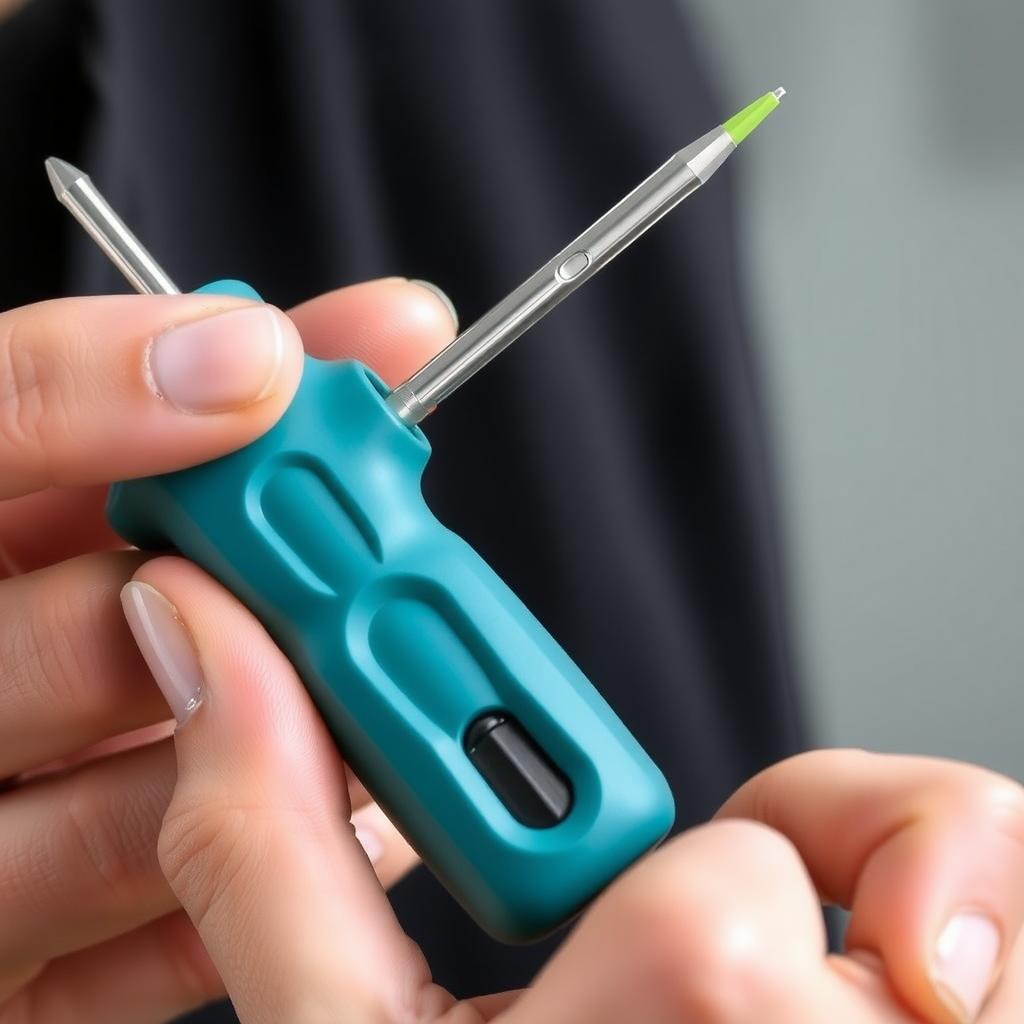
The workshop of 2025 is changing fast. New tools mix smart tech, green designs, and comfort to make work easier and better. From innovative workman tools in 2024 to what’s next, here’s what to watch for.
1. Smart Tools: The Rise of Connected Devices Imagine a workshop where your tools talk to each other. By 2025, smart tools are no longer a novelty—they’re essential. These devices come equipped with sensors, Bluetooth, and even AI capabilities, allowing them to communicate with each other and your smartphone. For example, a smart drill can adjust its speed based on the material you’re working with, while a connected saw might alert you when it’s time for maintenance. This connectivity doesn’t just make work easier; it makes it safer and more efficient.
I’ve seen firsthand how these tools can change the game. Last year, I used a smart measuring tape that synced measurements directly to my phone, eliminating the need for manual notes. It saved me time and reduced errors, especially on complex projects. As we move into 2025, expect more workshop equipment to offer these features, making precision and productivity the new standard.
2. Sustainability: Eco-Friendly Tools for a Greener Future
Sustainability is more than a buzzword—it’s a necessity. In 2025, workshop tools are embracing eco-friendly designs, from the materials they’re made of to how they’re powered. Manufacturers are using recycled metals and biodegradable plastics, reducing the environmental impact of production. Solar-powered tools are also gaining traction, offering a renewable energy source for cordless devices.
This shift isn’t just good for the planet; it’s good for your wallet. I recently switched to a solar-charged cordless drill, and I’ve noticed a significant drop in my energy bills. Plus, knowing that my tools are part of a larger effort to reduce waste makes me feel better about my work. Look for these sustainable options when upgrading your workshop equipment in 2025.
3. Ergonomics: Tools That Work for You
As workshops evolve, so do the people using them. With an aging workforce and a growing focus on health, ergonomic tools are becoming a must-have. These tools are designed to reduce strain, making them easier to use for longer periods. Adjustable handles, anti-vibration technology, and lightweight materials are just a few features you’ll see in 2025.
I’ve personally benefited from ergonomic tools. After years of using a standard hammer, I switched to one with a shock-absorbing grip. The difference was immediate—less hand fatigue and fewer aches after a long day. If you’re serious about your craft, investing in ergonomic workman tools is a smart move for your health and productivity.
4. Multi-Functionality: One Tool, Many Uses
Space is at a premium in most workshops, and multi-functional tools are the answer. In 2025, expect to see more tools that can do it all—drill, sand, cut, and more. These versatile devices save space, reduce costs, and streamline your workflow.
I’ve been using a multi-tool that combines a drill, sander, and saw. It’s not just convenient; it’s a game-changer for small projects where switching between tools would slow me down. As workshops become more compact, these all-in-one solutions will be essential.
5. Advanced Materials: Stronger, Lighter, Better
The materials used in workshop tools are evolving, too. Carbon fiber, titanium, and advanced polymers are making tools lighter without sacrificing strength. This means you can work longer without fatigue and tackle tougher jobs with ease.
I recently upgraded to a titanium hammer, and the difference is remarkable. It’s half the weight of my old one but just as durable. These advancements aren’t just for professionals—hobbyists will also benefit from tools that are easier to handle and more efficient.
6. AI and Automation: The Future Is Here
Artificial intelligence is no longer confined to tech labs—it’s in your workshop. AI-powered tools can learn from your habits, suggest improvements, and even automate repetitive tasks. For example, an AI-enhanced CNC machine can adjust its settings based on the material and project, ensuring precision every time.
While I haven’t used AI tools extensively, I’ve seen demos where these devices predict maintenance needs and optimize performance. It’s like having a skilled assistant who knows exactly what you need. As AI becomes more accessible, it will redefine what’s possible in workshops.
7. Safety First: Innovations in Protection
Safety is always a priority, and in 2025, tools are getting safer. Features like automatic shut-off, blade guards, and real-time hazard detection are becoming standard. These innovations protect users from accidents and ensure a safer working environment.
I’ve always been cautious, but even I’ve had close calls. A saw with an automatic blade stop saved me from a nasty cut last year. These safety features aren’t just nice to have—they’re essential for peace of mind.
8. Customization: Tools Tailored to You
Personalization is a growing trend, and workshop tools are no exception. In 2025, you’ll see more tools that can be customized to fit your specific needs, from adjustable settings to modular designs.
I’ve started using a modular tool system where I can swap out components based on the task. It’s like having a custom toolkit without the custom price tag. This flexibility is perfect for those who work on a variety of projects.
9. The Rise of Portable Workshops
With the increasing popularity of mobile services, portable workshops are on the rise. These setups allow you to take your tools on the go, whether you’re a contractor or a hobbyist. Compact, battery-powered tools and foldable workstations make it easier than ever to work anywhere.
I’ve experimented with a portable setup for small repairs, and it’s incredibly convenient. No more lugging heavy equipment—just grab and go. This trend is perfect for the modern, on-the-move lifestyle.
10. The Future Is Now: What to Expect in 2025
As we look ahead, the future of workshop tools is bright. The trends we’ve discussed—smart technology, sustainability, ergonomics, and more—are not just predictions; they’re already happening. By 2025, these innovations will be the norm, making workshops more efficient, safer, and more enjoyable.
If you’re planning to upgrade your workshop, now is the time to start thinking about these trends. Whether you’re investing in new workman tools or rethinking your entire setup, staying ahead of the curve will pay off in the long run.
Related The Future of Workshop Tools: Trends to Watch in 2025:
- Rotary Tools for Jewelry Making: A Comprehensive Guide
- An In-Depth Guide to Hand Tools for DIY Projects
- Safety Essentials for Construction Work
- Safety Gear Maintenance Tips: A Comprehensive Guide to Workwear and Safety Gear
- Comprehensive Guide to Key Features in Cordless Power Tools
- How to Maintain Your Car's Engine for Longevity
- Safety First: Protecting Yourself and Your Tools
- Green Tools: The Future of Batteries
- Organizing Your Workbench for Maximum Efficiency
- Essential Safety Tips for DIY Electrical Work
- Essential Maintenance Tips for Outdoor Equipment
- How Ergonomic Tools Save Your Hands