When it comes to DIY projects, safety should always be your top priority. Whether you're a seasoned pro or a weekend warrior, taking the necessary precautions can mean the difference between a successful project and a trip to the emergency room. In this article, we'll delve into the essential aspects of safety, from wearing the right protective gear to properly caring for your tools.
Wearing Protective Gear
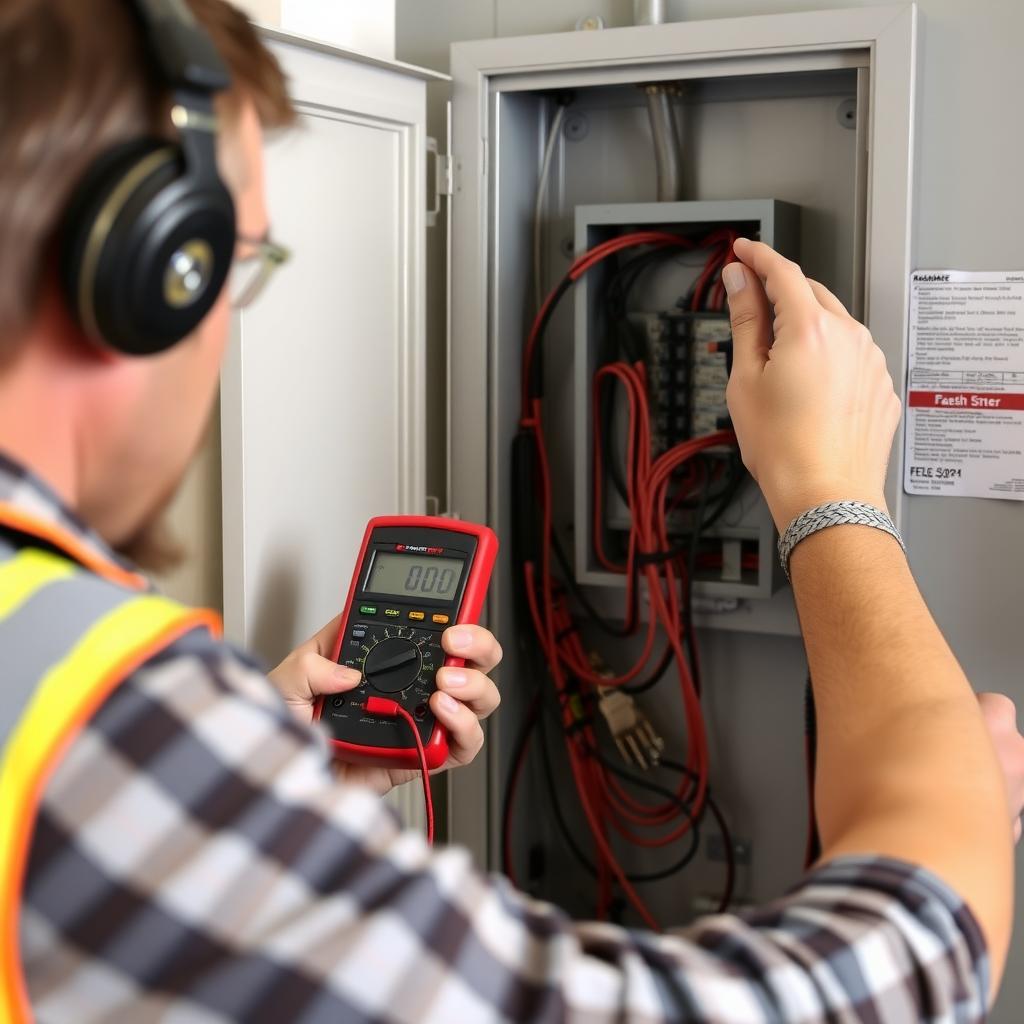
One of the most crucial steps in ensuring your safety is wearing the appropriate protective gear. This includes items like safety goggles, gloves, ear protection, and a dust mask. Safety goggles protect your eyes from flying debris, while gloves safeguard your hands from cuts and abrasions. Ear protection is essential when working with loud power tools, and a dust mask can prevent you from inhaling harmful particles.
Handling Tools Correctly
Proper tool handling is another key aspect of safety. Always read the manufacturer's instructions before using a new tool, and make sure you understand how to operate it safely. When using power tools, keep your fingers away from moving parts and never remove safety guards. For hand tools, ensure you're using the right tool for the job and that it's in good condition.
Storing Tools Safely
When you're not using your tools, it's important to store them safely. This not only protects the tools themselves but also prevents accidents. Keep tools in a dry, secure location, and make sure they're out of reach of children. For power tools, remove batteries or unplug them when not in use.
Maintaining Your Tools
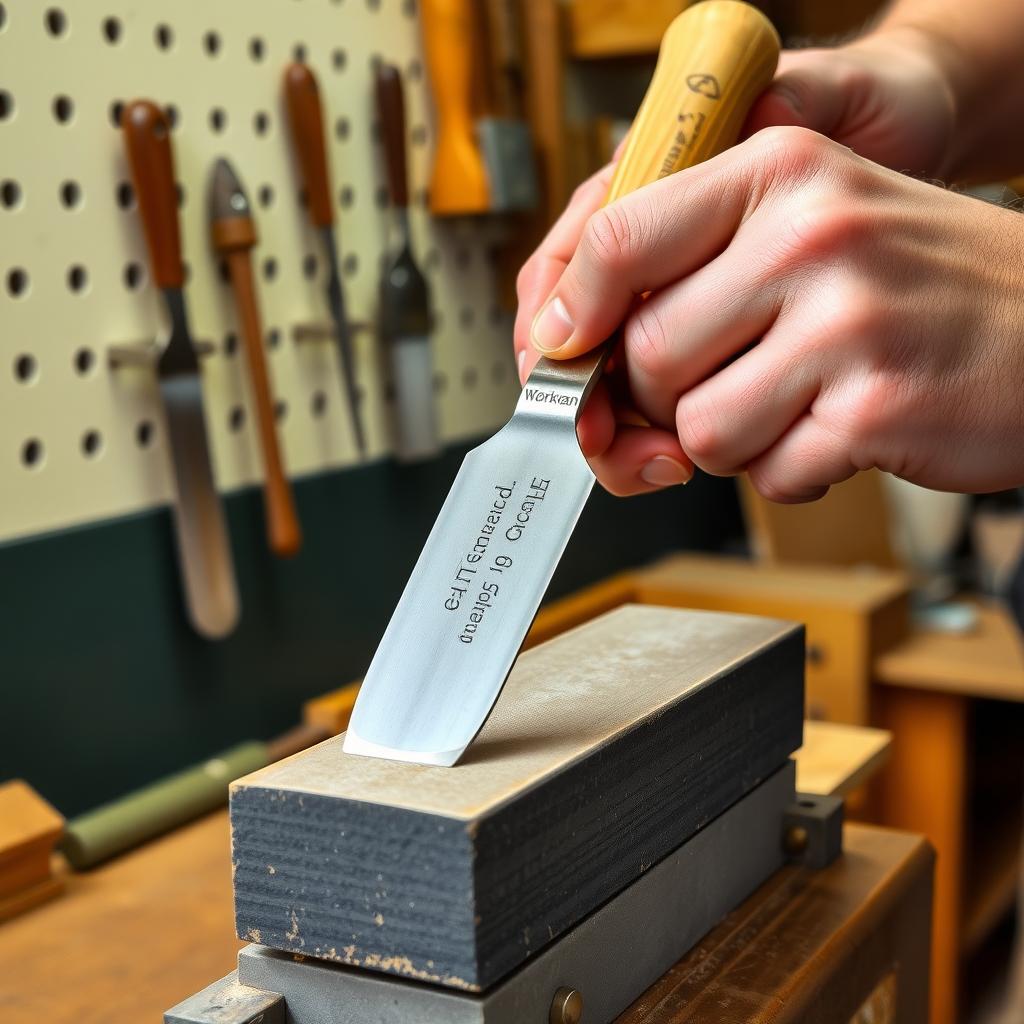
Regular maintenance is essential for keeping your tools in good working order. This includes cleaning them after use, sharpening blades, and lubricating moving parts. Well-maintained tools not only perform better but also reduce the risk of accidents.
The Importance of Quality Tools
Investing in quality tools is another crucial aspect of safety. Cheap, poorly made tools can break or malfunction, leading to accidents. Quality tools, on the other hand, are designed to last and perform reliably. When choosing tools, look for reputable brands and read reviews to ensure you're getting the best value for your money.
Choosing the Right Tools
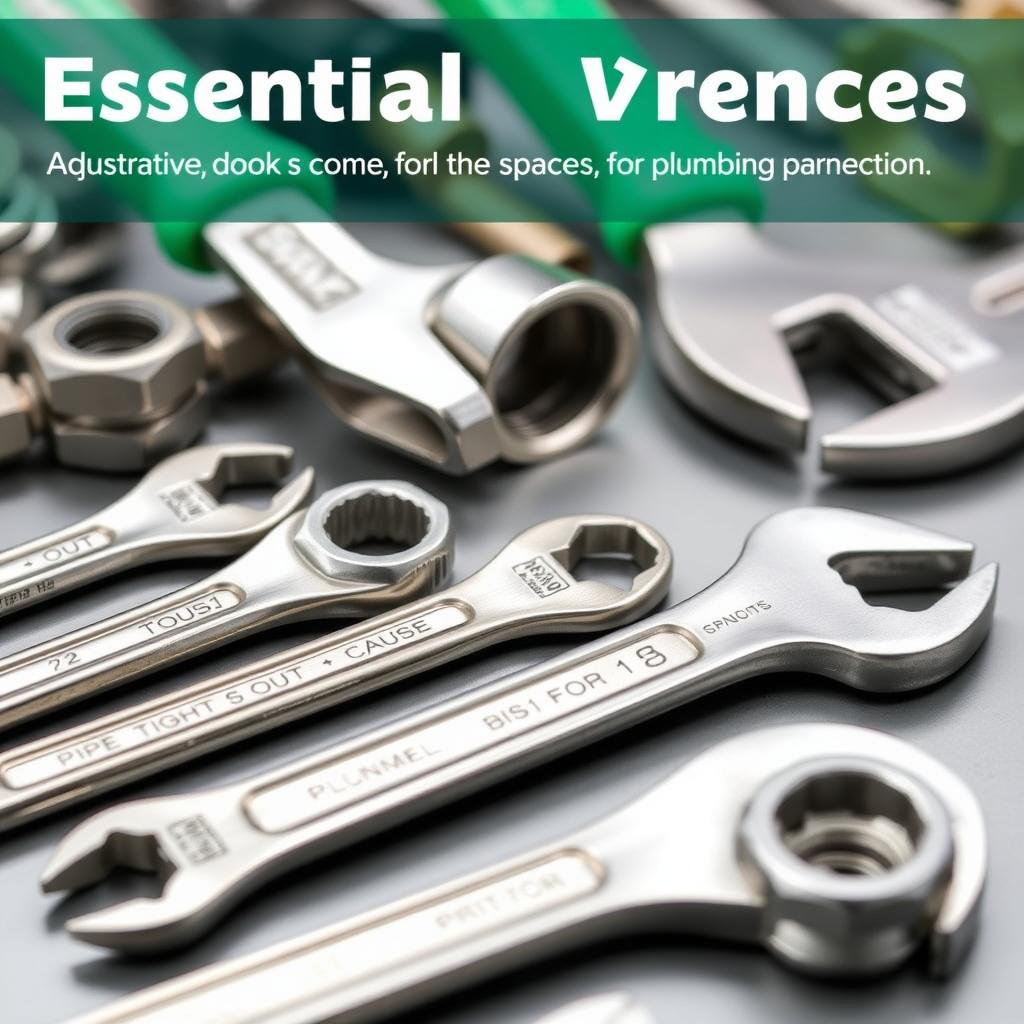
Selecting the right tool for the job is essential for both safety and efficiency. For example, when it comes to fasteners, using the best ratcheting wrenches for fast repairs can make a significant difference. Ratcheting wrenches allow you to tighten or loosen bolts quickly without having to reposition the tool, reducing the risk of hand fatigue and injury.
Personal Insights
As someone who has tackled numerous DIY projects over the years, I've learned the hard way that safety should never be compromised. I once made the mistake of not wearing safety goggles while using a power drill, and a small piece of debris flew into my eye. Fortunately, it was a minor incident, but it could have been much worse. Since then, I've made it a point to always wear the appropriate protective gear, no matter how small the task.
Actionable Tips
Here are some practical tips to help you stay safe and protect your tools: 1. Always wear the appropriate protective gear for the task at hand. 2. Read the manufacturer's instructions before using a new tool. 3. Use the right tool for the job to avoid accidents and damage. 4. Store tools in a dry, secure location when not in use. 5. Regularly clean and maintain your tools to ensure they function properly. 6. Invest in quality tools from reputable brands. 7. Take breaks to avoid fatigue, which can lead to accidents. 8. Keep a first-aid kit nearby in case of minor injuries.
Summary
In conclusion, safety should always be your top priority when undertaking DIY projects. By wearing the right protective gear, handling tools correctly, storing them safely, and maintaining them regularly, you can ensure a safe and successful experience. Investing in quality tools and choosing the right ones for the job can also make a significant difference. Remember, taking the time to prioritize safety not only protects you but also helps you get the most out of your tools.
Related Safety First: Protecting Yourself and Your Tools:
- How to Care for Your Workman Tools: A Comprehensive Guide
- Green Tools: The Future of Batteries
- Organizing Your Workbench for Maximum Efficiency
- Essential Safety Tips for DIY Electrical Work
- Essential Maintenance Tips for Outdoor Equipment
- How Ergonomic Tools Save Your Hands
- Top-Quality Workman Tools for Contractors
- How to Organize a Small Workshop for Maximum Efficiency
- Advanced Tool Maintenance Tips
- The Ultimate Guide to Plumbing Tools
- Essential Power Washer Accessories for Better Cleaning
- Essential Automotive Tools Every DIY Mechanic Needs