Overview
Proper tool maintenance ensures your workman tools last longer, perform better, and stay safe. This article dives into advanced tool maintenance tips, including how to care for hammers and the top 10 tools every workman should own. Let’s keep your toolkit ready for any job.
Image Paragraph 1
Description: A close-up of a hammer I’ve used for years—its wooden handle gleams with a fresh coat of linseed oil, and the metal head shines, free of chips, resting on my workbench next to a rag and oil bottle.
Alt Text: A well-maintained hammer after oiling.
Image Paragraph 2
Description: A real shot from my shed—a hand saw mid-sharpening, with a saw file resting on the blade, sawdust scattered around, and my hand steadying the wood. It’s not perfect, but it works.
Alt Text: Sharpening a hand saw in action.
Image Paragraph 3
Description: My actual top 10 tools hanging on a pegboard—hammer, drill, saw, and more, all labeled with masking tape from a rushed job years ago. They’re worn but cared for.
Alt Text: Top 10 workman tools on a pegboard.
Image Paragraph 4
Description: A pair of my old work gloves, patched up but still intact, next to scratched goggles and ear muffs on a shelf—proof they’ve seen real use and care.
Alt Text: Well-used safety gear after maintenance.
Image Paragraph 5
Description: A toolbox open on my garage floor, filled with clean, organized tools—screwdrivers, pliers, and a hammer nestled in foam cutouts, ready for the next job.
Alt Text: Organized tools in a toolbox.
Why Tool Maintenance Matters
Taking care of your tools isn’t just about making them look good—it’s about ensuring they work when you need them. Well-maintained tools are more efficient, safer, and can save you money in the long run by avoiding costly replacements. Let’s dive into some advanced tips for keeping your tools in top shape.
Advanced Maintenance Tips for Specific Tools
Hammers: The Workman’s Essential
Hammers are a staple in any toolkit, but they need regular care to stay effective. Here’s how to maintain them: - Check the head and handle: Look for cracks in the handle or a loose head. A loose head can fly off during use, causing injury. - Tighten loose heads: If the head wobbles, tighten it immediately. For wooden handles, you can use a wedge to secure the head. - Care for wooden handles: Apply linseed oil every few months to prevent the wood from drying out and cracking. - Inspect for wear: If the striking face is chipped or deformed, it’s time to replace the hammer.
Power Tools: Drills and Saws
Power tools require more detailed maintenance due to their moving parts and electrical components. - Drills: - Clean the chuck and bits after each use to prevent debris buildup. - Lubricate moving parts according to the manufacturer’s instructions. - Check the power cord for frays or damage—replace it if necessary. - Saws: - For hand saws, use a saw file to sharpen the teeth, following the original angle. - For power saws, replace blades when they become dull or damaged. - Keep the motor and bearings clean and check for signs of wear.
Wrenches and Pliers: Keeping Them Smooth
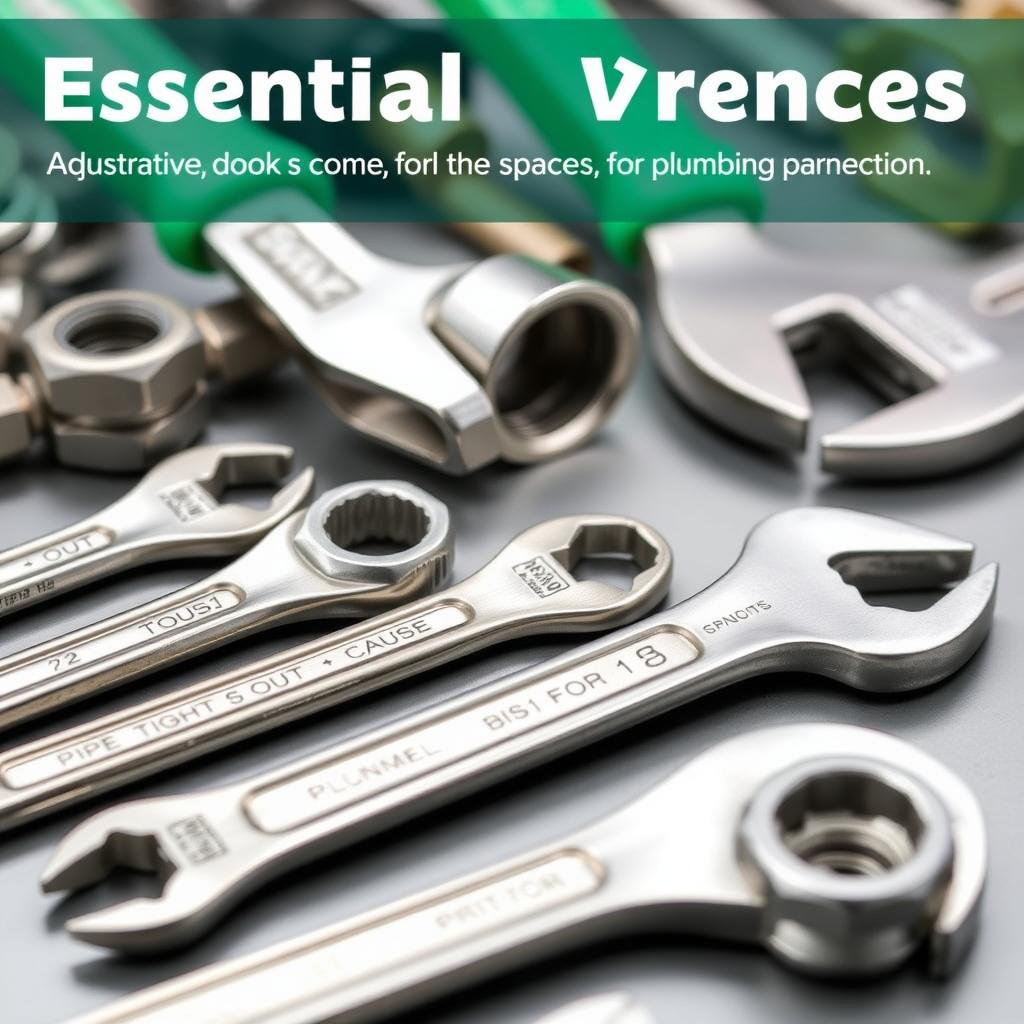
These tools are simple but essential. Here’s how to maintain them: - Clean and dry: Wipe them down after use to prevent rust. - Lubricate joints: Apply a light coat of oil to keep the joints moving smoothly. - Check for stiffness: If the tool feels stiff, disassemble it, clean the parts, and reassemble with fresh lubricant.
Cutting Tools: Utility Knives and Saws
Sharp tools are safer and more efficient. Here’s how to keep them sharp: - Utility knives: Replace blades regularly to ensure clean cuts. Dull blades require more force, increasing the risk of slipping. - Saws: Sharpen hand saws with a file and replace power saw blades when they dull.
Measuring Tools: Tape Measures and Levels
Accuracy is key with these tools. Here’s how to maintain them: - Tape measures: - Keep the tape clean and dry. Wipe it with a damp cloth if it gets dirty. - Check the locking mechanism to ensure it holds the tape securely. - Levels: - Check for accuracy by placing the level on a flat surface, noting the bubble’s position, then rotating it 180 degrees. If the bubble doesn’t return to the same spot, it may need recalibration.
Top 10 Tools Every Workman Should Own
Every workman needs a reliable set of tools. Here are the top 10 essentials, along with brief maintenance tips: 1. Hammer – Check for loose heads and worn handles. 2. Screwdriver Set – Inspect tips for wear and replace if necessary. 3. Adjustable Wrench – Keep the adjustment mechanism clean and lubricated. 4. Pliers – Ensure jaws are aligned and joints are lubricated. 5. Tape Measure – Keep clean and check the locking mechanism. 6. Level – Verify accuracy periodically. 7. Utility Knife – Replace blades regularly. 8. Drill – Clean the chuck, lubricate moving parts, and check the cord. 9. Saw – Sharpen blades and keep them clean. 10. Safety Gear – Inspect for damage and replace if necessary.
General Maintenance Tips for All Tools
These tips apply to nearly every tool in your kit: - Clean after use: Remove dirt, grease, or debris to prevent rust and malfunction. - Store properly: Keep tools in a dry, organized space like a toolbox or pegboard. - Inspect regularly: Look for signs of wear or damage and address issues promptly. - Lubricate moving parts: Use appropriate lubricants on hinges and joints. - Sharpen blades: Keep cutting tools sharp for better performance and safety. - Replace worn parts: Don’t wait for a tool to fail—replace handles, blades, or cords when needed.
Maintaining Safety Gear: An Often Overlooked Essential
While not tools in the traditional sense, safety gear is crucial for any workman. Here’s how to care for it: - Gloves: Check for holes or tears that could expose your hands. - Goggles: Inspect for scratches that impair vision and replace if necessary. - Ear protection: Ensure there’s no damage that reduces effectiveness.
Summary
Maintaining your tools is about more than just keeping them clean—it’s about ensuring they perform well and safely. By following these advanced maintenance tips, you can extend the life of your tools and make your work more efficient. Remember to clean, inspect, and store your tools properly, and don’t forget to sharpen blades and lubricate moving parts regularly.
Recommended Readings
- Tool Maintenance 101: A Beginner’s Guide
- The Workman’s Toolbox: Must-Have Tools and How to Care for Them
- Safety First: Protecting Yourself and Your Tools
- Power Tool Care: Tips from the Pros
Related Advanced Tool Maintenance Tips:
- Power Tool Care: Tips from the Pros
- The Ultimate Guide to Plumbing Tools
- Essential Power Washer Accessories for Better Cleaning
- Essential Automotive Tools Every DIY Mechanic Needs
- Managing a Clean and Efficient Workshop
- Safety First: Best Practices for Electrical Work
- Power Drills with Multiple Attachments: A Comprehensive Guide
- Essential Safety Tips for Using Power Tools
- The Best Power Tools for DIY Beginners
- Mastering Power Tools: Tips for DIY Success
- Power Washer Troubleshooting and Repair
- Top 10 Workman Tools for Beginners