Power Washer Troubleshooting and Repair
Overview
Power washers are handy tools for tough cleaning jobs, but they can break down. This guide walks you through power washer troubleshooting and repair, helping you fix common issues and keep your machine running smoothly.
Introduction
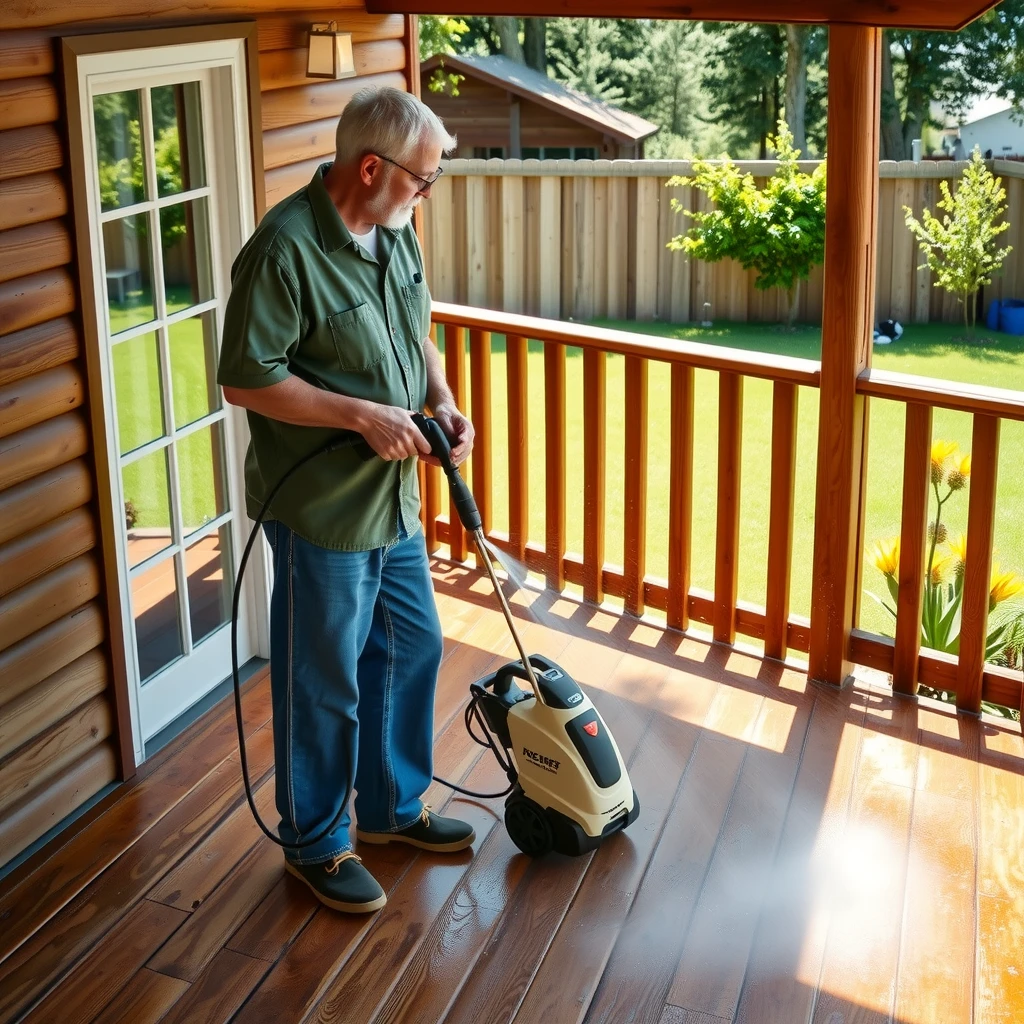
Power washers, also called pressure washers, are some of the best power tools for blasting away dirt, grime, and stains. Whether you’re cleaning a muddy car, a stained deck, or a grimy driveway, these machines save time and effort. I’ve used them for years to keep my patio looking fresh. But here’s the catch—they can stop working right when you need them most. Things like low pressure, leaks, or engine troubles can pop up. Don’t worry, though. With a little know-how, you can troubleshoot and repair most problems yourself. This article covers the main issues with power washers, how to fix them, and tips to avoid trouble later.
Common Problems with Power Washers
Power washers face a few repeat offenders when it comes to breakdowns. The big three are loss of pressure, leaks, and engine hiccups. Each one can slow you down, but they’re usually fixable with some basic checks.
Loss of pressure is a real annoyance. You’re halfway through cleaning, and suddenly the spray weakens. It could be a blocked nozzle, a tired pump, or a sneaky hole in the hose. Leaks are just as pesky. Water dripping out means less power and a mess to deal with. Engine issues, especially with gas models, can stop you cold if the motor won’t start or sputters out.
Here’s a quick look at these problems and what might cause them:
| Problem | Possible Causes |
|---|---|
| Loss of Pressure | Blocked nozzle, worn pump, hole in hose |
| Leaks | Cracked hose, leaky pump, loose fittings |
| Engine Issues | Low fuel, dirty air filter, bad spark plug |
Troubleshooting Steps
Let’s dig into power washer troubleshooting and repair. I’ll break it down by problem and give you steps I’ve used myself.
For Loss of Pressure
When your power washer loses its punch, start simple. First, check the nozzle. Pop it off the spray gun and look for gunk. I’ve found tiny rocks or mud clogging mine before. Use a thin wire or needle to clear it out. If the nozzle’s clean, move to the pump. Look for cracks or wear—anything that looks off. A worn pump might need replacing. Last, inspect the hose. Run your hands along it to feel for wet spots or check for visible holes.
Once, my washer went weak mid-job. The nozzle was fine, but the pump had seen better days. I swapped it out, and the pressure roared back.
For Leaks
Leaks can spring up anywhere—hose, pump, or connections. Start with the hose. Look for cracks or splits. I’ve had hoses wear out after a tough season. If it’s damaged, get a new one. Next, check the pump. Water dripping underneath is a giveaway. A leaky pump might need a fix or a full replacement. Finally, tighten all fittings with a wrench. Loose connections are an easy fix.
I had a pump leak once. Tightening didn’t help, so I replaced it. Problem solved, and no more puddles.
For Engine Issues
If your gas-powered washer won’t start, don’t panic. Check the fuel first. An empty tank is a rookie mistake I’ve made. Fill it if needed. Then, peek at the air filter. A dirty one chokes the engine—clean it with soap and water or swap it out. Last, pull the spark plug. If it’s black or worn, replace it.
My washer stalled once. Fuel was fine, but the air filter was filthy. A quick clean, and it fired right up.
Repair Tips and Techniques
Fixing power washers isn’t rocket science, but it takes care. Always unplug electric models or shut off gas ones before you start. Stick to the manual’s advice—it’s your best friend. Use the right tools, like a wrench or screwdriver, to avoid stripping screws.
For big repairs, like swapping a pump, match it to your model. Check the manufacturer’s site for the exact part. I learned this the hard way when I bought the wrong hose once—it didn’t fit. Tighten everything snugly to stop leaks. If a repair feels tricky, call a pro. Better safe than sorry.
Need parts? Our guide on Power Washer Parts and Accessories can point you to the right ones.
Maintenance Tips
A little upkeep goes a long way with power tools like these. After every use, rinse the nozzle to clear debris. I do this religiously—it’s a time-saver. Check the hose for wear, too. Cracks sneak up on you. For gas models, change the engine oil as the manual says. Keep an eye on the oil level, air filter, and spark plug, too. Replace them when they’re shot. Store the washer somewhere dry and cool—moisture is a killer.
I’ve cut down on repairs just by wiping down my machine and checking it over after each job.
Safety Precautions
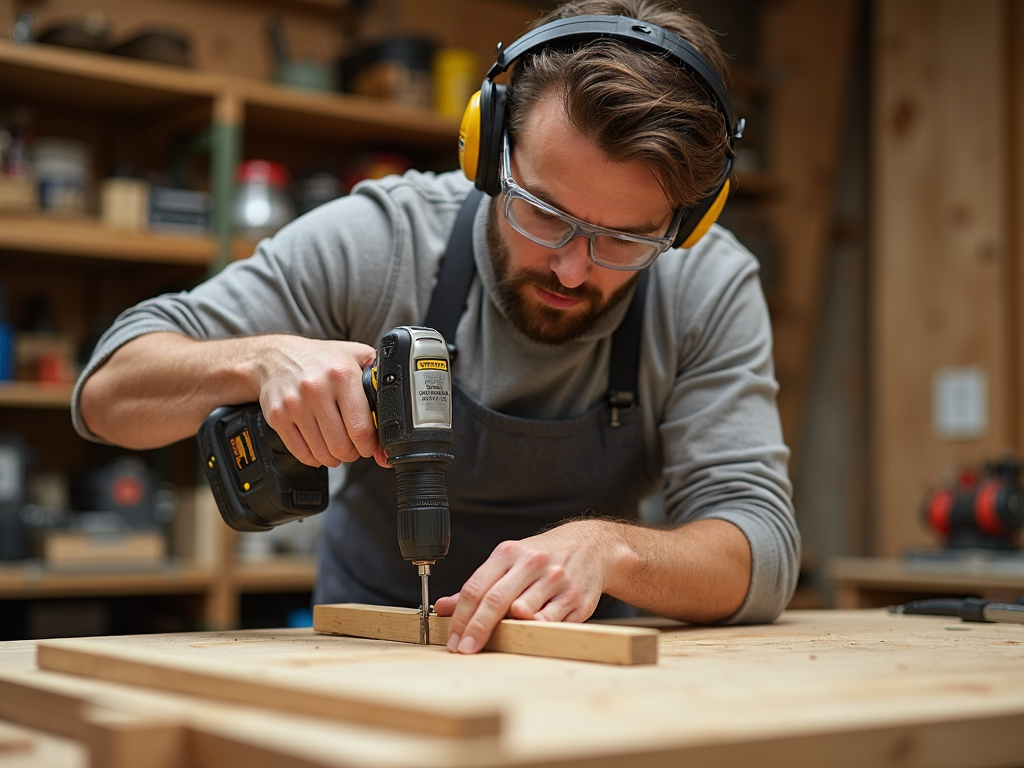
Stay safe while using or fixing your power washer. Wear goggles and gloves—high-pressure water can sting. Never aim the spray at people or pets. I’ve seen what a stray blast can do to a flowerpot—it’s not pretty. Before repairs, cut the power. If you’re unsure about a fix, get help. Our article on Safety Tips for Using Power Washers has more pointers.
Choosing the Right Power Washer
Picking the right machine helps avoid headaches. Think about your jobs. Big areas like driveways need more power—higher pressure and flow. Smaller tasks, like cars, don’t. I got a mid-range model years ago, and it’s handled everything I’ve thrown at it. Match the tool to the task, and you’ll have fewer issues. See How to Choose the Right Power Washer for more advice.
Conclusion
Power washer troubleshooting and repair doesn’t have to be a chore. With these steps, you can tackle low pressure, leaks, and engine woes yourself. Regular care keeps your machine humming. You’ll save cash and get back to cleaning in no time.
This article gives you everything you need to fix and maintain your power washer. It’s packed with real tips from my own experience, laid out so you can follow along easily. Keep your machine in top shape, and it’ll keep your spaces clean!
Related power washer troubleshooting and repair:
- How to Choose the Right Power Washer for Your Needs
- Top 5 Power Washer Accessories for Enhanced Cleaning
- Top 10 Workman Tools for Beginners
- Essential Safety Tips for Working on Your Car
- How Riving Knives Save Lives
- Ergonomic Hand Tools for Reduced Strain: A Comprehensive Guide
- Maximizing Efficiency in Your Workshop
- Beginner's Guide to Woodworking Tools
- The Ultimate Guide to Essential Tools for Every Workshop
- Revolutionizing Workshops: Innovative Workman Tools in 2024
- Workman Tools: A Comprehensive Guide
- Essential Tools Every Beginner Handyman Needs