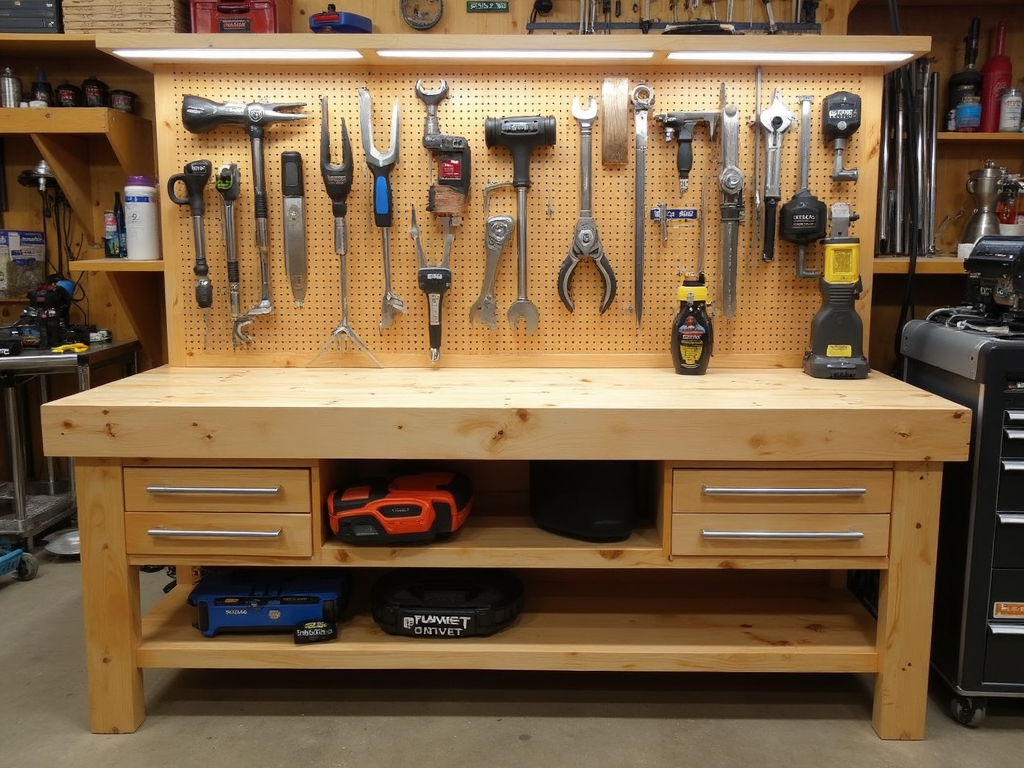
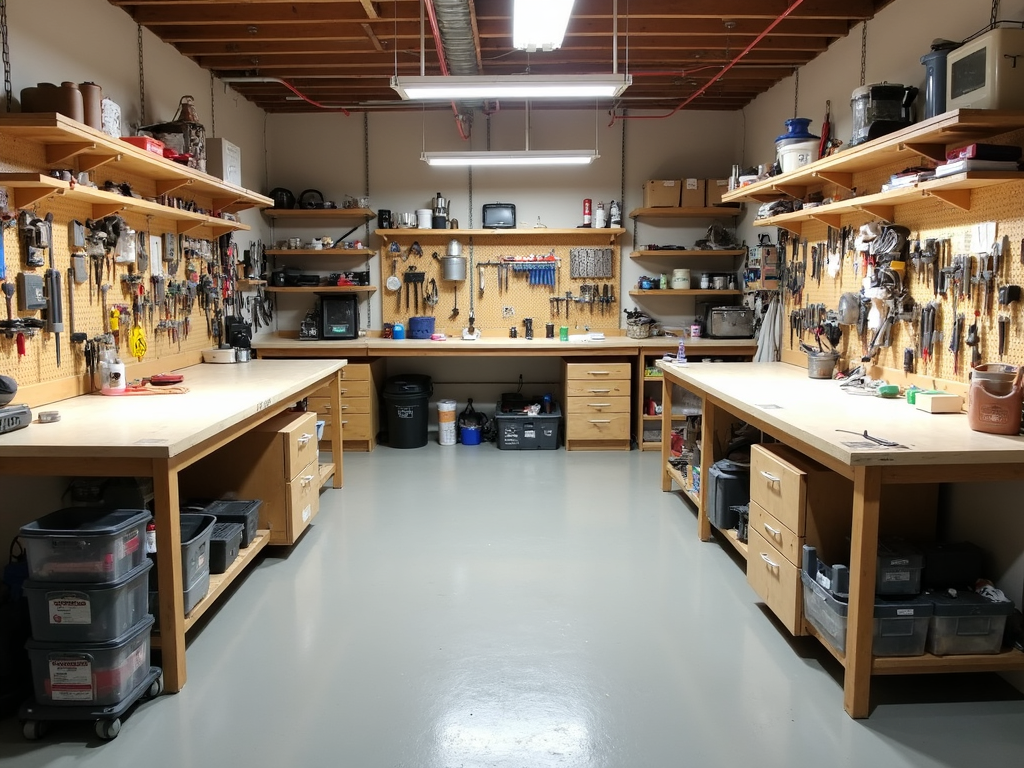
Ergonomic hand tools are designed to reduce strain and improve comfort during use. This article explores the benefits, features, and best practices for using these tools in various work settings.
Introduction to Ergonomic Hand Tools
Ergonomic hand tools are specially designed to fit the natural movements and postures of the human body, reducing the risk of strain and injury. These tools are essential for anyone who uses hand tools regularly, whether in professional settings like construction and manufacturing or in everyday tasks. The importance of ergonomic design cannot be overstated, as it directly impacts the health and efficiency of the user. By minimizing awkward postures and excessive force, ergonomic hand tools help prevent musculoskeletal disorders and enhance overall productivity.
Key Features of Ergonomic Hand Tools
Ergonomic hand tools come with several features that set them apart from traditional tools:
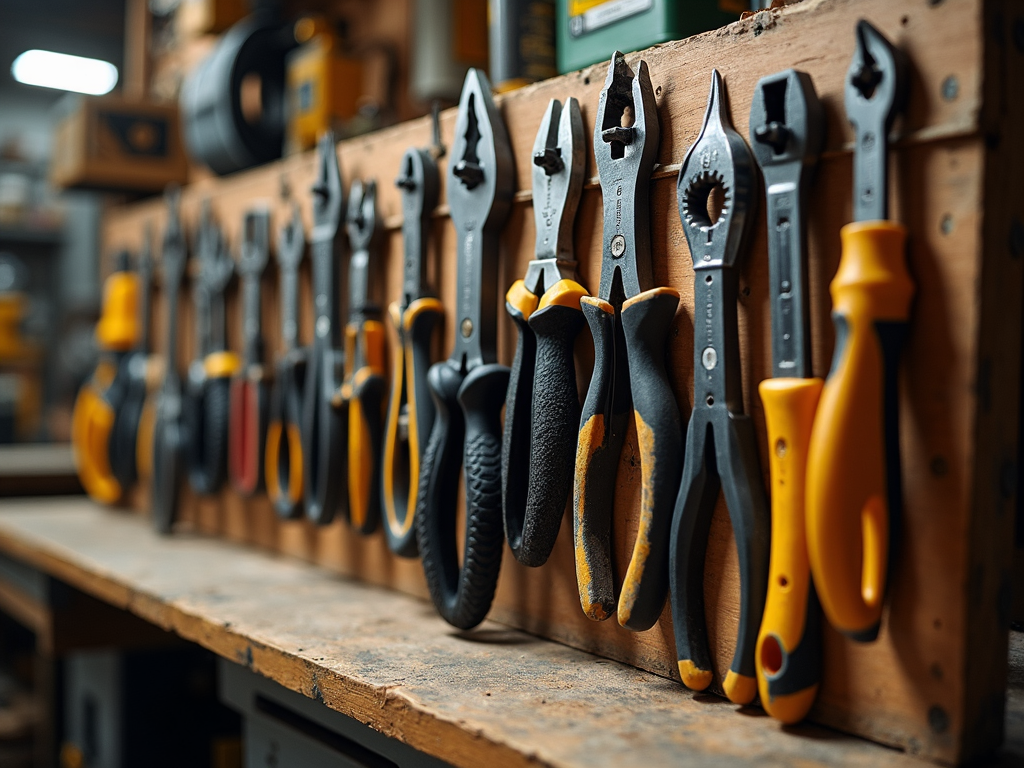
- Comfortable Grips: These tools often have padded or contoured handles that reduce pressure points and provide a secure hold.
- Adjustable Handles: Many ergonomic tools allow users to adjust the angle or length of the handle to suit their specific needs.
- Lightweight Materials: Using materials like aluminum or composite plastics, these tools are easier to handle and reduce fatigue.
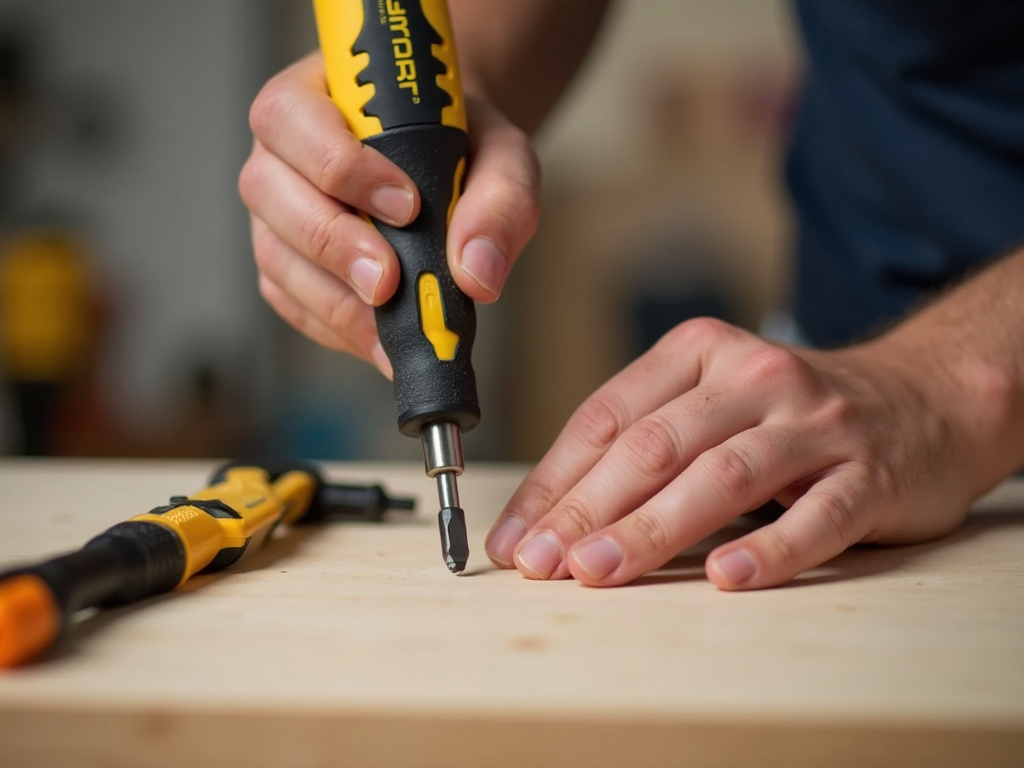
These features not only make the tools more comfortable to use but also improve precision and control, which is crucial for tasks requiring fine motor skills.
Benefits of Ergonomic Hand Tools
The advantages of using ergonomic hand tools are numerous and can significantly impact both short-term comfort and long-term health.
- Reduced Strain: By aligning with the body's natural movements, these tools minimize the risk of repetitive strain injuries.
- Improved Comfort: Features like padded grips and balanced weight distribution make prolonged use more comfortable.
- Increased Productivity: When tools are easier and more comfortable to use, tasks can be completed faster and with greater accuracy.
These benefits are not just theoretical; they are backed by research. For instance, a study from the National Institute for Occupational Safety and Health (NIOSH) found that ergonomic interventions can reduce the incidence of work-related musculoskeletal disorders by up to 60%.
Ergonomic Hand Tools in Different Work Environments
Ergonomic hand tools are versatile and can be used in various settings:
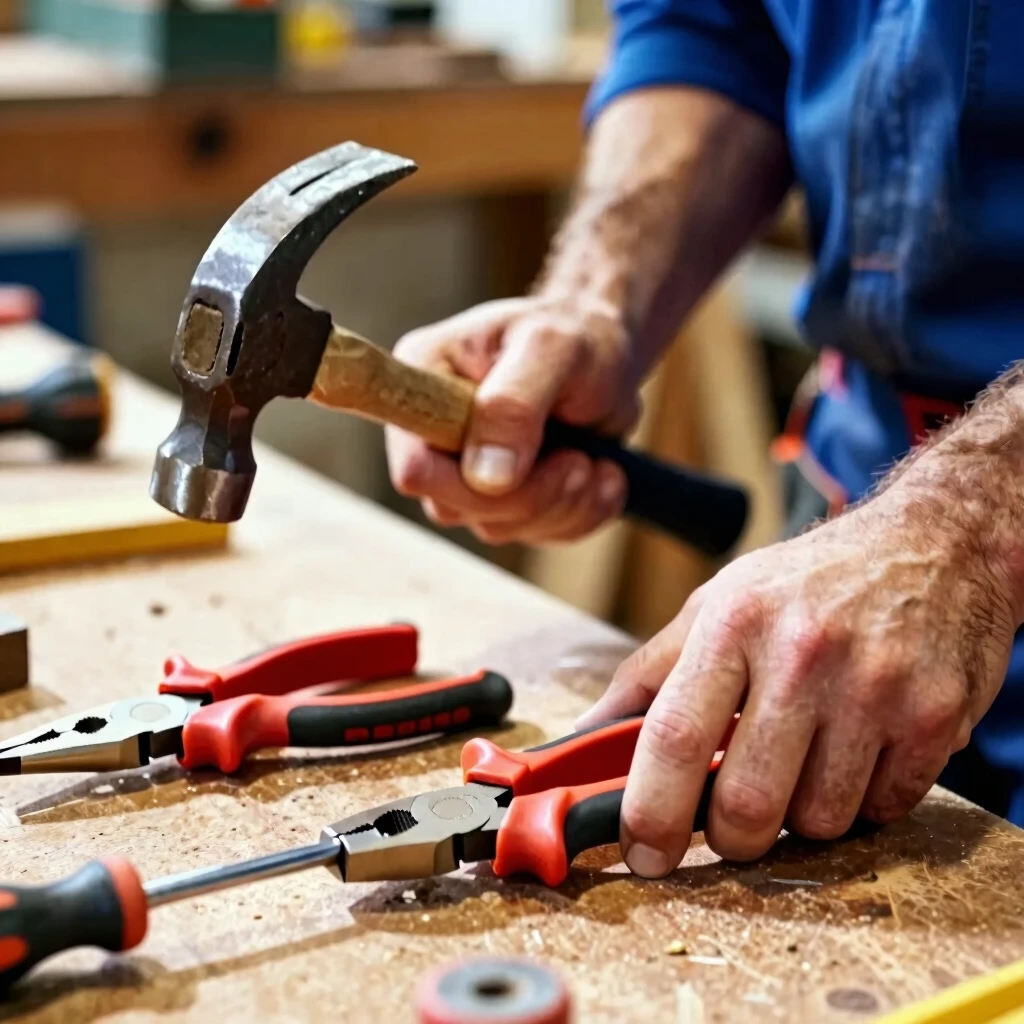
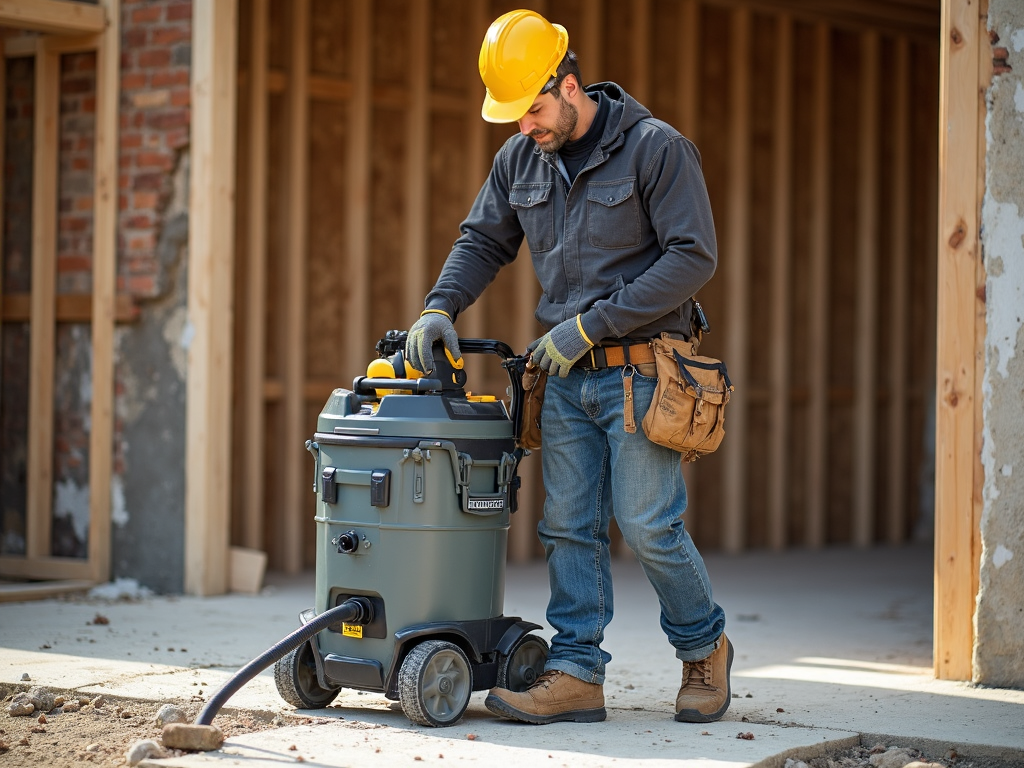
- Construction: Tools like ergonomic hammers and wrenches reduce the physical toll on workers, allowing them to work longer with less fatigue.
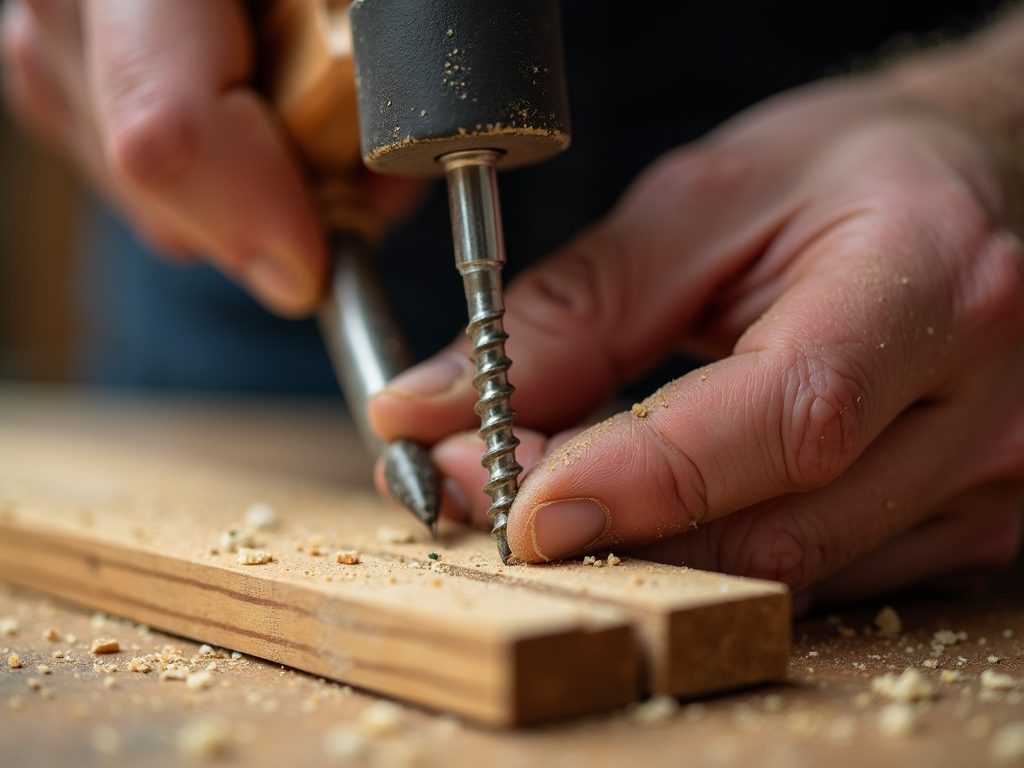
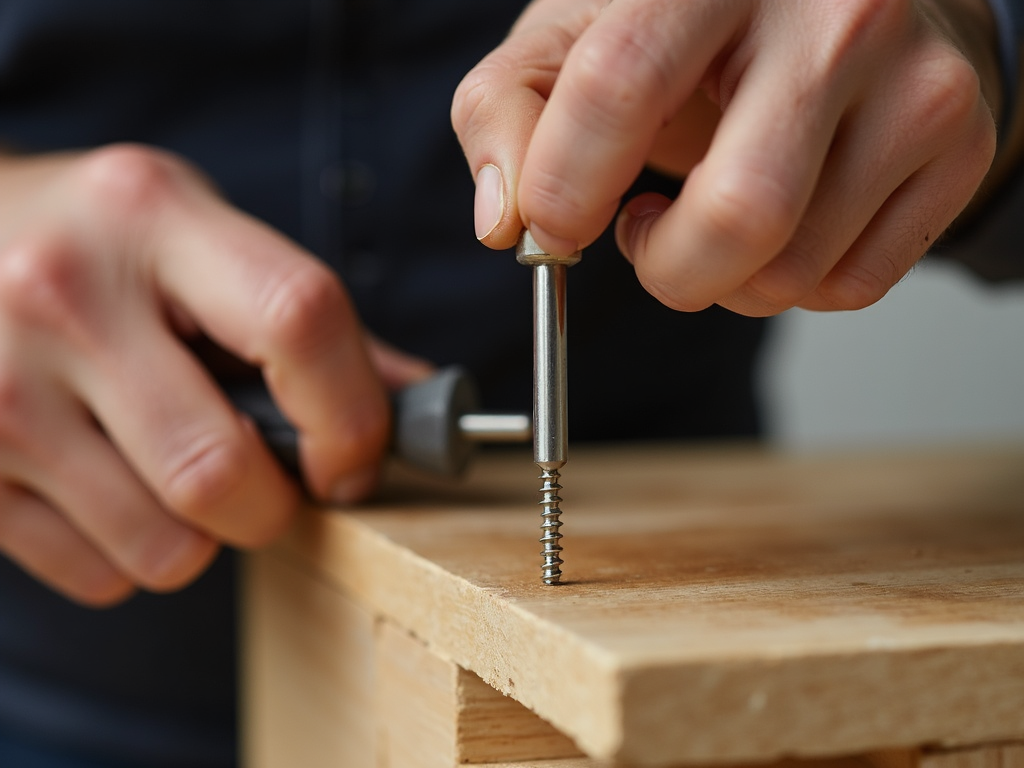
- Manufacturing: In assembly lines, ergonomic screwdrivers and pliers can speed up production while protecting workers' hands and wrists.
- Office Settings: Even in less physically demanding environments, ergonomic scissors and staplers can prevent discomfort during repetitive tasks.
Each environment has unique demands, but the underlying principle remains the same: ergonomic tools adapt to the user, not the other way around.
Below is a table comparing the features of different ergonomic hand tools:
| Tool Type | Key Ergonomic Features | Best Use Case |
|---|---|---|
| Screwdriver | Contoured grip, adjustable torque | Precision tasks |
| Hammer | Shock-absorbing handle, balanced weight | Heavy-duty construction |
| Pliers | Spring-loaded handles, angled jaws | Electrical work |
| Wrench | Ratcheting mechanism, padded grip | Automotive repair |

Best Practices for Using Ergonomic Hand Tools
To maximize the benefits of ergonomic hand tools, it's important to use them correctly:
- Proper Grip Techniques: Always use a neutral wrist position and avoid over-gripping the tool.
- Regular Breaks: Take short breaks to stretch and relax your hands and wrists, especially during prolonged use.
- Tool Maintenance: Keep tools clean and in good working condition to ensure they function as intended.
These practices not only enhance the effectiveness of the tools but also contribute to a safer and more comfortable work environment.
Common Misconceptions About Ergonomic Hand Tools
There are several myths surrounding ergonomic tools that need to be addressed:
- Myth 1: Ergonomic tools are only for people with existing injuries.
- Fact: While they are beneficial for injury prevention, ergonomic tools are designed for everyone to reduce strain and improve comfort.
- Myth 2: Ergonomic tools are more expensive and not worth the investment.
- Fact: The initial cost is often offset by increased productivity and reduced medical expenses from injuries.
- Myth 3: All tools labeled 'ergonomic' are equally effective.
- Fact: It's important to choose tools that are certified by reputable organizations like the Ergonomics Society.

Choosing the Right Ergonomic Hand Tool
Selecting the appropriate tool for the task is crucial. Here are some tips:
- Identify the Task: Determine the specific requirements of the job, such as precision, force, or repetition.
- Test the Tool: If possible, try the tool before purchasing to ensure it feels comfortable and natural.
- Check Certifications: Look for tools that have been tested and certified by ergonomic experts.
- Read Reviews: User feedback can provide valuable insights into the tool's performance and durability.
By following these steps, you can ensure that you select a tool that not only meets your needs but also enhances your work experience.
Maintenance and Care for Ergonomic Hand Tools
Proper maintenance is essential to keep ergonomic tools functioning optimally:
- Regular Cleaning: Remove dirt and debris to prevent slippage and ensure a secure grip.
- Inspect for Wear: Check for signs of damage, such as cracks or worn grips, and replace tools as needed.
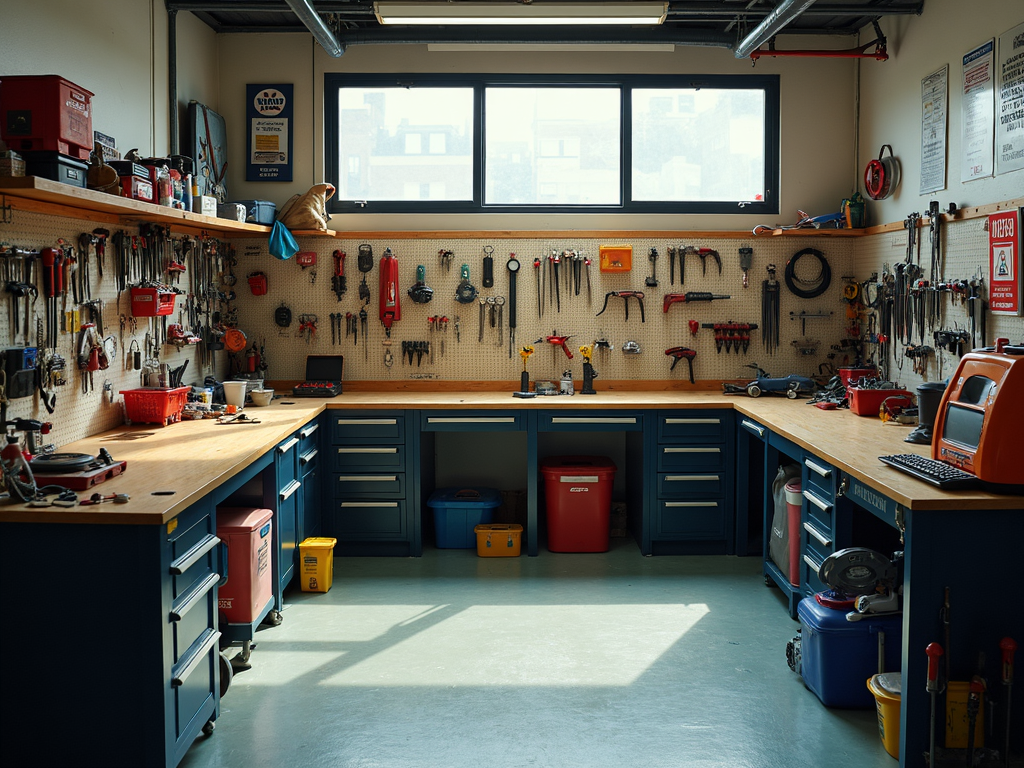
- Store Properly: Keep tools in a dry, organized space to prevent rust and damage.
Taking care of your tools not only extends their lifespan but also ensures they continue to provide the ergonomic benefits they were designed for.
Conclusion
Ergonomic hand tools are a valuable investment for anyone who uses hand tools regularly. By reducing strain, improving comfort, and increasing productivity, these tools can transform the way you work. Whether you're in construction, manufacturing, or an office setting, incorporating ergonomic tools into your routine can lead to significant benefits. Remember to choose the right tool for the task, use proper techniques, and maintain your tools to ensure they continue to serve you well.
Related ergonomic hand tools for reduced strain:
- Choosing the Right Tool for the Job: A Guide to Better Work and Less Strain
- Maximizing Efficiency in Your Workshop
- Beginner's Guide to Woodworking Tools
- The Ultimate Guide to Essential Tools for Every Workshop
- Revolutionizing Workshops: Innovative Workman Tools in 2024
- Workman Tools: A Comprehensive Guide
- Essential Tools Every Beginner Handyman Needs
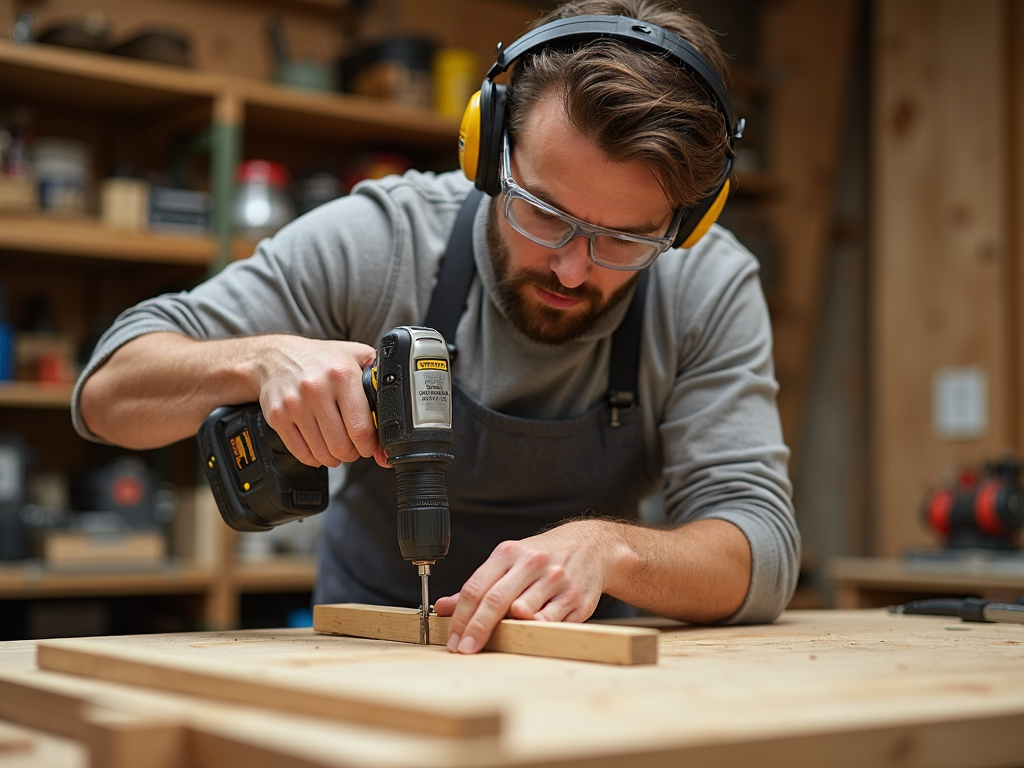
- The Ultimate Guide to Tool Safety: Protecting Yourself in the Workshop
- Mastering Complex Projects: The Ultimate Guide to Advanced Workman Tools
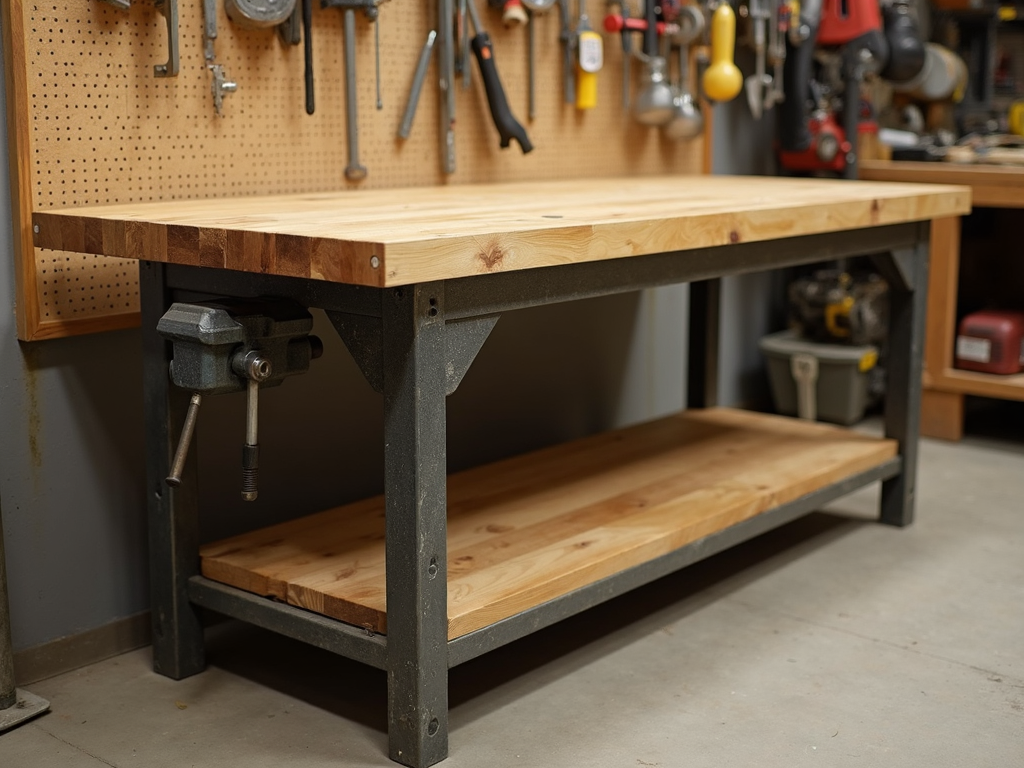
- Maximizing Workspace Efficiency: A Guide to Choosing the Right Workbench and Organizing Your Tools
- DIY Electrical Projects: What You Can and Can’t Do
- Organizing Your Workshop: Tips and Tricks for a More Efficient Workspace