Overview
Workshops are places of creativity and productivity, but they can also be dangerous if proper safety measures aren't followed. According to the U.S. Bureau of Labor Statistics, there were over 100,000 nonfatal injuries in the construction and manufacturing sectors in 2020 alone. Many of these could have been prevented with proper tool safety practices. This guide aims to provide you with the knowledge and techniques to protect yourself and others in the workshop.
Basic Safety Principles for All Workshop Users
Before you even pick up a tool, there are fundamental safety practices you should follow:
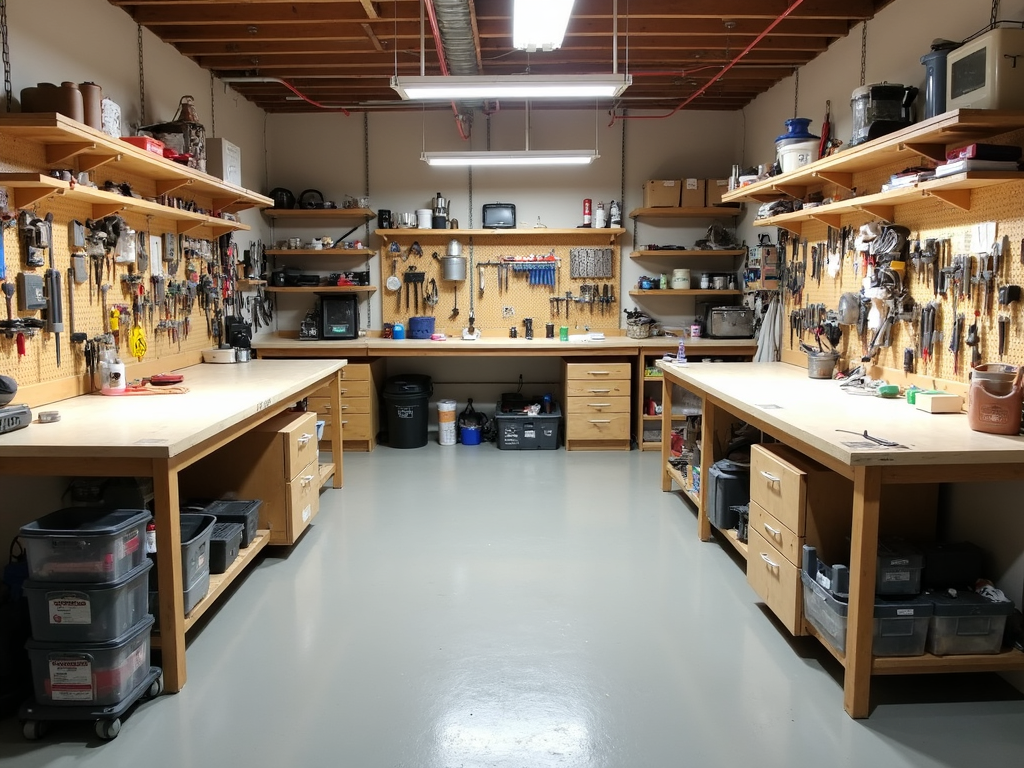
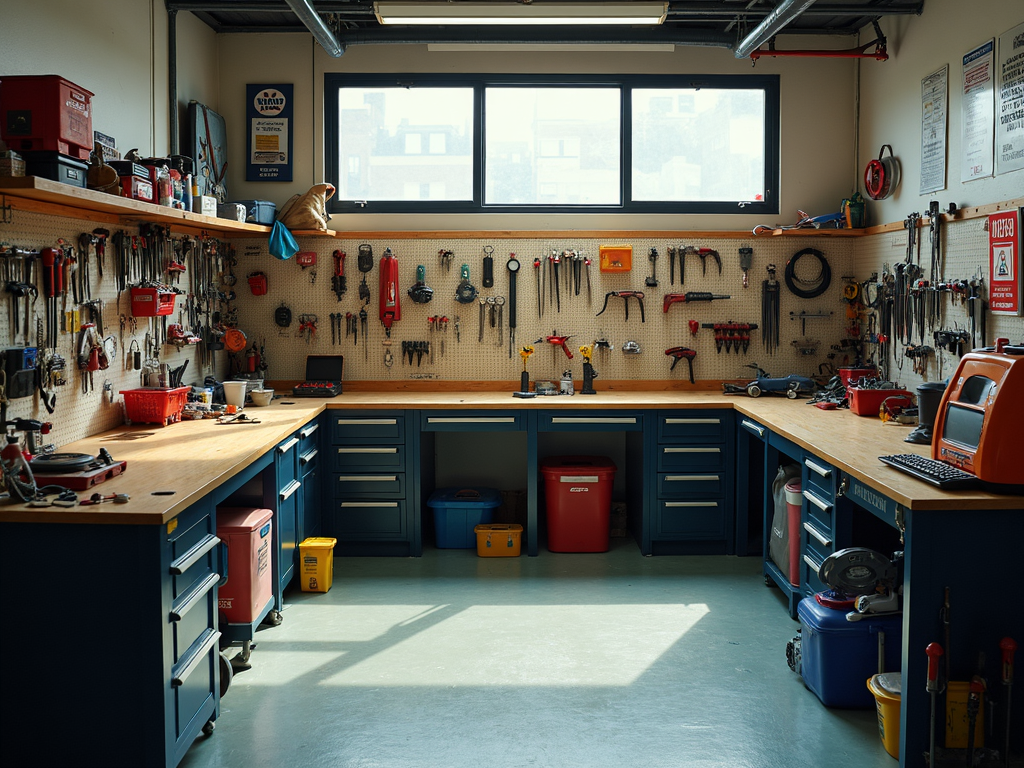
- Keep your workspace clean and organized. A cluttered workshop is an accident waiting to happen. Make sure tools are put away when not in use, and sweep up sawdust and debris regularly.
- Ensure proper lighting. Good visibility is crucial for safe work. Use overhead lights and task lighting to illuminate your work area.
- Maintain good ventilation. Many workshop activities produce dust and fumes that can be harmful. Use exhaust fans or open windows to keep the air clean.
- Wear appropriate clothing. Avoid loose-fitting clothes that can get caught in machinery. Wear closed-toe shoes and tie back long hair.
- Never work alone if possible. Having someone nearby can be lifesaving in case of an emergency.
These are just the basics, but they set the foundation for a safe working environment.

Essential Safety Gear and How to Use It
Safety gear is your first line of defense against injuries. Here's what you should have:
- Safety glasses or goggles: Protect your eyes from flying debris. Make sure they fit snugly and are impact-resistant.
- Hearing protection: Earplugs or earmuffs can prevent hearing loss from loud tools.
- Dust masks or respirators: Essential for protecting your lungs from fine particles and fumes.
- Gloves: Choose the right type for the task—leather for handling rough materials, cut-resistant for sharp tools.
- Steel-toe boots: Protect your feet from heavy objects.
Remember, safety gear only works if you use it correctly. For example, safety glasses should cover your eyes completely, and ear protection should be worn whenever you're using loud tools.
Table: Types of Safety Glasses
| Type | Features | Best For |
|---|---|---|
| Basic safety glasses | Impact-resistant lenses | General workshop use |
| Goggles | Sealed fit, anti-fog | Dusty environments or chemical use |
| Face shields | Full-face protection | Grinding or cutting operations |

Safe Practices for Common Tools
Different tools require different safety measures. Here are some tips for commonly used tools:
- Hand tools: Always cut away from your body, keep blades sharp (dull tools are more dangerous), and use the right tool for the job.
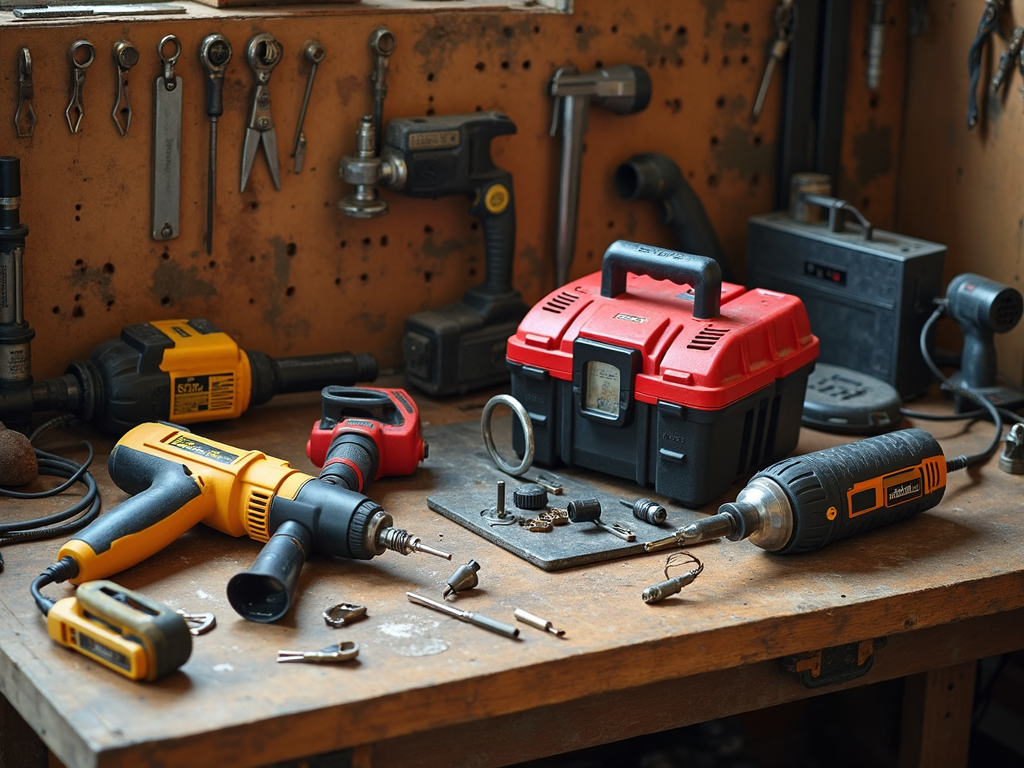
- Power tools: Read the manual before use, unplug when changing blades or bits, and never remove safety guards.
- Saws: Use push sticks to keep your hands away from the blade, and ensure the blade is sharp and appropriate for the material.
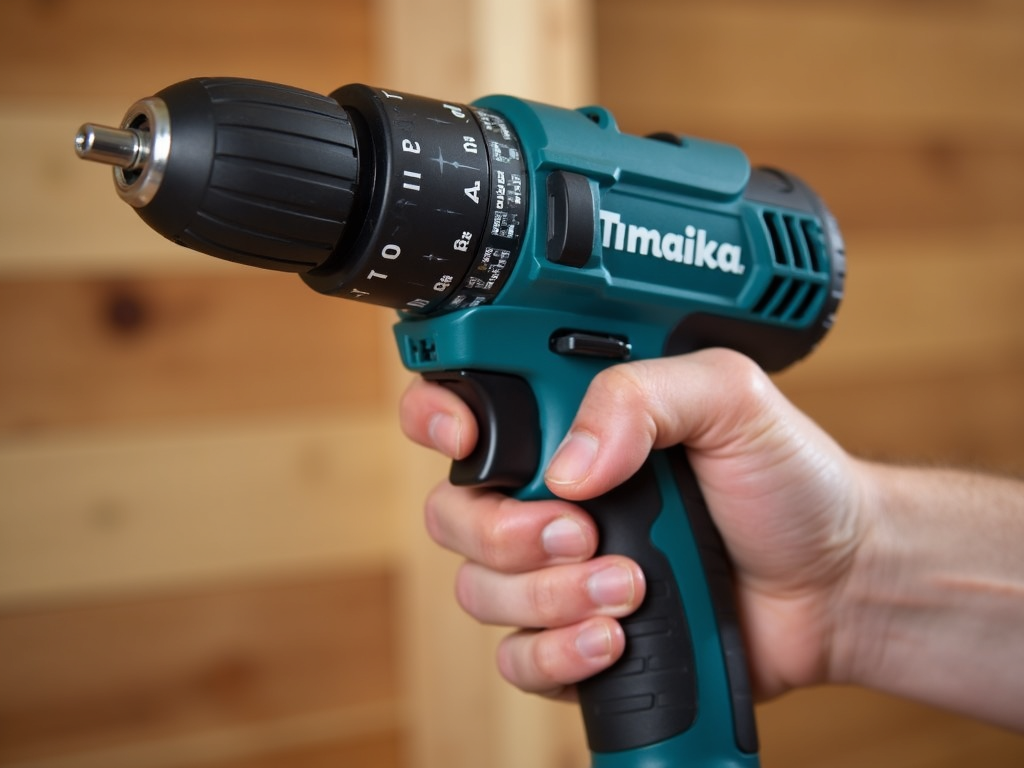
- Drills: Secure the workpiece with clamps, and use a drill bit suitable for the material.
Remember, familiarity breeds complacency. Even if you've used a tool a thousand times, always follow safety protocols.

Advanced Safety Techniques for Professional Woodworkers
As you gain experience, you can implement more sophisticated safety measures:
- Jigs and fixtures: These hold your workpiece securely, allowing for precise cuts without putting your hands in danger.
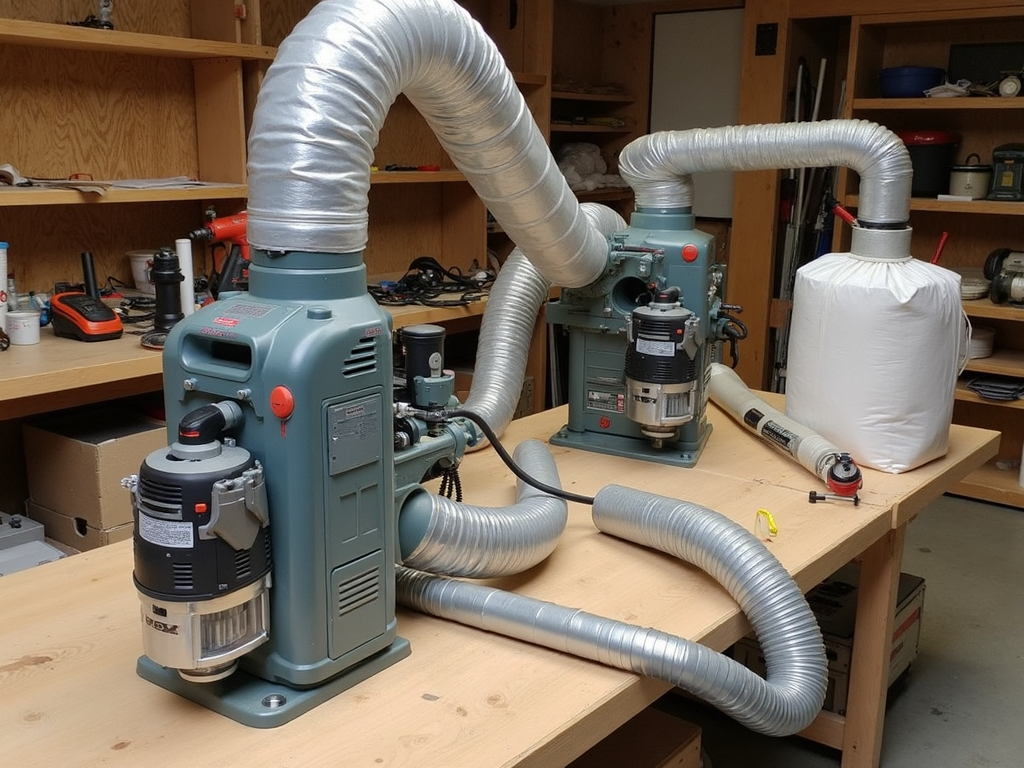
- Dust collection systems: Advanced systems can be integrated into your tools to minimize airborne particles.
- Automatic shut-off devices: Some tools have sensors that stop the machine if they detect a hand too close to the blade.
- Regular maintenance: Keep your tools in top condition to prevent malfunctions that could lead to accidents.
Investing in these advanced techniques not only protects you but also improves the quality of your work.
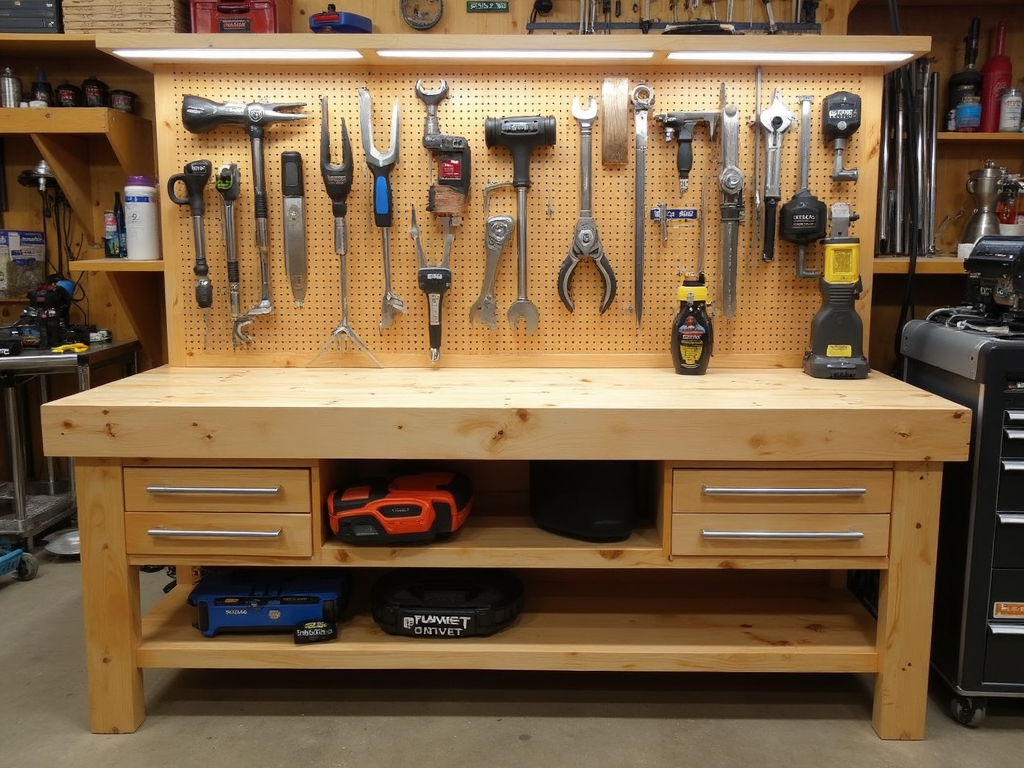
Workbench Safety and Organization
Your workbench is the heart of your workshop. Keeping it safe and organized is crucial:
- Clear the clutter: Only keep the tools and materials you're currently using on the bench.
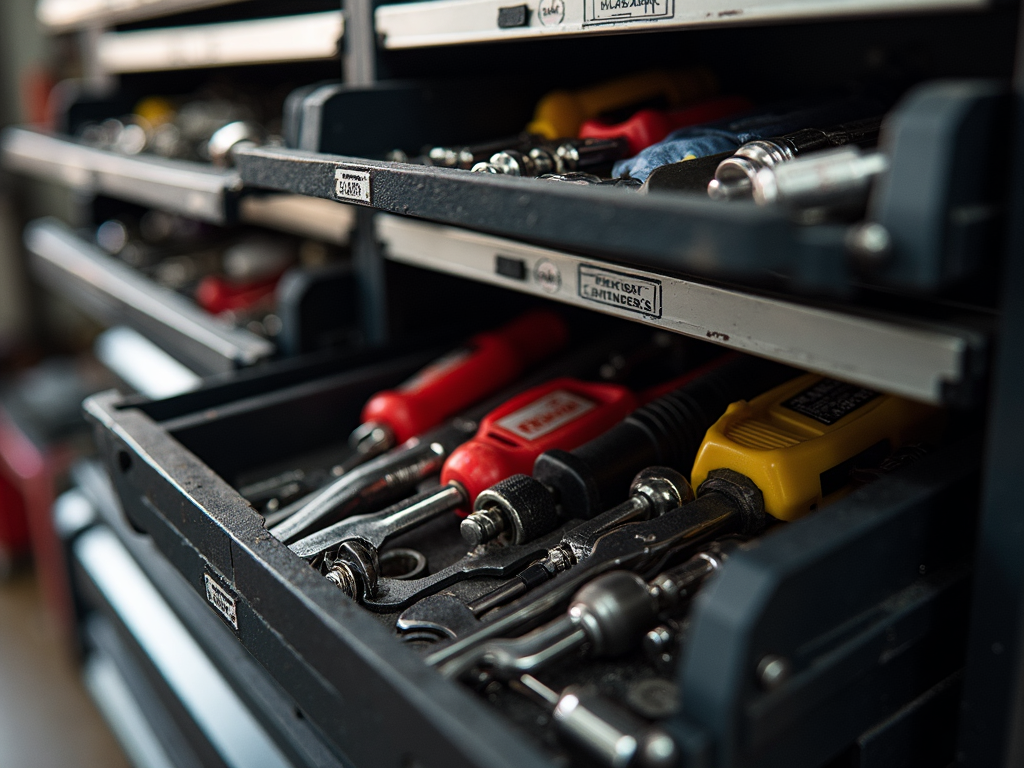
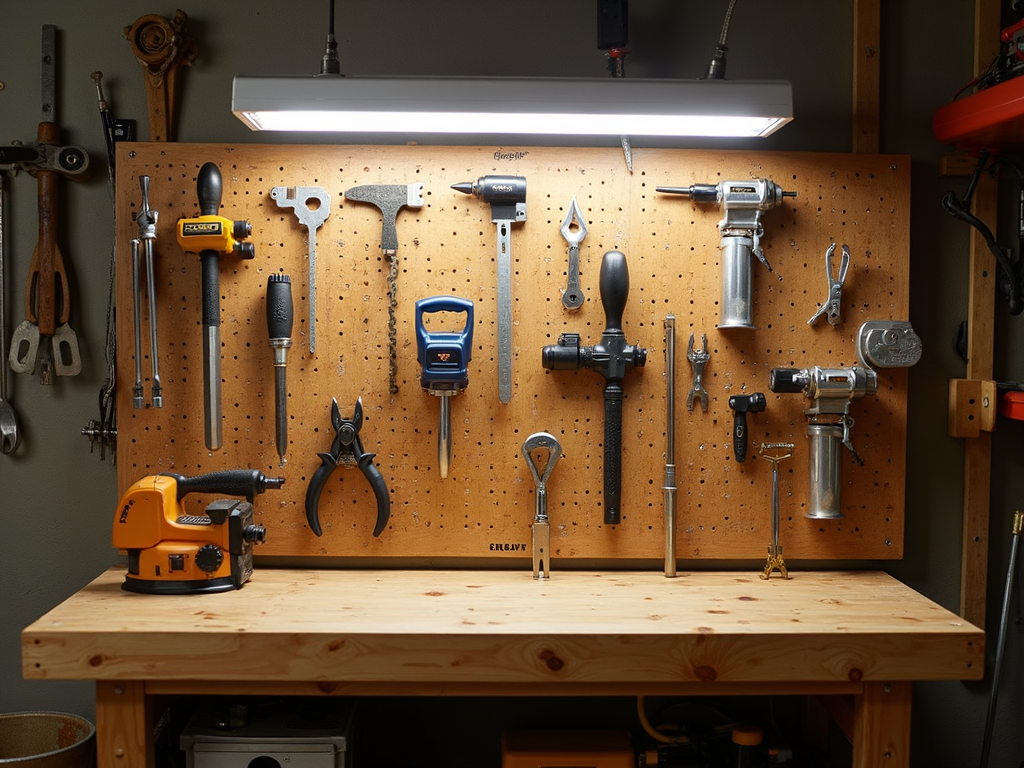
- Proper tool storage: Use pegboards, shelves, or tool chests to store tools when not in use.
- Secure heavy items: Make sure heavy tools or materials are stored securely to prevent them from falling.
- Good lighting: Ensure your workbench is well-lit to avoid mistakes.
A tidy workbench not only prevents accidents but also makes your work more efficient.
Emergency Preparedness in the Workshop
Despite all precautions, accidents can happen. Be prepared:
- First aid kit: Keep a well-stocked kit in an easily accessible location.
- Emergency contacts: Have a list of emergency numbers posted prominently.
- Fire extinguisher: Ensure you have one suitable for electrical and wood fires.
- Know basic first aid: Learn how to treat common injuries like cuts, burns, and eye injuries.
Being prepared can make the difference between a minor incident and a major disaster.

Summary and Key Takeaways
Tool safety is not just a set of rules; it's a mindset. By following the principles outlined in this guide, you can significantly reduce the risk of accidents in your workshop. Remember:
- Always wear appropriate safety gear.
- Keep your workspace clean and organized.
- Use tools correctly and maintain them regularly.
- Be prepared for emergencies.
Prioritizing safety allows you to focus on what you love—creating and building—without unnecessary risks.
Related The Ultimate Guide to Tool Safety: Protecting Yourself in the Workshop:
- Advanced Dust Collection Systems for Professional Woodworkers: The Ultimate Guide to Tool Safety
- Mastering Complex Projects: The Ultimate Guide to Advanced Workman Tools
- Maximizing Workspace Efficiency: A Guide to Choosing the Right Workbench and Organizing Your Tools
- DIY Electrical Projects: What You Can and Can’t Do
- Organizing Your Workshop: Tips and Tricks for a More Efficient Workspace
- Specialized Workman Tools for Metalwork: A Comprehensive Guide
- Organizing Your Workshop: Storage Solutions for Tools
- Drill Bits 101: Choosing the Right One
- Top 10 Electrical Tools Every Homeowner Needs
- Essential Chisels in a Woodworker’s Toolkit
- A Look Back at Workman Tools Through the Years
- DIY Woodworking Projects for Beginners: A Comprehensive Guide