Chisels are key tools for any woodworker. They shape wood, create joints, and add fine details with ease. This article explores essential chisels in a woodworker’s toolkit, their uses, and maintenance tips to help you improve your skills and projects.
What Are Chisels and Why Do They Matter?
Chisels are simple hand tools with a sharp blade for cutting and shaping wood. They have a handle and a blade, usually made of strong steel. Woodworkers use them for carving, making joints, and trimming wood.
Why are chisels so important? They give you control that machines can’t match. You can make precise cuts and detailed designs by hand. For anyone working with wood, from beginners to pros, chisels are must-have workman tools for quality results.

Types of Chisels
Different chisels suit different jobs. Here’s a rundown of the main types:
-
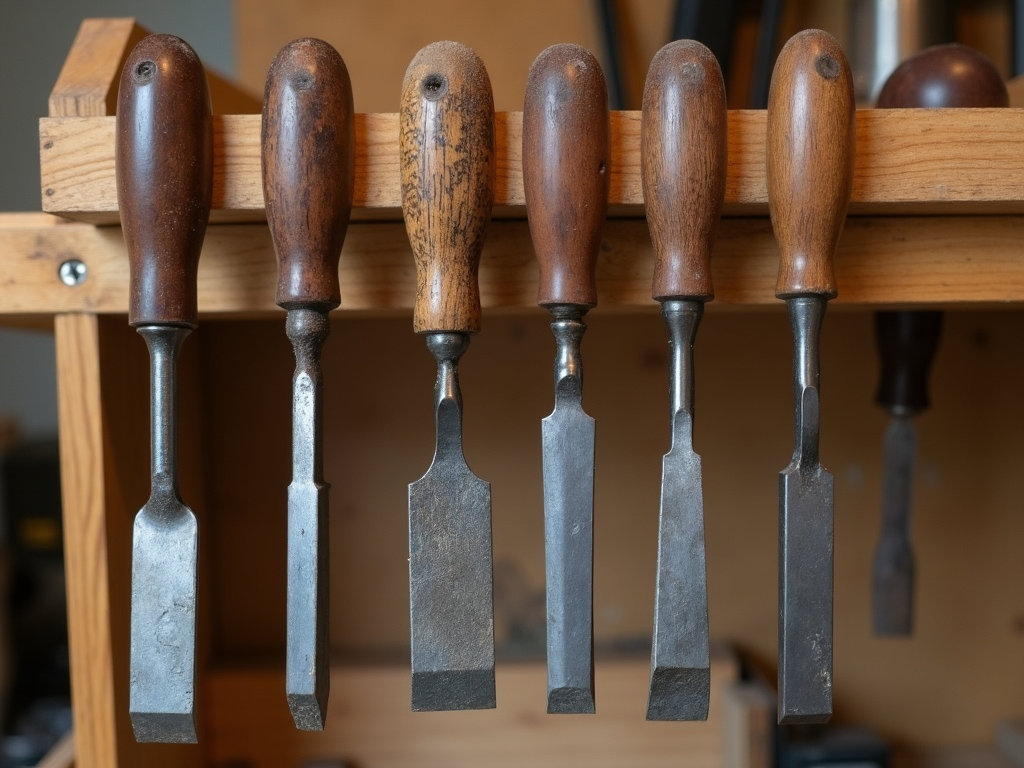
Bench Chisels: These are your go-to chisels for everyday tasks like chopping wood or cleaning up joints. They come in sizes from 1/4 inch to 1 inch wide. Pick a small one for tiny details or a wider one for bigger cuts. Learn more in this guide on bench chisels from Woodworker’s Journal.
-
Mortise Chisels: Built for cutting square holes called mortises, these have thick blades to handle tough chopping. Match the chisel width to your mortise for accuracy.
-
Paring Chisels: With long, thin blades, these are perfect for light, precise trimming. Use them to shave wood and fit joints snugly.
-
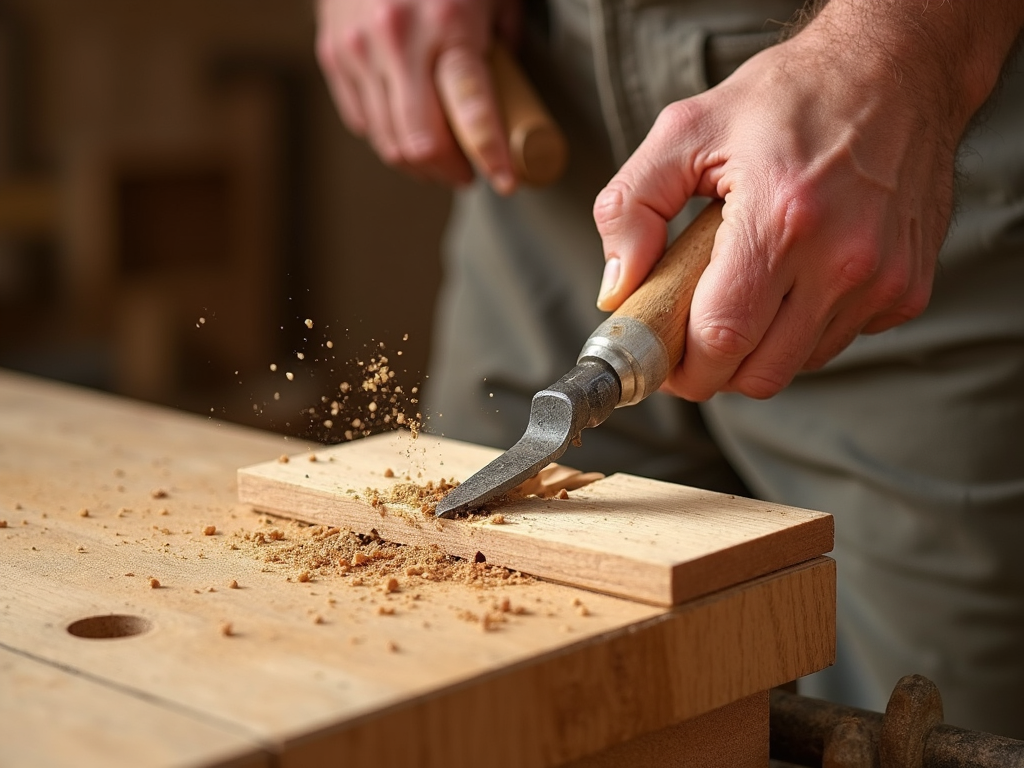
Gouge Chisels: These have curved blades for carving shapes like bowls or curves. Choose a shallow curve for wide areas or a deep one for tight details.
-
Skew Chisels: Featuring an angled blade, these smooth wood in tricky spots like corners or edges. They’re great for neat dovetail joints.
Each chisel has a special role. A good woodworker keeps a variety handy. For more details, check this article on chisel types from Fine Woodworking.
Picking the Right Chisel
Choosing the best chisel makes your work easier. Think about these points:
-
Wood Type: Soft woods like pine need lighter chisels. Hard woods like oak call for stronger ones.
-
Cut Style: Use wide bench chisels for rough cuts or mortise chisels for deep holes. Go with paring or gouge chisels for fine work.
-
Your Skill: Newbies should start with bench chisels—they’re easy to use. Add gouges or skews as you get better.
-
Project Needs: Building a table with joints? Grab a mortise chisel. Carving a spoon? Get a gouge.
Matching the chisel to the task saves time and boosts your results.
What Chisels Are Made Of
A chisel’s quality comes from its materials. Blades are usually high-carbon steel, which stays sharp and tough. Some have an extra-hard steel edge for longer use.
Handles vary—wood feels nice and traditional, while plastic or mixed materials last longer. Good materials mean your chisels work well and don’t wear out fast. Spend a bit more on quality, and you’ll save in the long run.
Keeping Chisels in Shape
Take care of your chisels, and they’ll last. Try these steps:
-
Clean Them: Wipe the blade after use to remove dust and dampness. This stops rust.
-
Sharpen Them: Use a sharpening stone regularly. Sharp blades cut better and safer. Watch this sharpening video by Paul Sellers for a clear how-to.
-
Store Them: Keep chisels dry in a roll or rack to protect the blades.
Good care keeps your tools ready for action.

Staying Safe with Chisels
Chisels are great but need care to use safely. Here’s how:
-
Stay Sharp: Sharp chisels cut easily and don’t slip as much.
-
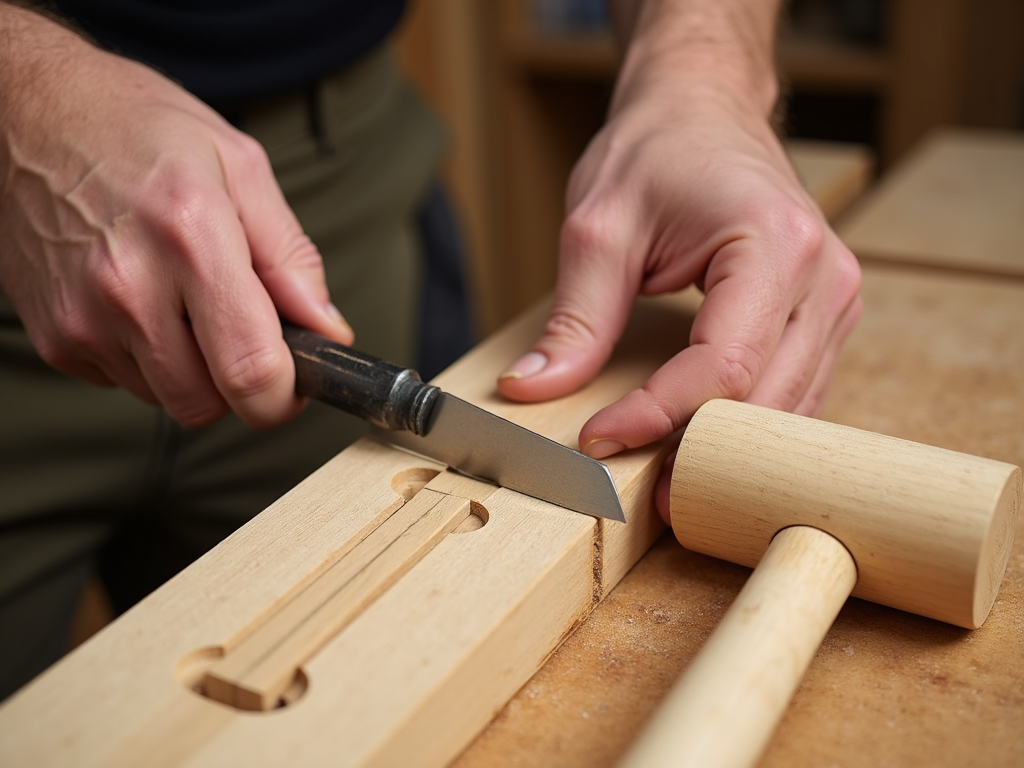
Cut Right: Push the blade away from you, hands behind it. Use a mallet for big cuts.
-
Hold the Wood: Clamp your piece tight so it won’t move.
-
Gear Up: Wear safety glasses—chips can fly.
-
Store Smart: Keep blades covered when not in use.
Safety lets you focus on your craft without worry.
How Chisels Started
Chisels go way back. Ancient people made them from stone or bone to carve wood and more. Over time, metal took over—bronze, then iron, and now steel for sharp, strong blades.
In old Europe, woodworkers and builders relied on them. Today’s chisels are better, with tough steel and comfy handles. Curious about their past? See this chisel history from Popular Woodworking.
My Time with Chisels
I’ve used chisels a lot as a woodworker. Once, I built bookshelves for my house. Bench chisels made perfect dovetail joints—strong and pretty. It took time, but the look was worth it.
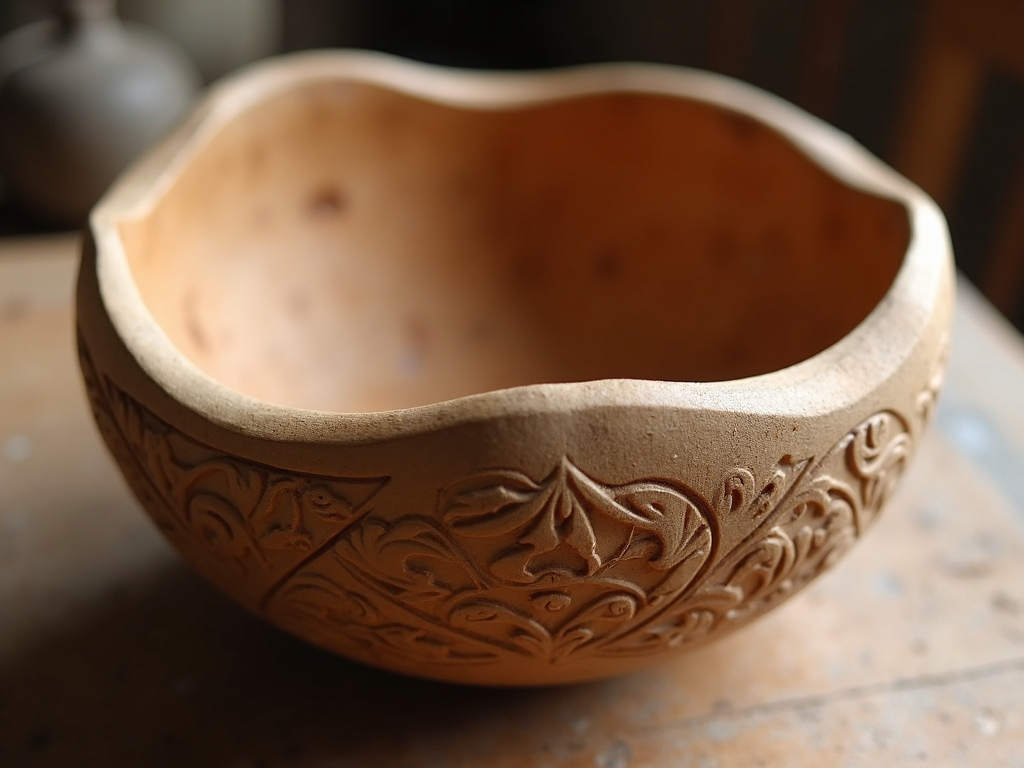
Another project was a carved box. Gouge chisels shaped the curves just right. I could feel every cut, making it personal.
Early on, sharpening was hard. My cuts were messy until I practiced and got it down. Sharp chisels changed everything—smoother work, better pieces.
Wrapping Up
Essential chisels in a woodworker’s toolkit bring precision and flexibility to your projects. Knowing their types, uses, and care helps you create amazing work. Buy good ones, keep them sharp, and practice your skills. You’ll see the difference in every cut.
Related essential chisels in a woodworker's toolkit:
- A Look Back at Workman Tools Through the Years
- DIY Woodworking Projects for Beginners: A Comprehensive Guide
- Tool Organization Tips for Painters: Stay Efficient and Productive
- Mastering Electrical Troubleshooting: Essential Tools and Techniques
- DIY Workshop Projects: Build Your Own Storage Solutions
- Safety Practices in Home Electrical Repairs
- How to Maintain Your Tool Set for Longevity
- Workman Tools for Electrical Work: A Comprehensive Guide
- The Benefits of Ergonomic Tools in the Workplace: Enhancing Productivity and Well-being
- A Comprehensive Guide to OSHA’s Construction Safety Standards
- Investing in Quality: Why It Pays Off for Contractors
- Essential Tools Every Painter Needs in Their Toolkit