Overview:
Keeping your painting tools organized is essential for efficiency and productivity. Whether you're a professional painter or a DIY enthusiast, a well-organized workspace can save time, reduce frustration, and enhance your creativity. This article shares expert tips and personal insights on how to organize your painting tools effectively, including DIY storage ideas for small spaces.
Why Tool Organization Matters for Painters
An organized workspace is more than just visually appealing—it's a key factor in a painter's success. When your tools are neatly arranged, you can:
- Save time: No more searching for misplaced brushes or rollers.
- Increase productivity: Focus on painting rather than managing clutter.
- Extend tool life: Proper storage prevents damage and wear.
- Enhance creativity: A tidy space fosters a clear mind, allowing for better focus on your art.
As a painter, your tools are your most valuable assets. Keeping them organized ensures you're always ready to tackle any project with confidence.
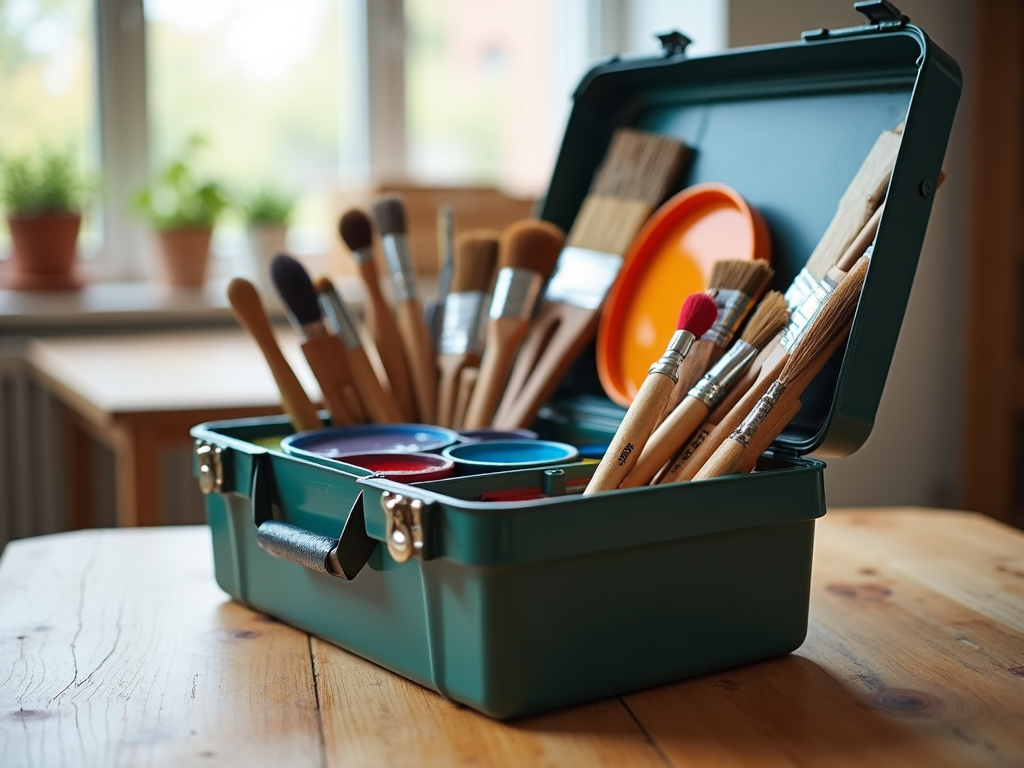
Essential Painting Tools Every Painter Should Have
Before diving into organization tips, it's important to know the essential tools every painter should have. These tools not only make your work easier but also ensure professional-quality results. Here's a list of must-have painting tools:
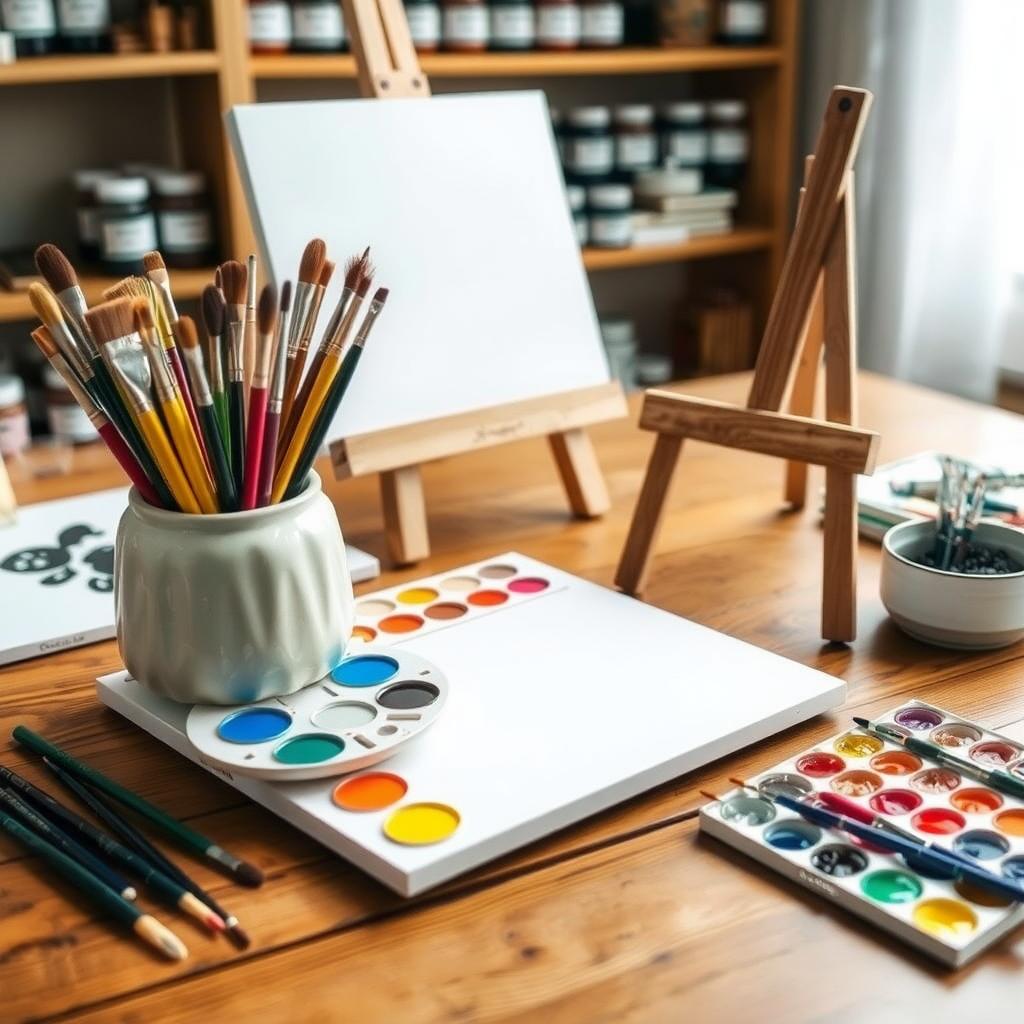
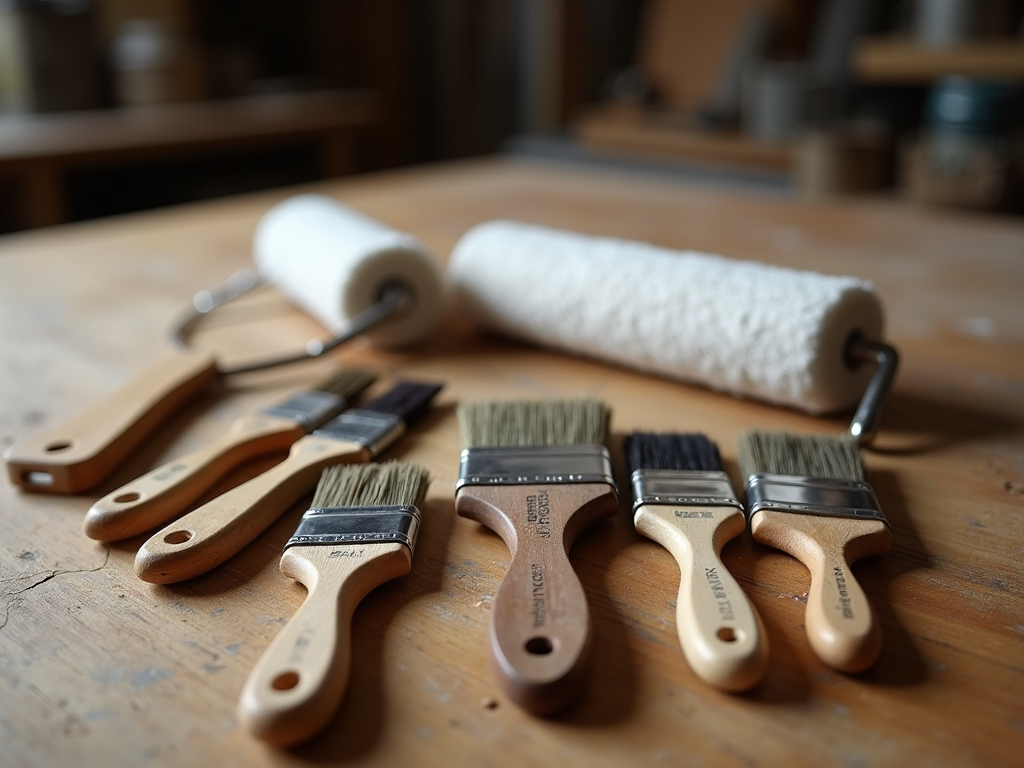
- Brushes: Various sizes for different tasks, from detail work to broad strokes.
- Rollers: For covering large areas quickly and evenly.
- Paint trays: To hold and distribute paint efficiently.
- Drop cloths: To protect surfaces from paint splatters.
- Painter's tape: For clean edges and precise lines.
- Sandpaper: For prepping surfaces before painting.
- Putty knife: For filling holes and smoothing surfaces.
Having these tools on hand is crucial, but keeping them organized is what sets professionals apart. In the next section, we'll explore how to care for and organize these tools effectively.
Painting Like a Pro: Essential Tools and How to Care for Them
Caring for your painting tools is just as important as organizing them. Proper maintenance ensures your tools last longer and perform better. Here are some tips for caring for your essential painting tools:
- Brushes: Clean immediately after use with soap and water (for water-based paints) or mineral spirits (for oil-based paints). Store them upright or hanging to maintain their shape.
- Rollers: Wash thoroughly and let them dry completely before storing. Use roller covers to protect them from dust.
- Paint trays: Clean after each use and store in a dry place to prevent rust or warping.
- Drop cloths: Shake out and fold neatly after use. Wash if necessary and store in a dry area.
- Painter's tape: Keep in a cool, dry place to maintain adhesive quality.
By taking care of your tools, you not only extend their lifespan but also ensure they are ready for your next project. Now, let's move on to practical organization tips.
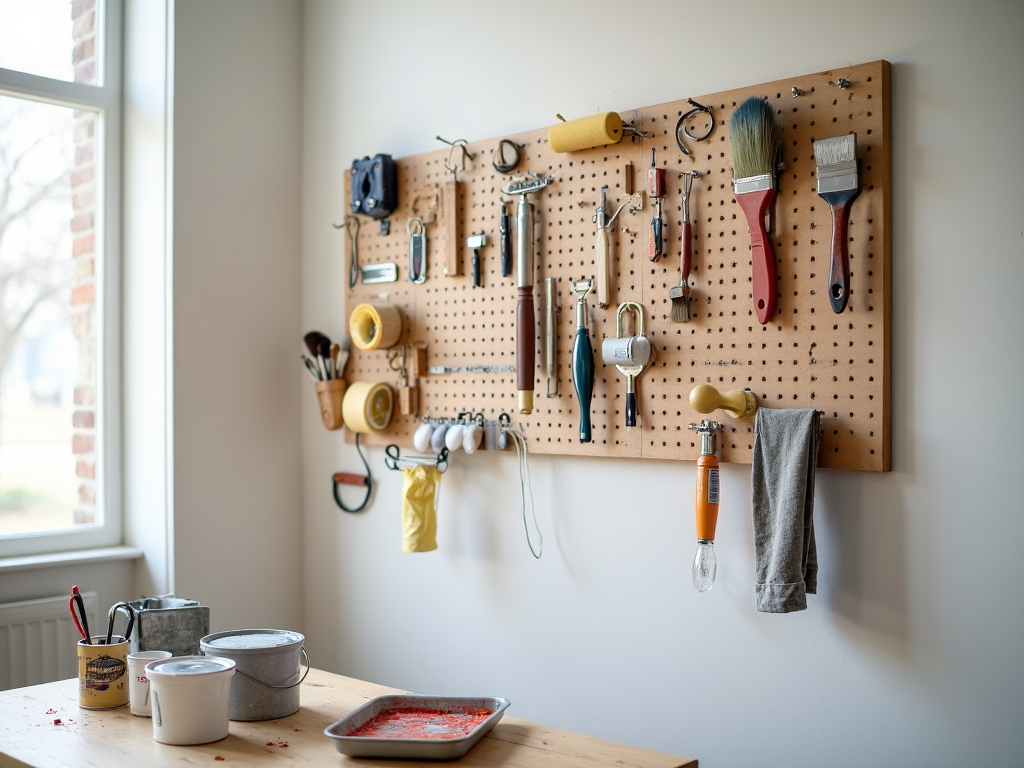
Top Tool Organization Tips for Painters
Organizing your painting tools doesn't have to be complicated. Here are some simple yet effective tips to keep your workspace tidy and efficient:
-
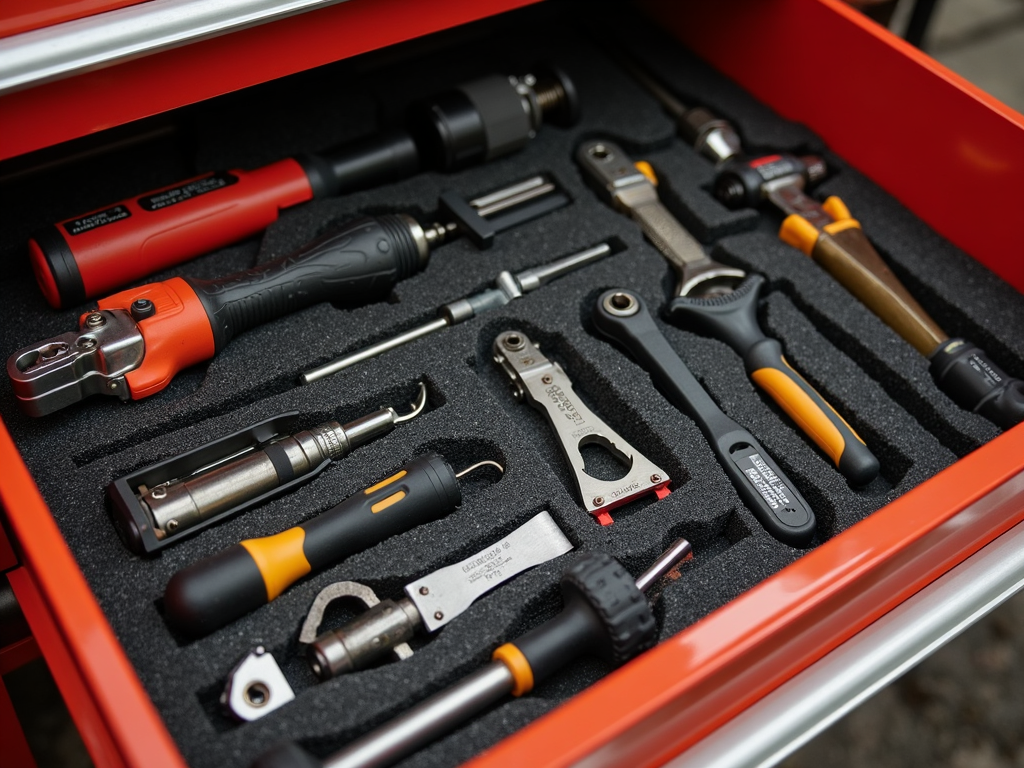
Use a Toolbox or Caddy: A portable toolbox or caddy is perfect for storing and transporting your tools. Look for one with compartments to keep items separated and easy to find.
-
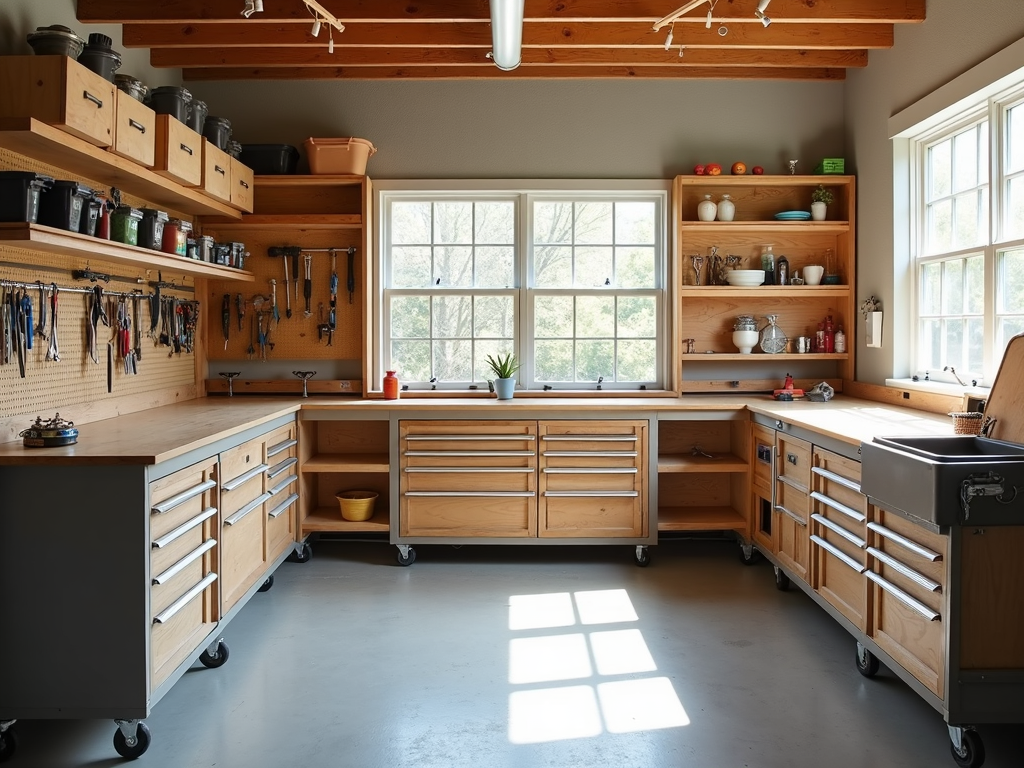
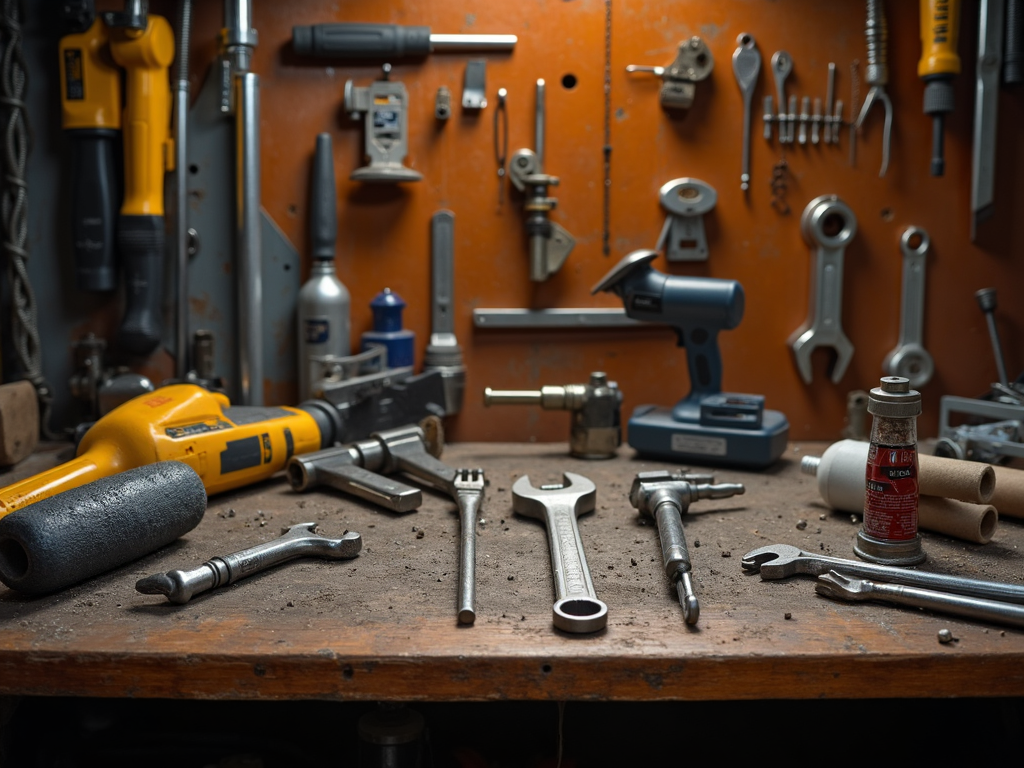
Install a Pegboard: A pegboard is a versatile storage solution that allows you to hang tools on hooks. It's ideal for small spaces and keeps tools visible and accessible.
-
Label Everything: Use labels or color-coding to identify tools quickly. This is especially helpful if you have multiple sets of similar tools.
-
Create a Cleaning Station: Designate an area for cleaning tools after use. This keeps your workspace clean and ensures tools are properly maintained.
-
Store Paints Properly: Keep paint cans sealed and stored in a cool, dry place. Use a shelf or cabinet to organize them by color or type.
These tips are easy to implement and can make a significant difference in your workflow. For those with limited space, the next section offers DIY storage ideas tailored for small areas.
5 DIY Storage Ideas for Small Spaces
If you're working with a small workspace, creative storage solutions are essential. Here are five DIY ideas to maximize your space:
-
Magnetic Tool Strip: Install a magnetic strip on the wall to hold metal tools like putty knives and scrapers. This keeps them off the work surface and easily accessible.
-
Hanging Jars: Attach mason jars to the underside of a shelf to store small items like nails, screws, or paintbrushes. This utilizes vertical space effectively.
-
PVC Pipe Holders: Cut PVC pipes into short sections and mount them on the wall to hold brushes, rollers, or extension poles. This is a cost-effective and customizable solution.
-
Rolling Cart: Use a rolling cart with shelves or drawers to store tools and supplies. It can be moved around as needed and tucked away when not in use.
-
Foldable Workbench: Invest in a foldable workbench that can be stored compactly when not in use. This provides a workspace without taking up permanent space.
These DIY solutions are not only practical but also add a personal touch to your workspace. They demonstrate that even in small spaces, organization is achievable.
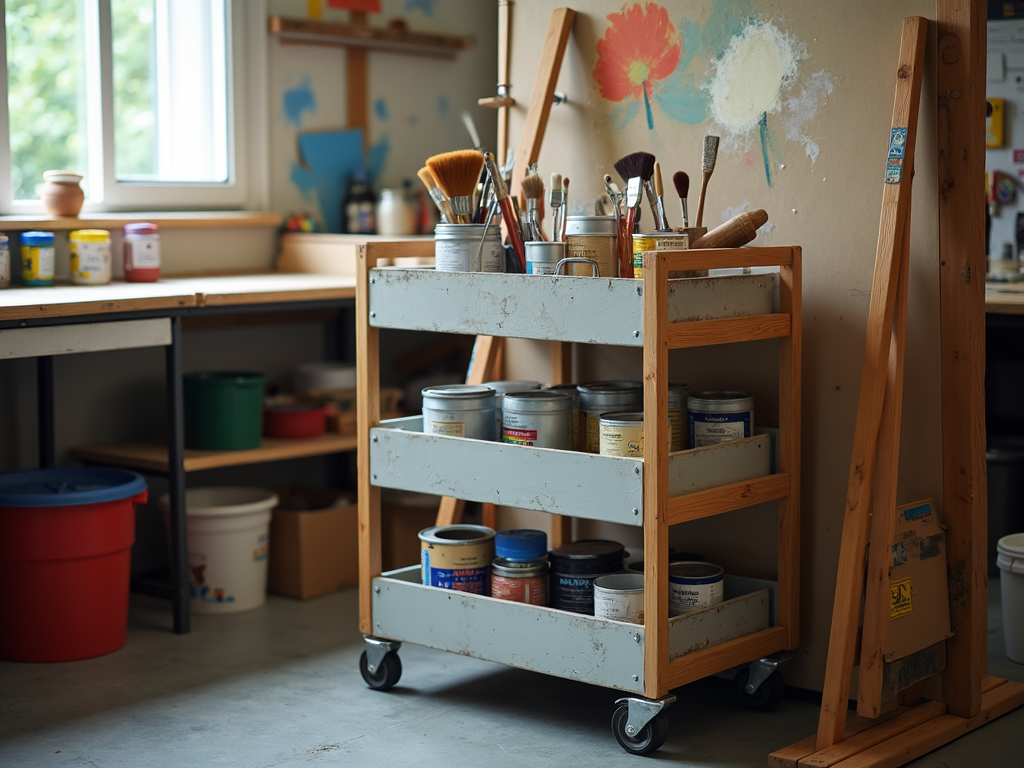
Personal Insights: My Journey to an Organized Workspace
As a painter, I've learned the hard way that disorganization can derail even the best-planned projects. I once spent an entire morning searching for a specific brush, only to find it buried under a pile of drop cloths. That experience was a turning point—I knew I needed to get organized.
I started by investing in a sturdy toolbox with compartments for different tools. This simple change made a huge difference. I could easily find what I needed and transport my tools to different job sites without hassle.
Next, I installed a pegboard in my garage. It was a game-changer. I could see all my tools at a glance and grab them quickly. Plus, it freed up valuable floor space.
For small items, I used labeled jars and bins. This kept everything from screws to painter's tape in its place. I also created a cleaning station with a sink and drying rack, which made tool maintenance a breeze.
These changes not only improved my efficiency but also made painting more enjoyable. I could focus on the creative aspects of my work rather than wrestling with clutter.
Summary
Organizing your painting tools is essential for efficiency, productivity, and creativity. By using toolboxes, pegboards, and DIY storage solutions, you can create a workspace that works for you. Remember to care for your tools properly to extend their lifespan and ensure they're always ready for your next project. With these tips, you'll be painting like a pro in no time.
Related Tool Organization Tips for Painters:
- Painting Techniques for Beginners: A Step-by-Step Guide
- Mastering Electrical Troubleshooting: Essential Tools and Techniques
- DIY Workshop Projects: Build Your Own Storage Solutions
- Safety Practices in Home Electrical Repairs
- How to Maintain Your Tool Set for Longevity
- Workman Tools for Electrical Work: A Comprehensive Guide
- The Benefits of Ergonomic Tools in the Workplace: Enhancing Productivity and Well-being
- A Comprehensive Guide to OSHA’s Construction Safety Standards
- Investing in Quality: Why It Pays Off for Contractors
- Essential Tools Every Painter Needs in Their Toolkit
- Essential Tools for Contractors: A Comprehensive Guide
- Picking the Perfect Power Drill: A Buyer’s Guide