Maintaining your tool set is crucial for ensuring its longevity and performance. Proper care not only extends the life of your tools but also saves you money in the long run by reducing the need for replacements. In this article, we'll explore how to maintain your tool set effectively, from cleaning and storage to regular maintenance and choosing the right tools for your needs.
Understanding Your Tool Set
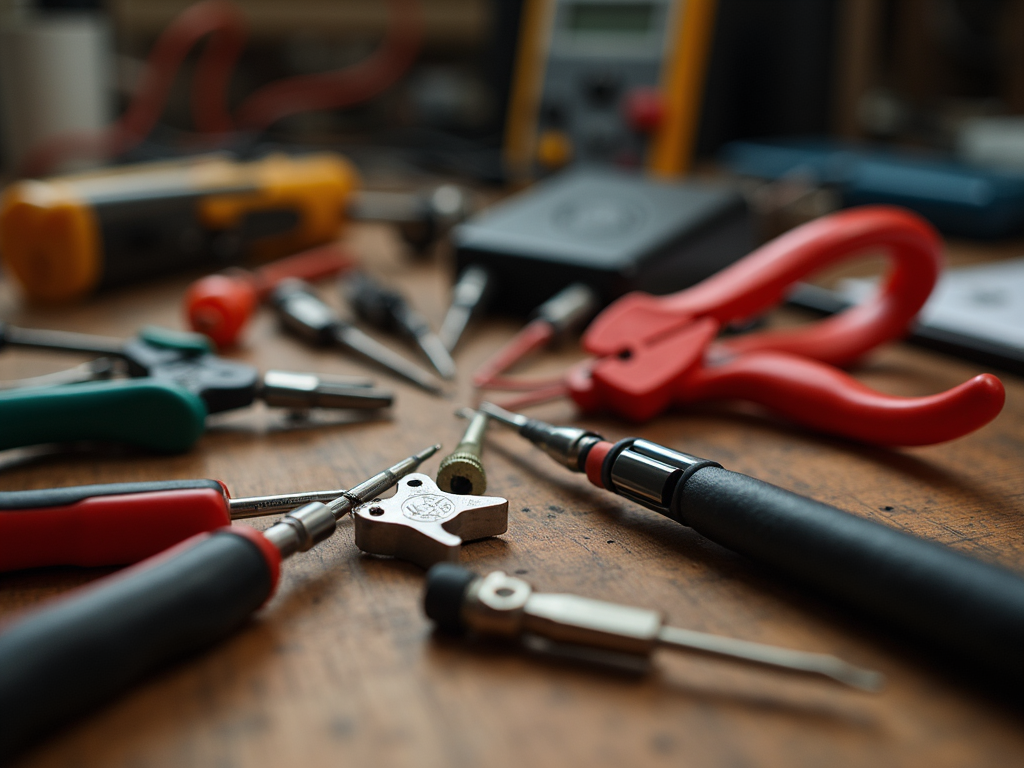
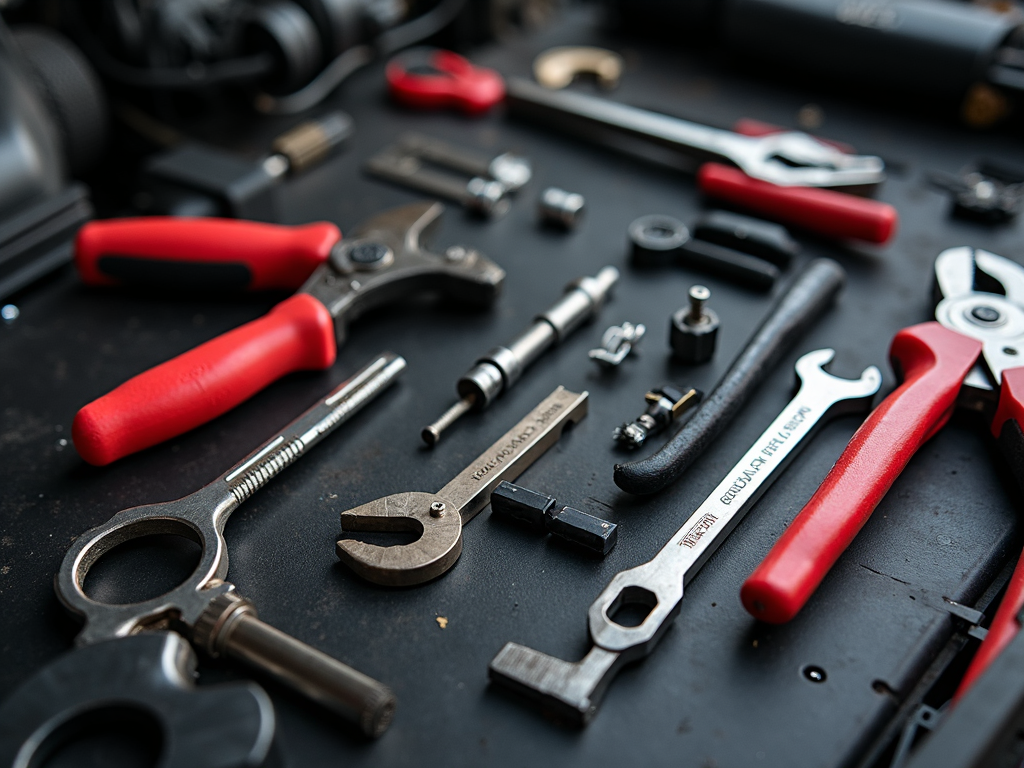
Before you can maintain your tools, you need to understand what you have. Tool sets typically include a variety of hand tools like wrenches, screwdrivers, and pliers, as well as power tools such as drills and saws. Each tool has a specific purpose, and knowing how to use it correctly is crucial for both your safety and the tool's longevity. For instance, using a wrench to loosen a bolt is straightforward, but using it incorrectly can damage the tool or the workpiece. Take the time to familiarize yourself with each tool in your set. If you're unsure about a tool's function, consult the manufacturer's instructions or seek advice from experienced users. Understanding your tools also helps you identify when they need maintenance or replacement. For more information on tool types and their uses, check out this guide from a university's engineering department.
Cleaning and Storage
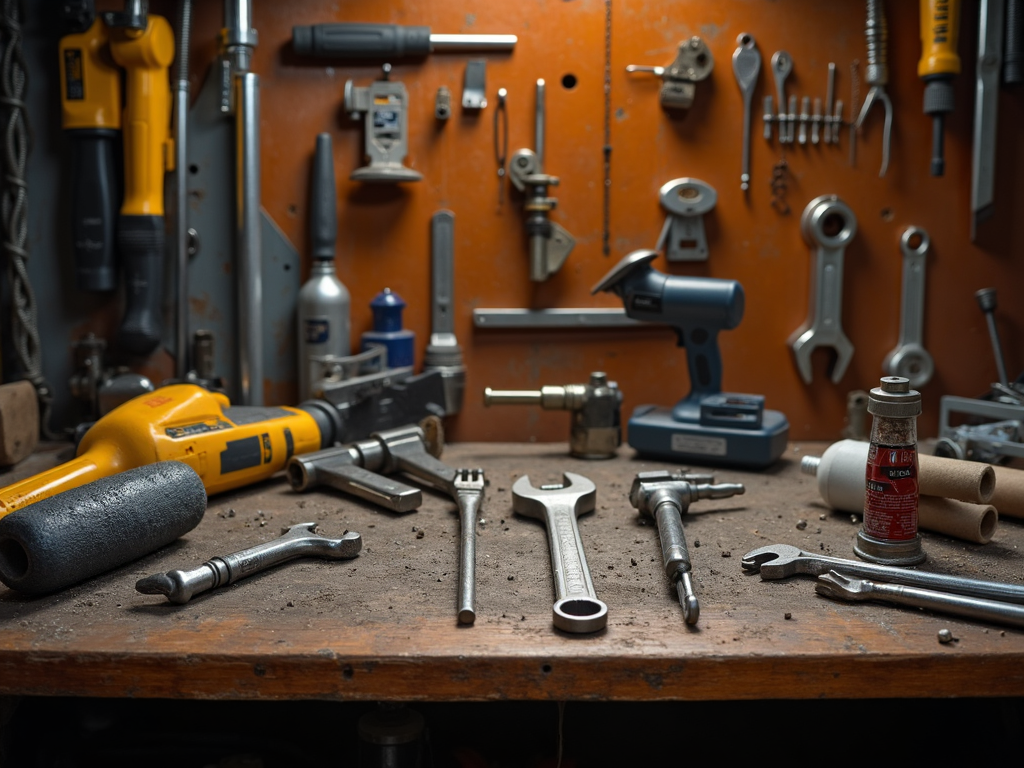
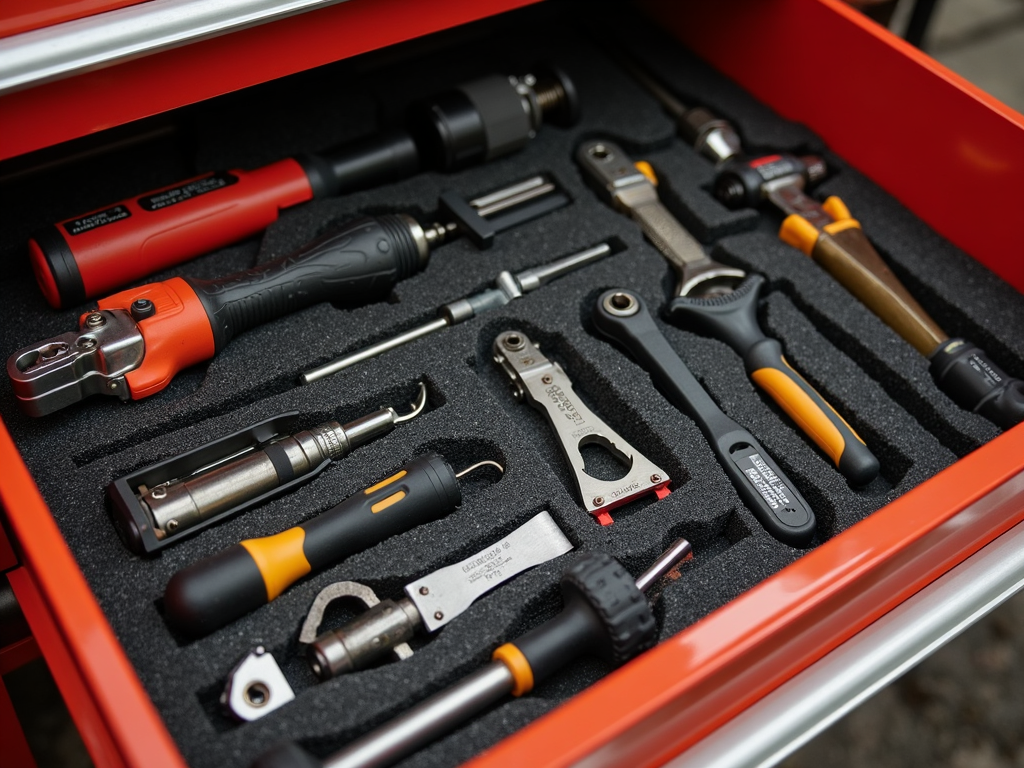
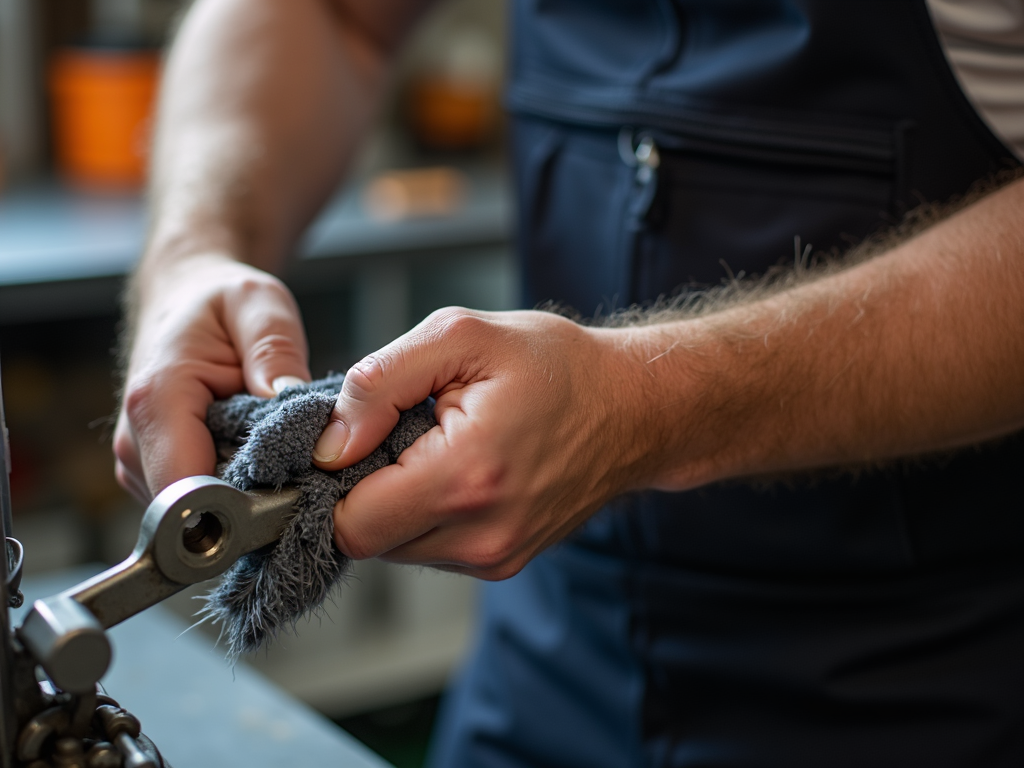
Cleaning your tools after each use is essential to prevent dirt and debris from causing damage. For hand tools, a simple wipe with a clean cloth is often sufficient. For power tools, you may need to use compressed air to blow out dust from vents and crevices. Be sure to follow the manufacturer's cleaning instructions to avoid damaging sensitive components. Proper storage is equally important. Tools should be kept in a dry, organized space to prevent rust and damage. Consider investing in a tool chest or cabinet with compartments for different types of tools. This not only keeps your tools organized but also makes it easier to find what you need when you need it. Avoid storing tools in damp or humid areas, as moisture can lead to rust and corrosion.
Regular Maintenance
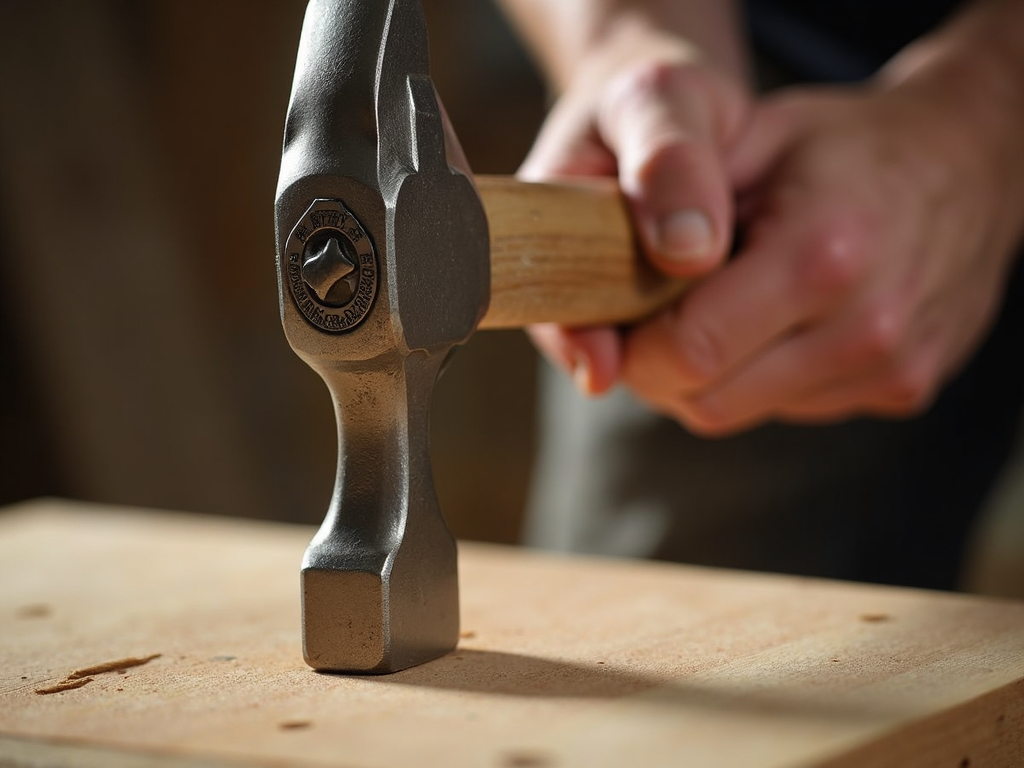
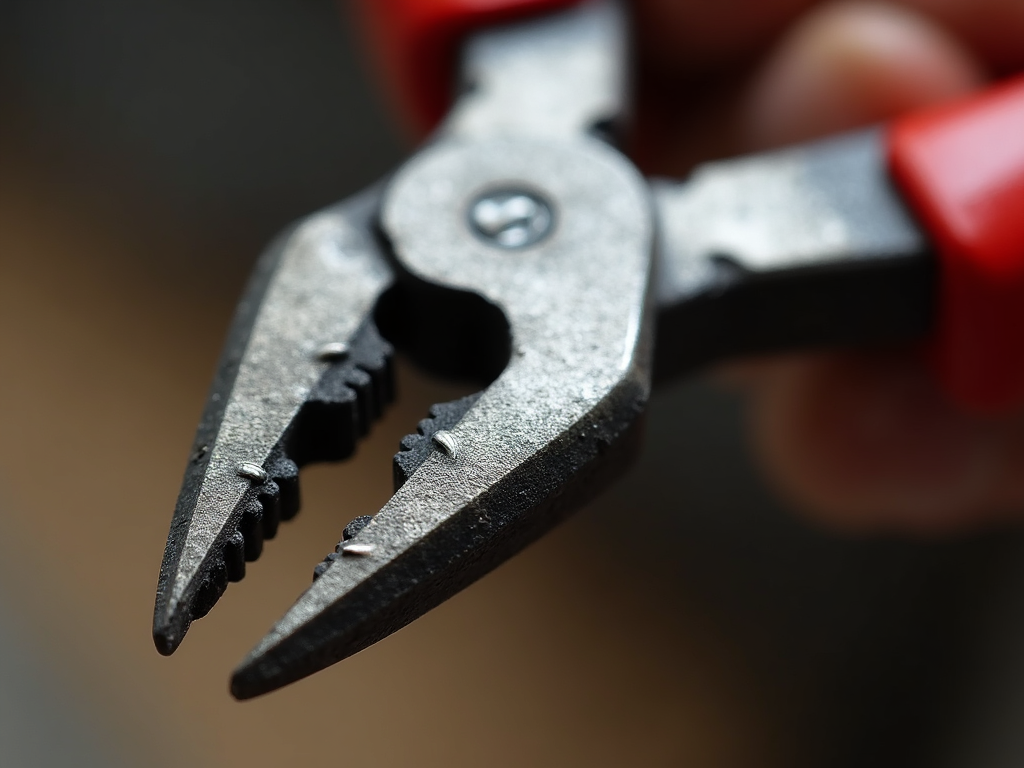
Regular maintenance is key to keeping your tools in top condition. This includes lubricating moving parts, sharpening blades, and checking for signs of wear and tear. For example, applying a light oil to the pivot points of pliers or the chuck of a drill can prevent them from seizing up. Sharpening blades on tools like chisels or saws ensures they cut efficiently and safely. It's also important to inspect your tools regularly for any signs of damage, such as cracks, chips, or loose parts. If you notice any issues, address them promptly to prevent further damage. Remember, a well-maintained tool is not only more effective but also safer to use.
Budget-Friendly Tool Sets for DIY Enthusiasts
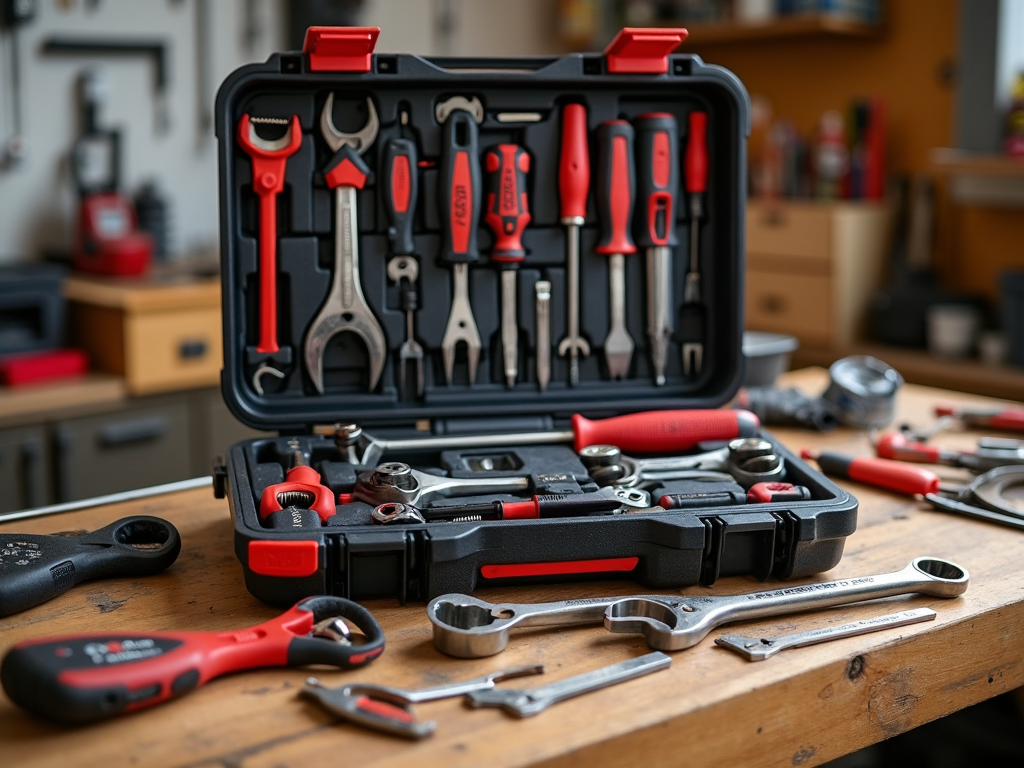
For DIY enthusiasts on a budget, finding a quality tool set that doesn't break the bank is essential. Fortunately, there are many affordable options available that still offer durability and performance. When shopping for a budget-friendly tool set, look for sets that include essential tools like hammers, screwdrivers, pliers, and wrenches. Check the materials used; tools made from high-carbon steel or chrome vanadium are generally more durable. Brands like [Brand Name] and [Brand Name] offer excellent value for money. Additionally, consider purchasing tools individually as needed, rather than buying a large set that may include tools you don't use. This approach allows you to build a customized tool set over time without overspending.
Choosing Between Corded and Cordless Power Tools for Repairs
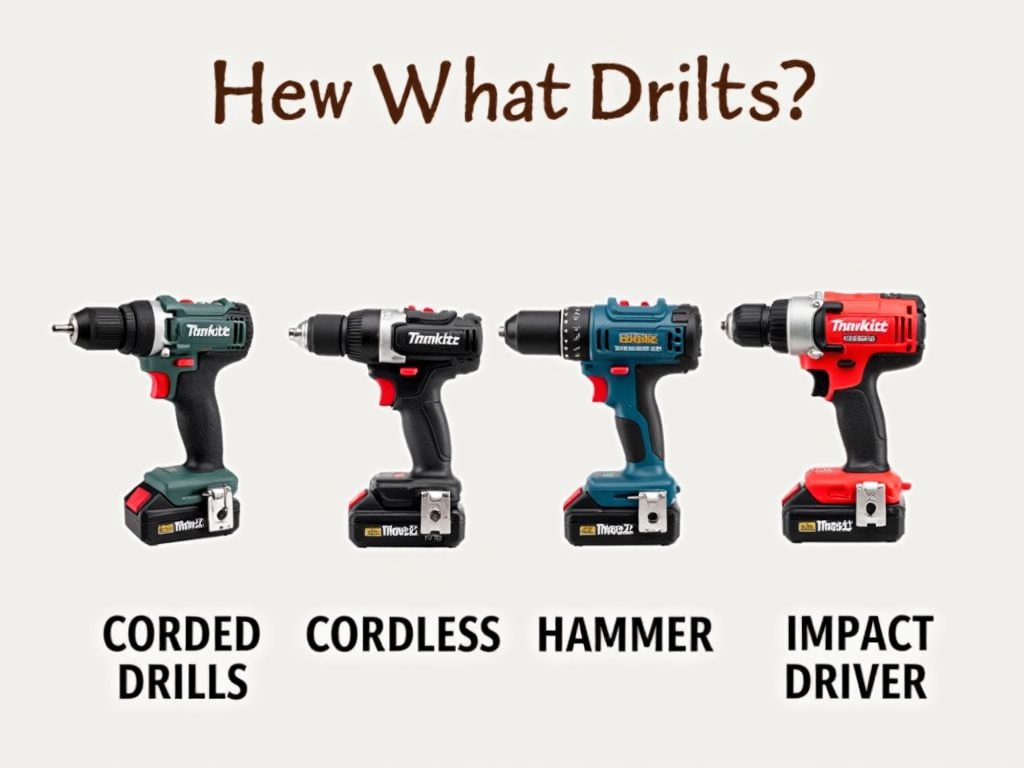
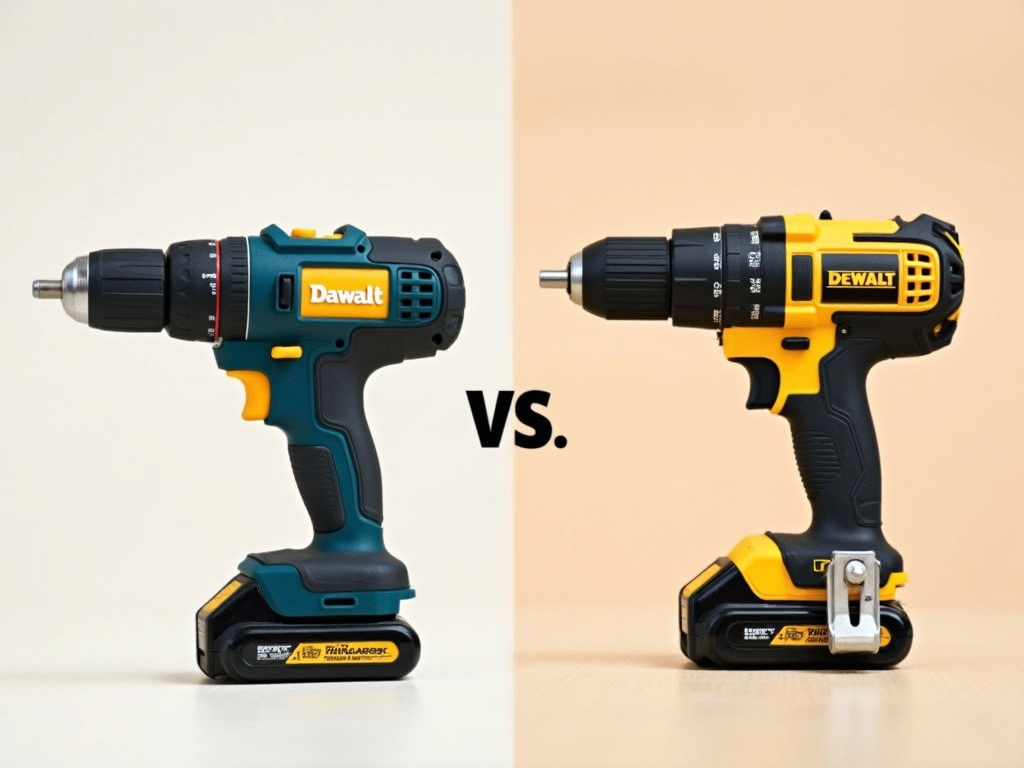
Choosing between corded and cordless power tools depends on your specific needs and preferences. Corded tools are typically more powerful and don't require recharging, making them ideal for heavy-duty tasks or prolonged use. However, they can be less convenient due to the need for a power outlet and the restriction of the cord. Cordless tools, on the other hand, offer portability and convenience, allowing you to work in tight spaces or areas without power access. They are perfect for quick repairs or light to medium-duty tasks. When deciding, consider the type of repairs you frequently undertake. For example, if you often work on projects that require sustained power, a corded tool might be the better choice. Conversely, if you value mobility and ease of use, a cordless tool could be more suitable. For more insights, read this expert's blog post on choosing tool sets.
Tool Sets for Automotive Repairs
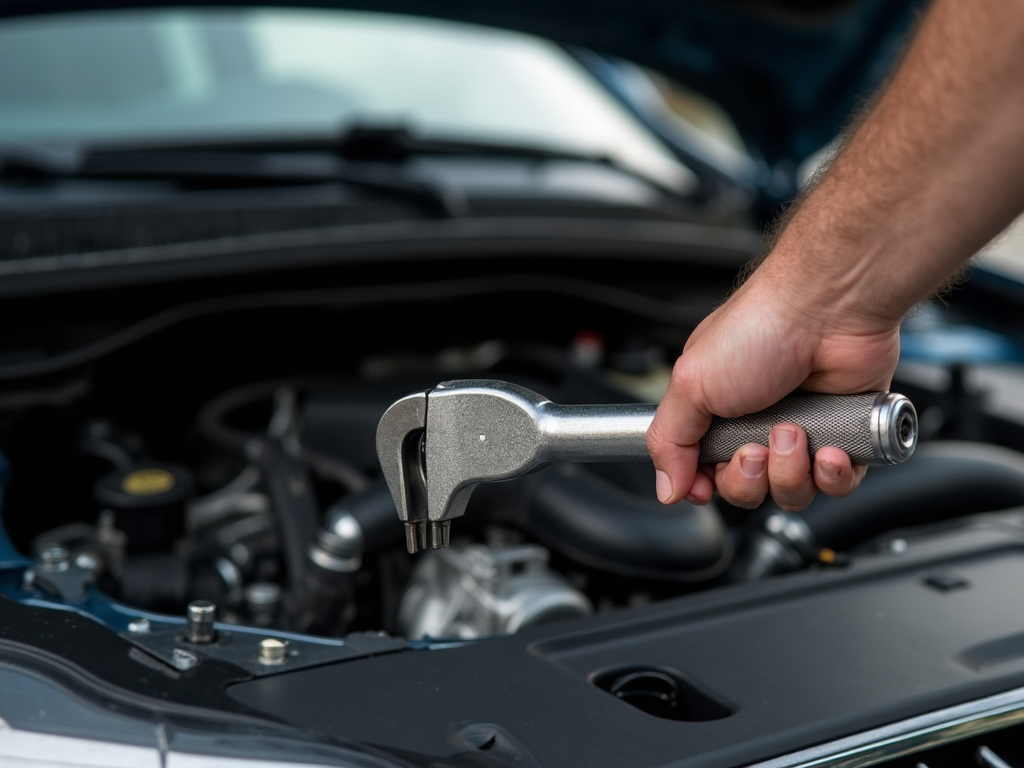
Automotive repairs require a specific set of tools to ensure the job is done correctly and safely. Essential tools for automotive work include socket sets, torque wrenches, pliers, screwdrivers, and diagnostic tools. Each of these tools plays a crucial role in diagnosing and fixing vehicle issues. For instance, a torque wrench is vital for tightening bolts to the manufacturer's specifications, preventing damage to components. Maintaining these tools is just as important as having them. Keep them clean and free of grease and oil, which can attract dirt and debris. Store them in a dedicated automotive tool chest to keep them organized and protected. Regularly check for any signs of wear or damage, and replace or repair tools as needed to ensure they remain effective and safe to use.
Summary
Maintaining your tool set is an investment in your tools' longevity and your own efficiency. By understanding your tools, cleaning and storing them properly, performing regular maintenance, and choosing the right tools for your needs, you can ensure your tool set serves you well for years to come. Remember, a little care goes a long way in preserving the quality and performance of your tools. For more tips on tool maintenance, check out this guide from a government safety organization.
Related How to Maintain Your Tool Set for Longevity:
- Workman Tools for Electrical Work: A Comprehensive Guide
- The Benefits of Ergonomic Tools in the Workplace: Enhancing Productivity and Well-being
- A Comprehensive Guide to OSHA’s Construction Safety Standards
- Investing in Quality: Why It Pays Off for Contractors
- Essential Tools Every Painter Needs in Their Toolkit
- Essential Tools for Contractors: A Comprehensive Guide
- Picking the Perfect Power Drill: A Buyer’s Guide
- Safety First: Electrical Safety Tips for Workman Tools
- The Ultimate Guide to Tool Belts with Customizable Pockets
- Speed Up Your Painting Projects: 10 Must-Have Tools for Efficiency
- Top 10 Must-Have Tools for Every Contractor
- How to Prepare Surfaces for Painting: A Complete Guide for Professional Results