Overview
Electrical safety is paramount when working with workman tools, especially in automotive repairs. This article provides essential tips for ensuring safety first, focusing on the proper use of multimeters and other workman tools. By following these guidelines, you can prevent accidents and injuries, ensuring a safe working environment.
Main Content
Understanding Electrical Hazards
Before diving into specific safety tips, it's crucial to understand the potential electrical hazards when working with workman tools. Electrical shocks, burns, and even electrocution can occur if proper precautions are not taken. Always assume that electrical circuits are live and handle them with care.
Common electrical hazards include:
- Electrical Shocks: These can range from mild tingles to severe injuries or death. Even low-voltage shocks can be dangerous if they cause you to lose balance or react suddenly.
- Arc Flash: A sudden release of energy that can cause burns and injuries. Arc flashes can occur when there's a fault in the electrical system, leading to a rapid release of energy.
- Fire Hazards: Faulty wiring or tools can lead to fires. Overloaded circuits or damaged insulation can cause overheating and ignite nearby materials.
To mitigate these risks, always follow safety protocols and use tools correctly. Familiarize yourself with the electrical systems you're working on and never take shortcuts.
Essential Tips for Using a Multimeter
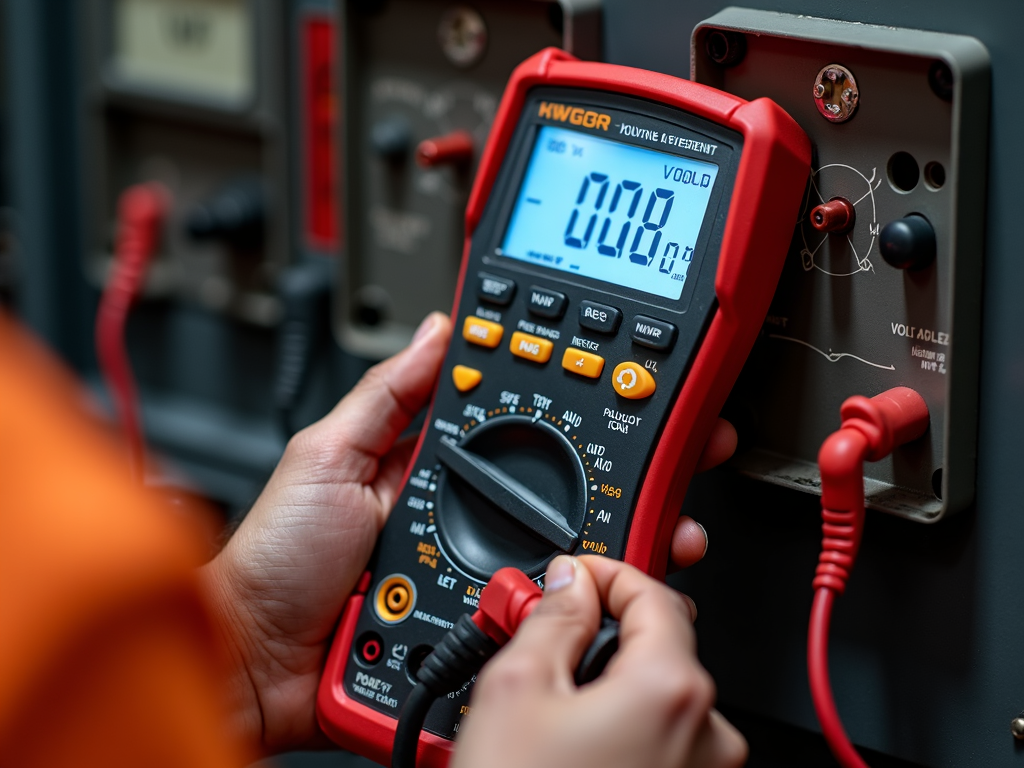
A multimeter is a versatile tool used to measure voltage, current, and resistance. However, using it incorrectly can lead to serious injuries. Here are some essential tips for using a multimeter safely:
- Read the Manual: Familiarize yourself with the multimeter's functions and safety instructions before use. Each multimeter may have specific features and limitations.
- Inspect the Tool: Check for any damage or wear on the multimeter and its leads. Do not use a damaged tool, as it can provide inaccurate readings or pose a safety risk.
- Use Proper Settings: Ensure the multimeter is set to the correct measurement type and range. Using the wrong setting can damage the tool or give false readings.
- Avoid Contact with Live Parts: Never touch the probes or the circuit with your hands while measuring. Always use insulated probes and keep your hands away from live components.
- Disconnect Power: Always disconnect the power source before measuring resistance or continuity. This prevents accidental shocks and ensures accurate readings.
Additional tips for safe multimeter use:
- Calibrate Regularly: Ensure the multimeter is calibrated for accurate readings. Calibration should be done according to the manufacturer's instructions.
- Use Test Leads Properly: Connect the black lead to the common terminal and the red lead to the appropriate terminal. Incorrect connections can lead to short circuits or inaccurate measurements.
- Avoid Overloading: Do not exceed the multimeter's maximum voltage or current ratings. Overloading can damage the tool and pose a safety hazard.
- Store Safely: Keep the multimeter in a protective case when not in use to prevent damage.

Personal Insight:
During my early days as an apprentice, I made the mistake of using a multimeter without calibrating it first. This led to inaccurate readings and a misdiagnosis of an electrical issue. Since then, I've always double-checked my tools before use. It's a simple step that can save time and prevent costly mistakes.
Proper Tool Handling and Maintenance
Proper handling and maintenance of workman tools are essential for safety. Here are some tips:
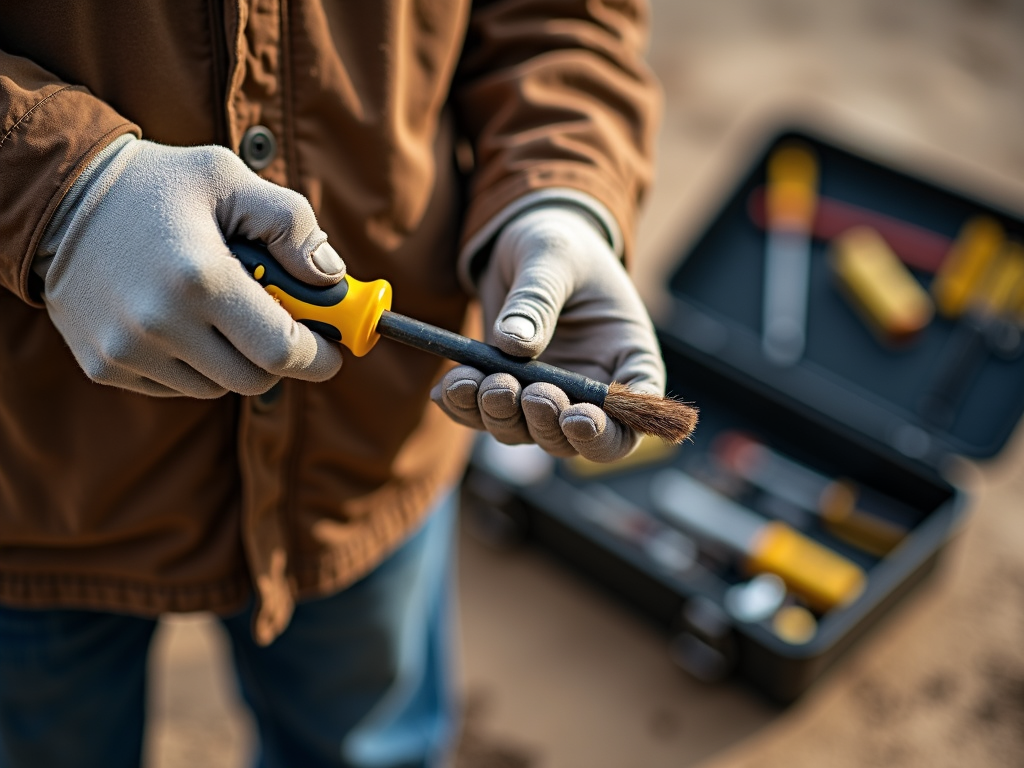
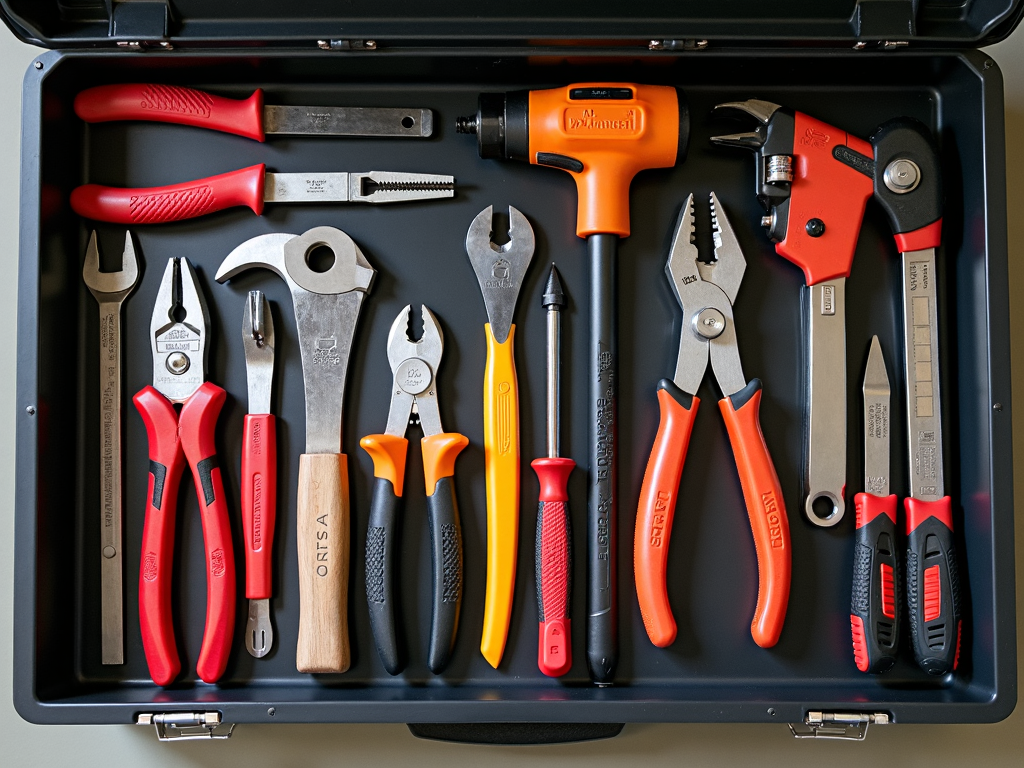
- Store Tools Properly: Keep tools in a dry, secure toolbox to prevent damage and unauthorized access. Moisture can cause rust and degradation, while unauthorized access can lead to misuse.
- Regular Inspection: Check tools for wear, damage, or defects before each use. Look for cracks, frayed wires, or any signs of wear that could compromise safety.
- Use the Right Tool: Always use the appropriate tool for the job to avoid accidents. Using the wrong tool can lead to slips, falls, or damage to the workpiece.
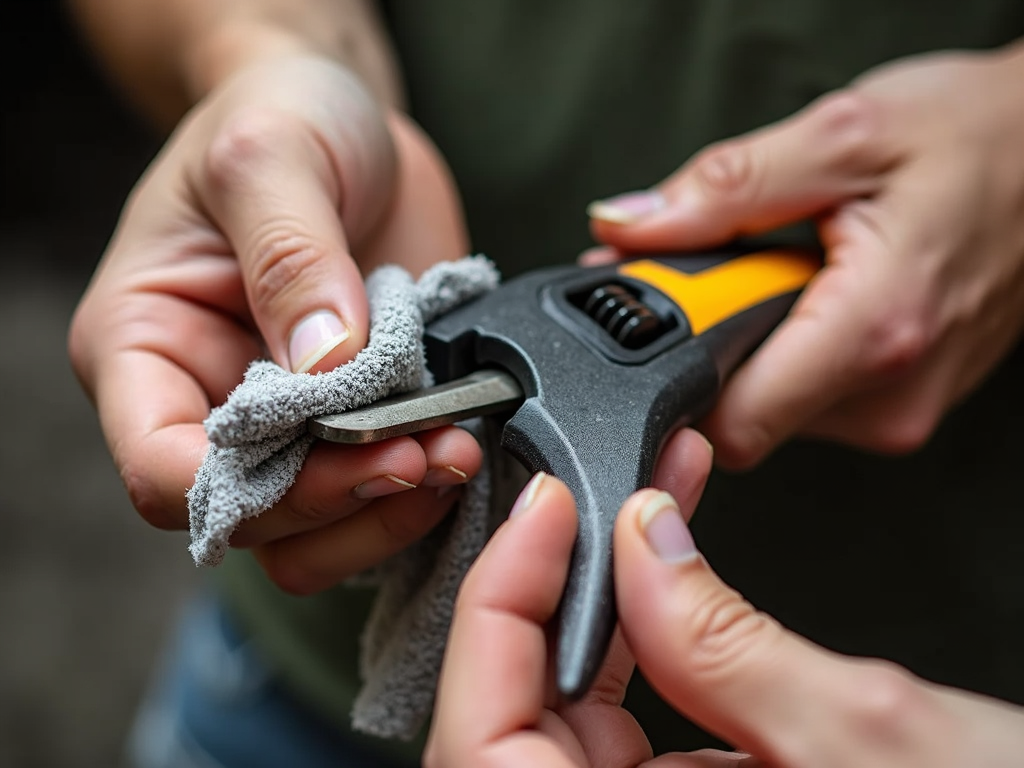
- Clean Tools: Keep tools clean and free from grease or dirt that could cause slips. A clean tool is easier to handle and less likely to cause accidents.
In addition to these tips, consider the following:
- Organize Your Toolbox: Keep tools organized to prevent damage and make them easy to find. Use dividers or trays to separate different types of tools.
- Label Tools: Clearly label tools to avoid confusion and ensure the right tool is used. This is especially important in shared workspaces.
- Train Others: If working in a team, ensure everyone is trained on proper tool use and safety. Regular training sessions can help reinforce safety practices.
Personal Insight:
I once witnessed a colleague who neglected to inspect his tools before use. He ended up using a damaged wrench, which slipped and caused a minor injury. This incident taught me the importance of regular tool inspection and maintenance. It's a habit that has stuck with me throughout my career.
Protective Gear and Safety Measures
Wearing the right protective gear is crucial when working with electrical tools. Here are some essential safety measures:
- Insulated Gloves: Protect your hands from electrical shocks. Choose gloves rated for the voltage you'll be working with.
- Safety Glasses: Shield your eyes from sparks or debris. Electrical work can produce unexpected sparks or flying particles.
- Non-Conductive Footwear: Reduce the risk of electrical shock. Rubber-soled shoes or boots are ideal.
- Work in a Dry Environment: Avoid working in wet or damp conditions, as moisture increases the risk of electrical shock.
Beyond the basic gear, consider these additional measures:
- Use Insulated Mats: Stand on insulated mats when working on live circuits. These mats provide an extra layer of protection against electrical shock.
- Have a First Aid Kit: Keep a first aid kit nearby in case of emergencies. Ensure it's stocked with supplies for treating electrical burns and shocks.
- Follow Lockout/Tagout Procedures: Ensure power is disconnected and locked out before working on electrical systems. This prevents accidental energization while you're working.


Personal Insight:
I once worked on a project where lockout/tagout procedures were not followed, leading to a near-miss incident. A colleague accidentally turned on the power while I was working on the circuit. Fortunately, I was wearing protective gear, and no one was injured. This experience reinforced the importance of following safety protocols at all times.
Summary
Electrical safety should always be the top priority when using workman tools. By following the tips outlined in this article, you can minimize the risk of accidents and ensure a safe working environment. Remember to always inspect your tools, use protective gear, and handle electrical components with care. Safety first is not just a slogan; it's a mindset that can save lives.
Related Safety First: Electrical Safety Tips for Workman Tools:
- Understanding Electrical Safety Standards: Your Guide to Staying Safe
- How to Choose the Right Workman Tools: A Complete Guide for Mechanics and DIYers
- The Ultimate Guide to Tool Belts with Customizable Pockets
- Speed Up Your Painting Projects: 10 Must-Have Tools for Efficiency
- Top 10 Must-Have Tools for Every Contractor
- How to Prepare Surfaces for Painting: A Complete Guide for Professional Results
- The Ultimate Guide to Metalworking Tools
- Maintenance Tips for Workman Tools: A Comprehensive Guide for Construction Professionals
- Mastering Craftsmanship: Essential Tool Techniques
- 10 Must-Have Tools for Every Workshop
- Extending Tool Longevity with Routine Checks: A Comprehensive Guide
- Unlocking the Benefits of Oscillating Tools for Tight Spaces