Overview
Electricity powers our daily lives, but it demands respect. Understanding electrical safety standards protects you from shocks, burns, and worse. This guide breaks down the main rules, shares practical tips, and shows how to stay safe with everyday tools.

Why Electrical Safety Standards Matter
Every year, thousands of workers suffer electrical injuries. Many of these accidents happen because people skip basic safety steps. Standards from organizations like OSHA and NFPA give you clear rules to follow so you go home safe at the end of the day.
You might work on home wiring, fix car electronics, or handle industrial panels. The risks stay the same: electric shock, arc flash, and fire. Following proven standards reduces those risks dramatically.
Key Electrical Safety Standards You Need to Know
Three major standards guide most electrical work in the United States:
-
OSHA Electrical Standards (29 CFR 1910 Subpart S): These federal rules require employers to protect workers from electrical hazards. They cover everything from proper grounding to safe equipment design. Visit OSHA's electrical safety page for details.
-
National Electrical Code (NEC) – NFPA 70, 2026 Edition: This code sets the baseline for safe electrical installations. The latest 2026 version includes updates for renewable energy, EV charging, and better arc flash labeling.
-
NFPA 70E – Standard for Electrical Safety in the Workplace: This standard focuses on safe work practices. It helps you assess risks and choose the right protective gear before starting a job.
Common Electrical Hazards
You face three main dangers when working with electricity:
- Electric Shock – Current flows through your body to ground.
- Arc Flash – A sudden explosion of heat and light that can cause severe burns.
- Fire – Faulty wiring or overloaded circuits can spark flames.
I’ve seen experienced workers get hurt simply because they assumed a circuit was dead. Always verify – that one extra step saves lives.
Personal Protective Equipment (PPE)
Wear the right gear for the job. Here’s a quick reference table:
| Hazard Level | Typical PPE Required |
|---|---|
| Low Risk (under 50 volts) | Safety glasses, leather gloves |
| Medium Risk | Flame-resistant clothing, voltage-rated gloves |
| High Risk (arc flash) | Full arc-rated suit, face shield, hard hat |
Never substitute regular work gloves for voltage-rated ones. They won’t protect you.
Safe Work Practices That Save Lives
Follow these core practices every time:
- Lockout/Tagout (LOTO): Turn off power at the source, lock the breaker, and tag it so no one turns it back on.
- Test Before Touch: Use a known good voltage tester to confirm the circuit is dead.
- One Hand Rule: When possible, keep one hand in your pocket while testing live circuits to reduce the chance of current passing through your heart.
- Maintain Distance: Stay clear of overhead power lines and follow clearance rules.

Essential Tips for Using a Multimeter
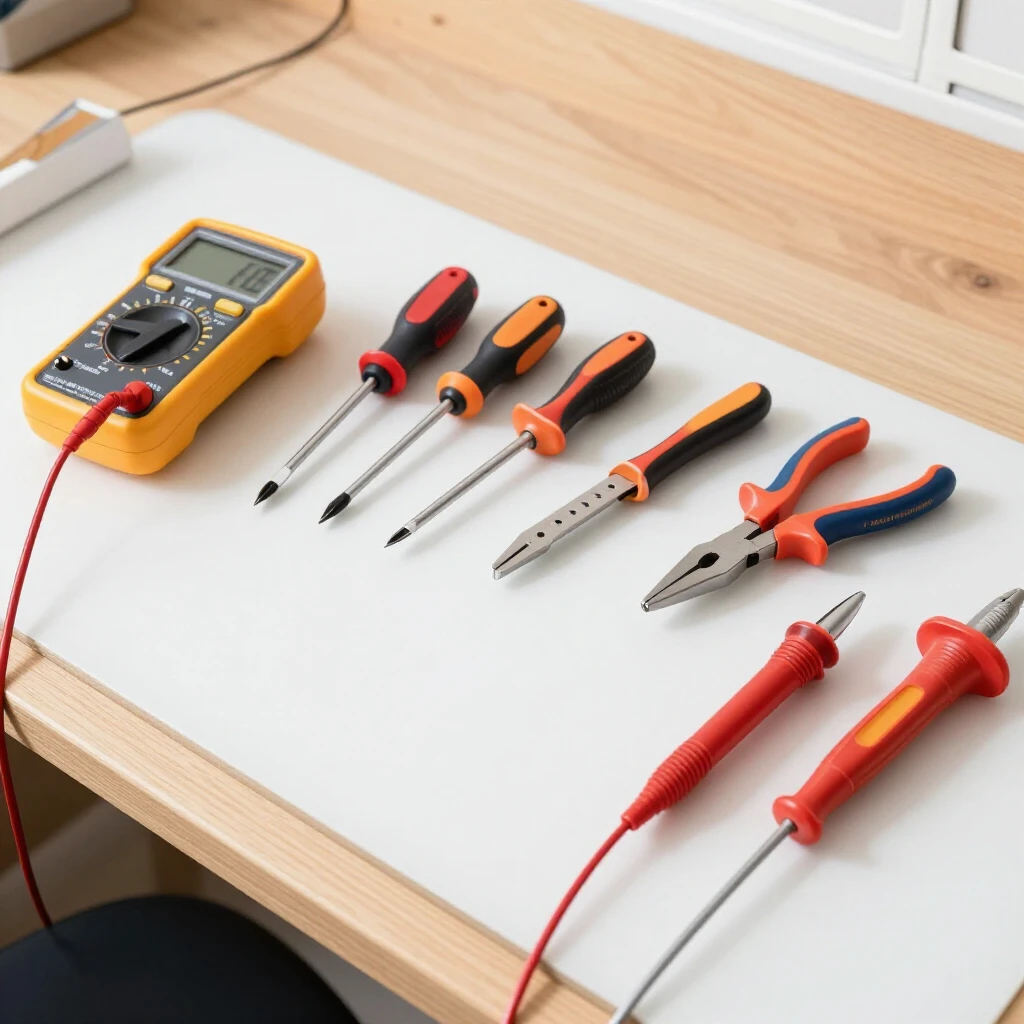
A multimeter is one of the most useful workman tools for automotive repairs and home electrical work. Use it wrong, and you risk serious injury.
Here are essential safety tips:
- Choose a CAT III or CAT IV rated meter for household or automotive work.
- Inspect leads for damage before every use.
- Select the correct setting (volts AC/DC, ohms, etc.) before connecting.
- Connect the black lead first, then the red.
- Never measure resistance on a live circuit.
- Stand on a dry, insulated surface.
I always double-check my meter settings. One small mistake can destroy the meter – or worse.
Safety First: Electrical Safety Tips for Workman Tools
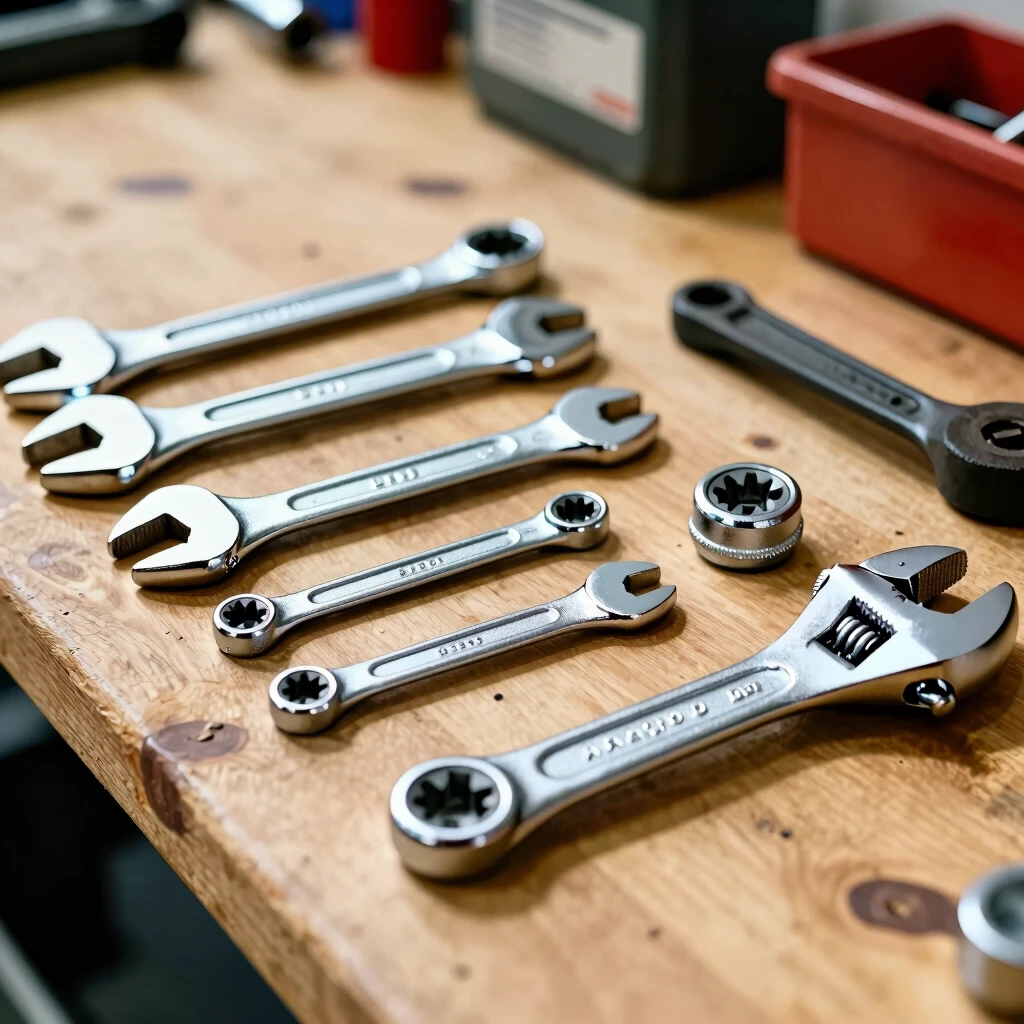
Good workman tools make jobs easier, but only when used correctly. Follow these tips:
- Use insulated tools for any live work.
- Keep tools clean and dry.
- Store sharp tools properly to avoid accidental cuts that could worsen a shock.
- Replace damaged tools immediately – a cracked handle offers no protection.
In automotive repairs, disconnect the battery before working on any electrical component. It takes two minutes and prevents shocks or shorts.
Electrical Safety in Automotive Repairs
Modern vehicles contain complex electrical systems. Batteries, alternators, and wiring all carry risks.
Key practices:
- Always disconnect the negative battery terminal first.
- Work with dry hands and on a dry surface.
- Use fender covers to prevent tools from shorting against metal.
- Test circuits with the ignition off when possible.
- Wear eye protection – exploding batteries can spray acid.
Organized toolboxes help here too. When you can find the right tool quickly, you’re less likely to improvise dangerously.

The Role of Toolboxes in Electrical Safety
A good toolbox does more than carry tools – it keeps you safe. Organize by function: keep voltage testers and multimeters separate from regular hand tools. Use foam inserts or magnetic strips so nothing falls out and causes a short.
Label drawers for quick access. In a rush, grabbing the wrong tool can be disastrous. Quality toolboxes with secure latches prevent tools from spilling during transport.
Final Thoughts
Understanding electrical safety standards isn’t about memorizing rules – it’s about building habits that protect you every day. Verify power is off, wear proper PPE, use the right tools correctly, and stay alert.
Electricity doesn’t give second chances. Follow these guidelines, and you’ll complete every job safely. Stay safe out there.
Related Understanding Electrical Safety Standards:
- DIY Electrical Projects for Beginners: A Comprehensive Guide
- Essential Safety Tips for Beginner Electricians: Stay Safe from Day One
- Electric vs. Gas Power Washers: Which Is Right for You?
- The Best Power Tools for DIY Beginners
- Top Safety Tips for Using Power Tools
- How Automation is Changing the Manufacturing Industry
- How to Maintain Your Workman Tools for Longevity
- Easy Ways to Keep Your Toolbox Organized: Practical Tips for Every DIY Enthusiast
- 10 Essential Tools for Jewelry Making
- Best Wrenches for Every Job: The Ultimate Guide
- How to Choose the Right Electrical Tools for Your Projects
- How to Sharpen Your Hand Tools Like a Pro