A well-organized toolbox saves you time, reduces frustration, and makes every project smoother. In this comprehensive guide, we'll explore easy ways to keep your toolbox organized while sharing practical tips I've learned from years of DIY work. You'll also find advice on choosing and caring for screwdrivers—one of the most used tools in any workshop.

Why an Organized Toolbox Matters
I've spent too many weekends digging through cluttered drawers looking for a single tool. An organized toolbox changes everything. You grab what you need quickly, finish projects faster, and feel more in control.
Organization also improves safety. Tools left loose can fall or get damaged, leading to accidents. According to OSHA's guidelines on hand and power tool safety, keeping tools in good condition through regular maintenance and proper storage helps prevent hazards.
Finally, good organization extends tool life. When screwdrivers and other items have their own spot, they stay cleaner and suffer less wear.
Start Simple: Declutter and Sort
Begin with a clean slate. Empty your entire toolbox onto a workbench or tarp.
- Throw away broken or rusted tools beyond repair.
- Donate duplicates you rarely use.
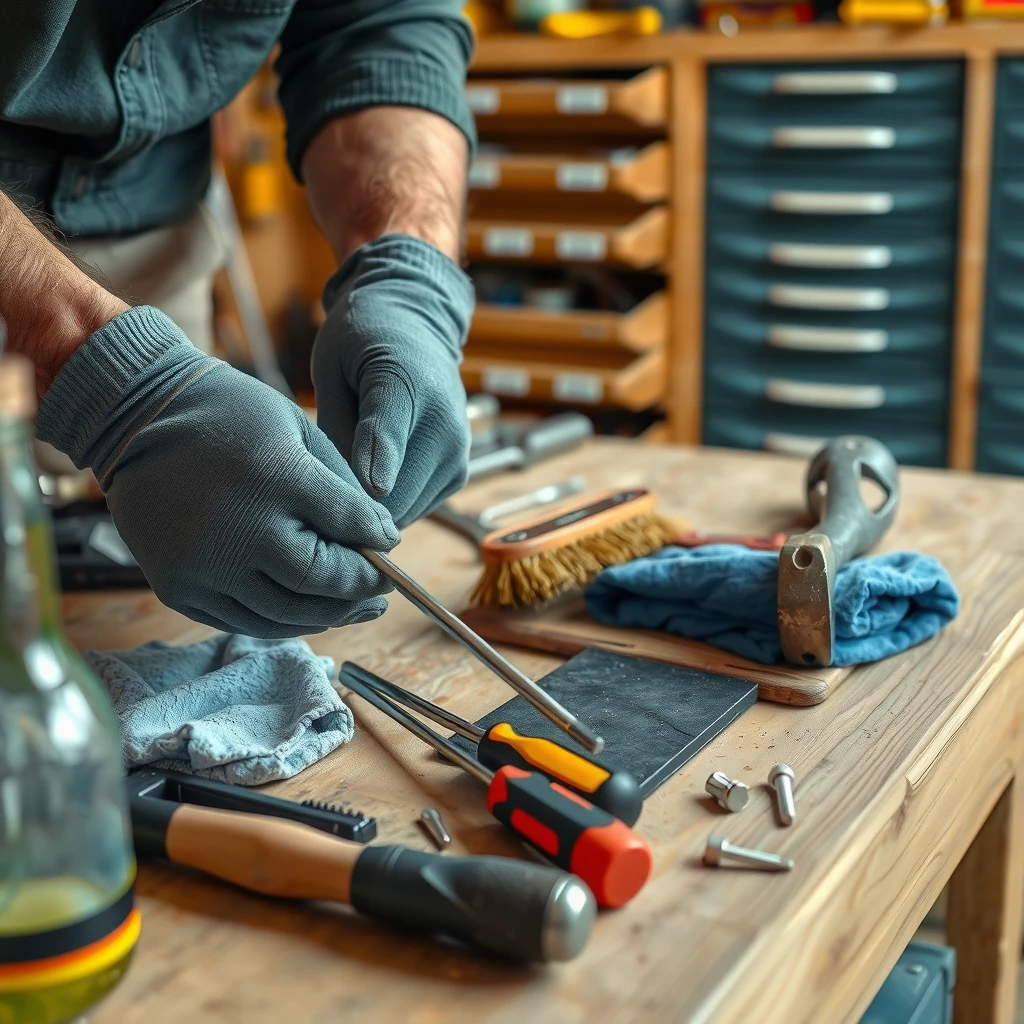
- Clean everything with a rag and mild soap solution.
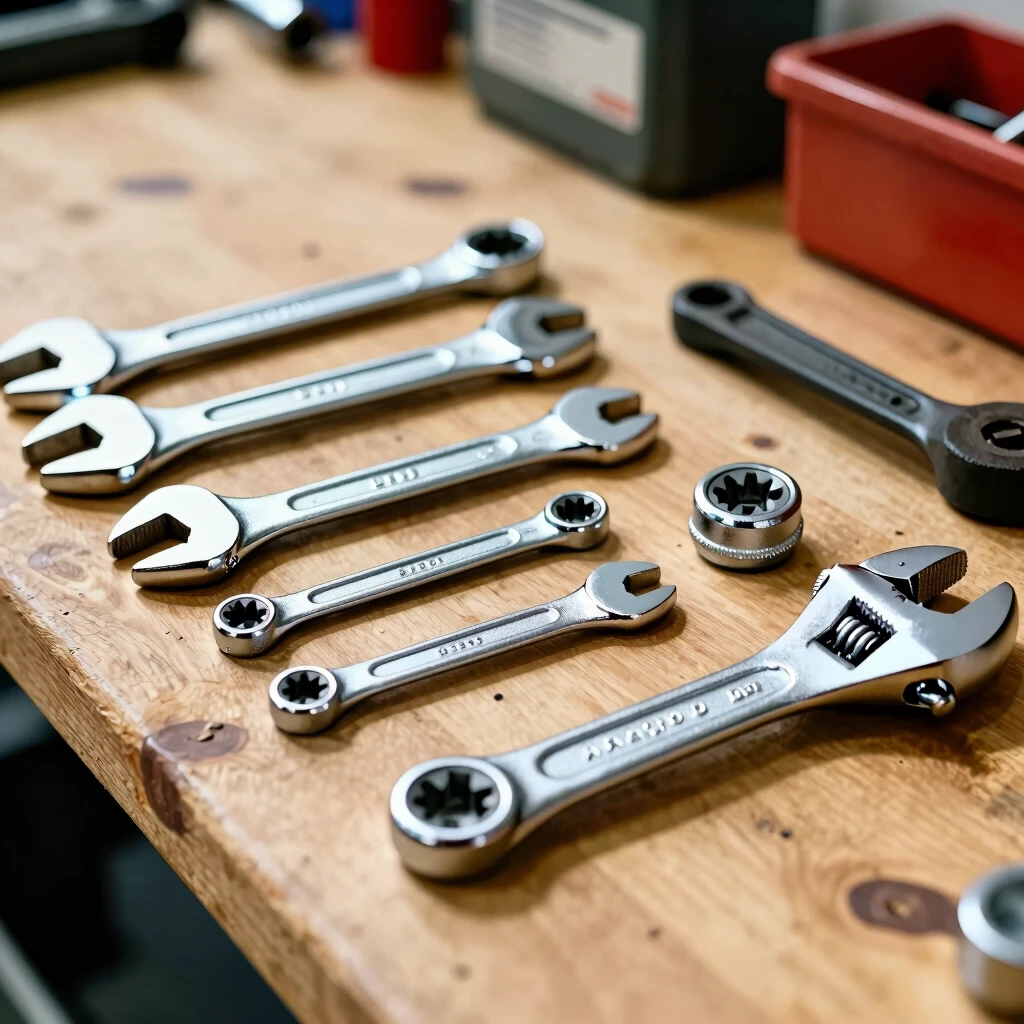
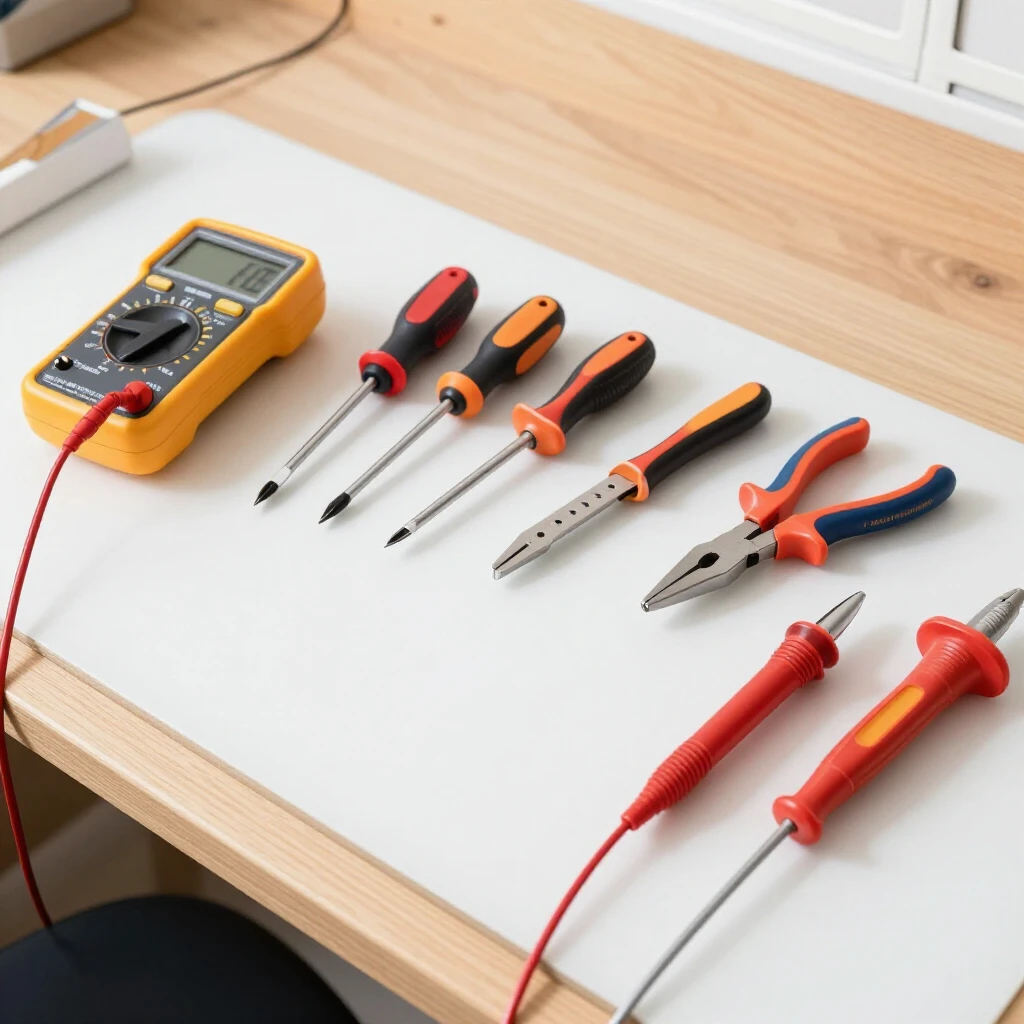
Next, group similar items: - Screwdrivers together - Pliers in one pile - Wrenches sorted by size - Measuring tools separate - Fasteners in small containers
This quick sort reveals what you actually own and need.

How to Pick the Perfect Screwdriver for Any Task
Screwdrivers are workshop essentials, but using the wrong one strips screws and damages tips. Always match the driver to the screw head.
Common types include: - Flathead → For slotted screws - Phillips → For cross-shaped heads (most common today) - Torx → For star-shaped (great grip, common in electronics and automotive) - Robertson → For square recess (popular in Canada, less cam-out)
Choose the right size too. The tip should fill the screw head completely without wobbling. A tip too small slips and strips the screw.
For detailed guidance on threaded fasteners and drivers, check this University of Minnesota open textbook on building maintenance and construction tools.
Screwdriver Maintenance Tips
Keep your screwdrivers performing like new with simple care.
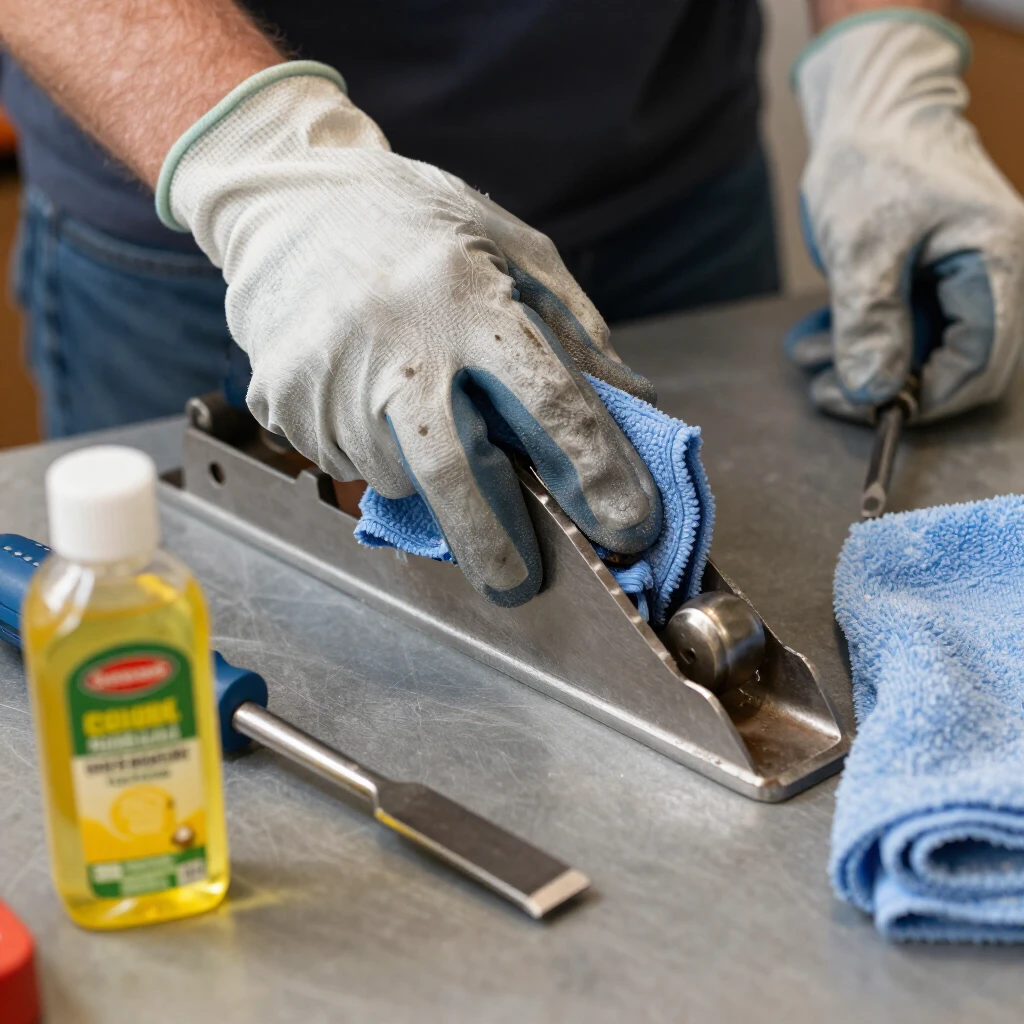
- Wipe tips clean after each use to remove debris.
- Store them tip-up or horizontally—never loose in a drawer where tips bang together.
- Lightly oil the metal shaft occasionally to prevent rust.
- Reshape worn tips carefully with a file if needed, but replace severely damaged ones.
Proper maintenance prevents common issues like slipping (cam-out) that damage screws and workpieces.
Smart Storage Solutions
Once sorted, give everything a dedicated home.
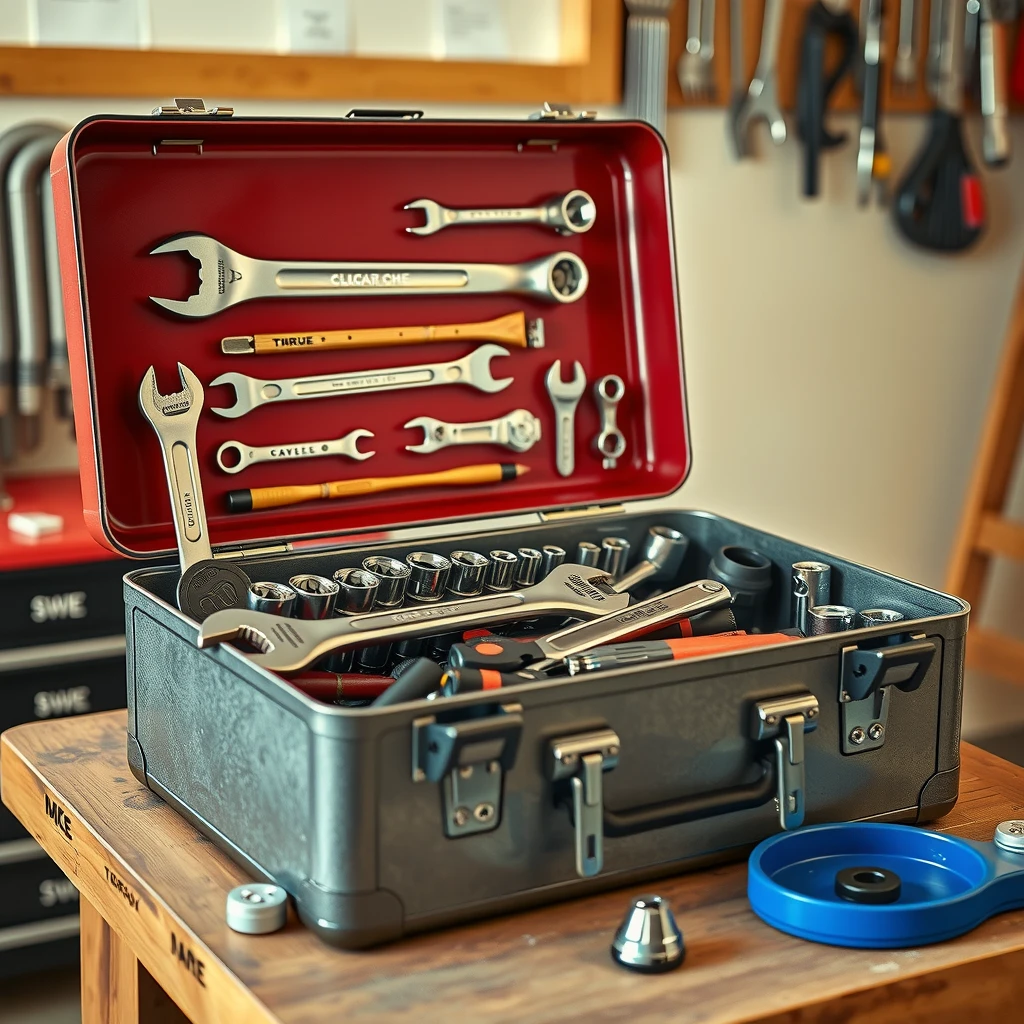
Foam inserts are my favorite. Trace each tool on foam sheets, cut out shapes, and fit them into drawers. Tools stay visible and return to their exact spot.
Magnetic strips work great for screwdrivers and metal tools on the inside of toolbox lids.
Pegboard on workshop walls keeps frequently used items accessible and visible.
Clear plastic bins or small parts organizers handle screws, nails, and bits.
Label everything. Use a label maker or simple masking tape to mark drawers: "Screwdrivers," "Electrical," "Plumbing."
| Storage Method | Best For | Pros |
|---|---|---|
| Foam inserts | Drawers | Custom fit, visual shadow board effect |
| Magnetic strips | Screwdrivers, wrenches | Quick access, space-saving |
| Pegboard | Wall space | Highly visible, easy to rearrange |
| Small parts organizers | Fasteners, bits | Prevents losing tiny items |

Common Workshop Tool Problems and Solutions
Even with good habits, issues arise. Here are frequent problems and fixes:
Lost tools → Assign every tool a specific spot and always return it immediately.
Rusted tools → Store in a dry environment; use silica gel packs in the toolbox for moisture control.
Worn screwdriver tips → Replace or carefully file; never force a worn tip.
Overcrowded drawers → Upgrade to a larger toolbox or add wall storage.
OSHA emphasizes inspecting tools regularly and keeping them in safe condition. A quick weekly check catches small problems before they become big ones.
Final Thoughts
Implementing these easy ways to keep your toolbox organized transforms your workshop experience. You work faster, safer, and with less stress. Start small—tackle one drawer today—and build the habit.
Your tools will last longer, your projects will go smoother, and you'll enjoy the satisfaction of a tidy, efficient space.
Related Easy Ways to Keep Your Toolbox Organized:
- 10 Essential Tools for Jewelry Making
- Best Wrenches for Every Job: The Ultimate Guide
- How to Choose the Right Electrical Tools for Your Projects
- How to Sharpen Your Hand Tools Like a Pro
- Must-Have Wrenches for Every Toolbox: The Essential Guide for 2026
- How to Maintain Your Tools for Longevity: Practical Tips for Lasting Performance
- Workshop Maintenance Guide: Essential Tips for Safety and Efficiency
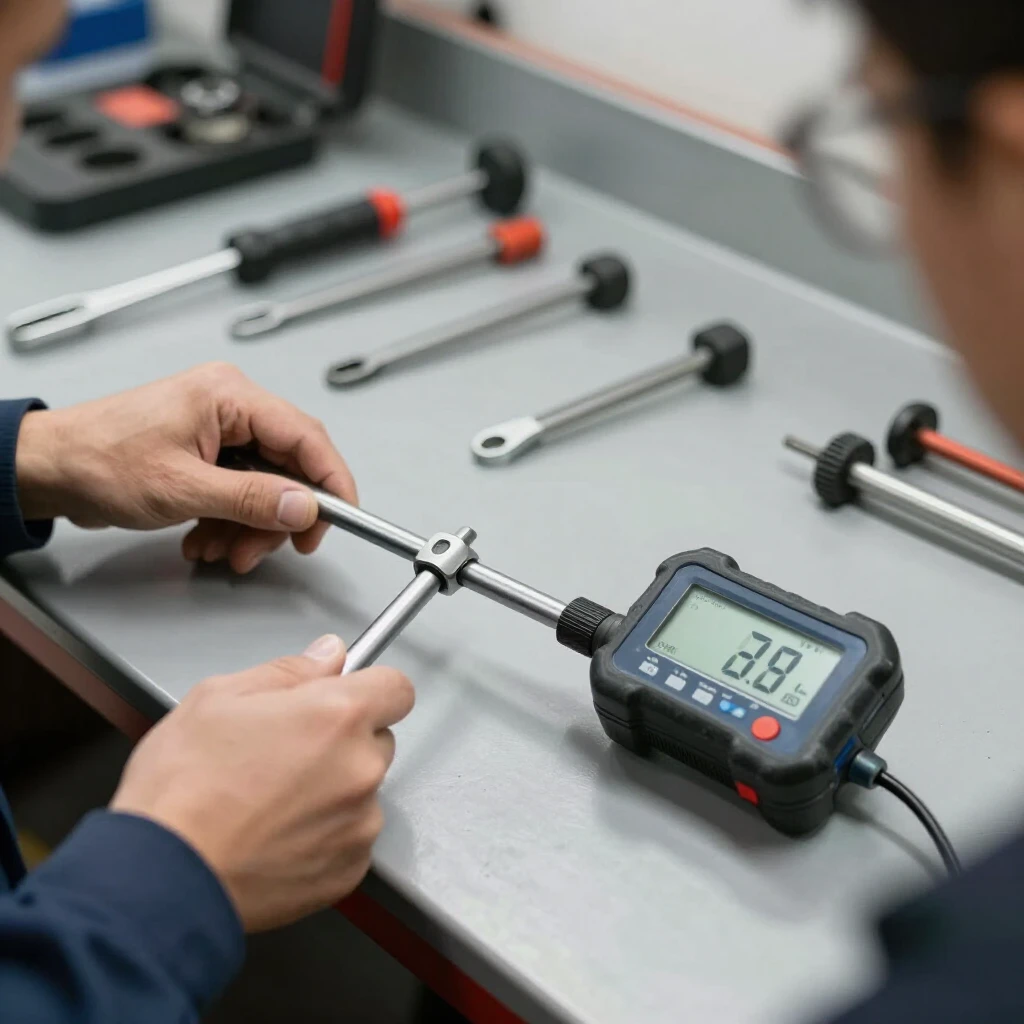
- Tool Calibration: Ensuring Precision in Your Work
- How to Use Wrenches Safely: Essential Tips for Every DIYer and Professional
- How to Choose the Right Power Washer for Your Needs
- Organizing Your Workshop: Tips for Efficient Tool Storage
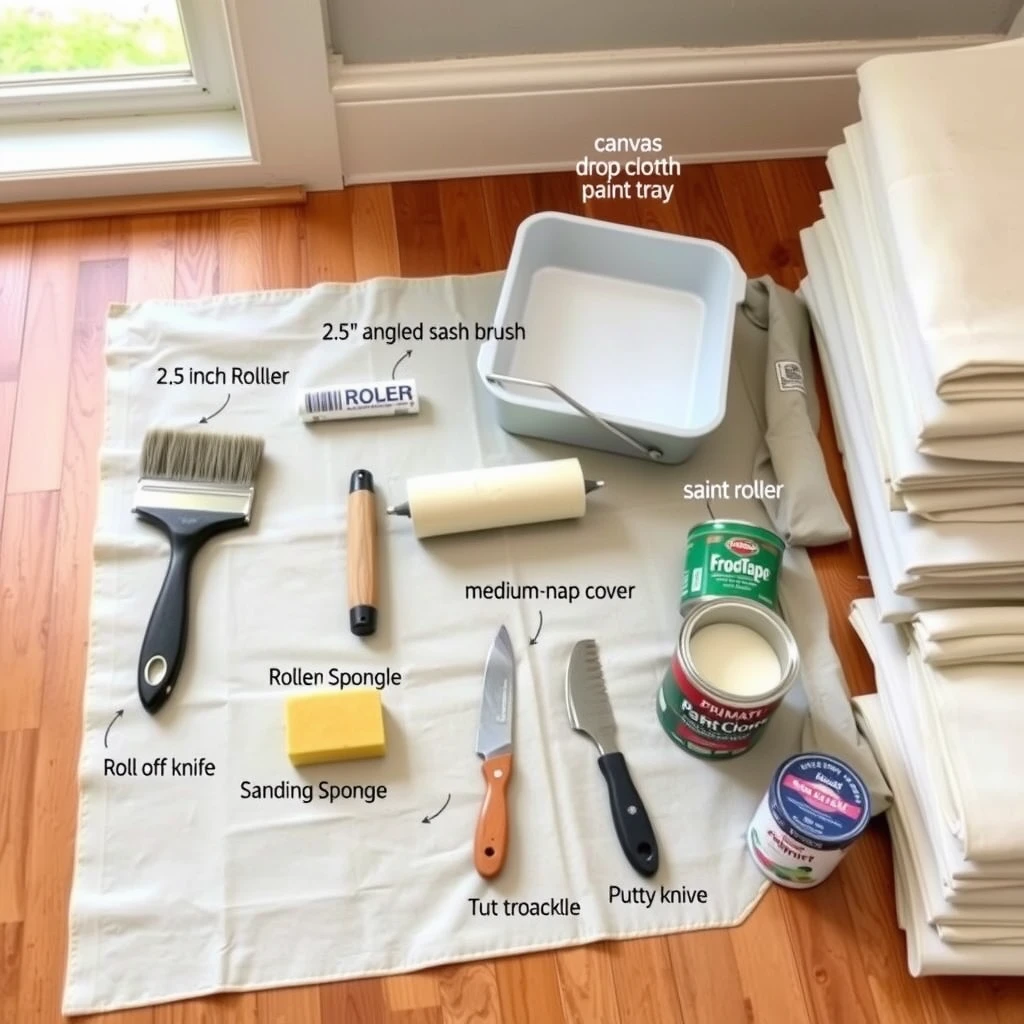
- DIY Painting Hacks for Beginners: Simple Tips for Professional Results