Overview
Maintaining a workshop ensures safety, boosts productivity, and extends tool life. This Workshop Maintenance Guide provides step-by-step advice for beginners and seasoned enthusiasts, covering organization, safety, tool sharpening, and equipment upkeep in about 1500 words of actionable insights.
Why Workshop Maintenance Matters
A well-maintained workshop prevents accidents and saves money. From my experience as a long-time woodworker, skipping routine checks leads to dull tools and cluttered spaces, which slow down projects. Regular maintenance keeps everything running smoothly. According to experts, preventive care can extend equipment life by years Woodshop Diaries.[0]
Organizing Your Workshop
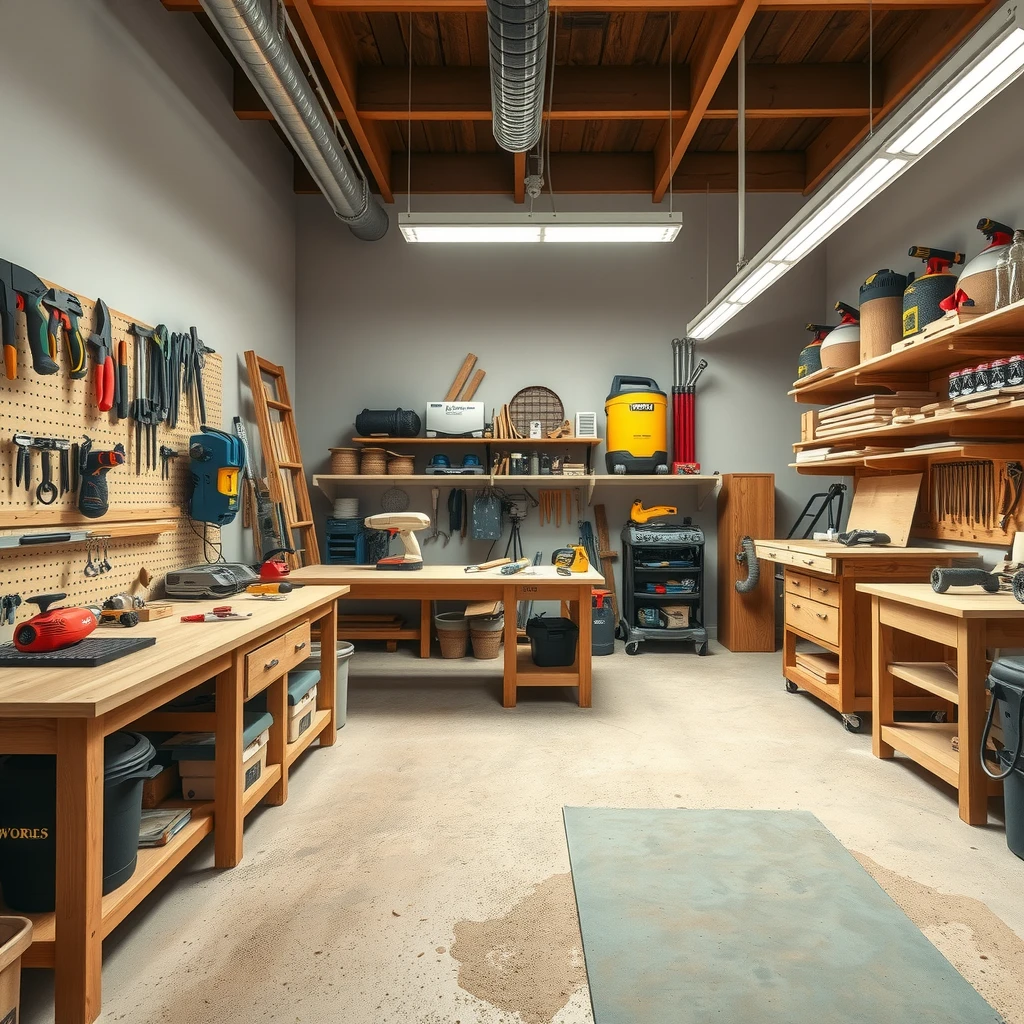
Start by assessing your space. Clear clutter and assign spots for each tool. Use pegboards for hanging items and shelves for storage. This setup makes finding tools easy and reduces trip hazards. In my shop, I label drawers—it saves time during projects.
Tips for Organization: - Group tools by type (e.g., cutting, measuring). - Install wall-mounted racks for larger items. - Keep a trash bin nearby for scraps.
A tidy space enhances focus and safety.
Safety Tips for Workshop Enthusiasts
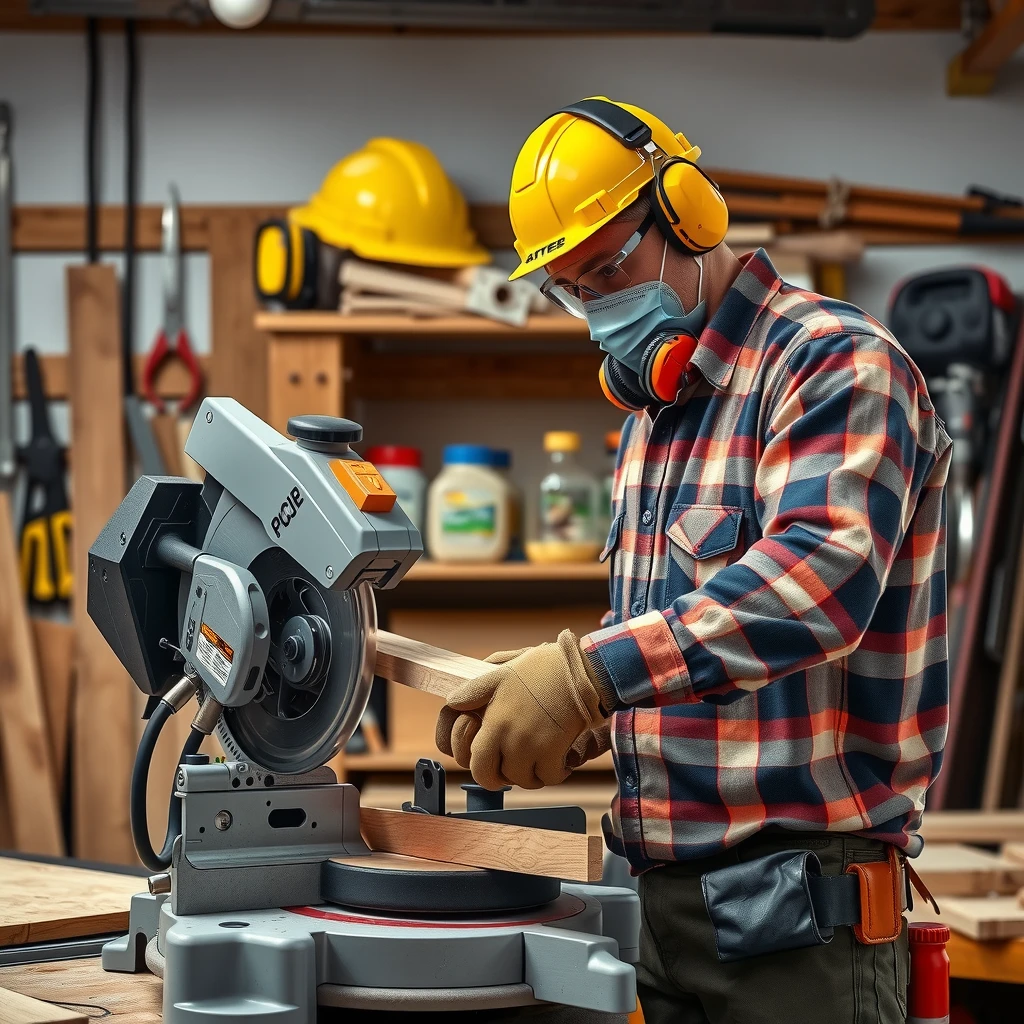
Safety comes first. Always wear protective gear like goggles, gloves, and ear protection. Keep your workspace clean to avoid slips. From personal insights, I've learned to unplug tools before adjustments—it's a simple habit that prevents mishaps.
Essential Safety Practices: 1. Use dust masks to protect lungs from particles. 2. Ensure good lighting to spot hazards. 3. Store chemicals securely.
For more, check OSHA guidelines on workshop safety OSHA Training School.[29]
Avoid loose clothing and tie back hair when operating machinery.

The Beginner's Guide to Woodworking
If you're new, start small. Learn basic techniques like measuring and cutting. This guide ties into maintenance by stressing tool care from day one. Beginners often overlook sharpening, but sharp tools make cleaner cuts. Resources like The Crucible offer great starters The Crucible.[38]
Build a simple project like a shelf to practice. Remember, patience builds skill.
How to Sharpen Your Cutting Tools
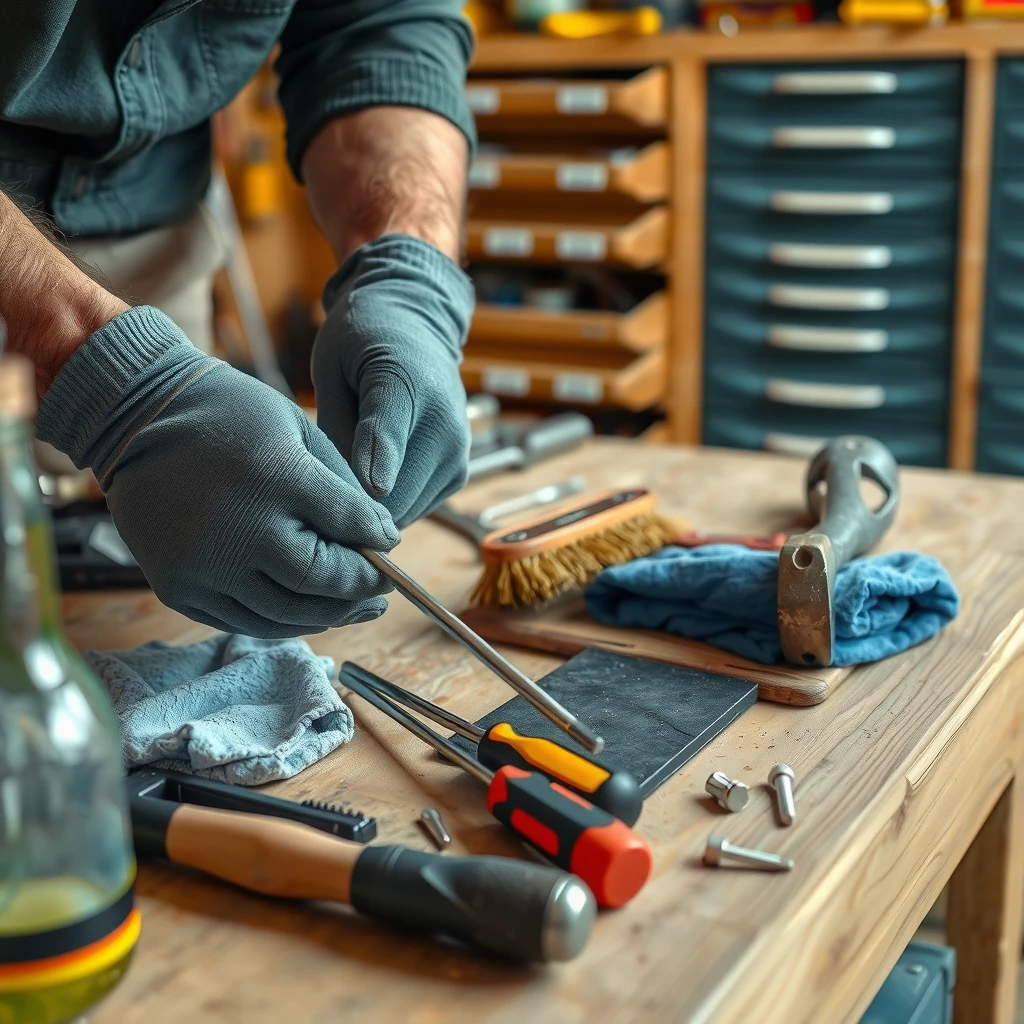
Dull tools are dangerous. Sharpen regularly for precise work. Use a bench grinder or sharpening stones. From experience, I sharpen chisels weekly—it transforms performance.
Step-by-Step Sharpening: 1. Secure the tool. 2. Grind at a 25-30 degree angle. 3. Hone with finer grits.
Tools like the Work Sharp system simplify this YouTube Guide.[21]
Test sharpness on scrap wood.

The Ultimate Guide to Workshop Equipment Maintenance
Maintain equipment to avoid breakdowns. Schedule checks based on usage. Clean dust ports and lubricate parts. In my workshop, I follow manufacturer manuals strictly.
| Equipment | Maintenance Task | Frequency |
|---|---|---|
| Table Saw | Clean blade, check alignment | Weekly |
| Drill Press | Lubricate spindle | Monthly |
| Sander | Replace belts | As needed |
Preventive tips from Stiles Machinery emphasize accountability Stiles Machinery.[3]
Cleaning and Storage Best Practices
Clean after each session. Vacuum dust and wipe surfaces. Store tools in dry areas to prevent rust. Use silica packs in drawers. Personal tip: Oil metal parts lightly for protection.
Storage Ideas: - Tool chests for small items. - Hanging cabinets for power tools.
Regular cleaning maintains air quality JB Tools.[6]
Common Mistakes to Avoid
Don't skip inspections—small issues grow. Avoid over-lubricating, as it attracts dirt. From mistakes I've made, rushing leads to errors; take time.
Avoid These: - Ignoring wear on cords. - Storing tools damp. - Neglecting ventilation.
Learn from Acme Tools' advice Acme Tools.[7]
Summary
This Workshop Maintenance Guide highlights the importance of organization, safety, sharpening, and upkeep. Apply these tips for a productive space. Consistent effort yields better results and safer fun. For deeper dives, explore related topics.
Related Workshop Maintenance Guide:
- Tool Calibration: Ensuring Precision in Your Work
- How to Use Wrenches Safely: Essential Tips for Every DIYer and Professional
- How to Choose the Right Power Washer for Your Needs
- Organizing Your Workshop: Tips for Efficient Tool Storage
- DIY Painting Hacks for Beginners: Simple Tips for Professional Results
- The Ultimate Guide to Tool Belts with Built-In Storage in 2026
- Best Beginner Power Tools Reviews - Wood Magazine
- Beginner's Guide to Lawn Mower Upkeep
- How to Choose the Right Oil for Your Car
- Innovative Construction Tools for Efficiency: Boosting Productivity on the Job Site
- How to Sharpen Your Tools Like a Pro
- Best Tool Belts for Different Trades: The Ultimate Guide to Choosing the Right Tool Belt for You