Quick Overview
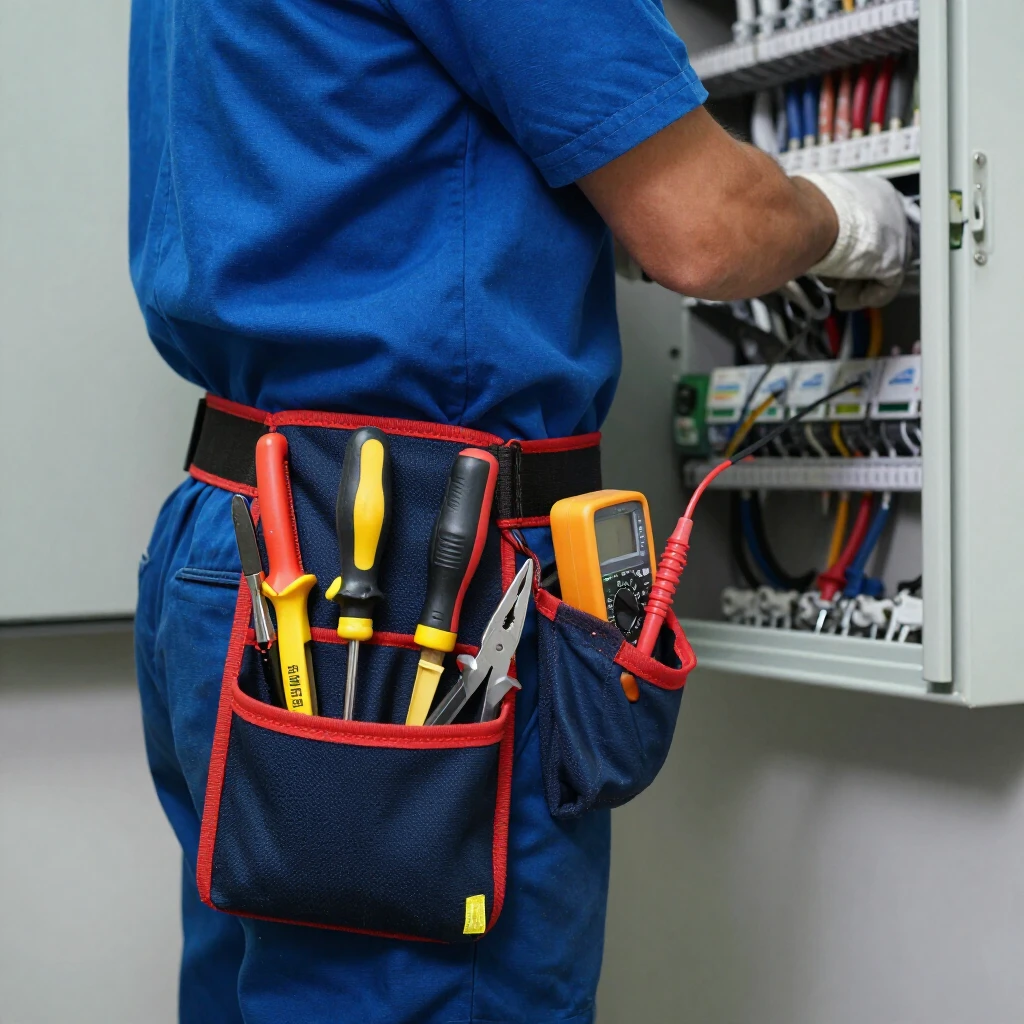
Tool belts with built-in storage keep your most-used workman tools close at hand. They save time, cut down on trips to the toolbox, and help you work smarter whether you're a carpenter, electrician, plumber, or weekend warrior. The right one feels like an extension of your body after a few days.
Why Tool Belts with Built-In Storage Matter
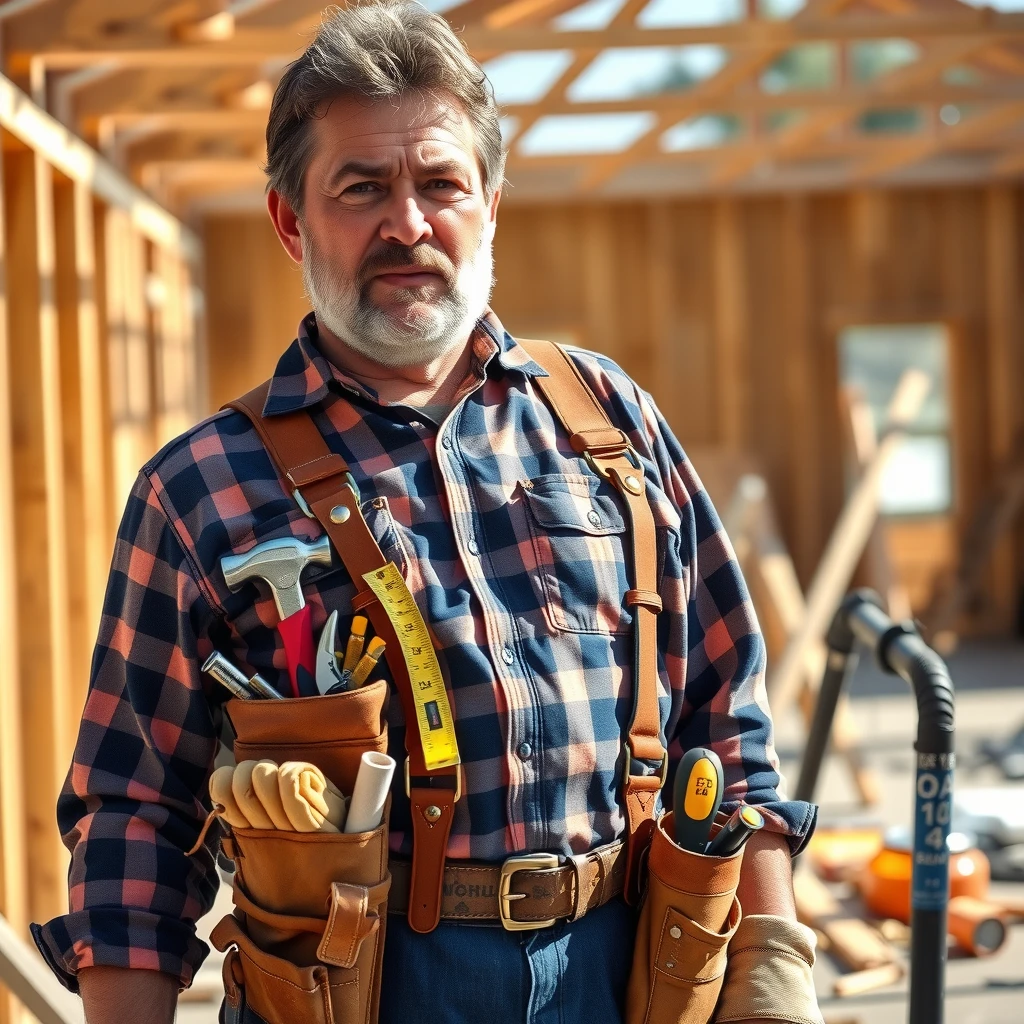
I’ve spent years on job sites, and nothing changes your day more than having the right tools within arm’s reach. Tool belts with built-in storage let you carry everything you need without running back and forth.
You stay in the flow. Grab a screw, drive it, measure the next cut—all without breaking rhythm. That adds up to real time saved over a full day.
They also spread the weight across your hips and, with suspenders, your shoulders. This reduces lower back strain. Many pros report less fatigue at the end of long shifts.
Safety improves too. Fewer dropped tools mean fewer trips to the ground and less risk of items falling from height.
Benefits at a Glance
- Hands stay free for ladders and materials
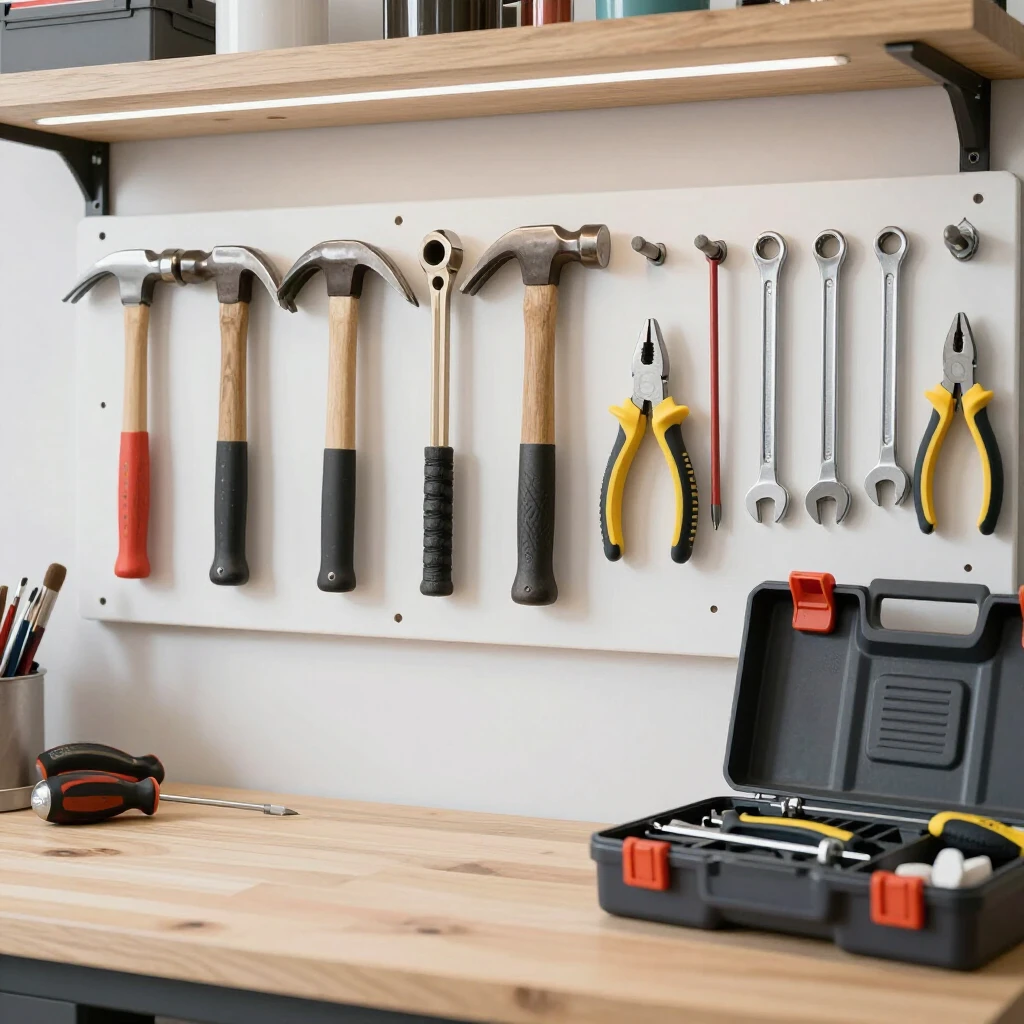
- Tools stay organized so you always know where everything is
- Less bending and walking keeps your energy up
- Quick access speeds up every task
Leather vs. Nylon: Which Material Wins?
Tool belts come in two main materials: leather and nylon. Each has loyal fans.
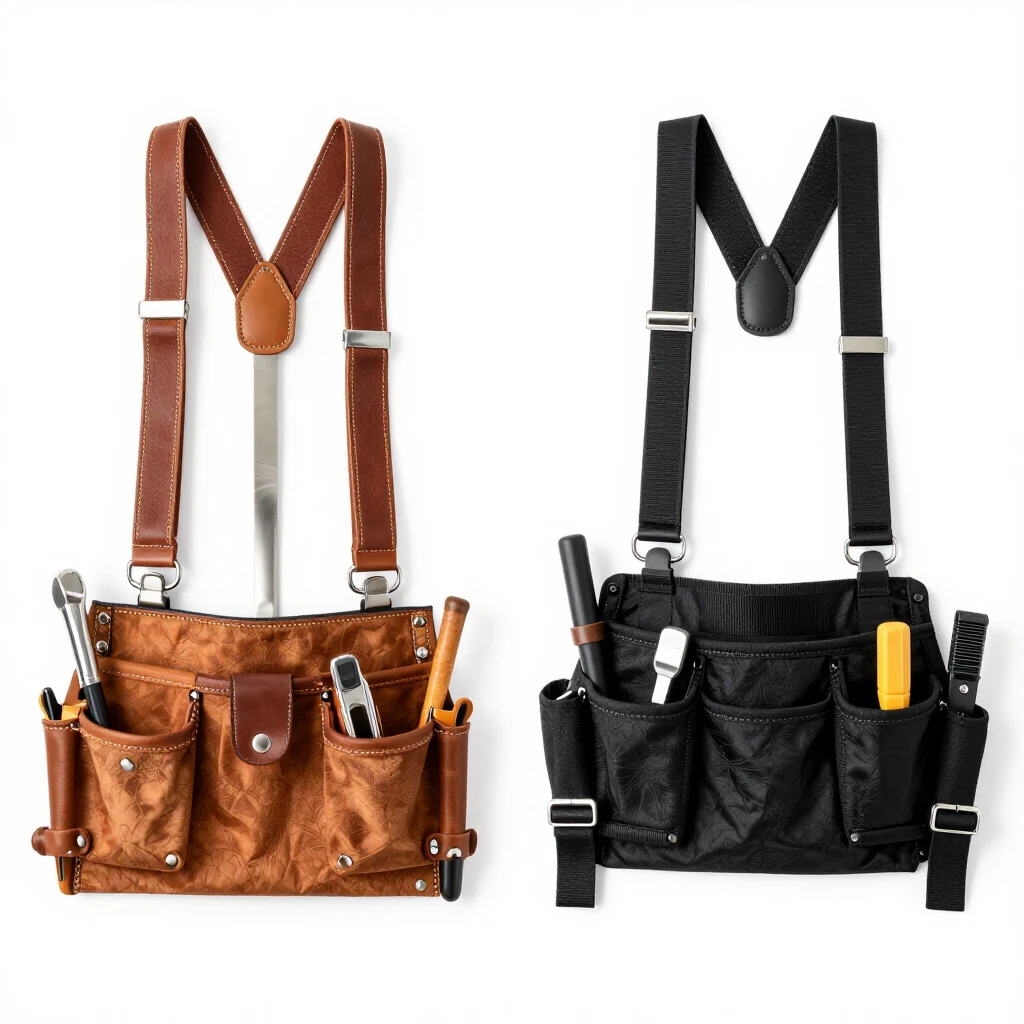
Leather feels premium and lasts forever with care. It molds to your body over time and looks better the more you use it. Occidental Leather and Diamondback make some of the toughest leather rigs available. Leather handles heavy loads without stretching and resists tears on rough sites.
Nylon weighs less and costs less upfront. Badger Tool Belts and ToughBuilt excel here. Nylon dries fast, cleans easily (many are machine-washable), and often includes more pockets for small parts. It works great in wet or dirty conditions.
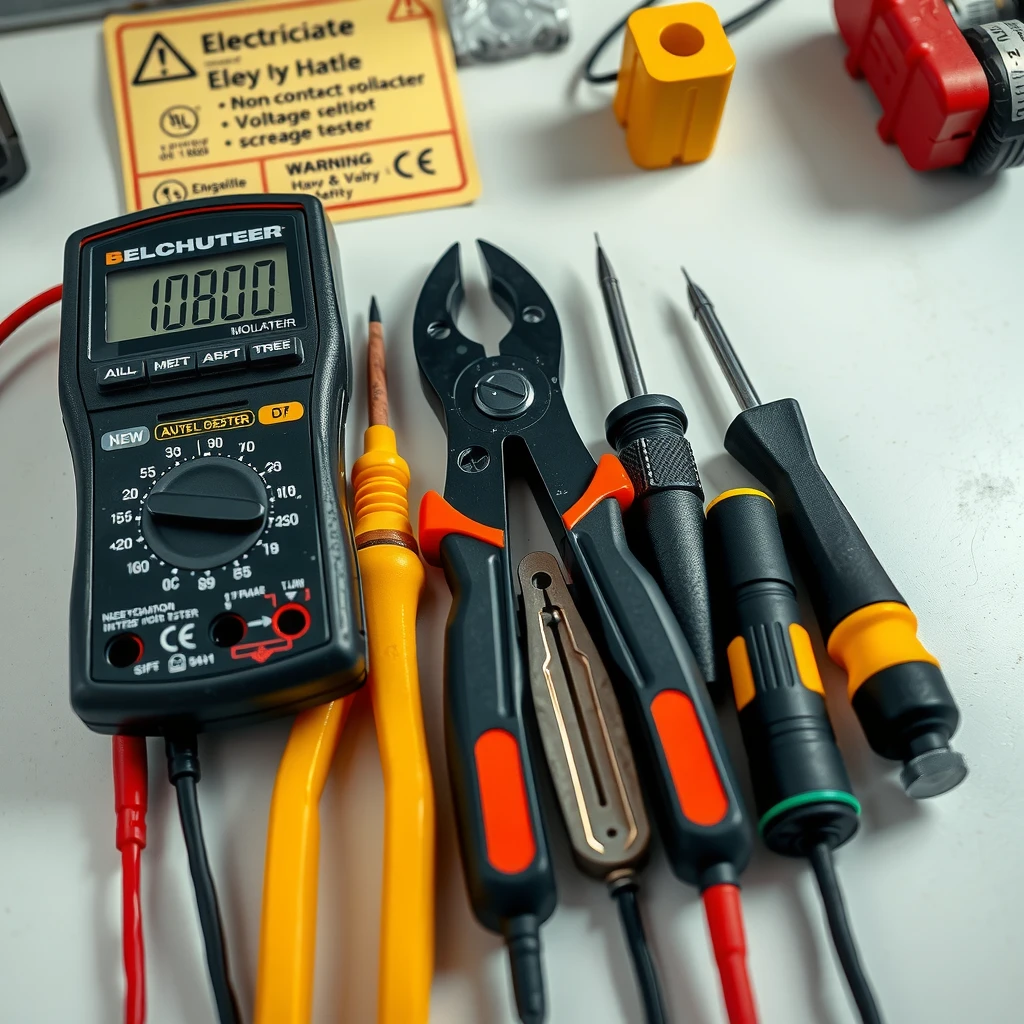
Most carpenters lean toward leather for daily durability. Electricians and plumbers often prefer nylon because they carry lighter loads and move more.
Key Features to Look For
A great tool belt matches your trade and body.
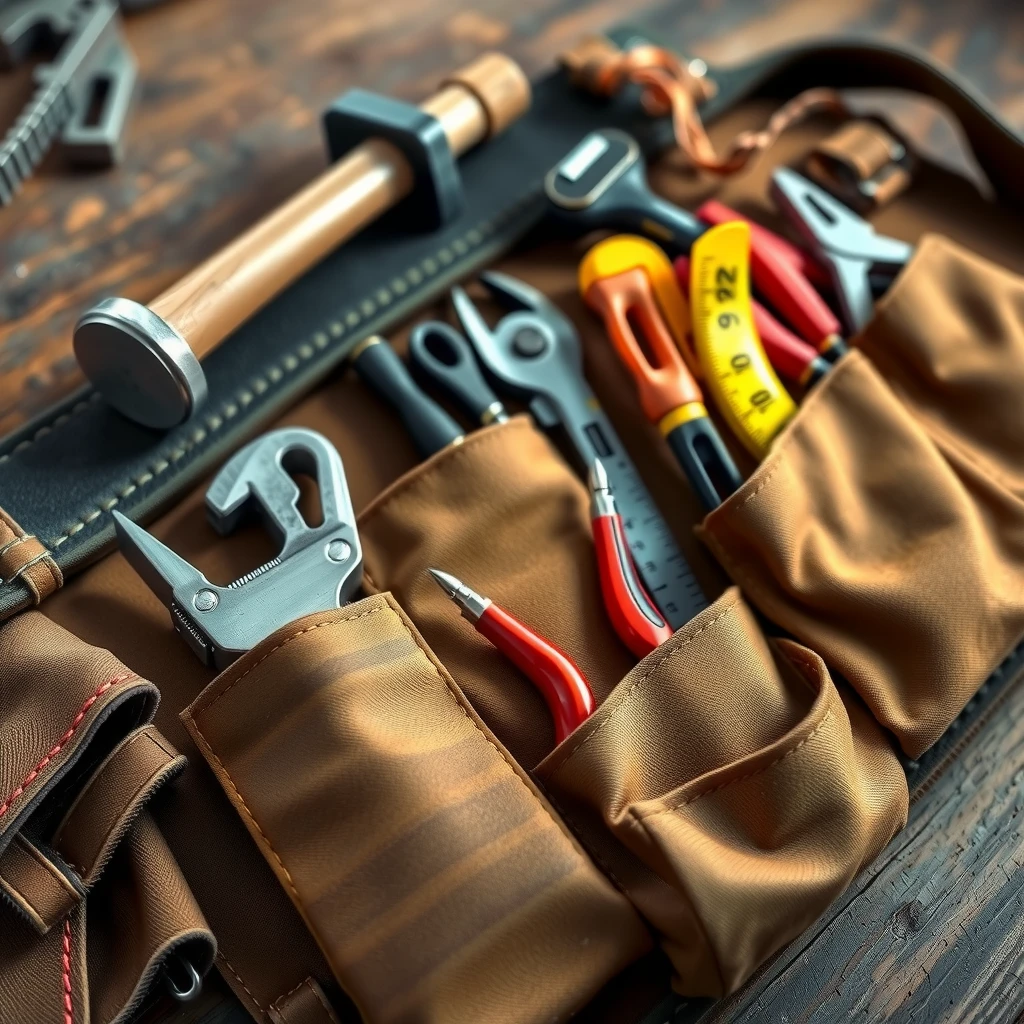
- Pocket count and layout — Deep pockets for nails, shallow ones for fasteners, dedicated hammer loop and tape clip.
- Padding and support — Wide belt plus padded suspenders for all-day comfort.
- Adjustability — Easy sizing that stays put once set.
- Material quality — Reinforced stitching and metal hardware that won’t rust.
- Weight distribution — Balanced bags so one side doesn’t pull you off center.
Pro tip: Try the belt loaded with your actual tools before buying. What feels good empty can sag terribly once full.
Top Tool Belts with Built-In Storage in 2026
Here are standout options based on recent reviews from Pro Tool Reviews, user feedback, and hands-on testing.
| Model | Material | Best For | Key Strengths | Price Range |
|---|---|---|---|---|
| Occidental Leather 9855 Adjust-to-Fit | Leather | Framing & General Carpentry | Super durable, excellent weight distribution, made in USA | $$$ |
| Diamondback Denali Rig | Nylon/Leather Hybrid | Multi-trade pros | Modular, extremely comfortable suspenders, lifetime warranty feel | $$$ |
| Badger Carpenter Set | Nylon | Finish Carpentry | Lightweight, tons of pockets, customizable | $$ |
| ToughBuilt 3-Piece Handyman | Nylon | DIY & Light Trade | Affordable, padded belt, lots of storage | $ |
| Gatorback B145 Combo | Nylon | Electricians & Plumbers | Breathable back support, molded pockets | $$ |
Sources: Pro Tool Reviews, user forums, and manufacturer sites.
How to Choose the Right One for You
Start with your daily tool list. Write down everything you reach for most. That tells you how many pockets you truly need.
Consider your trade. Framers carry heavy bags and need rugged leather. Finish carpenters want speed and lighter weight. Electricians prioritize small-part organization.
Budget matters, but think long-term. A $300 leather belt that lasts ten years beats replacing a $100 nylon one every two years.
Fit comes first. Measure your waist over work pants and check sizing charts carefully. Many brands offer small, medium, large, or adjustable systems.
Maintenance Tips to Make It Last
Take care of your belt and it will take care of you.
Leather belts — Clean dust off weekly. Apply leather conditioner or mink oil every few months to prevent cracking. Store away from direct heat.
Nylon belts — Brush off dirt, then toss in the washing machine on cold (no bleach). Air dry completely.
For both: Empty pockets nightly to avoid stretching. Check stitching regularly and repair small tears early. A well-maintained belt easily lasts years longer.
My Personal Take After Years on the Job
I started with a cheap big-box tool belt and hated every minute. It sagged, pockets tore, and I spent half my day adjusting it. Switching to a quality leather setup with suspenders changed everything. My back stopped aching, I finished jobs faster, and I felt more professional.
Today I mix systems depending on the project. Heavy framing days get full leather. Quick service calls get a lightweight nylon pouch. The key is having the right tool belt for the task at hand.
Final Thoughts
Tool belts with built-in storage remain one of the smartest investments any tradesperson or serious DIYer can make. They organize your workman tools, protect your body, and simply make tough jobs more manageable. Choose quality, fit it properly, and maintain it well—you’ll wonder how you ever worked without one.
Related tool belts with built-in storage:
- Best Power Tools for Home Renovation Projects: Your Ultimate Guide
- Best Beginner Power Tools Reviews - Wood Magazine
- Beginner's Guide to Lawn Mower Upkeep
- How to Choose the Right Oil for Your Car
- Innovative Construction Tools for Efficiency: Boosting Productivity on the Job Site
- How to Sharpen Your Tools Like a Pro
- Best Tool Belts for Different Trades: The Ultimate Guide to Choosing the Right Tool Belt for You
- How to Use Electrical Tools Safely
- Maintenance Tips for Keeping Your Tools in Top Condition: A Practical Guide
- How to Pick the Perfect Wrench for Your Project
- Router Tricks for Stunning Wood Designs
- DIY Storage Solutions for Small Workspaces: Boost Efficiency in Tight Areas