Overview
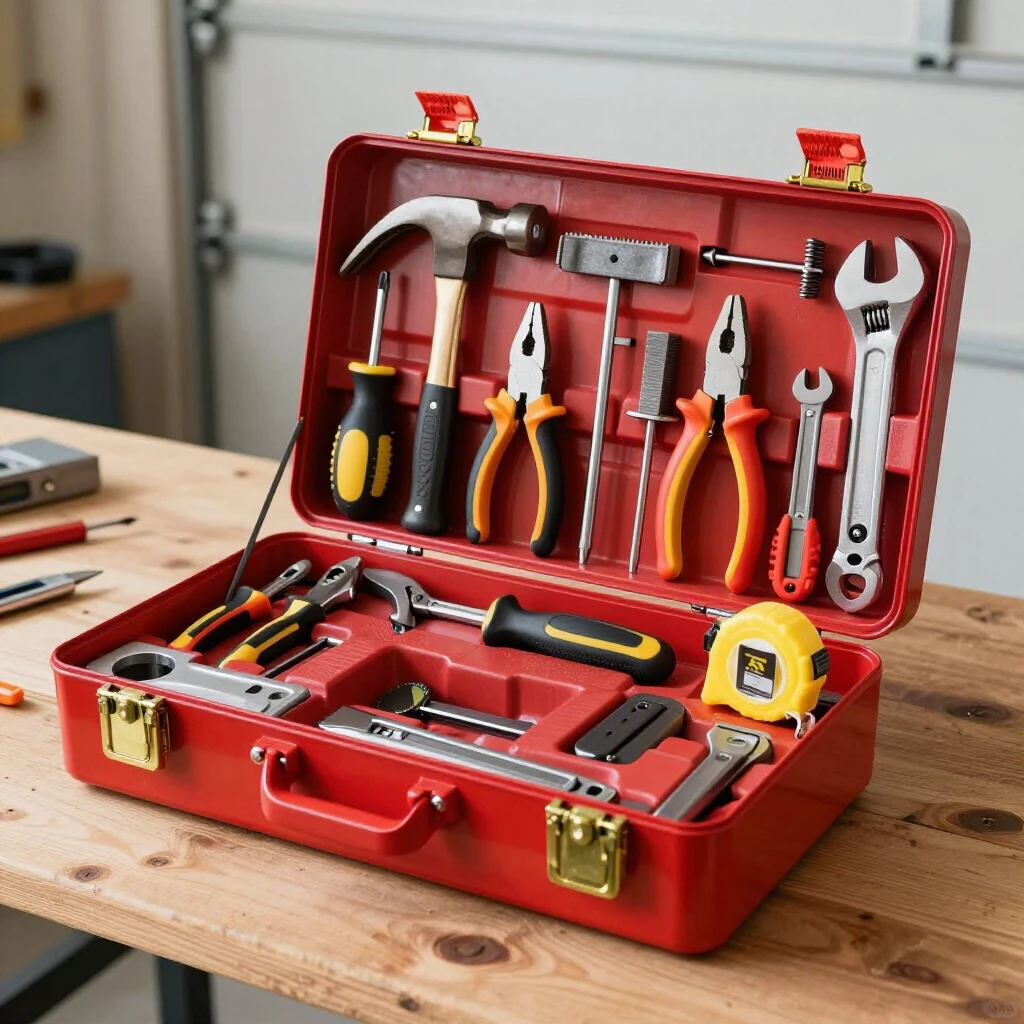
In today's compact living, DIY storage solutions for small workspaces can transform cluttered areas into efficient hubs. This guide shares easy projects to organize your workbench for maximum efficiency, using basic workman tools and materials for big impact.
Why Storage Matters in Small Workspaces
Small workspaces often feel cramped. You juggle tools, materials, and projects in limited square footage. Good storage keeps everything accessible and reduces frustration. From my experience setting up a home workshop in a tiny garage, smart organization doubled my productivity. You avoid wasting time hunting for items.
Start by assessing your space. Measure your area and list what you store. Think about frequency of use. Items you grab often should stay within reach. Less-used ones can go higher up or in drawers.
Vertical Storage: Make the Most of Walls
Walls offer untapped potential in small spaces. Install shelves or pegboards to go vertical. This frees floor space and keeps things visible.
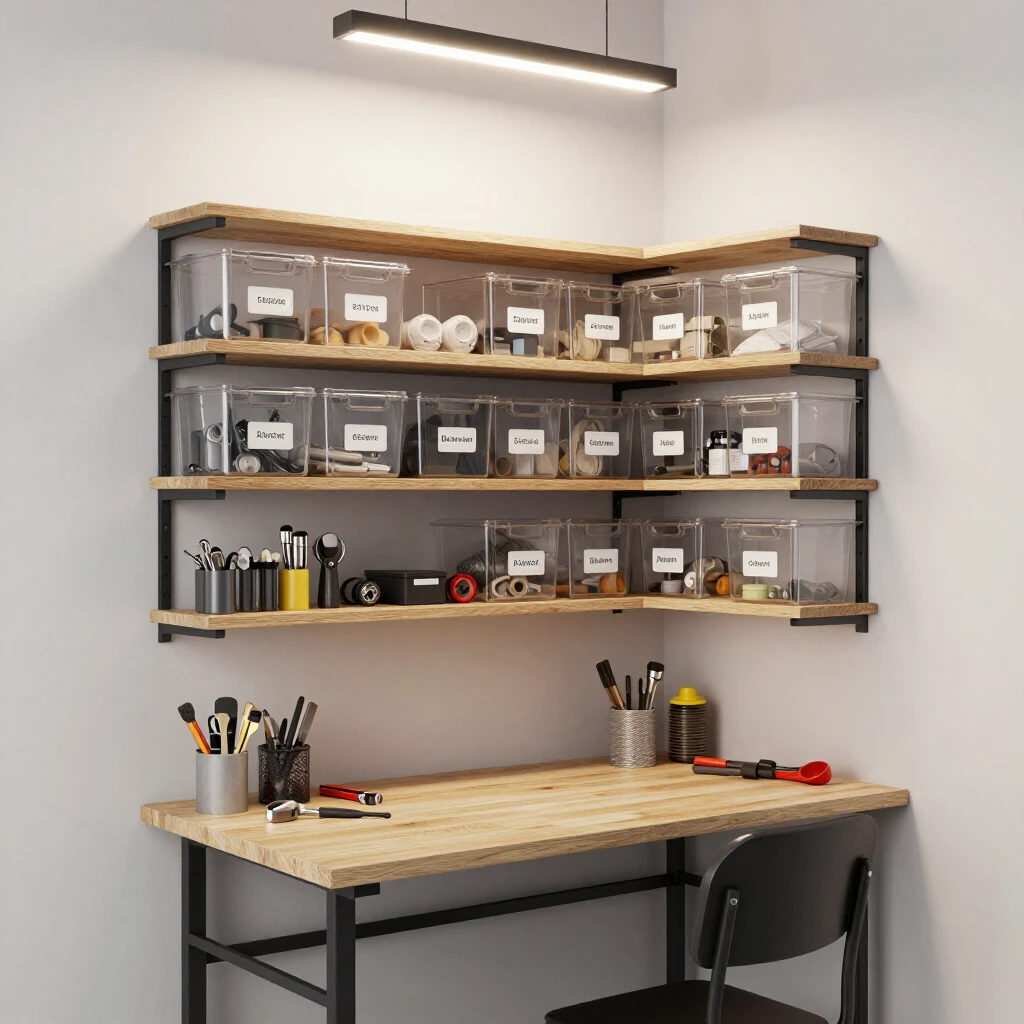
Build simple floating shelves. Grab plywood, brackets, and screws from your workman tools. Cut wood to fit your wall. Secure brackets and mount the shelf. Paint it to match your decor. These hold bins for small parts or display frequently used items.
Pegboards shine for tool organization. Hang one above your workbench. Add hooks for hammers, screwdrivers, and pliers. Everything stays in plain sight. As noted in the MIT Edgerton Center's guide on makerspace facilities, pegboards make tools easily accessible while keeping them secure.
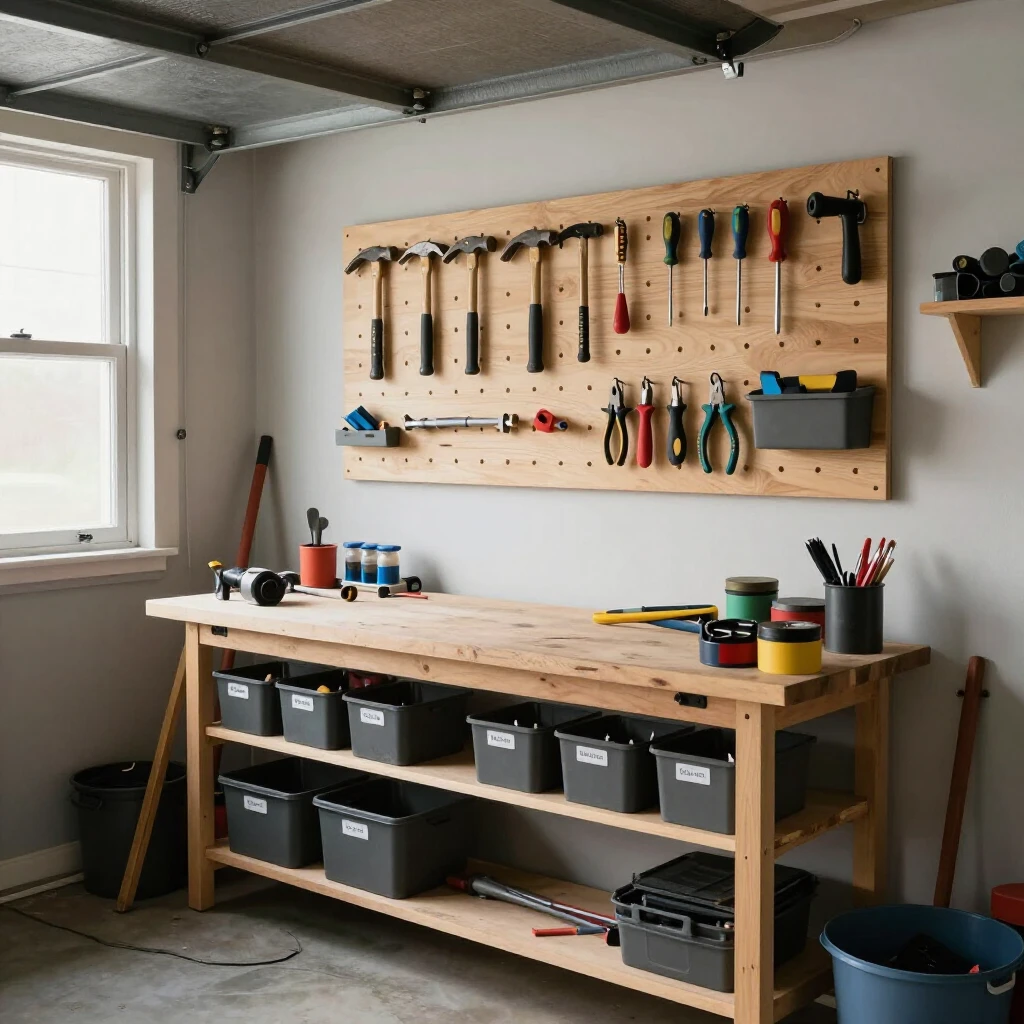
- Materials needed: Pegboard sheet, hooks, wood frame.
- Steps: Frame the pegboard for stability. Mount it securely. Arrange tools logically.
This setup organizes your workbench for maximum efficiency. You grab what you need without digging through drawers.
Drawer Dividers and Custom Organizers
Drawers often become junk pits. Fix that with DIY dividers. Use cardboard or thin wood scraps. Cut pieces to fit drawer dimensions. Create compartments for screws, nails, and bits.
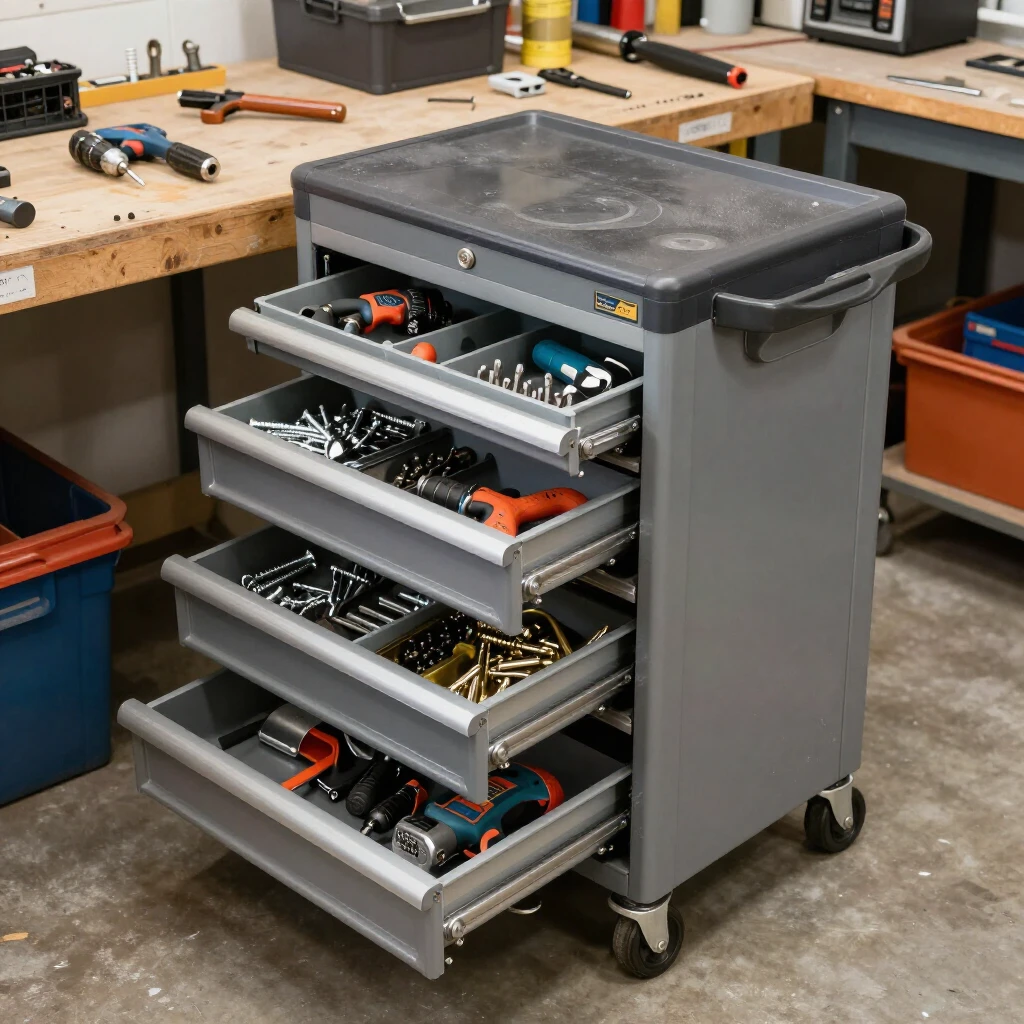
For a personal touch, I built a rolling cart with drawers. It fits under my workbench. Wheels let me move it easily. The Herzing University blog on dedicated workspaces suggests creative storage like bins and organizers to keep supplies nearby but tidy.
Table: Common Divider Materials | Material | Pros | Cons | |----------|------|------| | Cardboard | Cheap, easy to cut | Not durable | | Wood | Sturdy, customizable | Requires tools | | Plastic | Waterproof, lightweight | Less eco-friendly |
Multi-Functional Furniture Hacks
Choose or build pieces that serve double duty. A workbench with built-in storage ranks high. Add shelves underneath for larger items. Or, attach magnetic strips inside cabinet doors for metal tools.
Convert an old dresser into a tool station. Remove drawers and add dividers. Paint it fresh. This repurposes furniture and saves money. In small workspaces, every inch counts.
Tool-Specific Storage Solutions
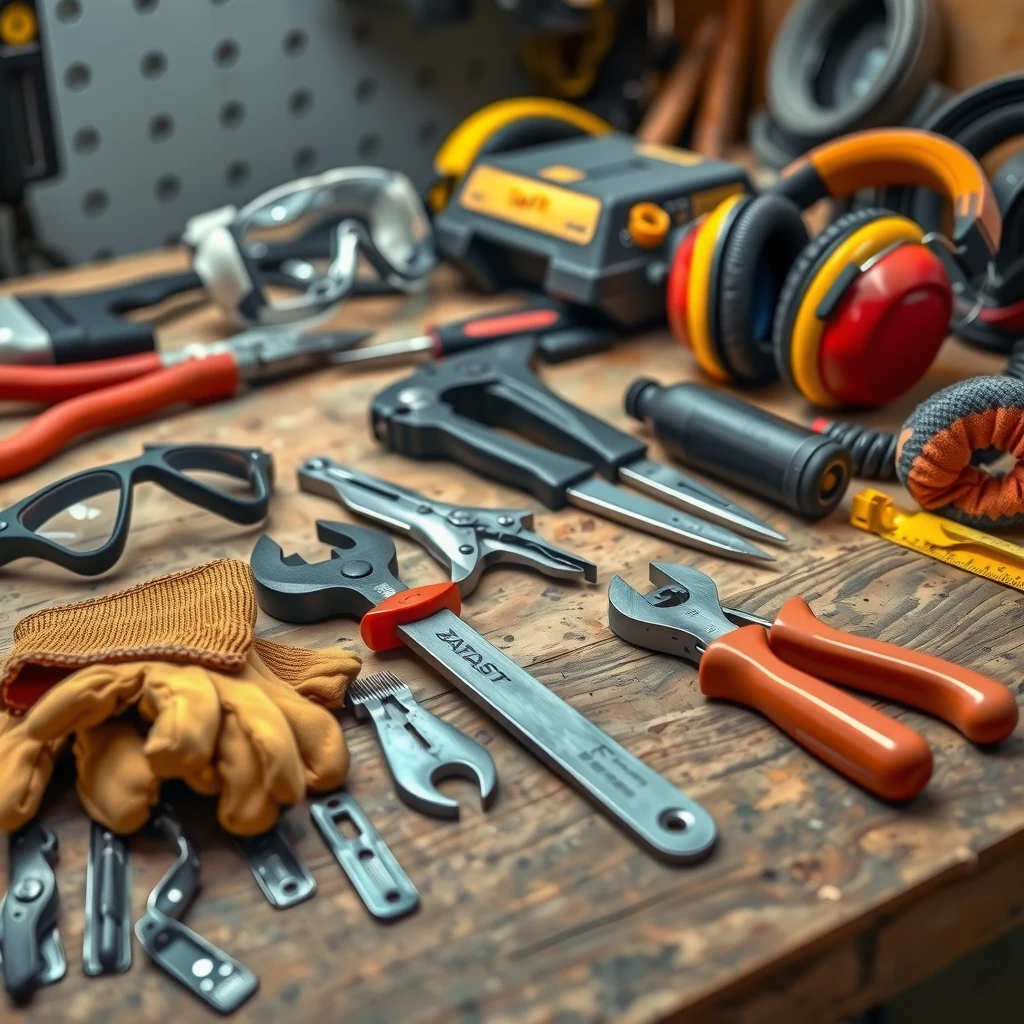
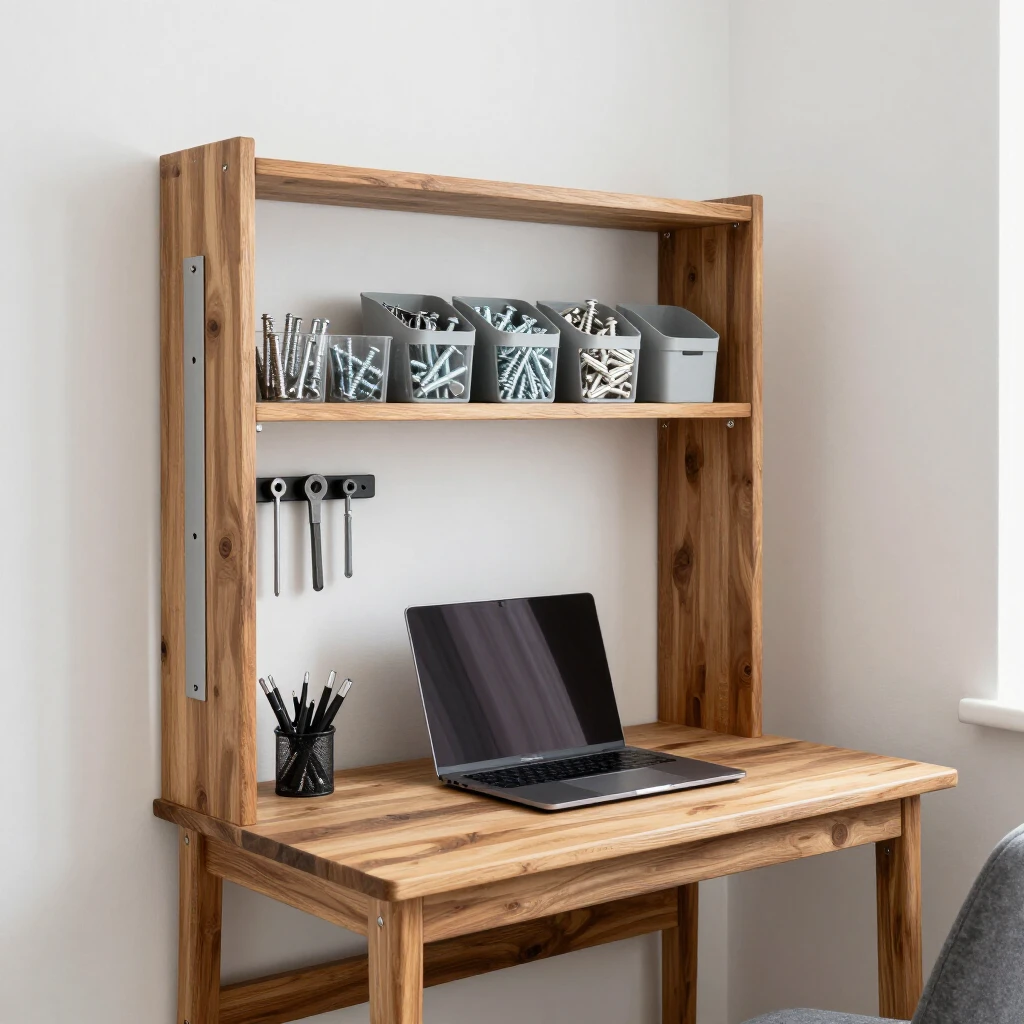
Workman tools deserve special care. Create shadow boards. Trace tool shapes on foam or wood. Cut out silhouettes and place tools there. This shows at a glance what's missing.
For power tools, build a charging station. Mount a shelf with outlets. Add hooks below for cords. Keeps batteries charged and ready.
From my trials, labeling everything helps. Use tape or markers on bins. Group similar items. The University of New England's tips on efficient home workspaces emphasize maximizing vertical space with shelves to clear desks.
Portable and Mobile Options
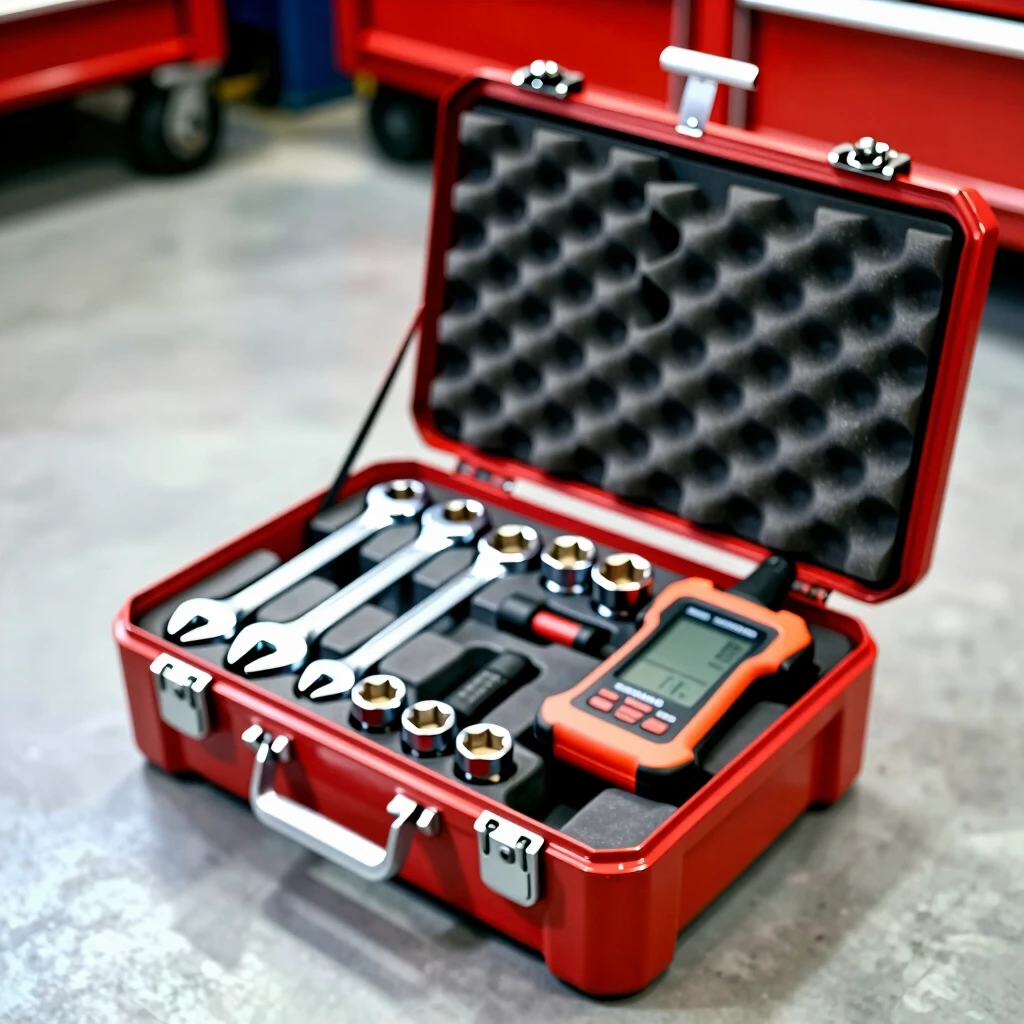
In tiny areas, mobility matters. Build a tool caddy from scrap wood. Add handles for easy carry. Or, use buckets with organizers for small parts.
A foldable workbench saves space. Store it against the wall when not in use. Add wheels to heavy storage units. Roll them out as needed.
List of Mobile Ideas: - Rolling carts for supplies - Tool bags with compartments - Stackable bins on casters
Safety and Maintenance Tips
Organized spaces stay safer. Keep sharp tools in sheaths or drawers. Secure heavy items on low shelves. Clean regularly to avoid dust buildup.
Check setups monthly. Adjust as projects change. Good habits maintain efficiency.
Budget-Friendly Materials and Sourcing
Shop smart. Use reclaimed wood from pallets. Check thrift stores for bins. Basic workman tools like saws and drills handle most projects.
Estimate costs: - Shelves: $20-50 - Pegboard: $15-30 - Dividers: Under $10
These DIY storage solutions for small workspaces pay off quickly in time saved.
Common Mistakes to Avoid
Don't overcomplicate. Start small. Test layouts before permanent installs. Measure twice, cut once.
Ignore ergonomics at your peril. Place heavy items low to avoid strain. Light your space well to spot items easily.
Final Thoughts
DIY storage solutions for small workspaces turn chaos into order. By organizing your workbench for maximum efficiency, you work smarter. Try these ideas and adapt them. Your space will feel bigger and more productive.
Remember, consistency keeps it tidy. Put things back after use. With these tips, even the smallest area becomes a powerhouse.
Related DIY Storage Solutions for Small Workspaces:
- Advanced Tips for Organizing Your Workbench
- Hand Tools Maintenance Tips: Keep Your Workman Tools in Top Shape for Years
- Tool Storage Ideas for Small Workshops
- Top Ergonomic Hand Tools for DIY Projects
- Advanced Techniques for Tool Organization
- Innovative Electrical Tools for 2023: Game-Changers for Electricians
- The Evolution of Automotive Tools
- Common Handyman Mistakes and How to Avoid Them
- Essential Workman Tools for Every Homeowner
- Essential Construction Tools for Masonry Work: A Complete Guide
- Essential Safety Tips for Construction Workers
- Guide to Eco-Friendly Painting