Overview
Keeping your tools organized saves time and reduces frustration. In this article, we dive into advanced techniques for tool organization that go beyond basics, helping you create a workspace that works for you. You'll learn about tool belts, safety tips, and more to make your projects smoother.
As someone who has tinkered in workshops for over a decade, I know the chaos of a messy toolbox. Tools get lost, projects stall, and simple tasks turn into hunts. That's why mastering advanced techniques for tool organization changed my game. It not only speeds up work but also keeps everything safe and accessible.
Start by assessing your space. Measure your workshop area and list all your tools. Group them by type: hammers with hammers, screwdrivers together. This simple step sets the foundation for efficiency.
Why Organize Your Tools?
Organized tools mean less time searching and more time creating. Studies from sources like OSHA show that proper tool management reduces accidents by up to 20%. Plus, it extends tool life by preventing damage from improper storage.
In my experience, a tidy setup sparks creativity. When everything has a place, your mind focuses on the project, not the mess.
Advanced Techniques for Tool Organization
Let's get into the meat of it. These methods build on basic sorting to create a system that adapts to your needs.
Create Zones in Your Workshop
Divide your space into zones based on tasks. Have a cutting zone with saws and blades, a fastening zone with screws and drivers. Use tape on the floor to mark areas. This technique keeps tools where you use them most.
For example, I set up a mobile cart for my finishing tools. It rolls to wherever I'm working, saving steps.
Use Vertical Space Wisely
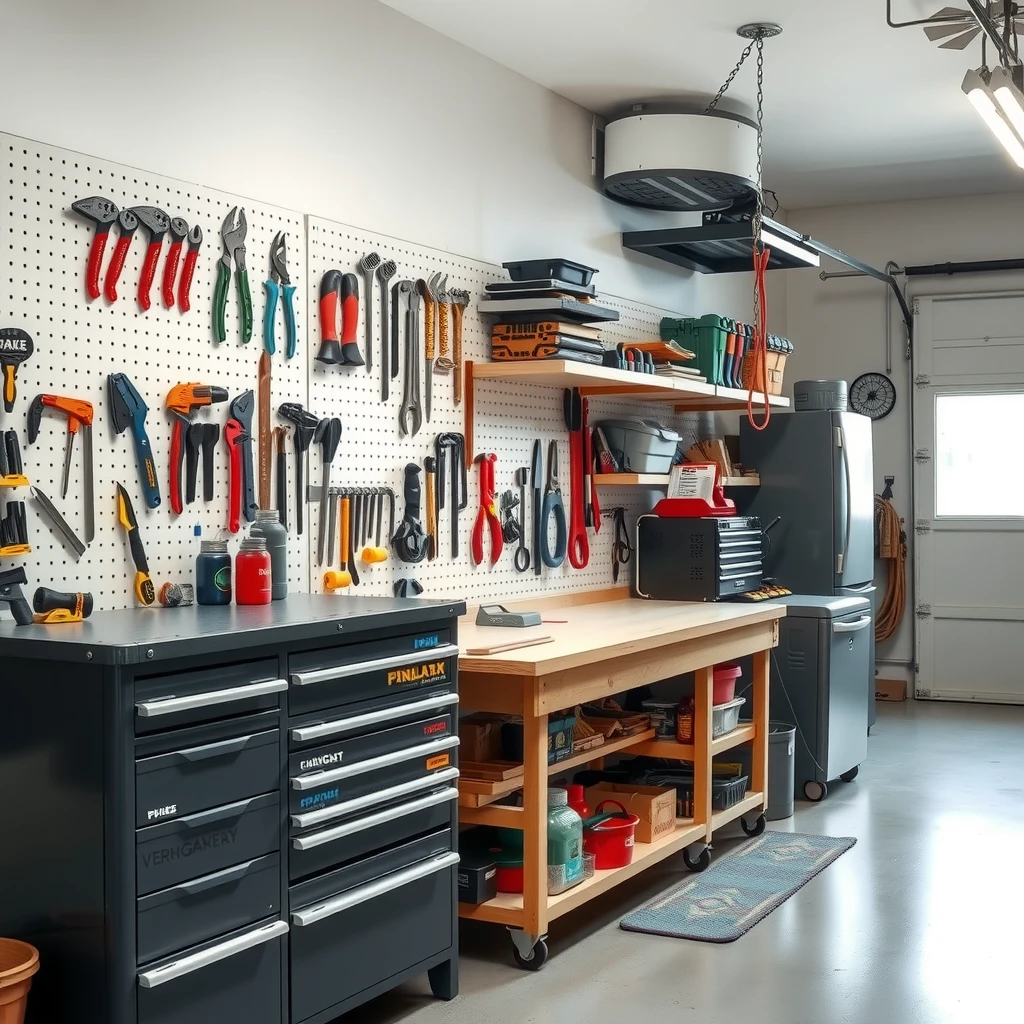
Walls are gold in small workshops. Install pegboards or magnetic strips for hanging tools. Outline each tool's shape with paint so you know exactly where it goes.
Add shelves for bulkier items. Adjustable ones let you customize heights. This frees up floor space and makes tools visible at a glance.
Labeling and Inventory Systems
Labels are your best friend. Use a label maker for drawers and bins. Go digital with an app to track inventory. Scan tools in and out to avoid losses.
I once lost a favorite chisel for weeks. Now, with labels, everything returns home right away.
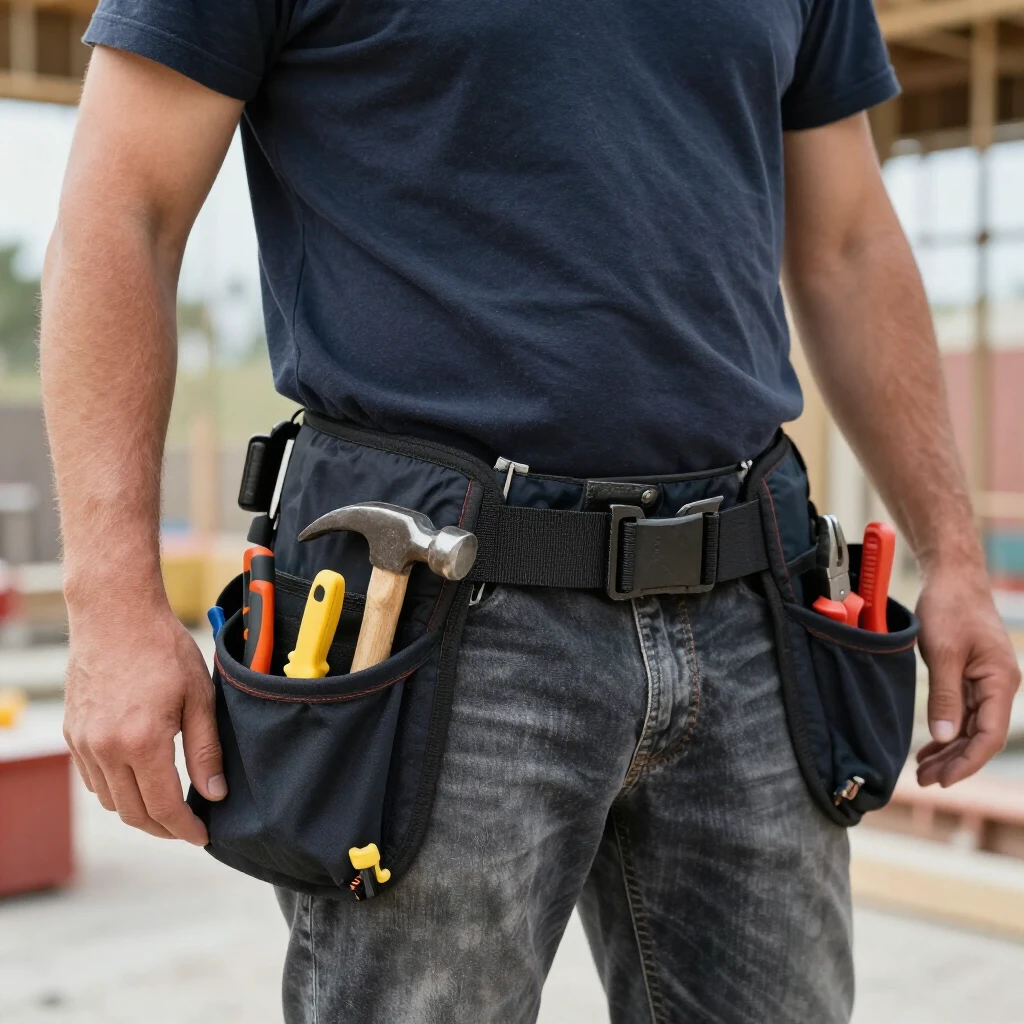
Incorporate Tool Belts with Ergonomic Designs
Tool belts are game-changers for mobility. Choose tool belts with ergonomic designs to reduce back strain. Look for padded belts that distribute weight evenly.
Brands like Occidental Leather offer models with adjustable pouches. I swear by mine—it keeps essentials at my hips, freeing hands for work. Pair it with your organized workshop for seamless transitions.
The Ultimate Guide to Hand Tools
Hand tools form the backbone of any toolkit. This section serves as the ultimate guide to hand tools, helping you select and organize them effectively.
Essential Hand Tools to Own
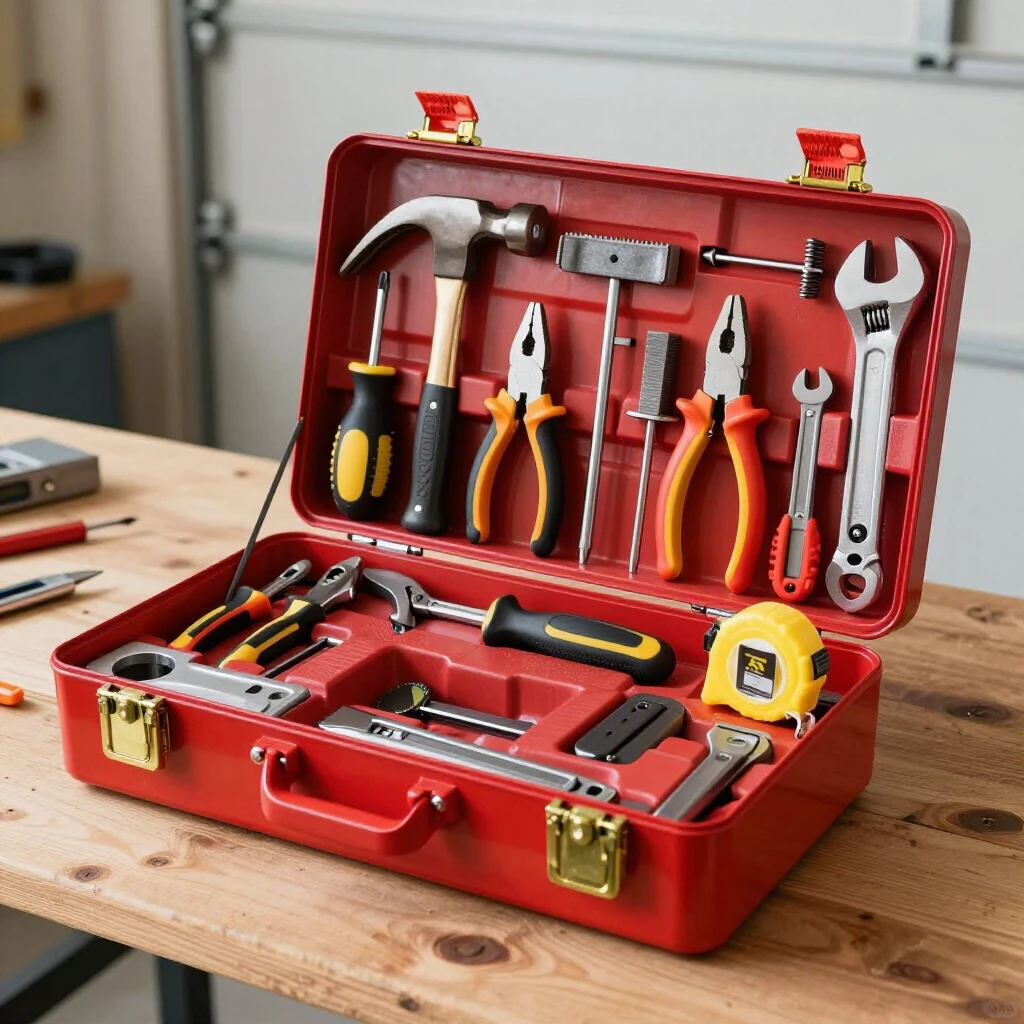
Start with basics: hammer, screwdrivers, pliers, tape measure, and utility knife. Add specialty ones like chisels or levels as needed.
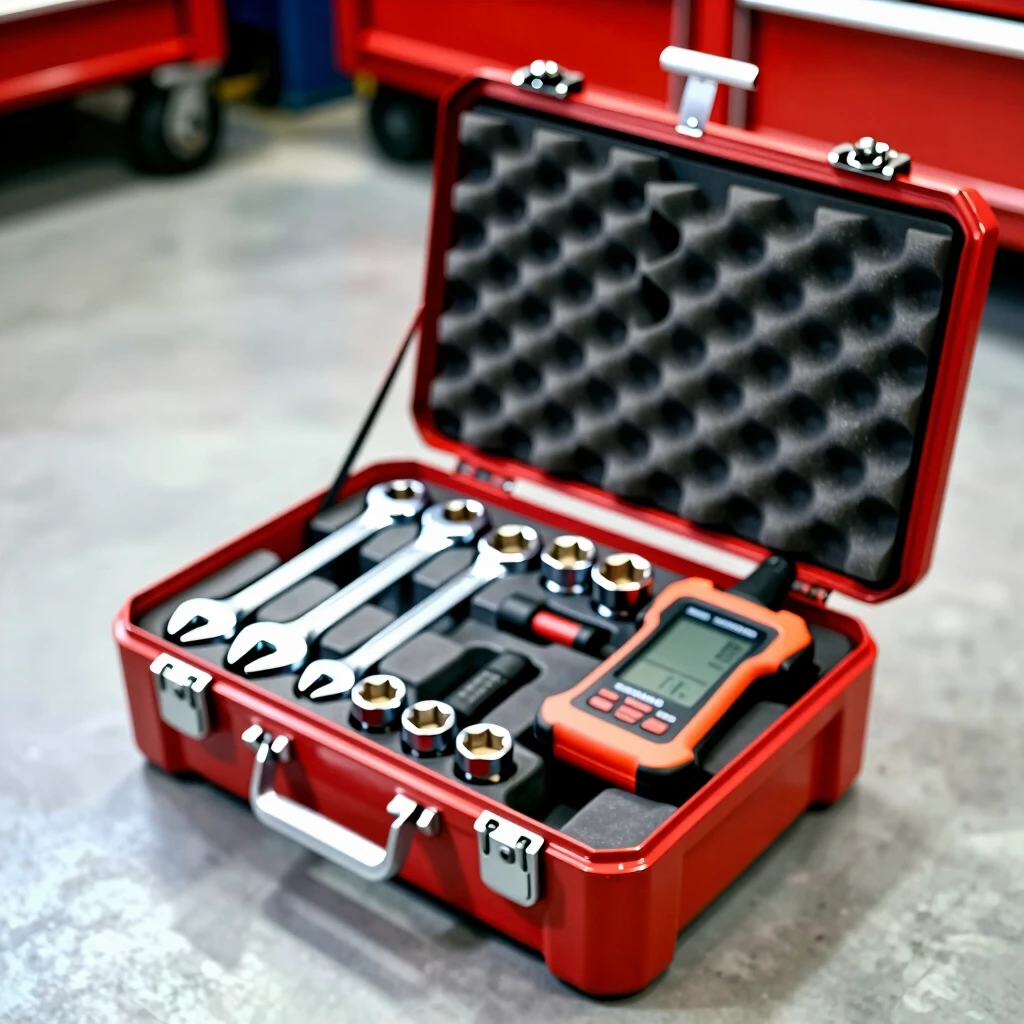
Organize them in foam inserts for drawers. Cut shapes to fit each tool snugly. This prevents rattling and damage.
| Tool Type | Examples | Storage Tip |
|---|---|---|
| Striking | Hammer, Mallet | Hang on pegboard to avoid head damage |
| Cutting | Saw, Knife | Use blade guards and wall racks |
| Fastening | Screwdriver, Wrench | Magnetic holders in drawers |
| Measuring | Tape, Level | Coil tapes and store flat |
From my projects, a good claw hammer is irreplaceable. Choose one with a comfortable grip to avoid blisters during long sessions.
Essential Safety Tips for Using Hand Tools
Safety comes first. Here are essential safety tips for using hand tools to prevent injuries.
Inspect tools before each use. Check for cracks or loose parts. Dull blades cause slips—sharpen them regularly.
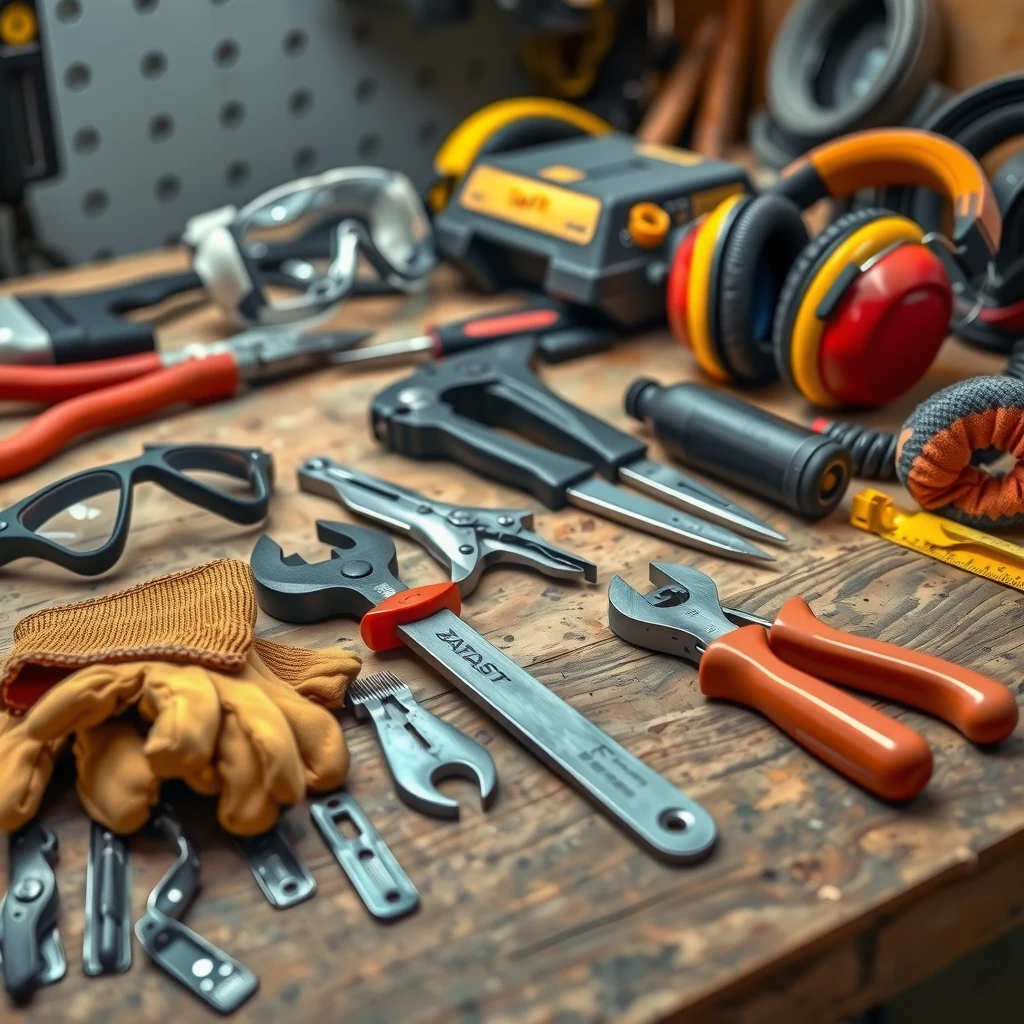
Wear protective gear: gloves, glasses, and sturdy shoes. Secure your workpiece with clamps to keep hands free.
According to OSHA guidelines on hand and power tools (available at OSHA's website), always use the right tool for the job to avoid strain.
- Keep work areas clean and well-lit.
- Store tools properly to avoid trips.
- Never carry sharp tools in pockets.
- Use both hands when needed for control.
In one close call, a loose hammer head flew off. Now, I double-check everything. These tips have kept me injury-free.
Maintaining Your Organized System
Organization isn't a one-time thing. Schedule monthly reviews to tweak your setup. Donate unused tools to keep clutter down.
Involve family or team members in the system. Teach them where things go to maintain order.
Track tool usage. If something sits idle, reconsider its spot. This keeps your space evolving with your needs.
Summary
Advanced techniques for tool organization transform your workshop into a productive haven. By zoning spaces, using ergonomic tool belts, and following essential safety tips for using hand tools, you'll work smarter. Remember, consistency is key—stick to your system for lasting results.
Related Advanced Techniques for Tool Organization:
- The Ultimate Guide to Power Tools
- Innovative Electrical Tools for 2023: Game-Changers for Electricians
- The Evolution of Automotive Tools
- Common Handyman Mistakes and How to Avoid Them
- Essential Workman Tools for Every Homeowner
- Essential Construction Tools for Masonry Work: A Complete Guide
- Essential Safety Tips for Construction Workers
- Guide to Eco-Friendly Painting
- Home Depot: How to Choose the Right Power Tools
- Essential Workman Tools for Beginners: Your Starter Guide to DIY Success
- Understanding Workplace Safety Standards: A Complete Guide for Every Worker
- Top 10 Power Tools Every DIY Enthusiast Should Own