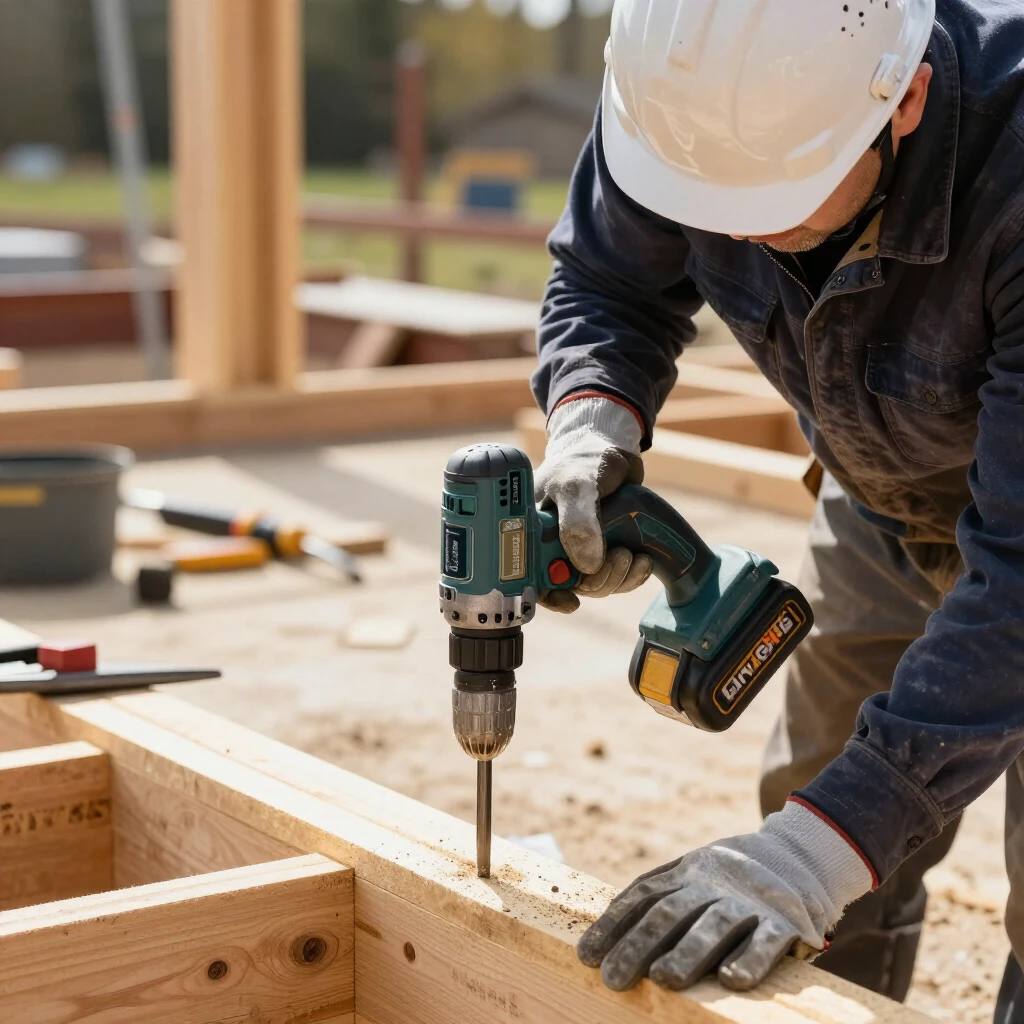
Overview
Workplace safety standards protect millions of workers every day. Understanding these rules helps you avoid injuries and create a safer environment. This guide covers key standards, essential gear, tools, and practical tips to stay safe.
Every year, thousands of workers face injuries that could have been prevented. In the United States, the Occupational Safety and Health Administration (OSHA) sets rules to keep workplaces safe. These standards cover everything from construction sites to offices.
I remember my first job on a construction site. No one explained the rules clearly, and I saw close calls that scared me. That's when I realized how important it is to really understand workplace safety standards. They aren't just paperwork—they save lives.

The Basics of Workplace Safety Standards
OSHA, part of the U.S. Department of Labor, enforces safety rules across most private sector workplaces. Their main goal is to make sure employers provide a workplace free from serious hazards.
One key part is the General Duty Clause. It requires employers to keep the workplace free of recognized dangers. For specific guidance, check OSHA's Laws and Regulations page, which explains the core standards in detail.
Common hazards include falls, electrical risks, and machinery accidents. OSHA reports that fall protection is one of the most frequently cited violations. Simple steps like using guardrails can prevent many issues.
Training plays a big role too. Employers must train workers in a language they understand. This includes how to spot hazards and use equipment safely.
Safety Gear Essentials for Every Workman
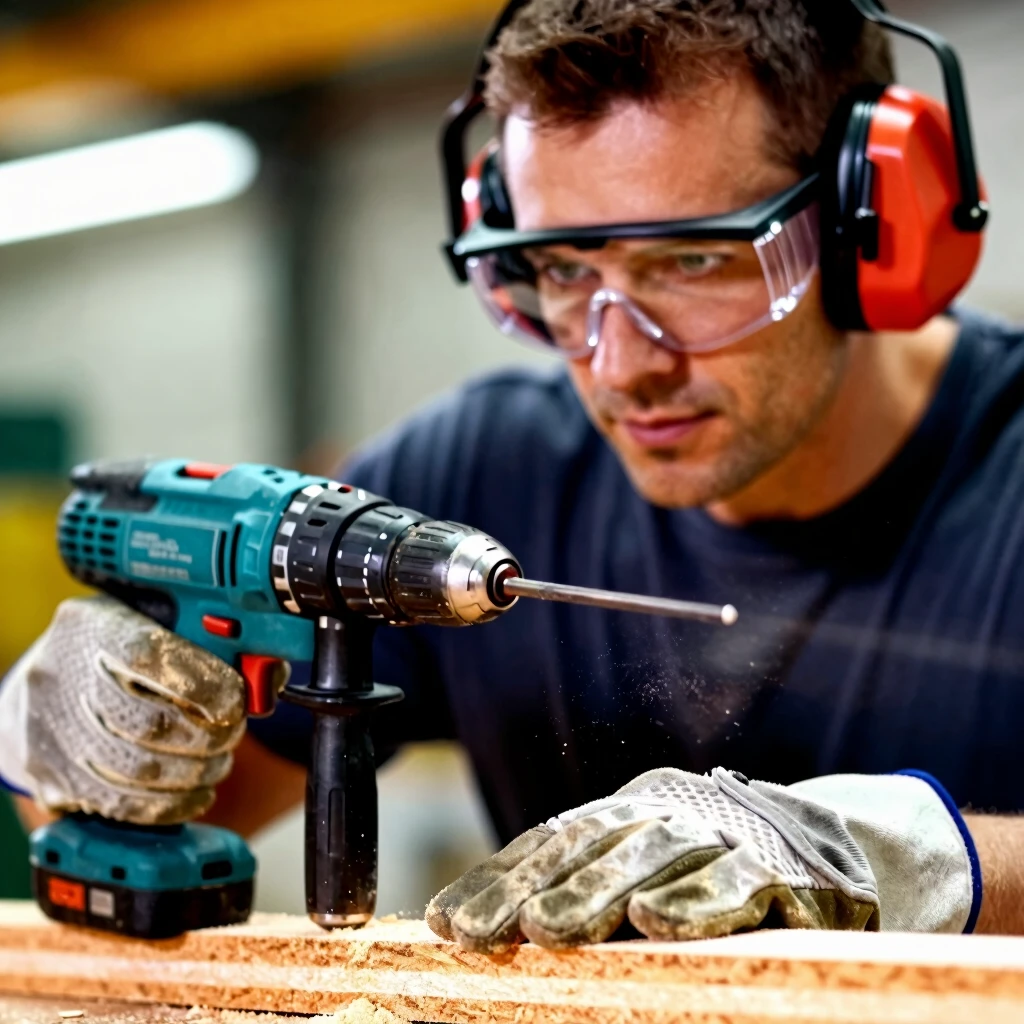
Personal protective equipment (PPE) acts as your last line of defense. The National Institute for Occupational Safety and Health (NIOSH) provides recommendations on choosing the right gear.
Here are some safety gear essentials for every workman:
- Hard hats: Protect your head from falling objects.
- Safety glasses or goggles: Shield your eyes from debris and chemicals.
- Gloves: Keep hands safe from cuts, burns, and chemicals.
- High-visibility vests: Make you seen in busy or low-light areas.
- Steel-toed boots: Guard feet against heavy items.
- Hearing protection: Use earplugs or muffs in noisy environments.
- Respirators: Filter out dust or fumes when needed.
Always inspect your gear before use. If something is damaged, replace it right away. For detailed PPE guidance, visit NIOSH's Personal Protective Equipment page.

Essential Tools Every Workman Must Have
Good tools make the job easier and safer. Wrenches are among the most used items in many trades.
Basic wrenches include adjustable, combination, and socket types. They help tighten or loosen bolts without slipping, which prevents injuries.
Other essential tools every workman must have:
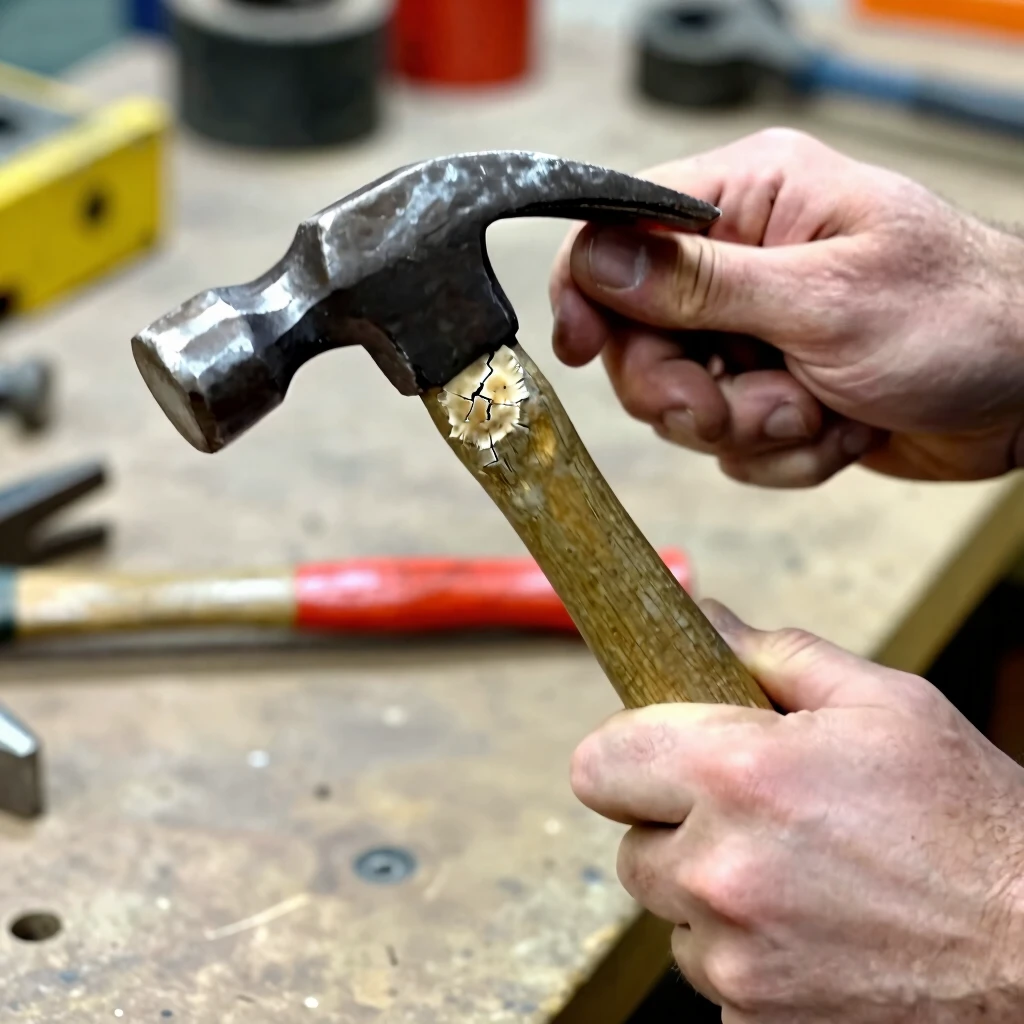
- Hammer
- Screwdrivers (flat and Phillips)
- Pliers
- Tape measure
- Utility knife
- Level
Invest in quality tools. Cheap ones can break and cause accidents. Keep them organized to avoid trips or lost items.
How to Maintain and Store Wrenches
Proper care extends tool life and keeps you safe. I've learned this the hard way when a rusty wrench slipped and caused a bad cut.
Follow these steps to maintain and store wrenches:
- Clean after each use: Wipe off dirt, grease, and debris with a cloth.
- Inspect regularly: Look for cracks, bends, or worn jaws. Replace damaged ones.
- Lubricate moving parts: Use oil on adjustable wrenches to keep them smooth.
- Store properly: Hang them or place in a toolbox to prevent rust and damage.
- Avoid moisture: Keep in a dry place to stop corrosion.
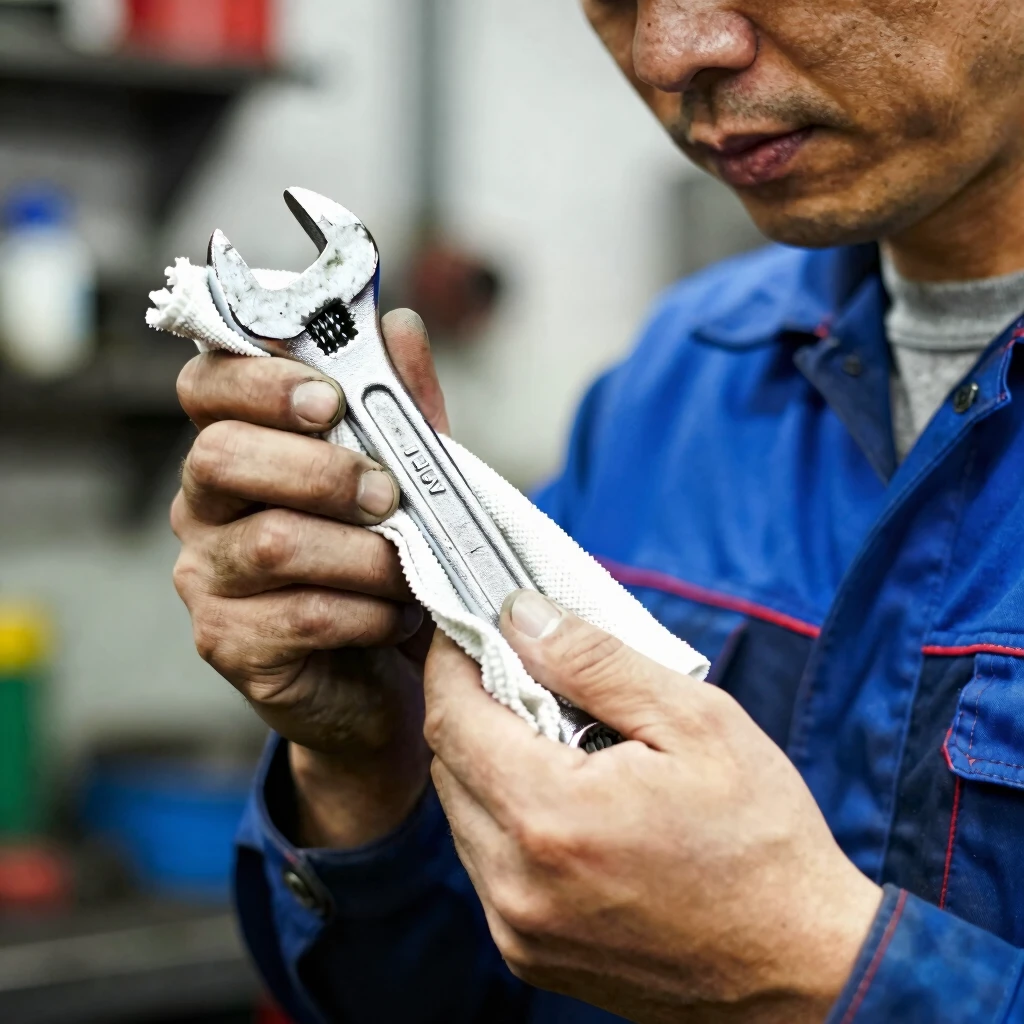
Never use a wrench as a hammer or pry bar—that damages it and risks injury. Good maintenance means your tools work reliably when you need them.
Building a Safety Culture
Safety starts with everyone. Report hazards without fear. Participate in safety meetings. Look out for your coworkers.
Employers should lead by example. Provide training, gear, and fix issues quickly. Workers who feel safe are more productive.
Statistics show progress: Workplace fatalities have dropped over the decades thanks to better standards. But there's still work to do. For current data, see OSHA's Commonly Used Statistics.
One more source worth checking is CDC's NIOSH topics on workplace safety, which offers research-backed insights.
Final Thoughts
Understanding workplace safety standards empowers you to protect yourself and others. Use the right safety gear essentials, maintain your tools like wrenches properly, and stay alert. Small habits make a big difference in preventing accidents.
Stay safe out there—your health is worth it.
Related Understanding Workplace Safety Standards:
- Personal Protective Equipment Basics for Beginners: Your Essential Guide to Staying Safe on the Job
- Top 10 Power Tools Every DIY Enthusiast Should Own
- Top 10 Industrial Automation Trends in 2025 - StartUs Insights
- Ergonomic Power Drills for Reduced Fatigue: Your Guide to Comfortable and Efficient Drilling
- Setting Up Your Workbench for Safety and Efficiency
- Women in DIY: Breaking Barriers with Power Tools
- Maintaining Your Power Tools: A Comprehensive Guide
- Essential Hand Tools Safety Guidelines for Safe and Effective Work
- Top 10 High-Quality Workman Tools for Professionals
- How to Choose the Best Plumbing Tools for Your Needs
- Ultimate Guide to Tool Storage Solutions for Workshops
- Innovative Workman Tools for Efficiency: Boosting Productivity on the Job Site