Overview
Hand tools are everyday essentials in workshops, construction sites, and homes. Yet, many people overlook the risks. Following proper hand tools safety guidelines helps you avoid common injuries like cuts, strains, or eye damage. This guide shares practical advice to keep you safe while using these reliable workman tools.

Why Hand Tools Safety Matters
You might think hand tools are simple and safe because they don't plug in or run on batteries. But misuse or poor maintenance causes thousands of injuries each year. According to OSHA, hazards from hand tools often stem from improper use and lack of care.
I've seen it firsthand in my early days on job sites. A coworker once swung a hammer with a loose head—it flew off and nearly hit someone. That experience taught me that even basic workman tools demand respect.
Common risks include flying debris hitting your eyes, slips causing cuts, or repetitive strain leading to long-term pain. By following hand tools safety guidelines, you reduce these dangers significantly.
Choose the Right Tool for the Job
Always pick the correct tool. Using a screwdriver as a pry bar or pliers instead of a wrench stresses the tool and your body.
Select tools that fit your hand comfortably. NIOSH recommends ergonomic designs to minimize awkward postures and reduce force needed Easy Ergonomics: A Guide to Selecting Non-Powered Hand Tools from CDC/NIOSH.
For example, opt for bent-handle pliers for better grip in tight spaces. This small choice prevents wrist strain over time.
Inspect Your Tools Regularly
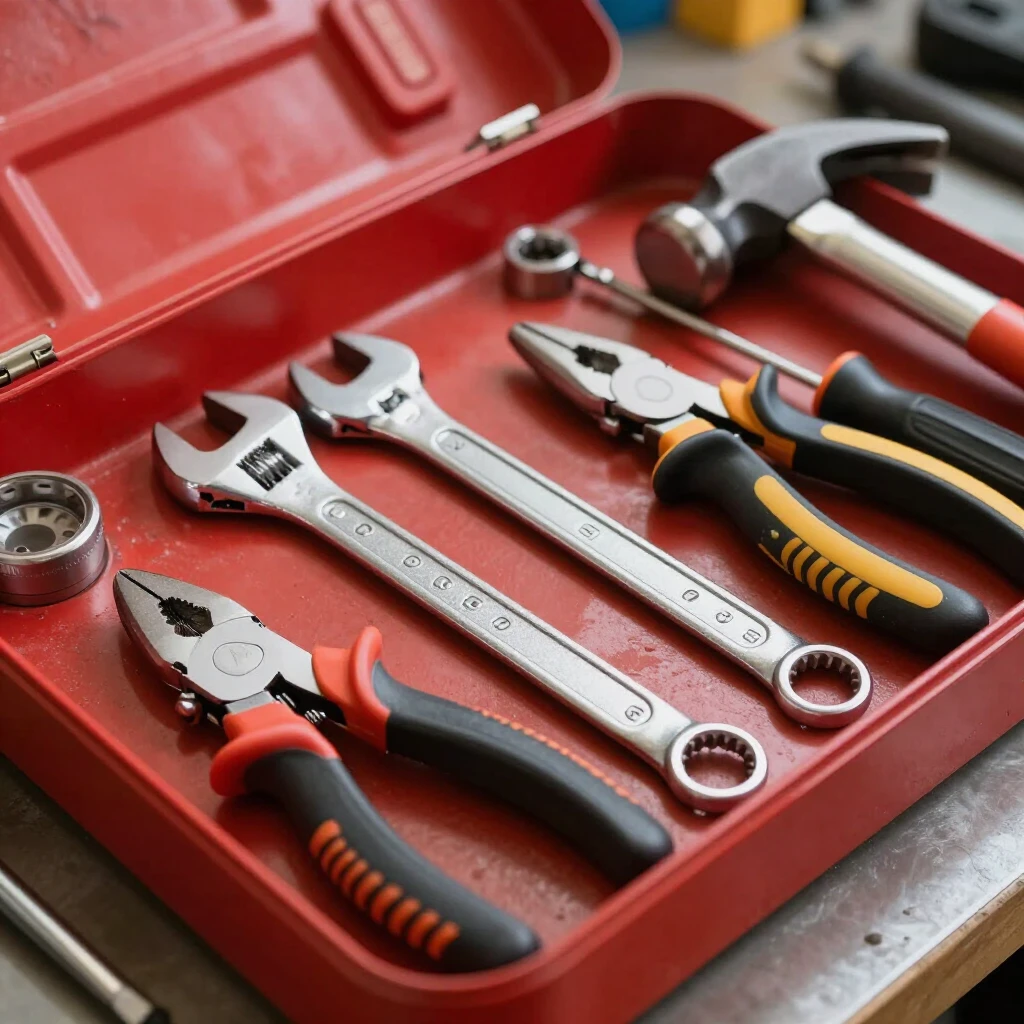
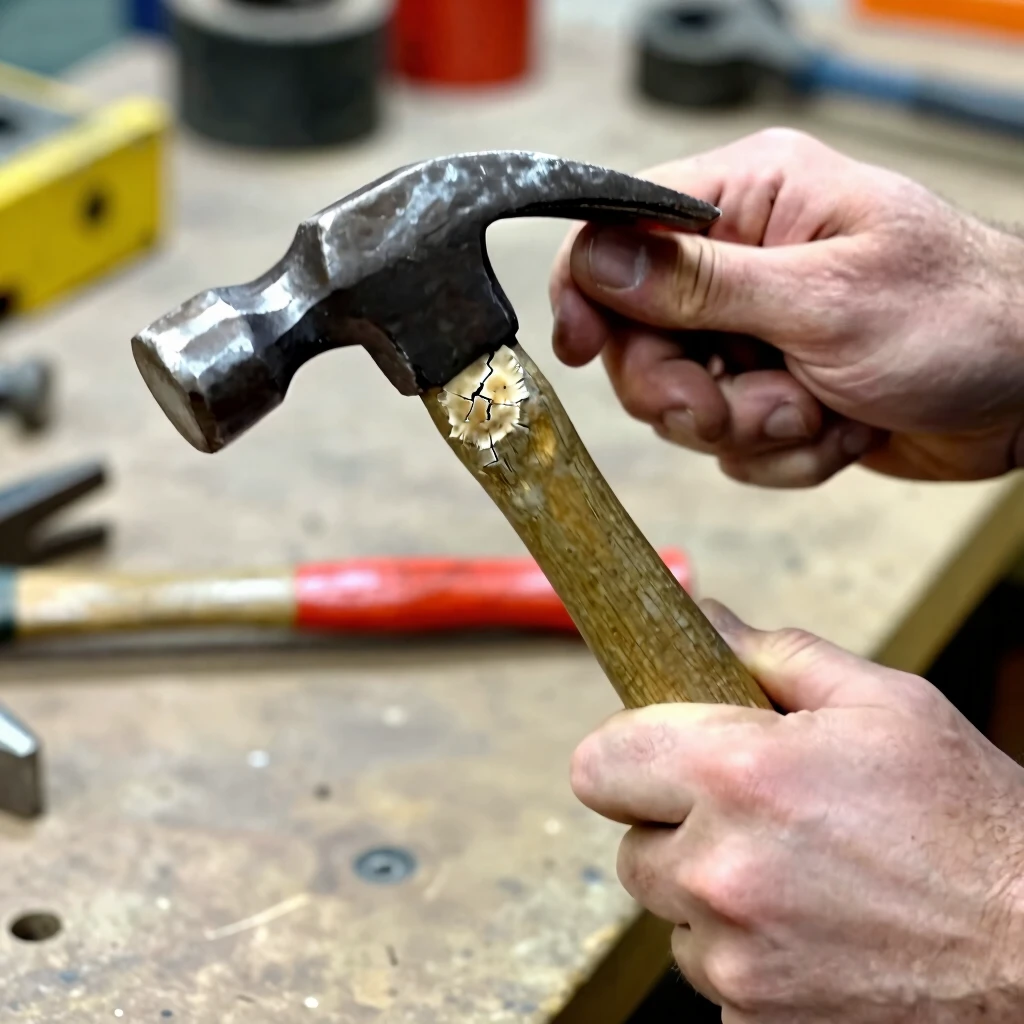
Before every use, check your hand tools. Look for cracks, splinters, or wear.
Key checks include: - Mushroomed heads on chisels or hammers—these can shatter and send pieces flying. - Loose handles that could come off mid-swing. - Dull blades that require extra force, increasing slip risks.
OSHA standards require keeping impact tools free of mushroomed heads and wooden handles splinter-free OSHA 1926.301 - Hand tools.
In my garage, I make it a habit to inspect tools weekly. Once, I spotted a cracked screwdriver handle and replaced it—saved me from a potential jab.
Use Personal Protective Equipment (PPE)
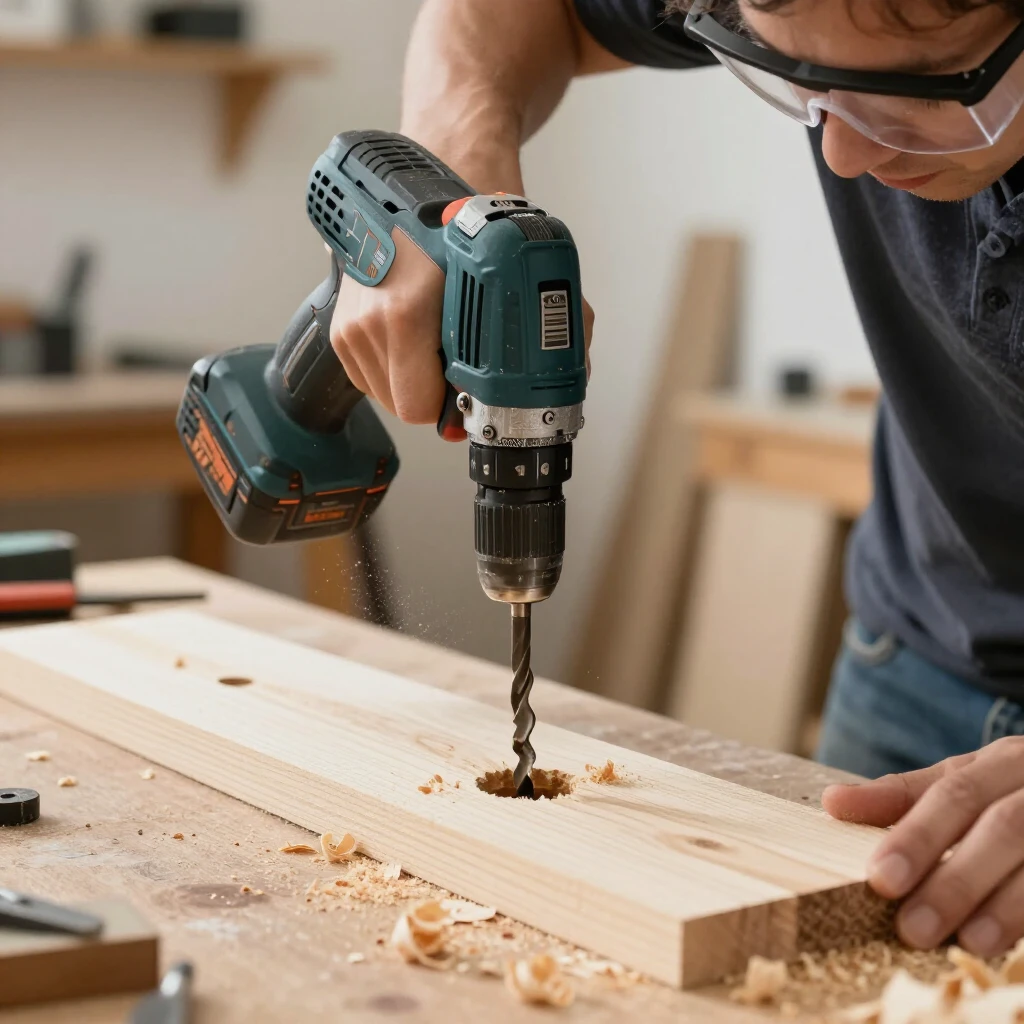
Never skip PPE. It forms your first line of defense.
Essential items: - Safety glasses or goggles: Protect against flying particles. - Gloves: Choose cut-resistant ones, but avoid loose fits around moving parts. - Sturdy boots: Guard against dropped tools.
For striking tools, add a face shield if needed. OSHA emphasizes wearing appropriate PPE to shield from debris OSHA Hand and Power Tools Booklet.
I always wear glasses now after a chip flew into my eye years ago. It was a minor scare, but it changed my habits forever.
Proper Handling and Use Techniques
Hold tools correctly and use them as intended.
Here are key tips: 1. Carry pointed tools downward and pass them handle-first. 2. Cut away from your body with knives or chisels. 3. Keep a firm grip but avoid oily hands. 4. Secure workpieces in a vise for small jobs. 5. Strike squarely—glancing blows cause slips.
Never throw tools or use cheaters on wrenches. These actions turn reliable hand tools into hazards.
Maintenance and Storage Best Practices
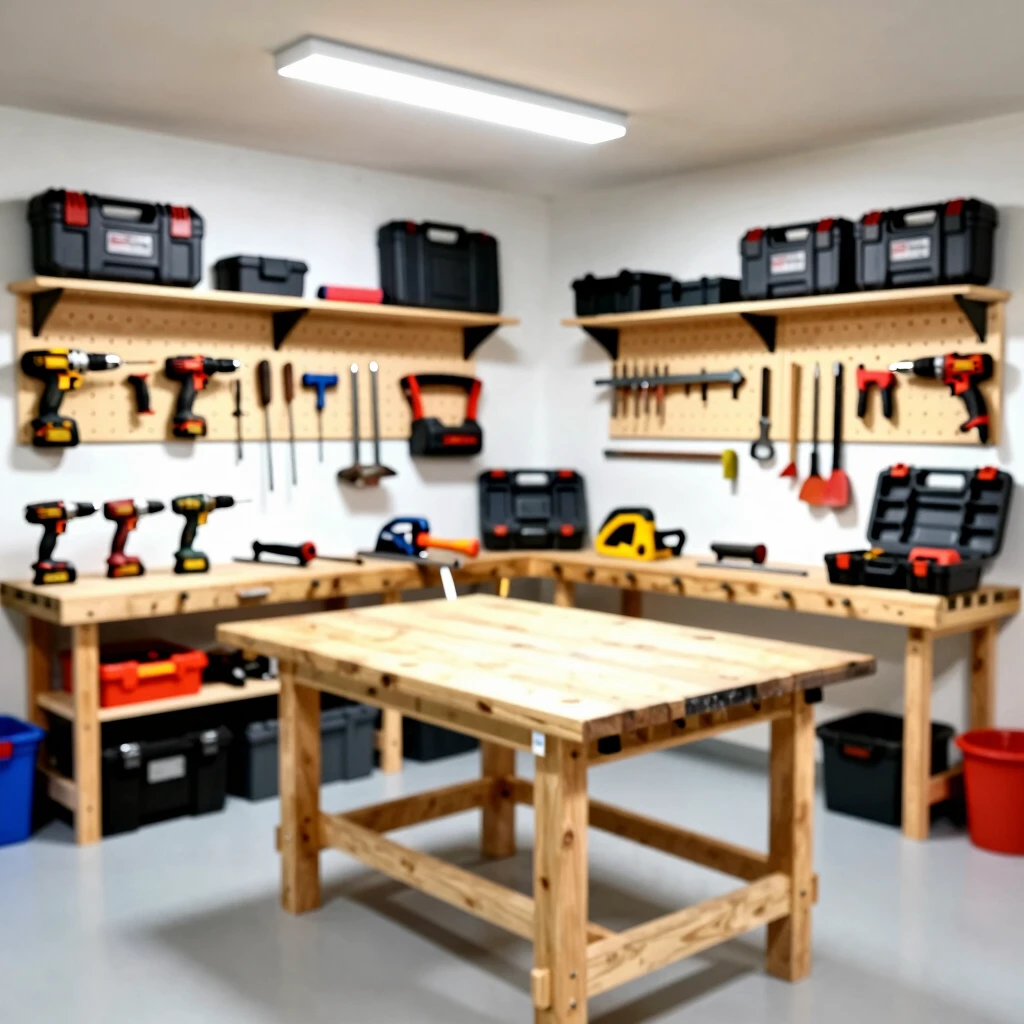
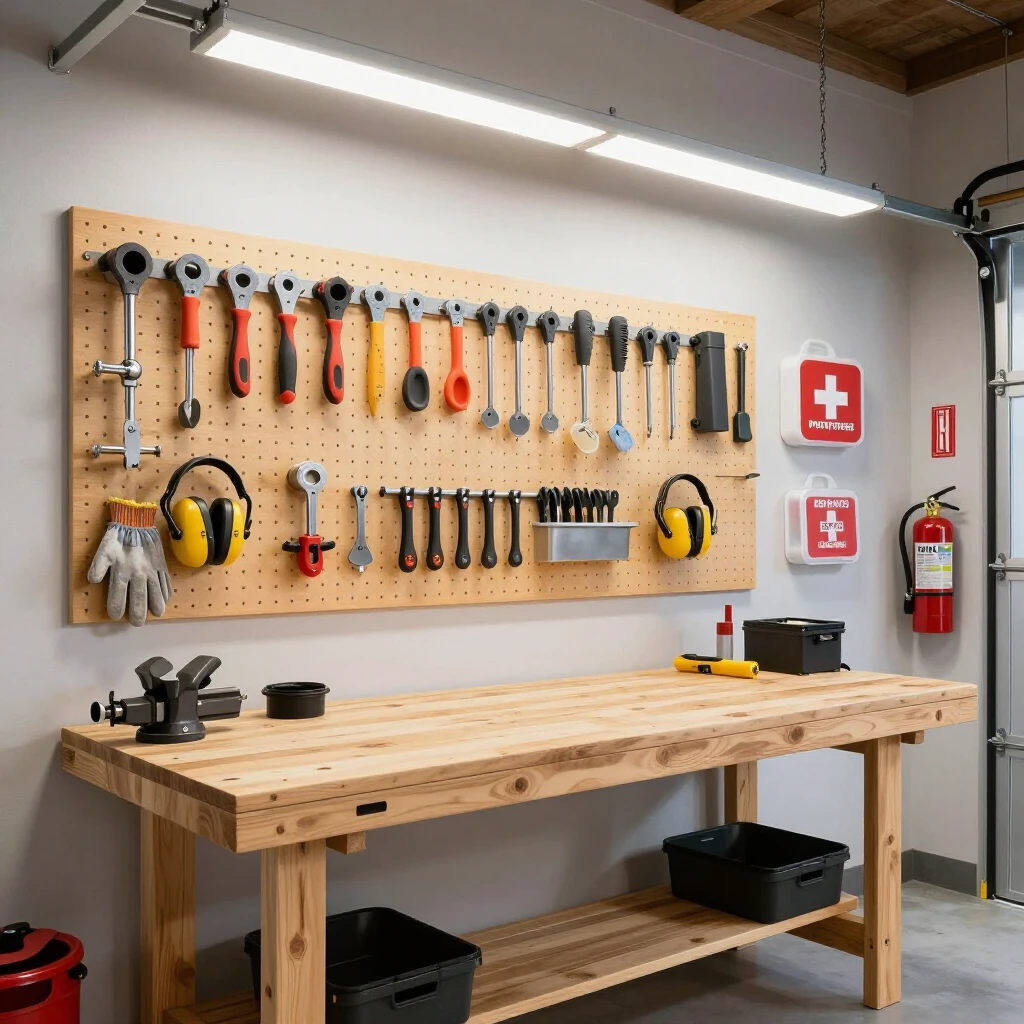
Clean tools after use and store them properly.
- Wipe off dirt and oil.
- Sharpen cutting edges regularly.
- Store in a dry toolbox to prevent rust.
- Organize so sharp edges don't poke out.
Good maintenance extends tool life and safety. A dull tool forces you to push harder, raising injury odds.
Ergonomics: Prevent Long-Term Injuries
Repetitive use strains muscles and joints. Choose tools with padded grips and keep wrists straight.
NIOSH guidelines highlight reducing force, awkward positions, and vibration A Guide to Selecting Non-Powered Hand Tools.
Take breaks during long sessions. I've dealt with sore wrists from poor tool choices—switching to ergonomic handles made a huge difference.
Common Mistakes to Avoid
Many injuries happen from simple errors: - Using damaged tools. - Working in cluttered spaces. - Ignoring PPE. - Forcing tools beyond their design.
Stay alert and focused. Fatigue leads to careless moves.
Final Thoughts
Hand tools safety guidelines boil down to preparation, respect, and consistency. Inspect, protect yourself, and use tools right—you'll work efficiently without unnecessary risks.
These practices, backed by experts at OSHA and NIOSH, keep workshops safe. Start applying them today for fewer close calls and more productive days.
Related hand tools safety guidelines:
- Personal Protective Equipment Guide for DIY Projects: Stay Safe While You Build
- Common Workshop Injuries and How to Prevent Them
- How to Choose Ergonomic Hand Tools for Comfort
- Top 10 High-Quality Workman Tools for Professionals
- How to Choose the Best Plumbing Tools for Your Needs
- Ultimate Guide to Tool Storage Solutions for Workshops
- Innovative Workman Tools for Efficiency: Boosting Productivity on the Job Site
- Ultimate Guide to Drill Bits and Accessories
- Advanced Techniques: Installing New Pipes and Fixtures
- Power Tool Care: Keep Them Running Longer
- Essential Workman Tools for Plumbing and Maintenance: A Complete Guide
- DIY Workshop Safety Tips for Beginners: Build Safely and Confidently