Quick Overview
Choosing the right plumbing tools can turn frustrating leaks and clogs into quick fixes. This guide helps you pick reliable workman tools for plumbing projects, whether you're a beginner or tackling bigger jobs. You'll save money and gain confidence handling common issues at home.
Plumbing problems happen to everyone. A dripping faucet, a slow drain, or a running toilet can disrupt your day. Many homeowners call a pro right away, but with the right tools, you can handle a lot yourself.
I've fixed plenty of leaks in my own home over the years. Starting with basic tools made all the difference. Now, I tackle most issues without waiting for help. This article shares what I've learned about choosing the right tools for your plumbing needs.
Knowing a few basics goes a long way. For example, this Beginner’s Guide to Fixing Common Plumbing Issues from This Old House experts covers essential first steps and tools.
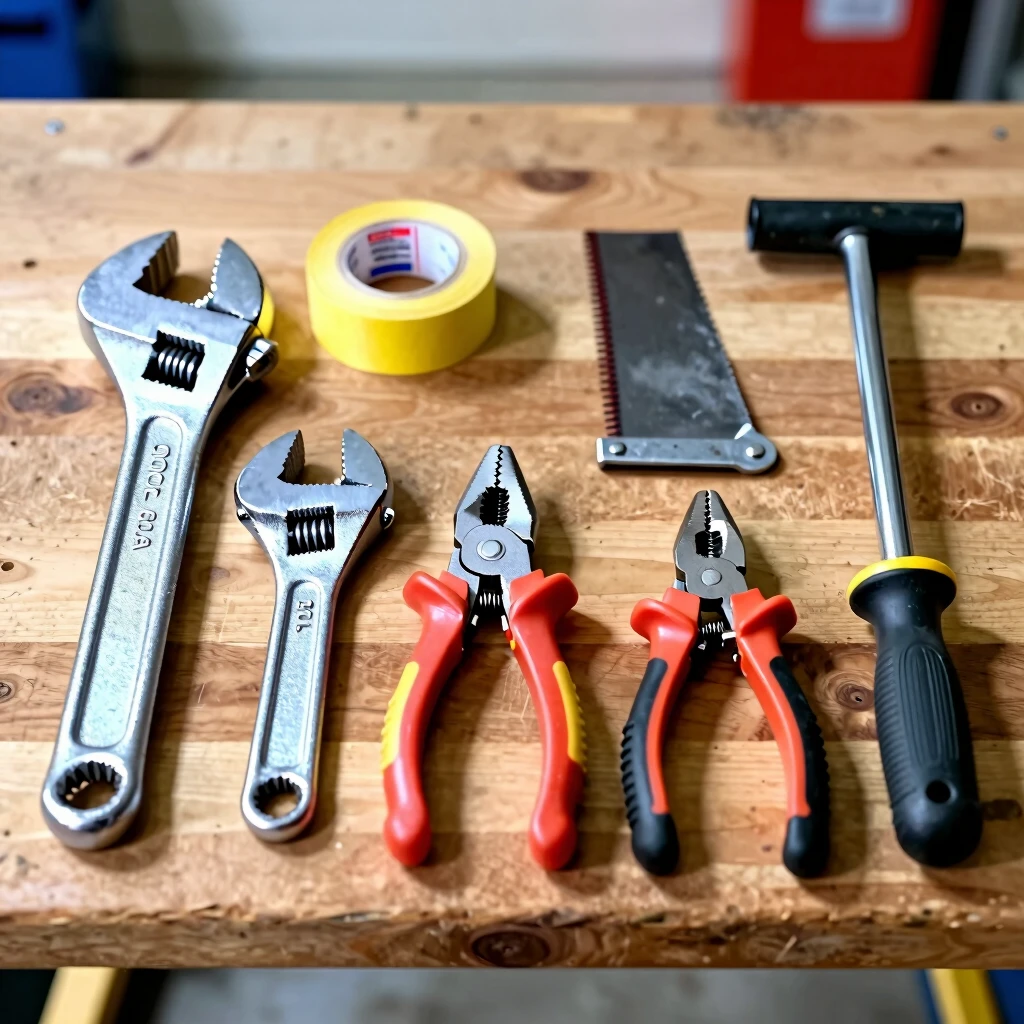
Why the Right Tools Matter
Good tools make jobs easier and safer. Cheap ones break quickly or damage pipes, leading to bigger problems. Invest in quality from the start.
Think about your needs first. Do you just want to fix occasional clogs? Or plan to replace faucets and fixtures? Choosing the right tools for your plumbing needs starts with matching them to the tasks you face most.
Quality also means durability. Tools from trusted brands last longer and grip better. As plumbing expert Richard Trethewey notes in his recommendations, sturdy construction prevents slips and injuries.
Assessing Your Skill Level and Projects
Be honest about your experience. Beginners should start small.
If you're new, focus on tools for simple fixes like unclogging drains or tightening connections. As you gain confidence, add more specialized items.
Common beginner projects include: - Clearing toilet or sink clogs - Fixing leaky faucets - Replacing showerheads - Tightening loose pipes
For these, you don't need pro-level gear. But skipping key items leads to frustration. I've been there—trying to force a job with the wrong wrench only makes things worse.
Top 10 Plumbing Tools Every DIYer Should Own
Here's my list of must-haves. These cover 90% of home plumbing tasks.
1. Plunger
A good plunger clears most clogs fast. Choose a flange style for toilets—it creates a better seal.
2. Drain Auger (Snake)
For tougher clogs, a 25-foot snake reaches deep into pipes without chemicals.
3. Adjustable Wrench
Versatile for nuts and bolts of different sizes. Get one with cushioned handles for comfort.
4. Pipe Wrench
Essential for gripping pipes. Have at least two sizes—10-inch and 14-inch—for leverage.
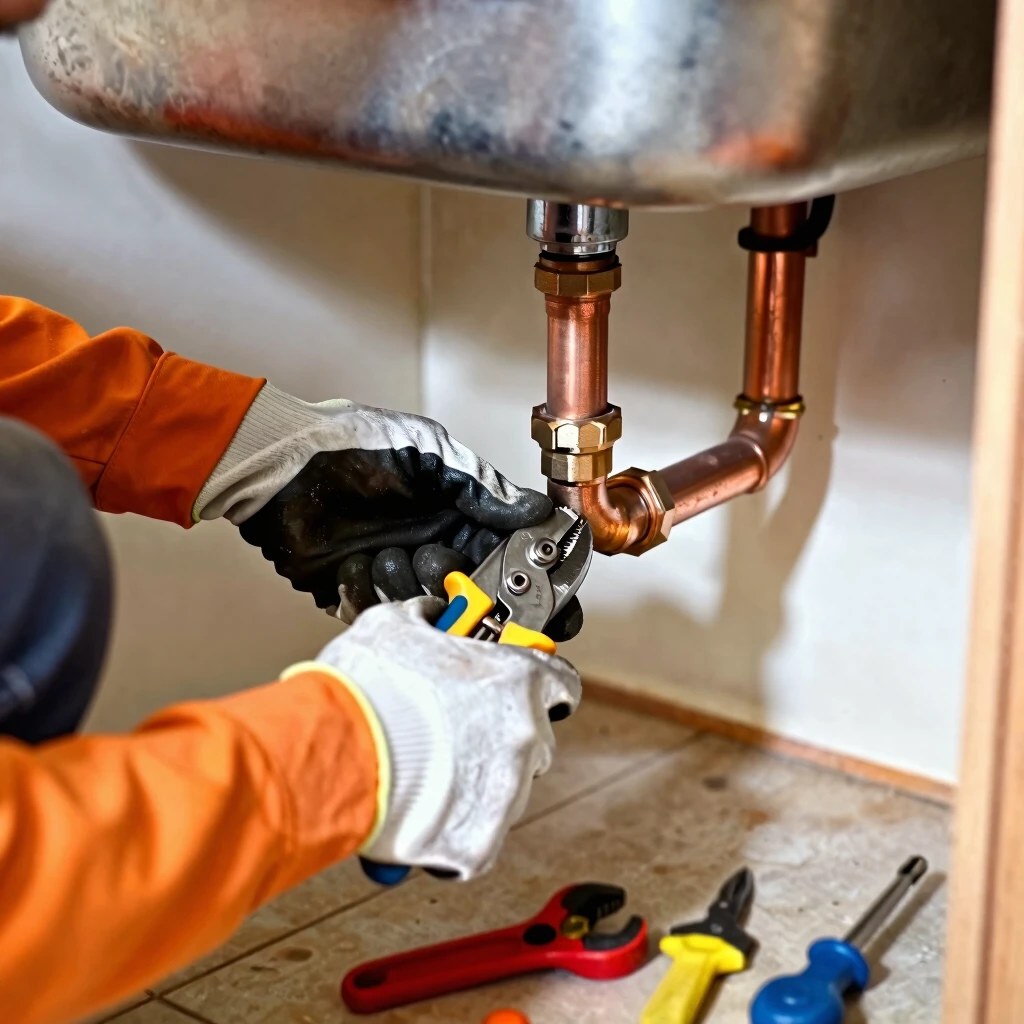
5. Tongue-and-Groove Pliers (Channel Locks)
Great for turning fittings. Multiple adjustment positions make them handy.
6. Basin Wrench
Reaches tight spots under sinks to tighten or loosen faucet nuts.
7. Hacksaw
Cuts metal or plastic pipes when needed. Keep extra blades on hand.
8. Tubing Cutter
Makes clean cuts on copper or PEX pipes—much better than a hacksaw for precision.
9. Plumber's Tape (Teflon Tape)
Seals threaded connections to prevent leaks. Always wrap in the right direction.
10. Bucket and Gloves
Not fancy, but a 5-gallon bucket catches drips, and gloves keep your hands clean and safe.
This list aligns with recommendations from trusted sources like This Old House's plumbing essentials for beginners and Bob Vila's emergency plumbing tools guide.

Factors to Consider When Buying Tools
- Material and Build: Look for forged steel wrenches that won't strip.
- Comfort: Padded handles reduce fatigue on longer jobs.
- Size Variety: Sets give flexibility for different pipe diameters.
- Brand Reputation: Stick to known names for reliability.
- Price vs. Value: Mid-range tools often perform best for DIYers.
Read reviews and check warranties. Tools that feel solid in your hand usually perform well.
Building Your Toolkit Step by Step
Start with the basics: plunger, adjustable wrench, pliers, and tape. These handle urgent issues.
Next, add a pipe wrench and basin wrench for fixture work.
Finally, include cutters and a snake for more involved repairs.
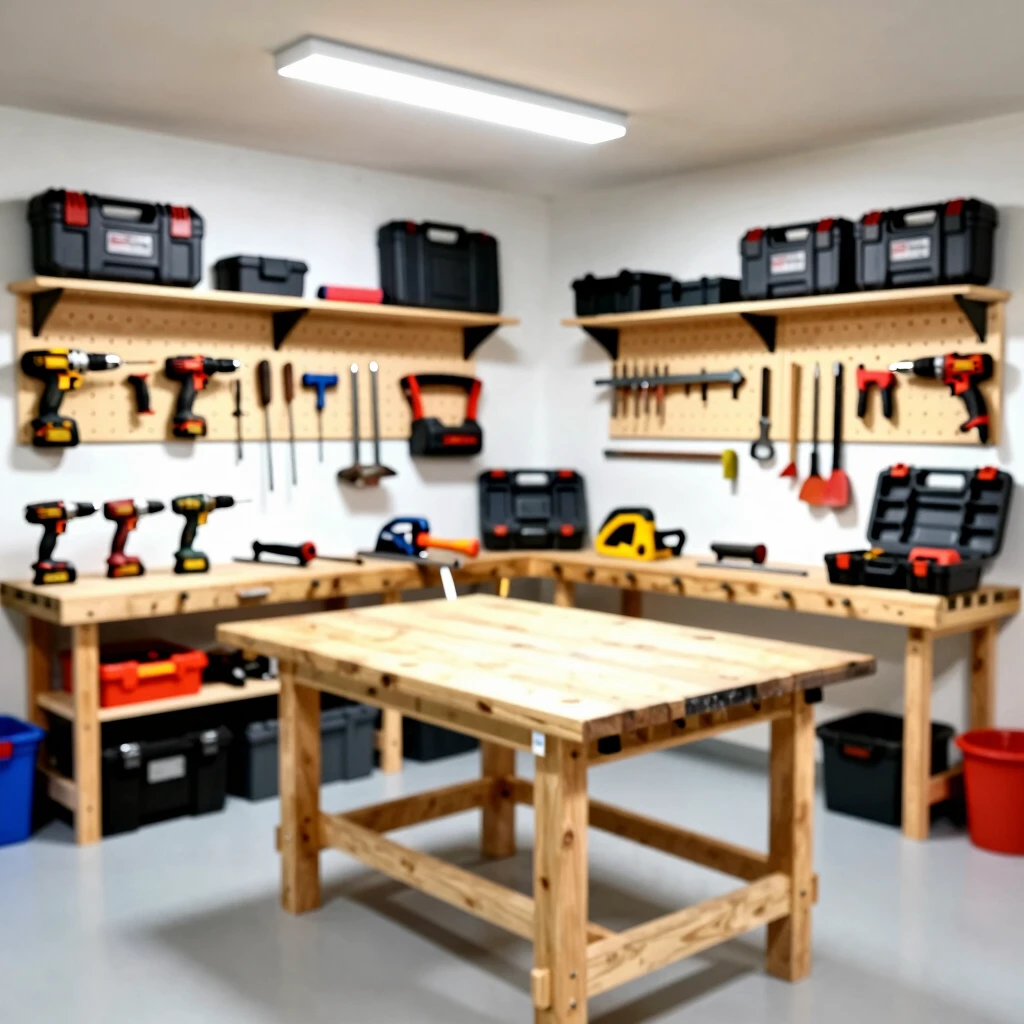
Store everything in a dedicated toolbox. It keeps workman tools for plumbing projects organized and ready.
Safety Tips and Best Practices
Always turn off water before starting. Know your main shutoff valve location.
Wear gloves and eye protection. Pipes can be slippery, and debris flies.
Don't force tools—if it doesn't turn easily, you're likely doing something wrong.

When to Call a Professional
DIY is great, but know your limits. Major repiping, gas lines, or sewer issues need experts.
Fixing small problems yourself builds skills and saves money over time.
Final Thoughts
How to choose the best plumbing tools for your needs comes down to matching tools to your projects and skill level. Start simple, buy quality, and build from there.
With these tools, you'll handle most home plumbing confidently. It's empowering to fix things yourself—and your wallet will thank you.
For more hands-on advice, check out resources from Family Handyman on pro plumber toolboxes.
Related How to Choose the Best Plumbing Tools for Your Needs:
- Common Drain Clog Remedies for Homeowners: Easy Fixes and Prevention Tips
- Ultimate Guide to Tool Storage Solutions for Workshops
- Innovative Workman Tools for Efficiency: Boosting Productivity on the Job Site
- Ultimate Guide to Drill Bits and Accessories
- Advanced Techniques: Installing New Pipes and Fixtures
- Power Tool Care: Keep Them Running Longer
- Essential Workman Tools for Plumbing and Maintenance: A Complete Guide
- DIY Workshop Safety Tips for Beginners: Build Safely and Confidently
- The Importance of High-Visibility Workwear
- Top 10 Accessories for Your Power Drill That Will Transform Your DIY Projects
- Essential Workshop Equipment Maintenance Tips for Longevity and Safety
- How to Choose the Right Oil for Your Car: A Beginner’s Guide