Overview
Keeping your workshop organized can transform chaotic spaces into efficient hubs for creativity and productivity. This guide covers tool storage solutions for workshops, from basic setups to advanced systems, helping you choose the right options for your needs.
Workshops are where ideas come to life. Whether you're a hobbyist fixing up old cars or a professional carpenter building custom furniture, having the right tools at hand matters. But without good storage, those tools can turn your space into a mess. I've spent years in various workshops, from small garage setups to larger professional ones, and I've learned that smart tool storage solutions for workshops make all the difference. They save time, reduce frustration, and even prevent accidents.
Let's start with the basics. Why bother with organized storage? Clutter leads to lost tools, which means wasted time searching. It also increases risks, like tripping over scattered items. Good storage keeps everything in place, so you focus on the work. In my experience, a well-organized workshop boosts my output by at least 30%. You grab what you need without digging through piles.

Types of Tool Storage Solutions
There are many ways to store tools, each suited to different spaces and needs. Let's break them down.
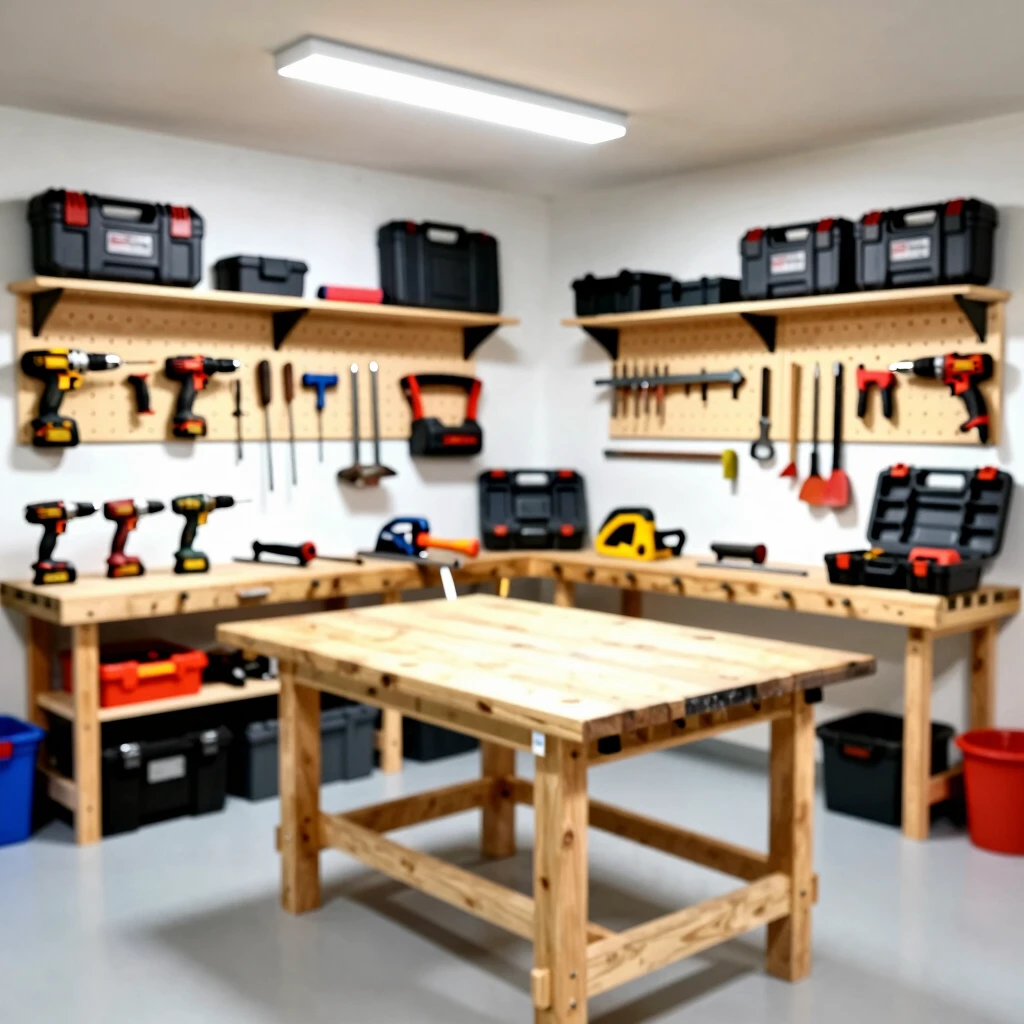
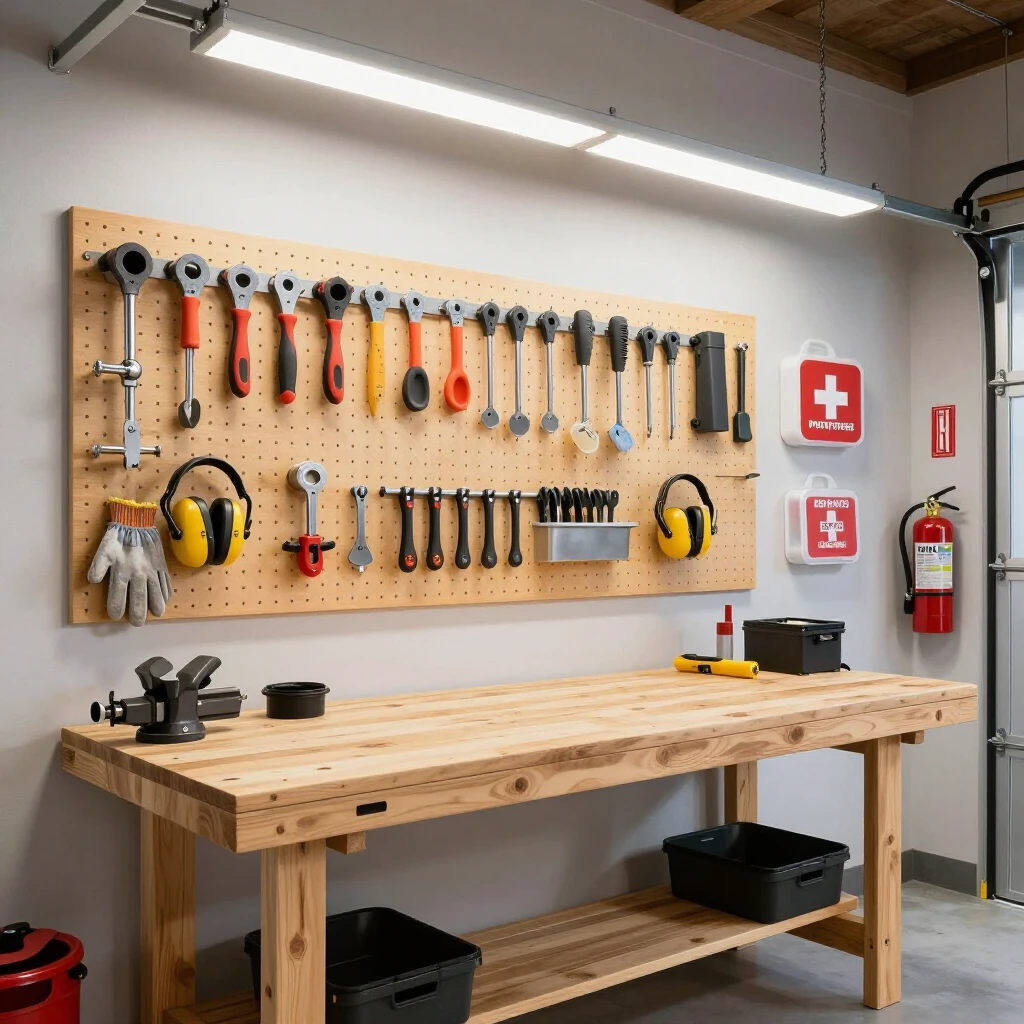
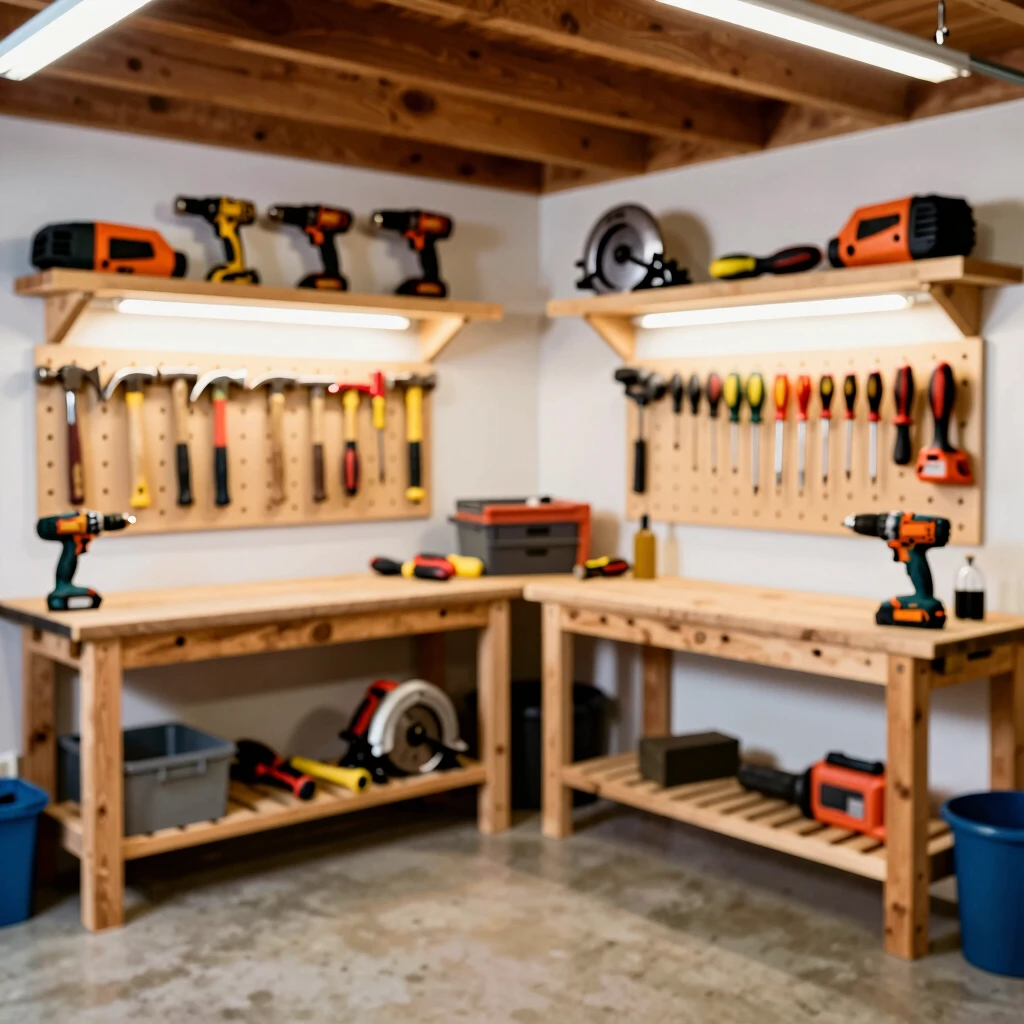
First, wall-mounted systems like pegboards. These are affordable and versatile. You hang hooks, shelves, and bins on a perforated board. I love pegboards because they use vertical space, keeping floors clear. Outline your tools on the board to see at a glance if something's missing.
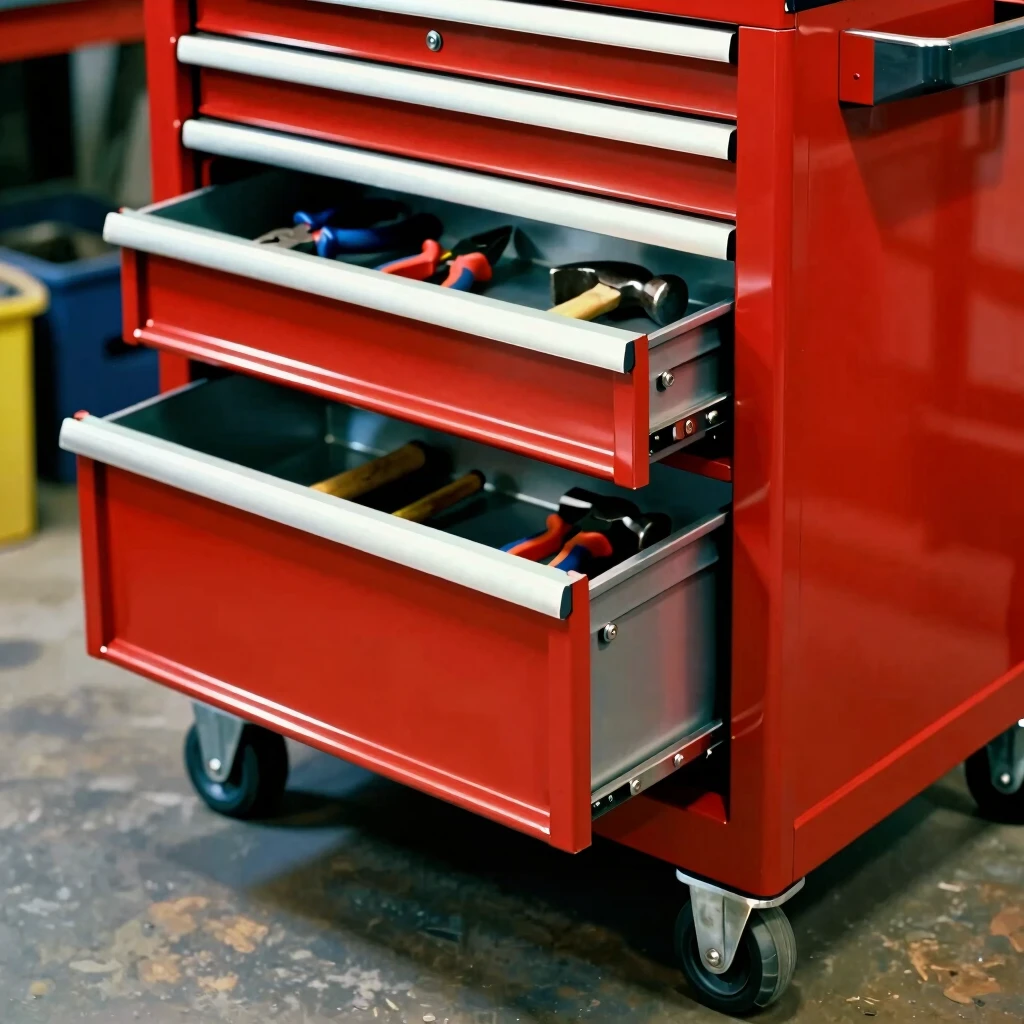
Next, tool cabinets and chests. These come in metal or plastic, with drawers for smaller items. Rolling cabinets are great for mobility—you wheel them to your project. For larger workshops, stackable units save floor space. I've used a rolling cabinet for years; it holds my workman tools like hammers, screwdrivers, and pliers neatly sorted.
Shelving units are another staple. Open shelves for bulky items, closed ones for dust protection. Adjustable shelves let you customize heights. In tight spaces, corner shelves maximize every inch.
Don't forget portable options like toolboxes and bags. Ideal for on-the-go work, they keep essentials together. A sturdy toolbox with compartments prevents rattling and damage.
For a quick comparison, here's a table of common storage types:
| Type | Pros | Cons | Best For |
|---|---|---|---|
| Pegboard | Versatile, visible, cheap | Limited weight, needs wall space | Small tools, frequent access |
| Cabinet | Secure, organized drawers | Can be heavy, expensive | Valuable or sharp tools |
| Shelving | Customizable, open access | Dust accumulation | Bulky items, storage rooms |
| Toolbox | Portable, compact | Limited capacity | Mobile workers, essentials |
Focus on Workbenches
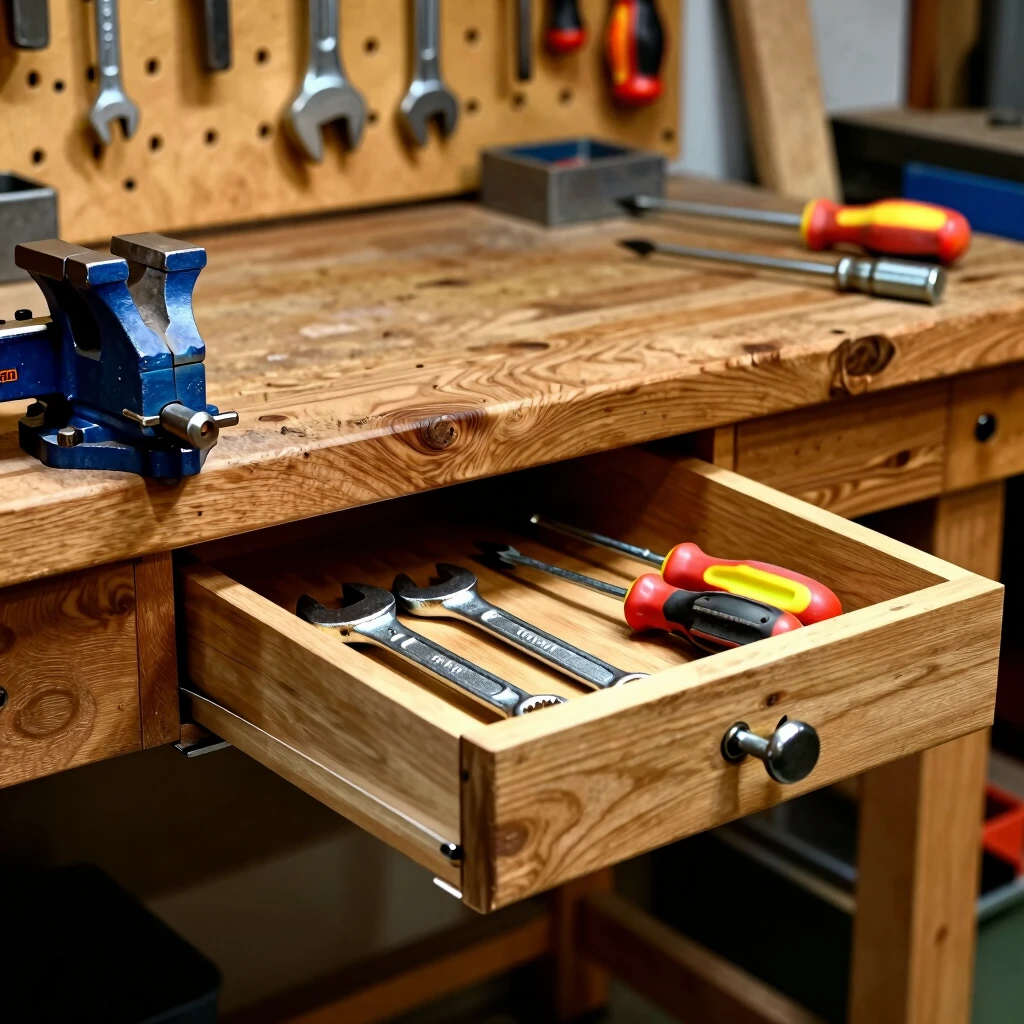
A good workbench is the heart of any workshop. It's where you assemble, cut, and create. When choosing one, consider features to look for in a workbench like stability, surface material, and built-in storage.
Stability comes first. Look for heavy-duty frames, often steel or solid wood, to handle pounding and heavy loads. Adjustable height is a plus for comfort—standing too low strains your back. I once built a custom bench at 36 inches tall, perfect for my height.
Surface matters too. Hardwood like maple resists dents, while laminate is easy to clean. Some have vises or clamps integrated, saving setup time.
Storage in workbenches is key. Drawers under the top keep small parts handy. Pegboard backs or shelves above add more options. For specs on robust workbenches, check out the workbench specifications from the University of Michigan's Duderstadt Center, which highlights features like large work surfaces and tool integration.
Other features: Power strips for plugged-in tools, lighting mounts for better visibility, and wheels for mobility. Mobile workbenches let you rearrange your space easily.
Here's a list of top features to look for in a workbench: - Sturdy construction (steel or hardwood) - Adjustable height (30-40 inches) - Ample surface area (at least 4x6 feet) - Integrated storage (drawers, shelves) - Vise or clamp mounts - Good lighting and power access
Organizing Your Tools Effectively
Once you have storage, organization is next. Group tools by type: hand tools together, power tools on one shelf. Label everything—drawers, bins, shelves. I use color-coded labels: red for cutting tools, blue for measuring.
Use foam inserts in drawers to create custom slots. This prevents shifting and makes inventory easy. For safety, store sharp items in protective cases.
Maintain your system. At the end of each session, return tools to their spots. It takes discipline but pays off. From my workshops, a clean end-of-day routine cuts setup time next morning.
For best practices, the Experimental Aircraft Association shares workshop observations and tips that apply to any setup, like practical layouts to improve flow.
Advanced Storage Ideas
For bigger workshops, consider modular systems. These let you add units as your collection grows. Magnetic strips on walls hold metal tools securely.
Custom builds offer perfect fits. I've made wall racks for specific saws, saving space. If you're handy, DIY solutions cut costs.
Tech integrations like inventory apps track tools. Scan items in and out to avoid losses.
Safety ties into storage. Keep hazardous materials locked. Proper ventilation for chemicals is crucial.
To boost productivity at your bench, the Gemological Institute of America offers tips on improving workbench efficiency, like using timers for focused work sessions.
Common Mistakes to Avoid
Don't overbuy storage—start small and expand. Mix open and closed storage for balance. Regularly declutter; donate unused tools.
Budget wisely. Quality lasts longer than cheap options that break.
Wrapping Up
Tool storage solutions for workshops turn disorganized areas into productive spaces. Focus on versatile options, solid workbenches, and consistent organization. With these tips, you'll work smarter and enjoy the process more.
Related Tool Storage Solutions for Workshops:
- Innovative Workman Tools for Efficiency: Boosting Productivity on the Job Site
- Ultimate Guide to Drill Bits and Accessories
- Advanced Techniques: Installing New Pipes and Fixtures
- Power Tool Care: Keep Them Running Longer
- Essential Workman Tools for Plumbing and Maintenance: A Complete Guide
- DIY Workshop Safety Tips for Beginners: Build Safely and Confidently
- The Importance of High-Visibility Workwear
- Top 10 Accessories for Your Power Drill That Will Transform Your DIY Projects
- Essential Workshop Equipment Maintenance Tips for Longevity and Safety
- How to Choose the Right Oil for Your Car: A Beginner’s Guide
- A Beginner’s Guide to Building Your Construction Tool Kit
- Troubleshooting Power Washer Problems: A Complete Guide