Overview
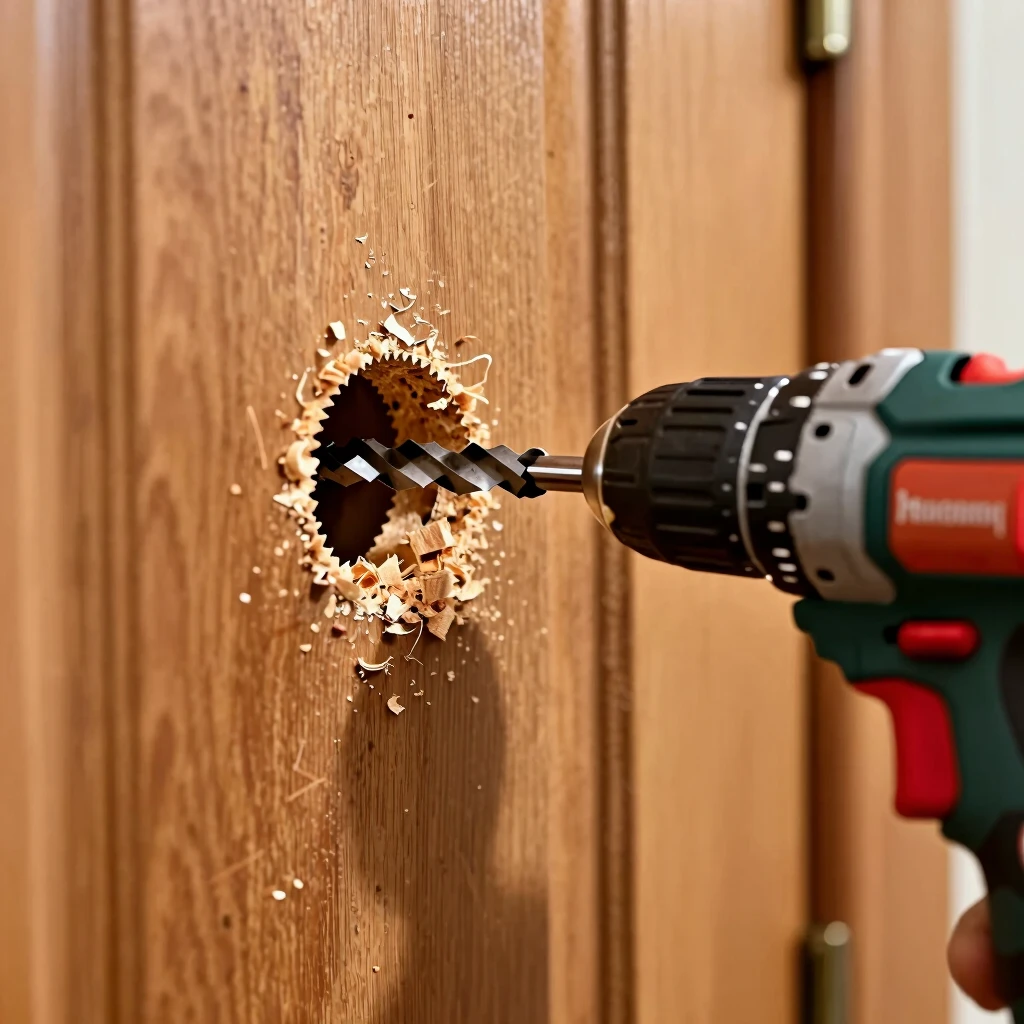
Starting a DIY workshop is exciting, but safety always comes first. This guide shares practical DIY workshop safety tips for beginners, helping you avoid common mistakes while setting up an organized, efficient space with the right tools.
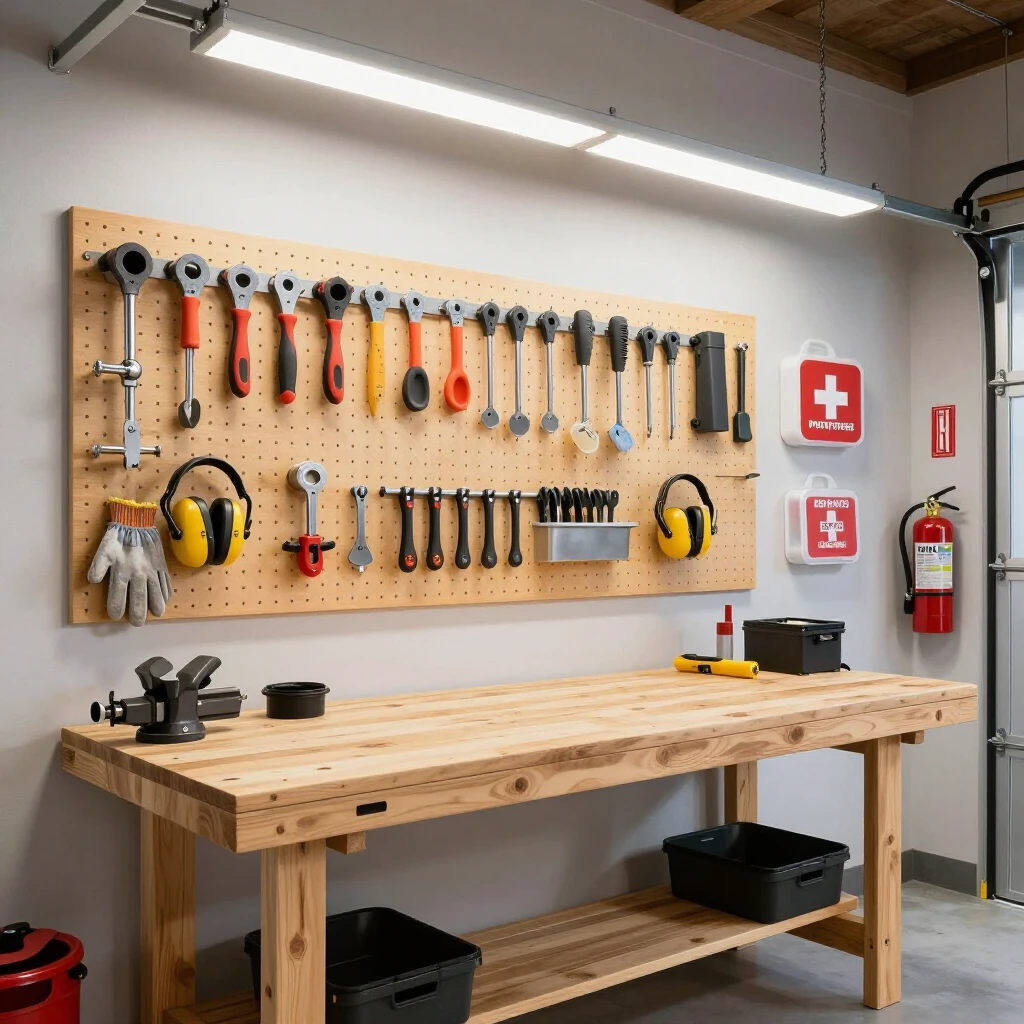
Why Safety Matters in Your DIY Workshop
Every year, thousands of beginners end up in the emergency room because they skipped basic precautions. I learned this the hard way early on—a small cut turned into a bigger problem because I wasn’t wearing gloves. Protecting yourself isn’t about fear; it’s about enjoying your projects longer.
Follow these core DIY workshop safety tips for beginners to stay safe:
- Wear proper personal protective equipment (PPE) every time—no exceptions.
- Keep your workspace clean and organized to prevent trips and accidents.
- Understand your tools before using them.
- Work in a well-ventilated area, especially with paints, solvents, or dust-producing tools.
- Never rush—haste leads to mistakes.
Essential Personal Protective Equipment (PPE)
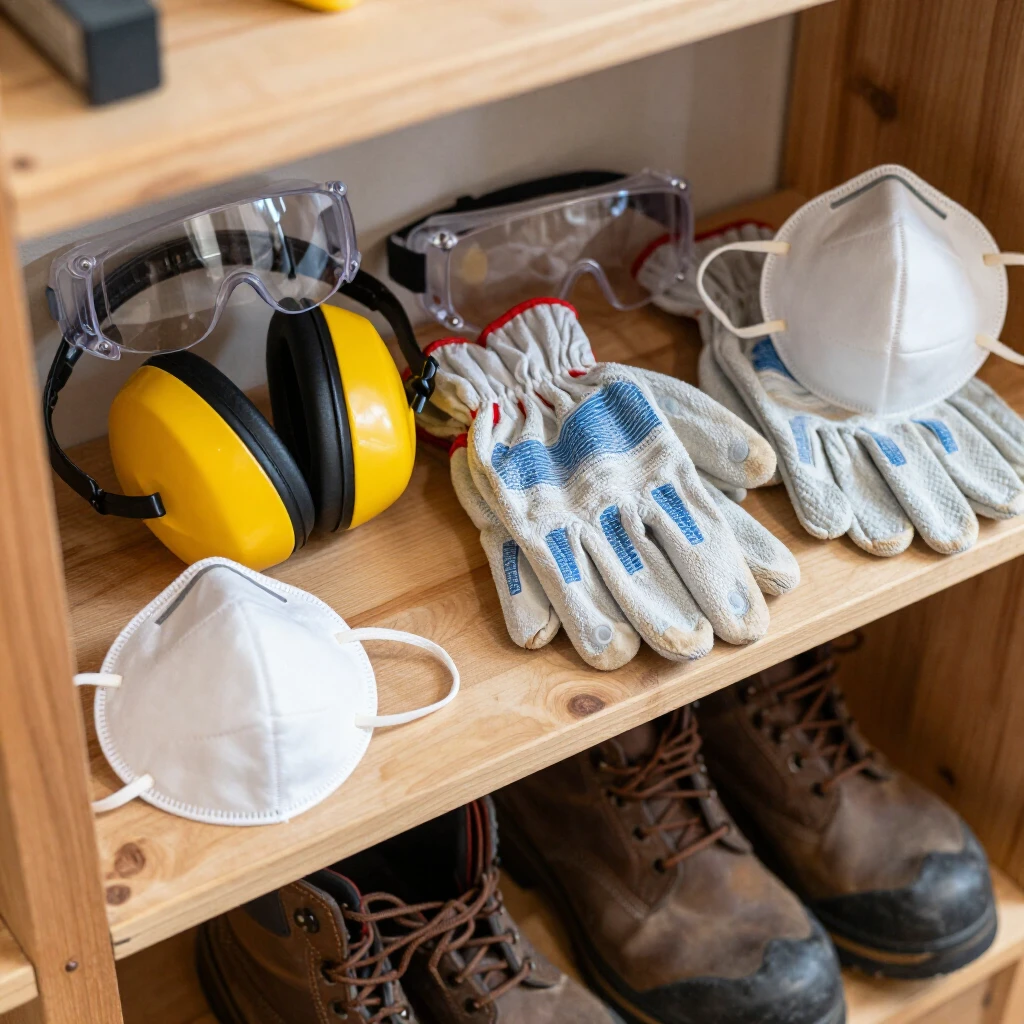
Start with the basics. Invest in quality gear and actually use it.
| Item | When to Use | Why It Matters |
|---|---|---|
| Safety glasses/goggles | Anytime you're cutting, sanding, or drilling | Protects eyes from flying debris |
| Dust mask or respirator | Sanding, painting, or working with chemicals | Prevents inhaling harmful particles |
| Hearing protection | Using loud power tools | Saves your hearing over time |
| Work gloves | Handling rough materials or sharp tools | Prevents cuts and splinters |
| Closed-toe sturdy shoes | Always in the workshop | Protects feet from dropped objects |
Pro tip: Keep your PPE in the same spot every time you finish a session. Hanging them on a dedicated hook makes it easy to grab them on the way in.
How to Organize Your Workshop Like a Pro
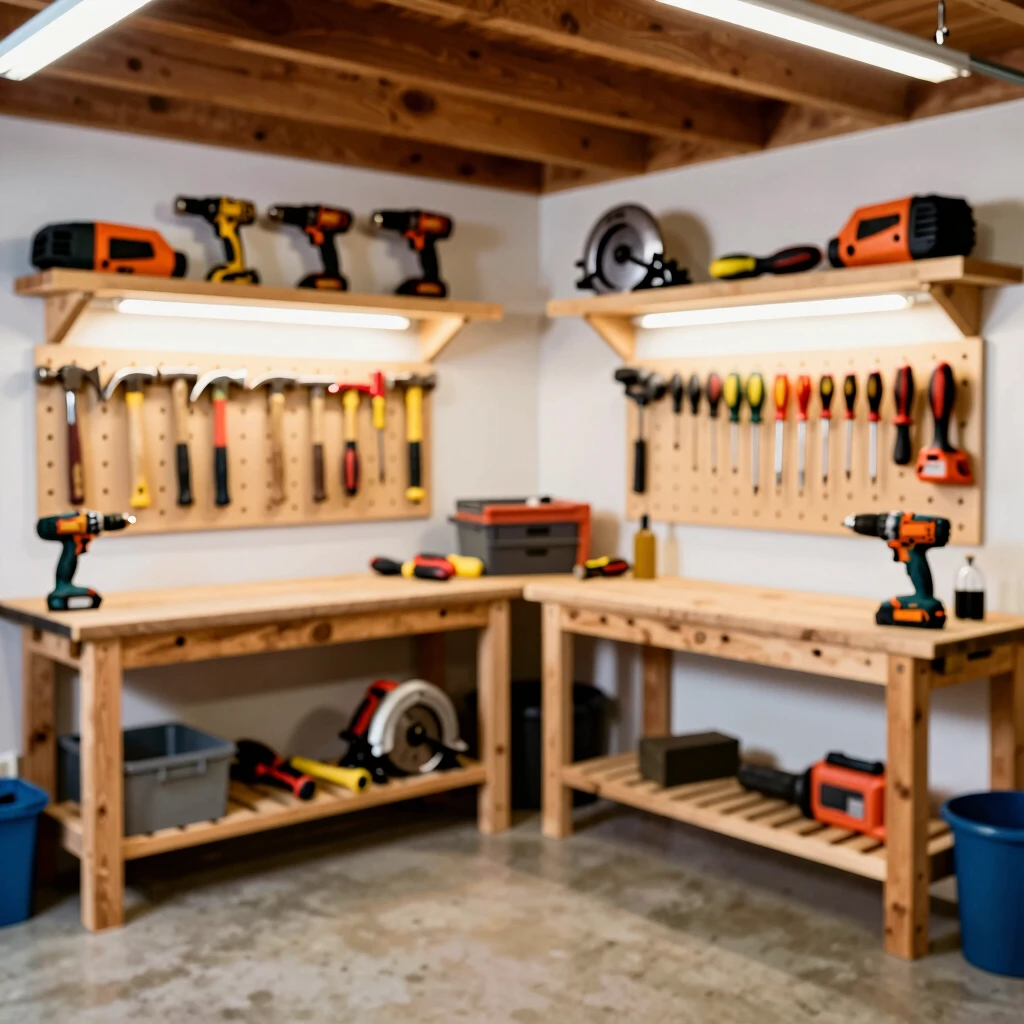
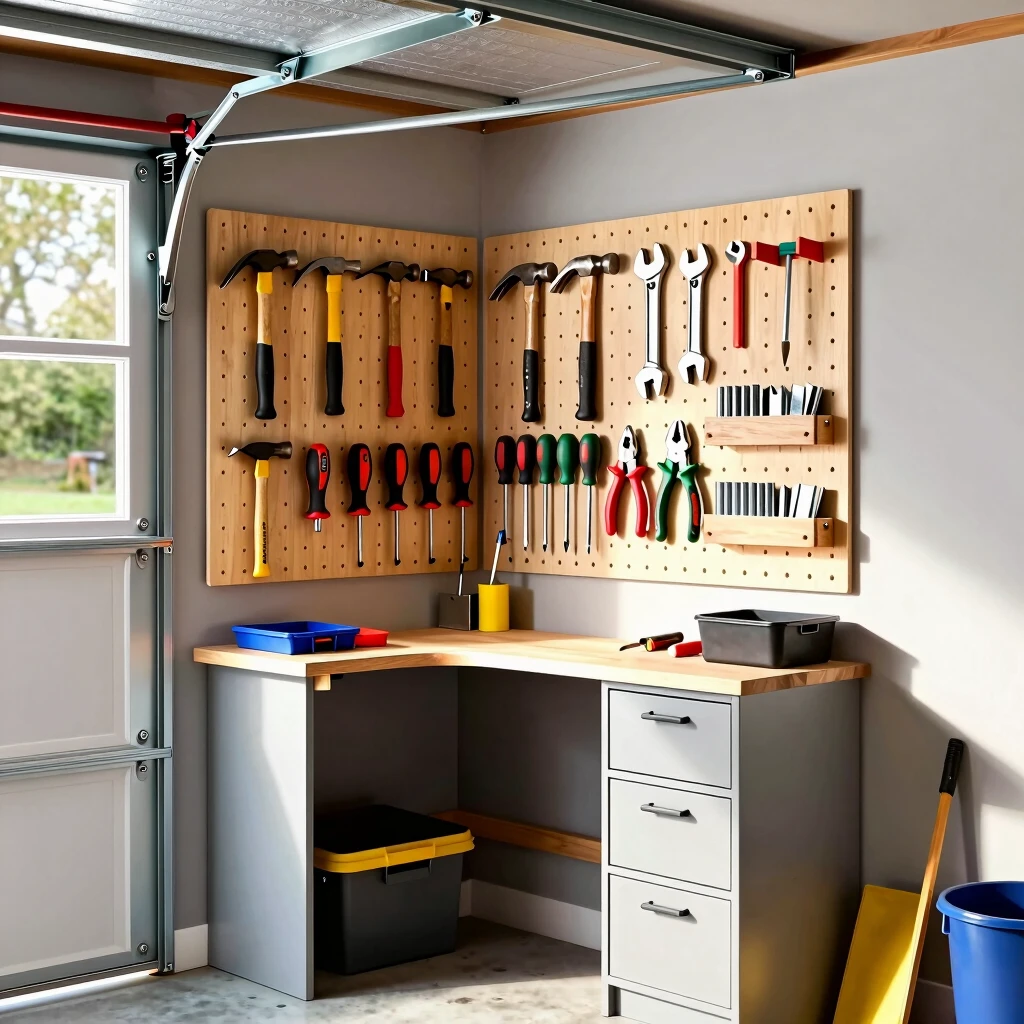
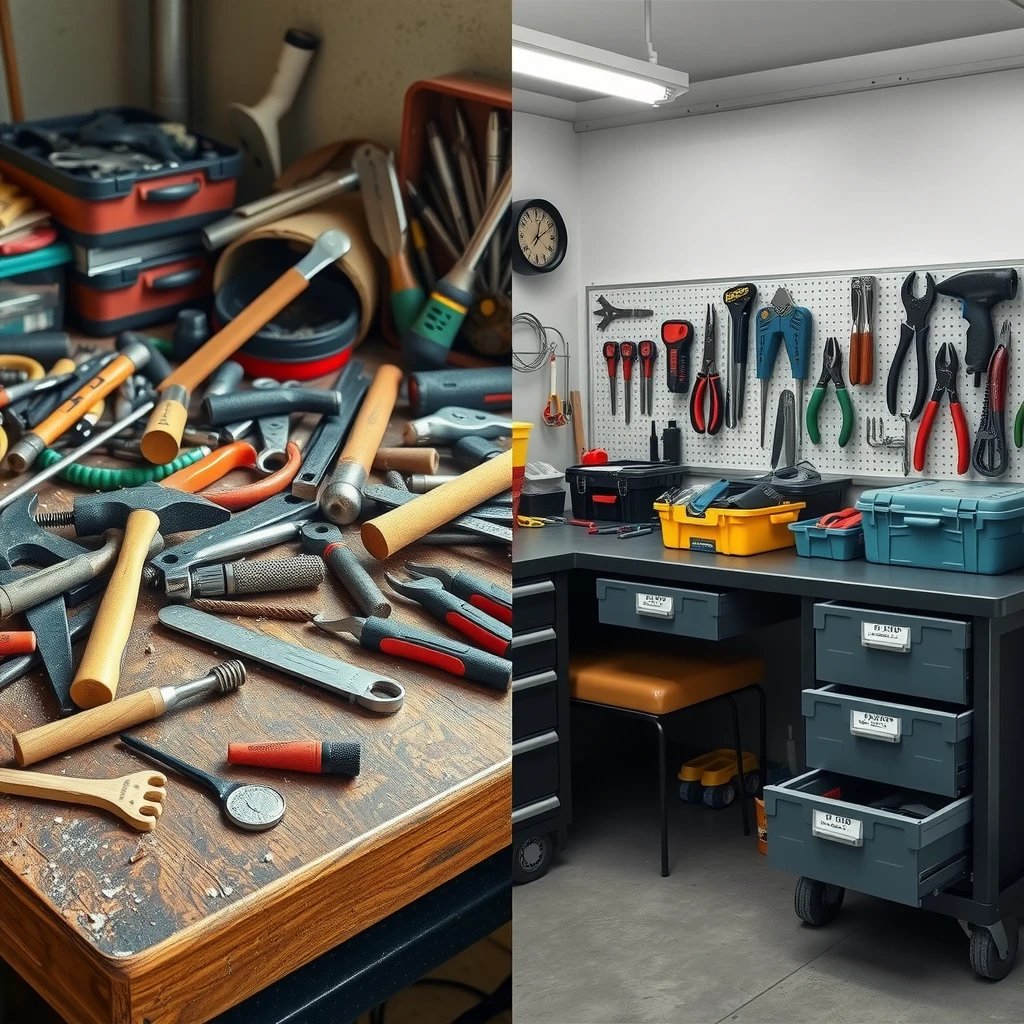
A cluttered workshop is an accident waiting to happen. Learning how to organize your workshop like a pro keeps everything accessible and reduces risks.
Start simple: 1. Use pegboard or slatwall for frequently used hand tools. 2. Store power tools in their cases or on dedicated shelves. 3. Label drawers and bins clearly. 4. Keep walkways clear—no cords or materials on the floor. 5. Mount a fire extinguisher and first-aid kit in plain sight.
Good lighting is part of organization too. Install bright LED shop lights so you can see what you’re doing—shadows hide hazards.
Electrical and Fire Safety Basics
Power tools are great, but electricity demands respect.
- Use grounded outlets and GFCI protection in garages.
- Avoid overloaded extension cords.
- Unplug tools when changing blades or bits.
- Keep a Class B or ABC fire extinguisher rated for electrical and flammable liquid fires.
- Never leave rags soaked in oil or finishes bunched up—they can spontaneously combust.
Top 10 Workman Tools for Beginners
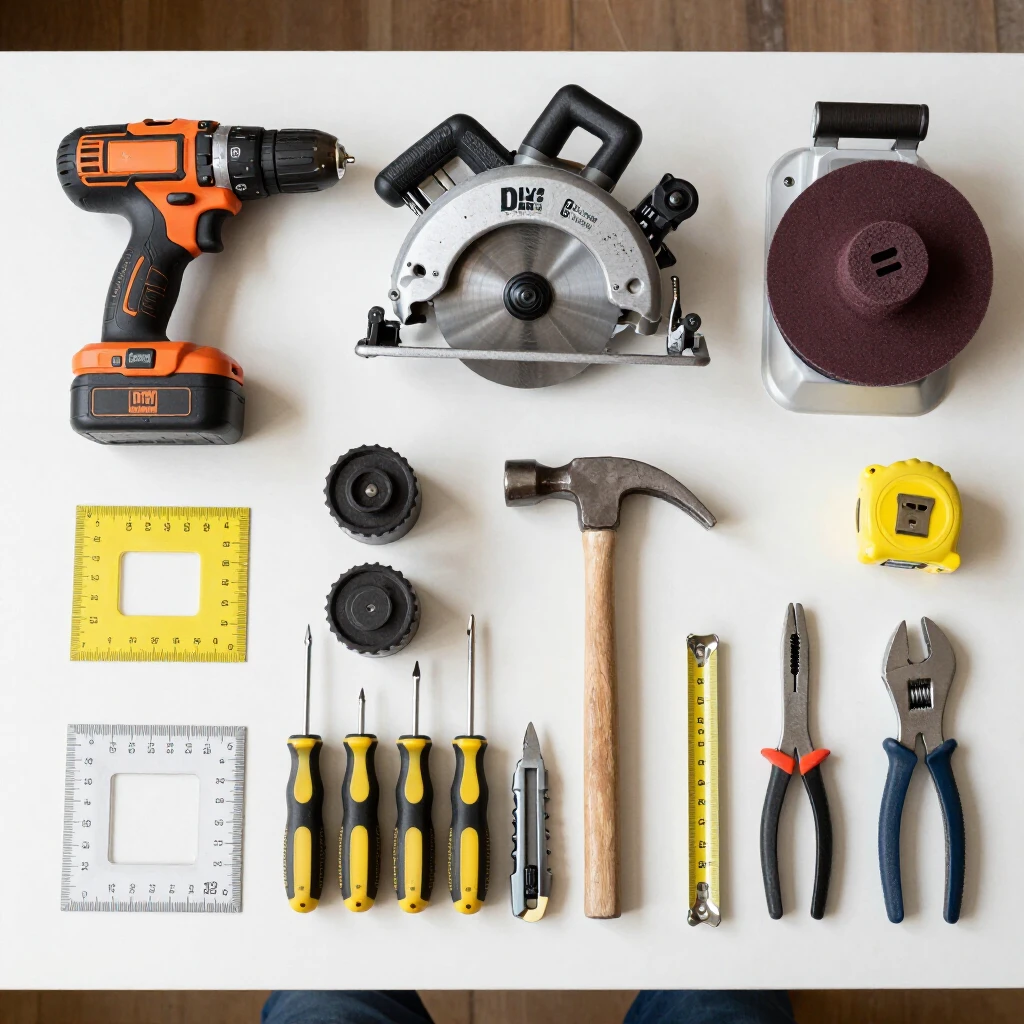
Choosing the right workman tools for beginners sets you up for success and safety. Here’s my recommended starter list:
- Cordless drill/driver – Versatile for drilling and driving screws.
- Circular saw – Essential for straight cuts in wood.
- Jigsaw – Great for curved or intricate cuts.
- Random orbital sander – Smooth finishes with less swirl marks.
- Claw hammer – Classic and indispensable.
- Tape measure (25 ft) – Accurate measurements prevent mistakes.
- Combination square – Ensures perfect 90-degree angles.
- Utility knife – For scoring, trimming, and opening packages.
- Set of screwdrivers – Both Phillips and flathead in various sizes.
- Adjustable wrench and pliers set – For gripping and turning.
Buy quality over quantity. A good tool used safely lasts longer and performs better than cheap ones that can fail unexpectedly.
How to Maintain Your Tools for Longevity
Proper care keeps tools safe and effective. Follow these steps:
- Clean after every use—wipe down metal parts and remove dust.
- Sharpen blades regularly—dull tools require more force and are more dangerous.
- Lubricate moving parts with light oil.
- Store properly—away from moisture to prevent rust.
- Check cords and batteries for damage before use.
- Inspect wooden handles for cracks.
A well-maintained tool is a safer tool. I make it a habit to spend five minutes cleaning up at the end of each session—it pays off big time.
Safe Work Habits to Build From Day One
- Always secure your workpiece with clamps or a vise.
- Keep hands clear of cutting paths.
- Use push sticks with table saws or jointers.
- Read the manual for every new tool.
- Work when you’re alert—avoid late-night sessions when tired.
- Keep kids and pets out of the workshop during projects.
Final Thoughts
DIY is rewarding when done safely. Start with these DIY workshop safety tips for beginners, organize your space like a pro, choose reliable workman tools for beginners, and maintain them well. You’ll enjoy your projects more and avoid unnecessary injuries.
Stay safe, take your time, and happy building!
Related DIY Workshop Safety Tips for Beginners:
- Best Storage Solutions for Small Workshops: Maximize Space and Keep Hand Tools Ready
- The Importance of High-Visibility Workwear
- Top 10 Accessories for Your Power Drill That Will Transform Your DIY Projects
- Essential Workshop Equipment Maintenance Tips for Longevity and Safety
- How to Choose the Right Oil for Your Car: A Beginner’s Guide
- A Beginner’s Guide to Building Your Construction Tool Kit
- Troubleshooting Power Washer Problems: A Complete Guide
- Organizing Workman Tools in a Small Space: Smart Solutions for Tight Workshops
- Top Maintenance Tips for Extending Tool Lifespan
- Top Paint Brands Review 2025 - /top-paint-brands-review
- Beginner’s Guide to Woodworking Projects: Start Building with Confidence
- Ultimate Guide to Hand Tools Storage Solutions