Overview
Taking good care of your tools is one of the smartest things you can do as a DIY enthusiast or professional. Proper maintenance not only extends the life of your workman tools but also keeps you safe and makes every job easier. In this guide to https://example.com/tool-maintenance-101, we share top maintenance tips for extending tool lifespan that anyone can follow.
Why Tool Maintenance Matters
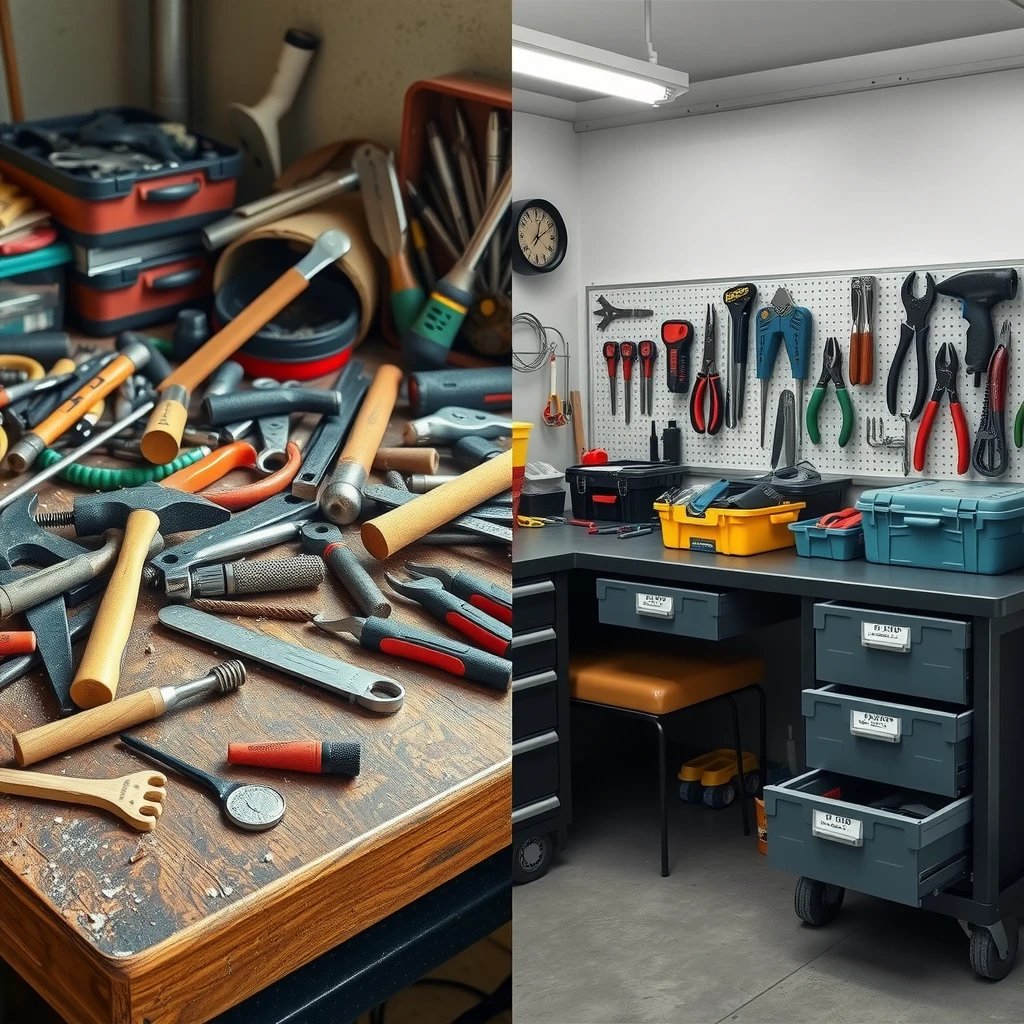
I remember the first time I neglected my favorite set of woodworking tools. After a big project, I tossed them into a damp toolbox. Weeks later, rust had started eating away at the blades. That mistake cost me time and money. Now, I treat maintenance as part of the job.
Good care prevents rust, keeps edges sharp, and stops small issues from becoming big problems. According to safety experts, many tool-related injuries come from damaged or poorly maintained equipment.
The Occupational Safety and Health Administration (OSHA) stresses that you must keep all tools in good condition through regular maintenance to avoid hazards. Learn more in their Hand and Power Tools booklet.
Basic Cleaning Habits
Clean your tools after every use. It's that simple. Dirt, sawdust, and grease build up fast, especially on workman tools for automotive repair.
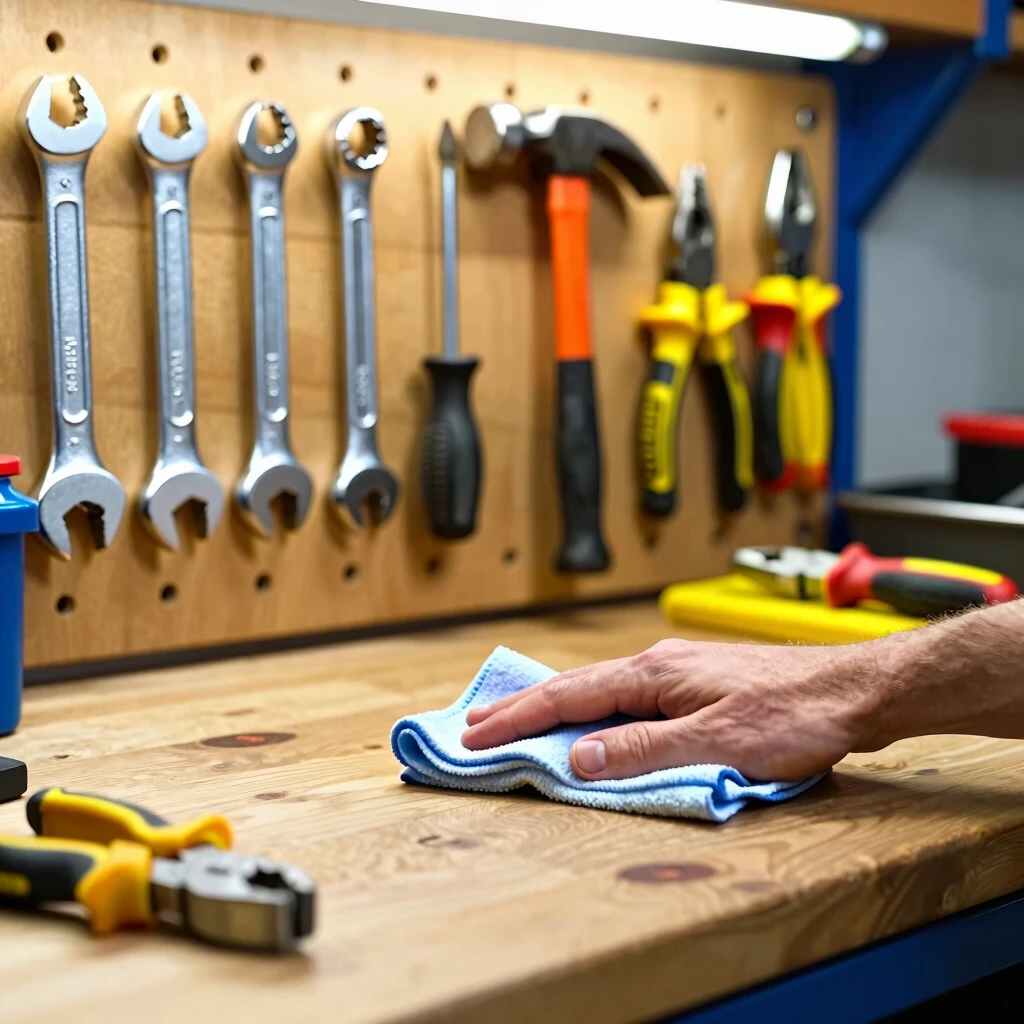
Start with a dry brush or cloth to remove loose debris. Then, wipe metal parts with a damp rag. For stubborn grime, use mild soap and water. Dry everything thoroughly to prevent rust.
I keep a bucket of oily sand in my shop for quick cleaning of shovels and hoes, but the same idea works for smaller tools – a light oil coating protects metal surfaces.
Top Cleaning Tips:
- Wipe down woodworking tools to remove sticky sap or resin right away.
- Use compressed air for power tool vents.
- Avoid harsh chemicals that can damage handles or finishes.

Sharpening Your Edges
Sharp tools work better and are safer. A dull blade requires more force, which increases the chance of slips.
For woodworking tools like chisels and planes, use a whetstone or honing guide. Keep the original bevel angle – usually around 25-30 degrees.
Virginia Cooperative Extension recommends regular sharpening and checking for defects like cracked handles. Their guide on hand tool care and safe use is full of practical advice.
Automotive tools like sockets and ratchets don't need sharpening, but keep their moving parts smooth.
Quick Sharpening Checklist 1. Secure the tool safely. 2. Use the right grit stone – coarse for major work, fine for finishing. 3. Finish with a strop for a razor edge. 4. Test on scrap material.
Lubrication and Rust Prevention
A little oil goes a long way. Apply a thin layer to metal parts after cleaning.
For workman tools exposed to moisture, use products like WD-40 or light machine oil. Wooden handles benefit from linseed oil to prevent cracking.
Oregon State University Extension suggests plunging long-handled tools into an oily sand bucket for easy protection. You can adapt this for smaller tools too.

Proper Storage Solutions
Store tools in a dry place. Humidity is the enemy of metal.
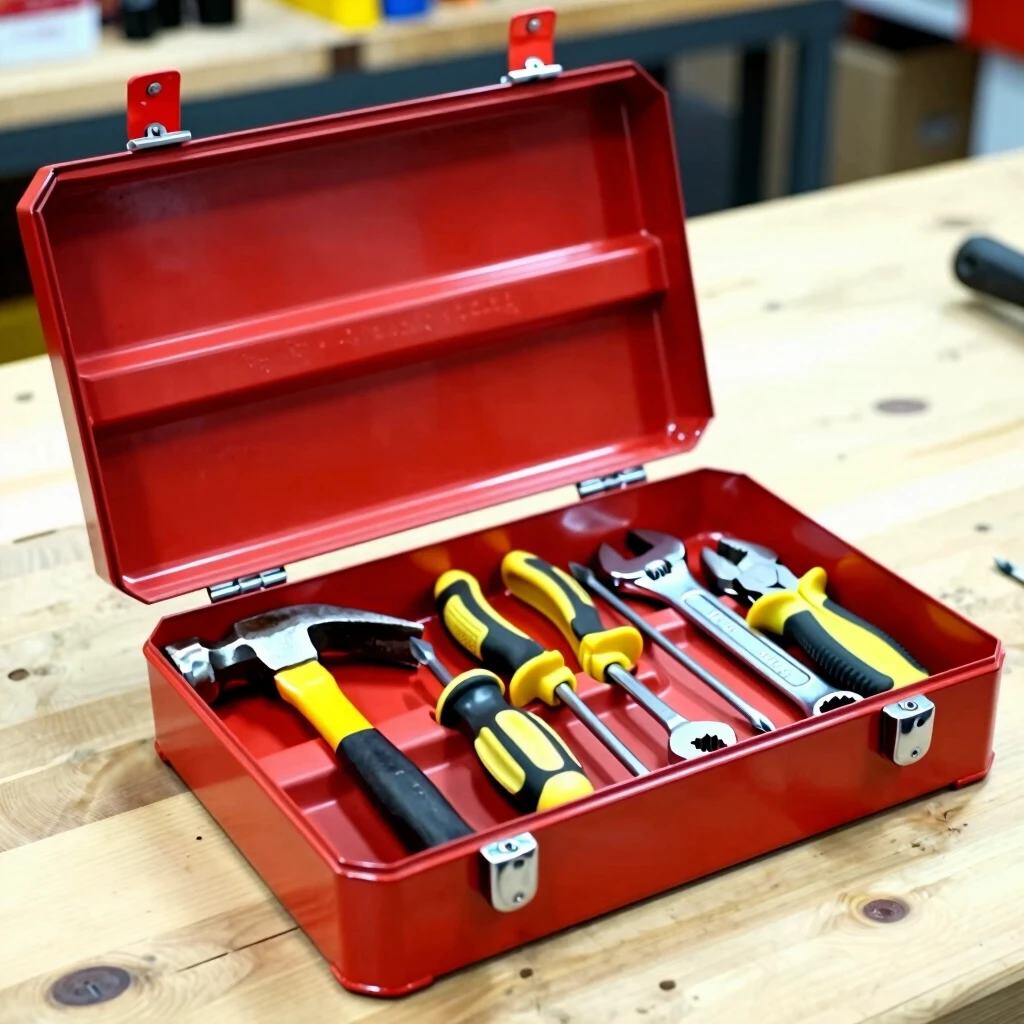
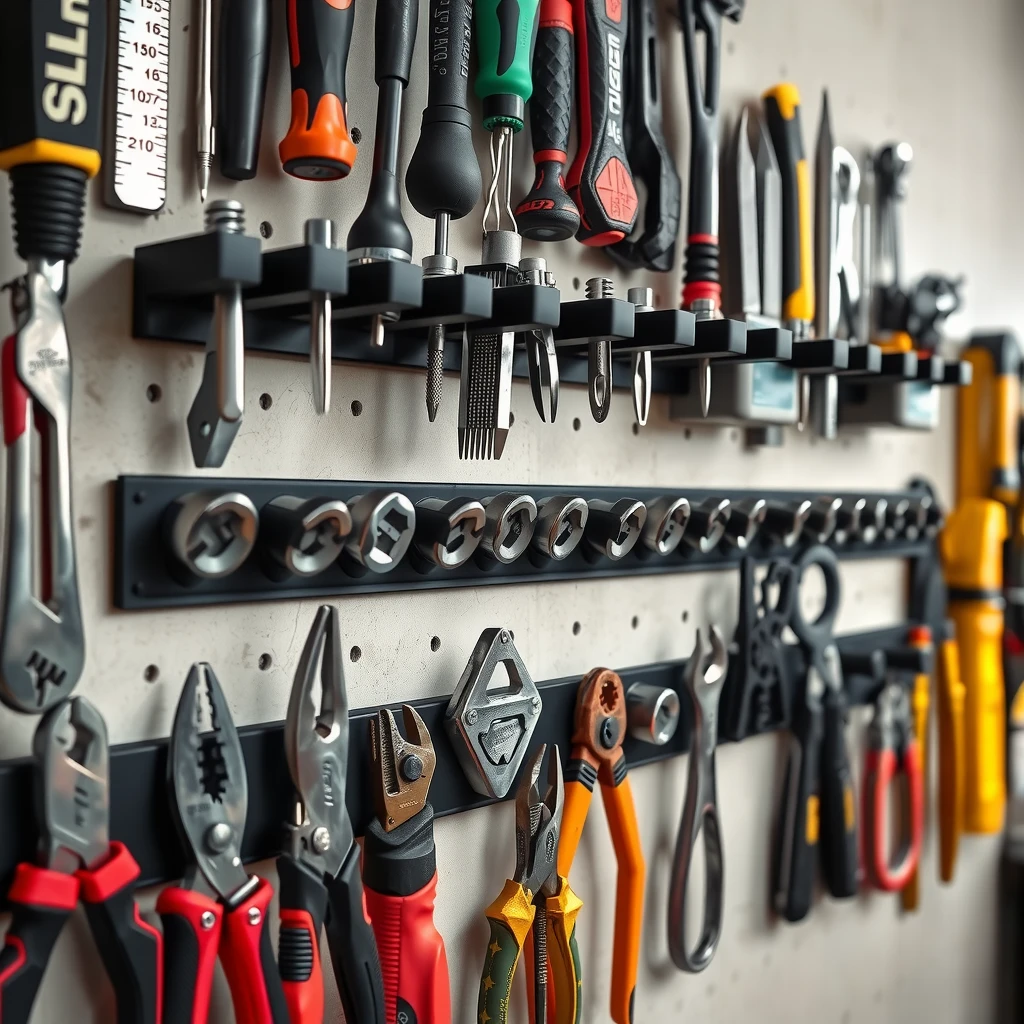
Hang tools on pegboards, use toolbox liners, or keep them in cases. This prevents damage and makes them easy to find.
I built simple racks for my woodworking tools, and it changed everything – no more hunting or accidental drops.
| Storage Tip | Benefit |
|---|---|
| Dry toolbox or cabinet | Prevents rust |
| Foam inserts or magnetic strips | Protects edges and organizes |
| Climate-controlled space | Best for power tools |
Follow these habits, and your workman tools will serve you for years.
Inspection and Safety Checks
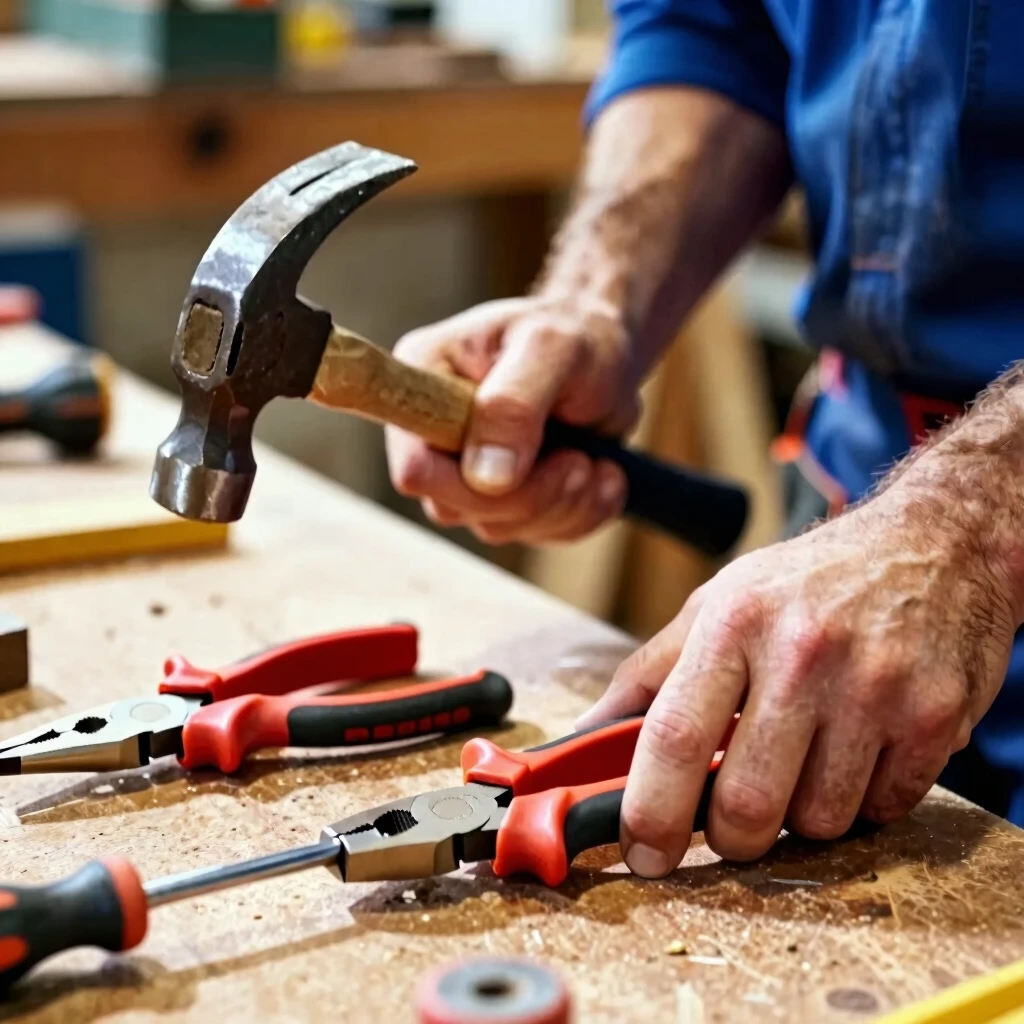
Before each use, give your tools a quick look-over. Check for loose parts, cracks, or wear.
The University of Hawai'i notes that hazards from hand tools often come from misuse and poor maintenance. Always tag and remove damaged tools from service.
Final Thoughts
Maintaining your tools doesn't take much time, but it pays off big. Cleaner, sharper, well-lubricated workman tools make projects more enjoyable and safer. Start small – clean after today's job – and build the habit.
Visit https://example.com/tool-maintenance-101 for more resources and tool recommendations.
Related https://example.com/tool-maintenance-101:
- Advanced Sharpening Techniques for Woodworking Tools
- Choosing Durable Workman Tools on a Budget: Smart Tips for Quality Without Breaking the Bank
- Top Paint Brands Review 2025 - /top-paint-brands-review
- Beginner’s Guide to Woodworking Projects: Start Building with Confidence
- Ultimate Guide to Hand Tools Storage Solutions
- How to Maintain Your Favorite Hand Tools
- Choosing the Right Tool for the Job: A Guide to Better Work and Less Strain
- The Ergonomics Advantage: How Comfortable Tools Can Transform Your Workday
- Mastering Organizing Tools in a Small Workshop: Practical Tips for Efficiency and Safety
- Essential Electrical Tools for Wiring and Installations: A Beginner’s Guide
- Mastering the Basics: How to Use Hammers Effectively
- Essential Safety Gear for Working with Power Tools