Overview
Imagine ending your workday feeling energized instead of exhausted. That's the power of ergonomics. The Ergonomics Advantage: How Comfortable Tools Can Transform Your Workday lies in simple changes that fit tools to your body, not the other way around. This approach cuts down on pain and boosts your output.

You spend hours each day at work, whether at a desk or on a job site. Your body takes a toll from repetitive motions, awkward positions, and heavy lifting. Ergonomic tools change that. They support your natural movements and reduce strain.
According to the Occupational Safety and Health Administration (OSHA), ergonomics helps lessen muscle fatigue, increases productivity, and reduces work-related musculoskeletal disorders (MSDs). These injuries affect millions of workers each year, leading to pain, lost time, and high costs.
Why Ergonomics Matters
Poorly designed tools force your body into uncomfortable positions. Over time, this leads to issues like back pain, carpal tunnel syndrome, or shoulder strain. Comfortable tools prevent these problems.
I remember switching to an ergonomic keyboard years ago. My wrist pain vanished, and I typed faster without tiring. The same principle applies to tradespeople using padded-grip pliers or lightweight drills.
How Ergonomic Tools Boost Productivity
How Ergonomic Tools Boost Productivity is straightforward: less pain means more focus and energy. Workers using ergonomic designs report fewer breaks for discomfort and higher output.
Studies from OSHA show that ergonomic interventions often improve work efficiency. Companies see fewer injuries and higher morale.
Benefits at a Glance
Here are key ways ergonomic tools help:
- Reduce Fatigue: Tools with better grips and balance require less effort.
- Prevent Injuries: Proper design limits strain on joints and muscles.
- Increase Speed: Comfort lets you work longer without slowing down.
- Improve Accuracy: Steady hands from reduced vibration mean fewer mistakes.
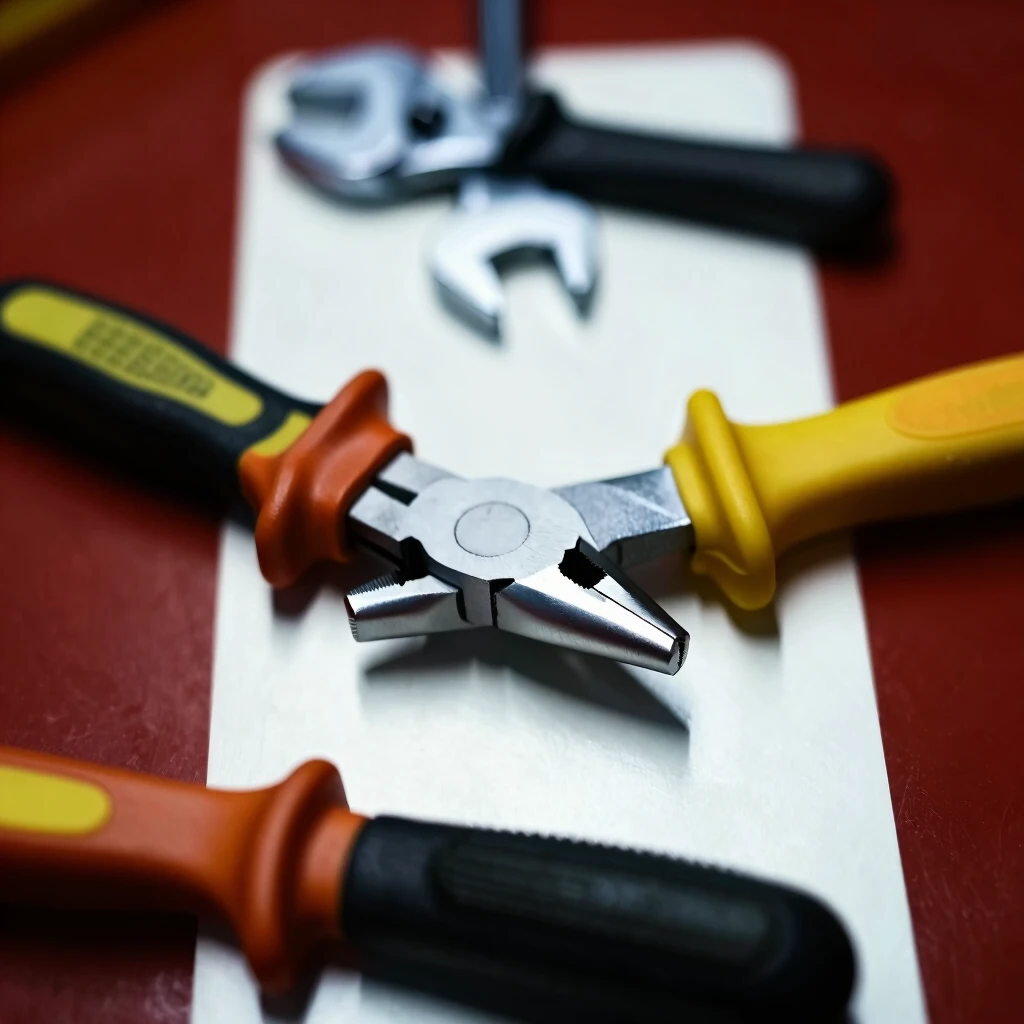
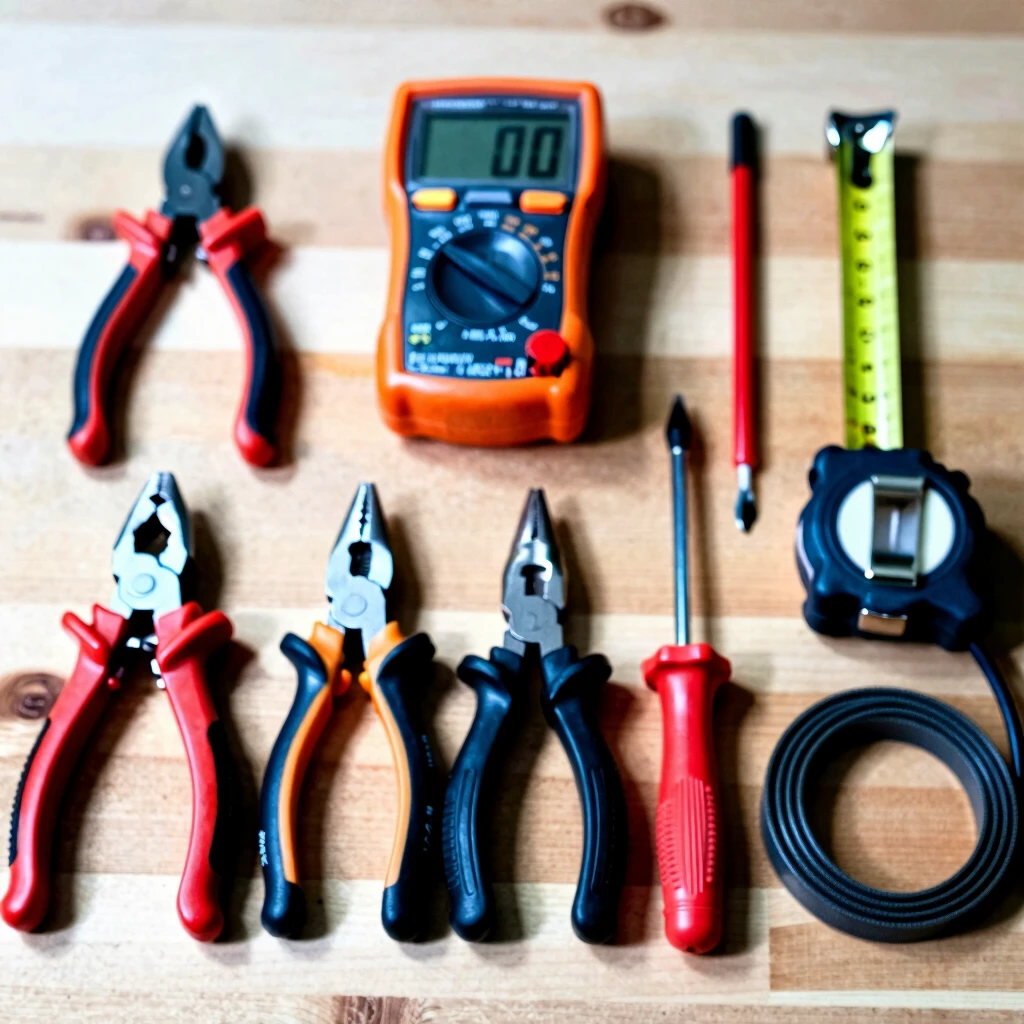
For mechanics and tradespeople, Productivity Hacks for Mechanics and Tradespeople often start with the right tools. Anti-vibration gloves, ratchets with extended handles, and tool balancers make heavy tasks easier.
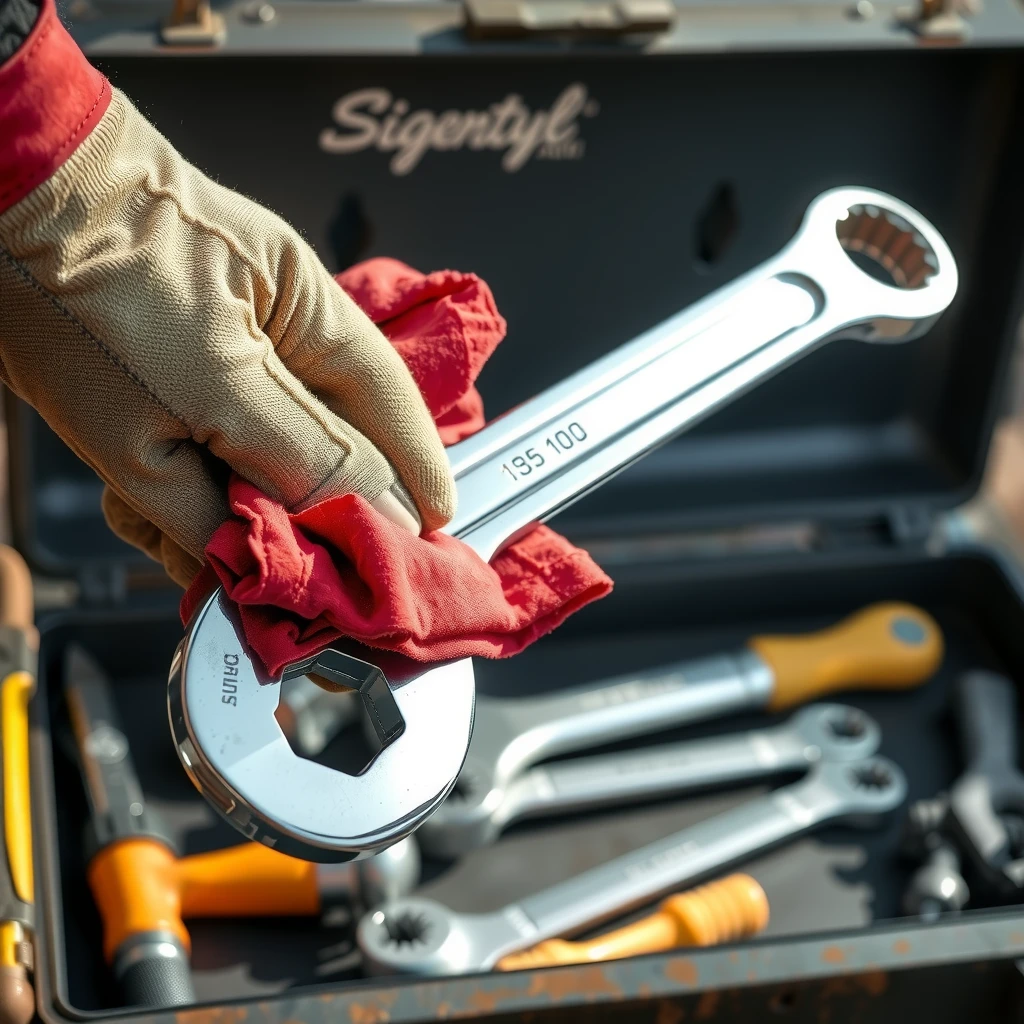
One auto shop I know switched to ergonomic wrenches. Their team finished jobs quicker and had zero hand strain complaints in a year.
Personal Insight from the Trades
A friend who is a plumber shared his story. He used to end days with sore hands from tight grips on old pipe wrenches. After trying ergonomic versions with cushioned handles, he works faster and feels better. Small changes like this add up.
Innovations in Workman Tools Enhancing Comfort
Innovations in Workman Tools Enhancing Comfort are exciting in 2025. Manufacturers use new materials for lighter, stronger tools. Contoured grips fit various hand sizes. Some include adjustable handles or reduced vibration tech.
Trends include adaptive designs and even smart tools that alert you to poor posture. These advancements make comfort accessible for everyone.
Top Features to Look For
When choosing tools, check for:
- Padded or rubberized grips
- Lightweight construction
- Balanced weight distribution
- Anti-vibration elements
- Adjustable lengths or angles
These features directly contribute to the Ergonomics Advantage.
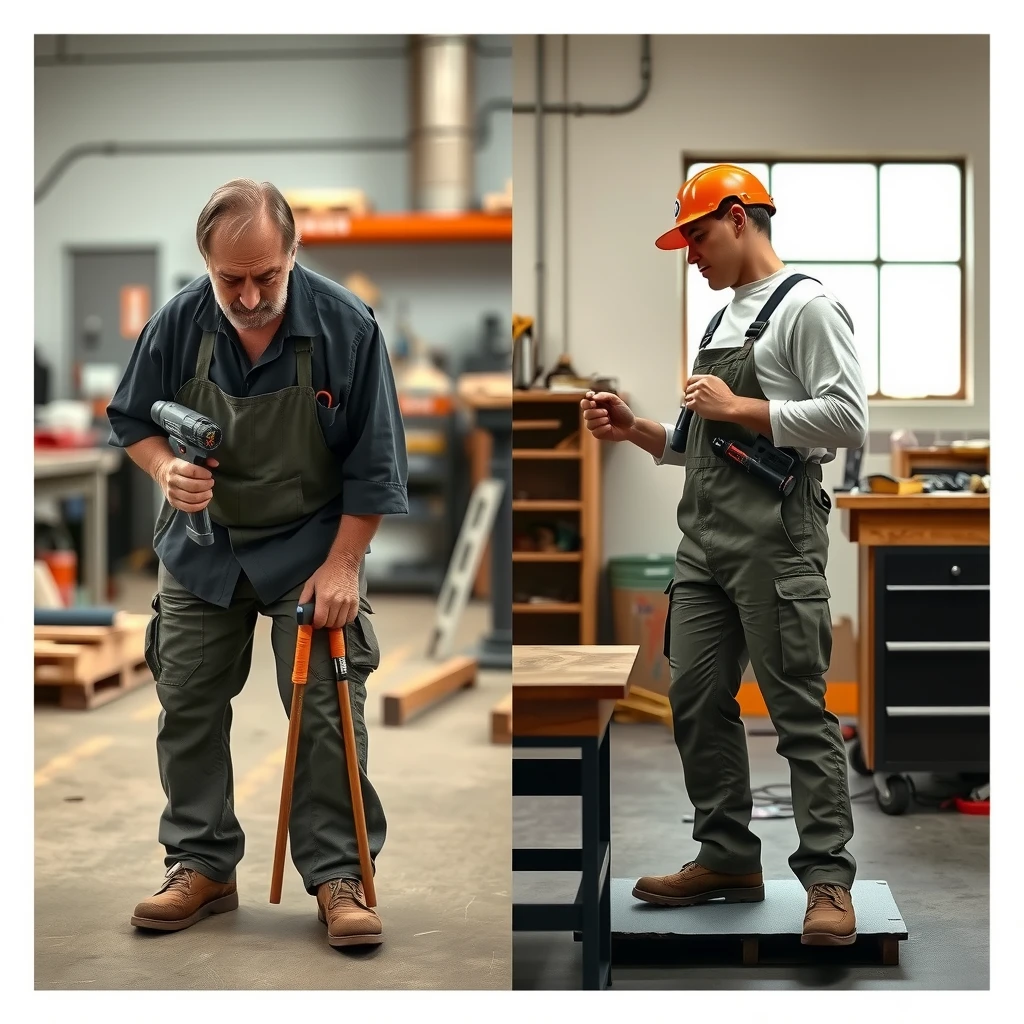
Office workers benefit too. Ergonomic mice, keyboards, and chairs align your body properly. This prevents neck strain and boosts concentration.
Explore more time management strategies from the U.S. Small Business Administration to pair with ergonomic setups for even better results.
Actionable Tips to Get Started
- Assess your current tools: Note any discomfort areas.
- Try ergonomic options: Many are affordable.
- Adjust your workspace: Position tools within easy reach.
- Take micro-breaks: Stretch every hour.
- Train your team: Share ergonomics knowledge.
Implementing these can transform your workday quickly.
Real-world examples abound. Foundries using ergonomic hand tools saw reduced complaints and higher productivity, per OSHA reports. Similar gains happen in construction, auto repair, and offices.
Long-Term Gains
Investing in comfort pays off. Lower injury rates mean less downtime. Happier workers stay longer and perform better. It's a win for everyone.
Summary
The Ergonomics Advantage: How Comfortable Tools Can Transform Your Workday is clear. Switch to ergonomic designs to work smarter, feel better, and achieve more. Start small, see the difference, and build from there.
Your body will thank you, and so will your productivity.
Related The Ergonomics Advantage: How Comfortable Tools Can Transform Your Workday:
- Latest Innovations in Workman Tools Enhancing Comfort
- Mastering Organizing Tools in a Small Workshop: Practical Tips for Efficiency and Safety
- Essential Electrical Tools for Wiring and Installations: A Beginner’s Guide
- Mastering the Basics: How to Use Hammers Effectively
- Essential Safety Gear for Working with Power Tools
- Essential Electrical Tools for Wiring and Installations: A Complete Guide
- Maintenance Tips for Long-Lasting Hand Tools: Keep Your Favorite Wrenches and Workman Tools Performing Like New
- How to Choose the Right Power Washer for Your Needs
- Maintaining Your Power Tools for Peak Performance
- Mastering Rotary Tools for Jewelry Making: Your Essential Guide
- How to Choose the Right Screwdriver for the Job
- Safety Best Practices for Electricians: Essential Tips to Stay Safe on the Job