Overview
Choosing the right screwdriver can save you time, prevent damage, and make any task smoother. In this guide, we'll explore the key factors to consider when selecting screwdrivers, from head types to handle designs, with practical tips drawn from real-world experience.
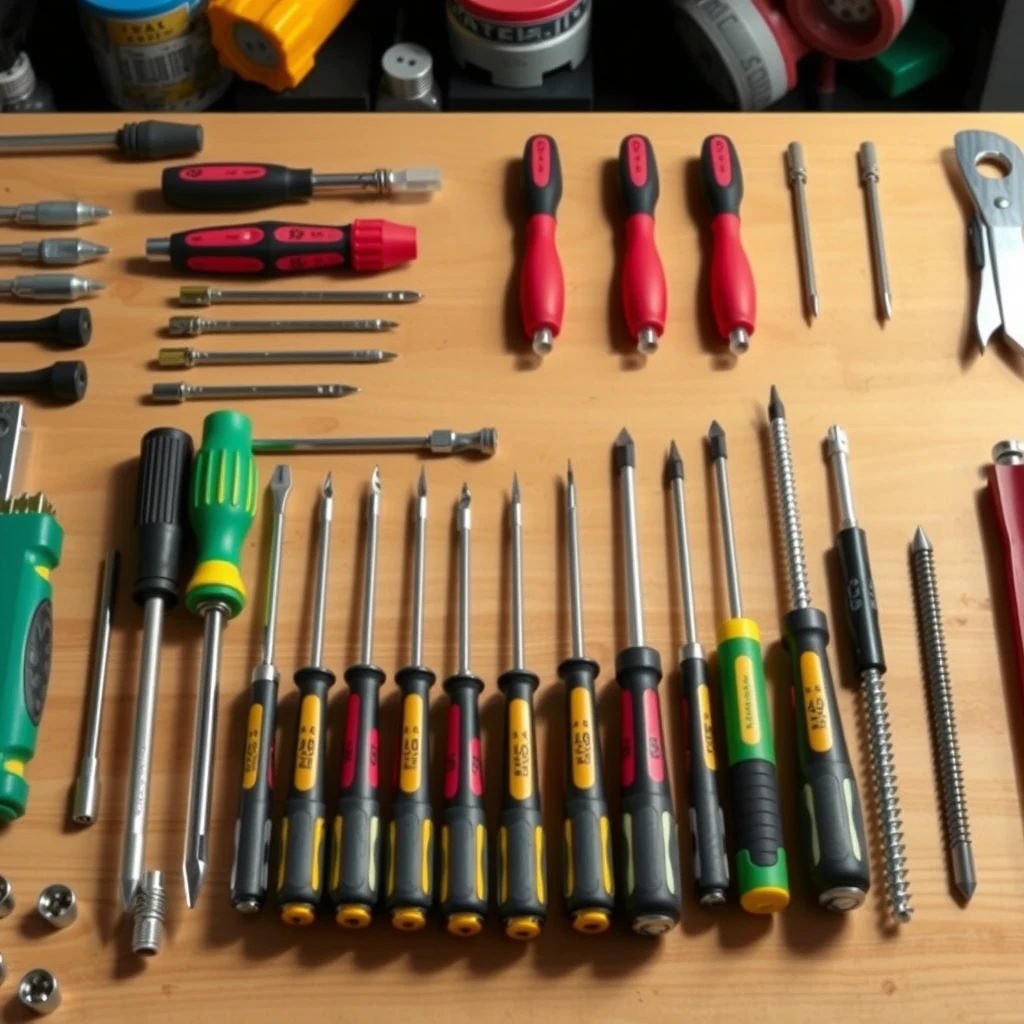
Screwdrivers are one of the most basic yet essential workman tools in any toolbox. Whether you're a professional mechanic or a home DIYer, knowing how to choose the right screwdriver for the job is crucial. I've stripped countless screws in my early days by using the wrong one, and it taught me the importance of matching the tool to the task.
The wrong screwdriver can cam out (slip out of the screw head), damage the screw, or even hurt your hand. Let's break this down step by step.
Understand the Different Types of Screwdriver Heads
The head type is the most important factor. Here's a quick rundown of the common ones:
- Flathead (Slotted): The classic straight slot. Great for simple screws, but it slips easily under torque.
- Phillips: Cross-shaped with four arms. Designed to cam out to prevent over-tightening, common in electronics and furniture.
- Pozidriv: Similar to Phillips but with extra ribs for better grip and less cam out.
- Torx (Star): Six-point star shape. Offers excellent torque transfer and resistance to slipping, popular in automotive and electronics.
- Robertson (Square): Square recess. Provides strong grip and one-handed operation, favored in Canada and woodworking.
- Hex (Allen): For hex socket screws, often L-shaped keys.
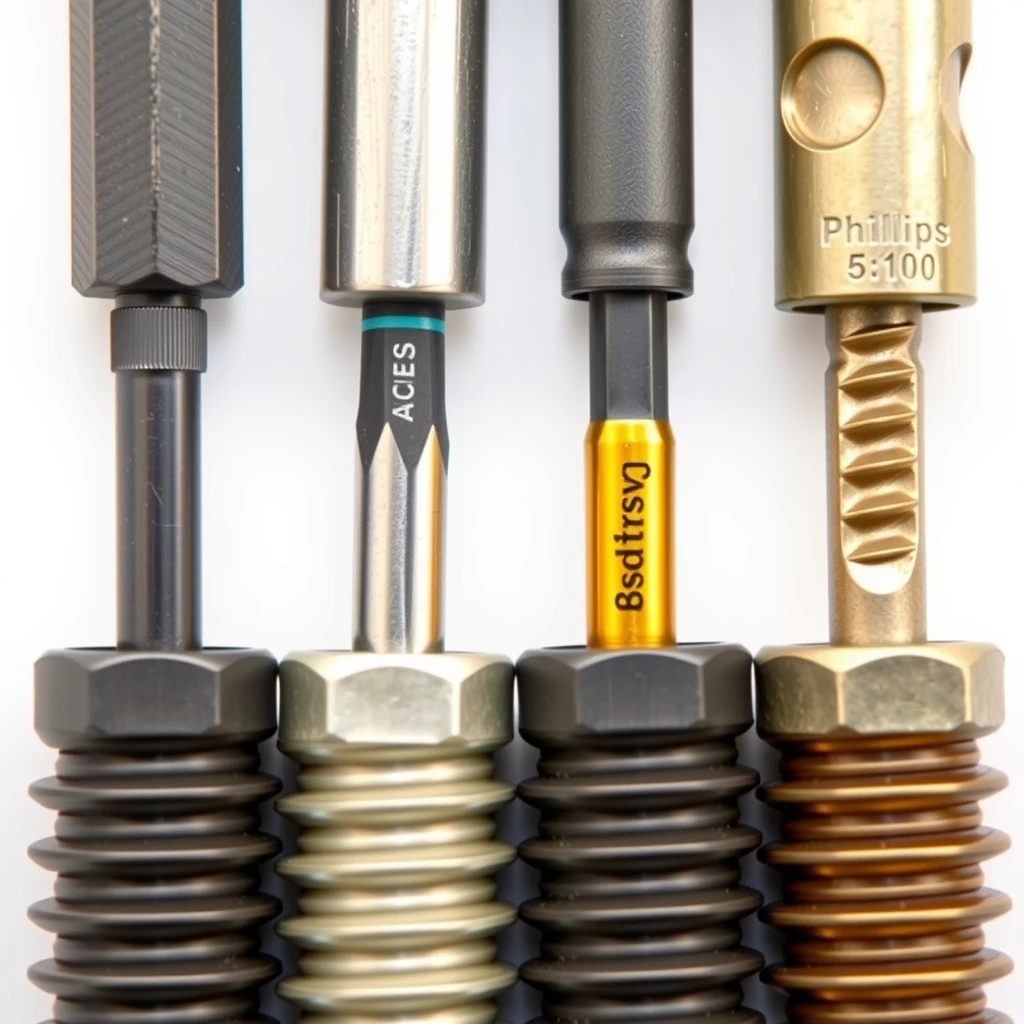
Always inspect the screw head first. Match the driver exactly to avoid rounding off the edges. For mechanics, essential screwdrivers for mechanics often include a mix of Phillips, Torx, and flathead because cars use a variety of fasteners.
Consider the Size and Fit
Size matters a lot. A tip that's too small will wobble and strip the screw. One that's too big won't fit at all.
For Phillips and Pozidriv, sizes are #0 (smallest) to #4 (largest). Torx goes from T5 to T50 or more.
Tip: Hold the screwdriver up to the screw. The tip should fill the recess completely without gaps.
Handle and Shaft Length
Handles come in different materials: - Plastic or rubber for comfort and grip. - Wood for traditional feel. - Insulated for electrical work (look for VDE rating).
Shaft length: Short stubs for tight spaces, long ones for reach. Magnetic tips are handy for holding screws in awkward spots.

In my experience working on cars, a comfortable handle reduces hand fatigue during long sessions. Ratcheting screwdrivers speed up repetitive tasks, like removing interior panels.
Quality Matters: Invest in Good Screwdrivers
Cheap screwdrivers wear out fast. Look for brands like Wera, Wiha, Klein, or Snap-on. They use hardened steel tips that resist twisting and breaking.
Pro tip: Sets with interchangeable bits save space and money for most users.
Essential Screwdrivers for Mechanics
If you're building a mechanic's toolkit, start with these:
| Type | Sizes Recommended | Common Use |
|---|---|---|
| Phillips | #1, #2, #3 | General automotive, appliances |
| Flathead | 3/16", 1/4", 5/16" | Older vehicles, hose clamps |
| Torx | T20, T25, T30, T40 | Modern cars, electronics |
| Robertson | #1, #2 | If working on Canadian vehicles |
Add a stubby set for tight engine bays and offset screwdrivers for hard-to-reach spots.
I've found that having a good magnetic pickup tool pairs perfectly with screwdrivers to retrieve dropped fasteners.
Tool Maintenance Tips for Mechanics
Keep your screwdrivers performing well with these simple habits:
- Clean tips after use to remove dirt and grease.
- Store in a dry place to prevent rust.
- Inspect tips regularly; file down minor damage or replace worn ones.
- Never use a screwdriver as a pry bar or chisel—it can snap and cause injury.
- For precision screwdrivers (used in electronics), keep them separate to avoid contamination.
One time, I ignored a slightly rounded tip and ended up stripping a critical bolt. Lesson learned: Replace tools when they show wear.
Special Considerations
For electrical work, always use insulated screwdrivers. In automotive, impact-rated or stubby drivers help in confined spaces.
If you're unsure, take a photo of the screw and match it at the store. Many hardware stores have display boards for this.
Common Mistakes to Avoid
- Forcing a Phillips into a Pozidriv (they look similar but don't fit well).
- Using excessive force—let the tool do the work with proper fit.
- Ignoring ergonomics; sore wrists mean it's time for better handles.
Final Thoughts
Mastering how to choose the right screwdriver for the job comes down to matching the head type, size, and tool quality to the task. Start with a basic set of quality screwdrivers, maintain them well, and you'll tackle any project confidently. Good tools last a lifetime and make work enjoyable.
Related How to Choose the Right Screwdriver for the Job:
- Beginner's Guide to Basic Tool Maintenance: Keep Your Gear in Top Shape
- Safety Best Practices for Electricians: Essential Tips to Stay Safe on the Job
- Setting Up Your Ideal Workbench: Tips and Tricks
- Key Features to Look for in Cordless Power Tools
- Top 10 Workman Tools Every Contractor Needs
- Building Outdoor Decks: Step-by-Step with Pro Tips
- Safety Practices in Home Electrical Repairs: A Comprehensive Guide
- Organizing Your Workbench for Maximum Efficiency: Tips and Strategies
- Top Workman Tools for Automotive Repairs You Need
- The Importance of Safety Training in Construction
- Garage Organization Hacks for Small Spaces
- Top-Quality Workman Tools for Contractors: Essential Picks for Reliable Performance