Overview
Organizing your workbench for maximum efficiency can transform your workspace from chaotic to productive. This guide shares simple steps, personal tips, and proven strategies to help you work smarter and faster in your shop or garage.
Have you ever spent more time hunting for a screwdriver than actually using it? I know I have. In my early days as a hobbyist woodworker, my workbench was a mess of tangled cords, scattered tools, and half-finished projects. It frustrated me and slowed me down. But once I focused on organizing my workbench for maximum efficiency, everything changed. I got more done in less time, and I enjoyed the process more. If you're tired of the clutter, this article will show you how to create a streamlined setup that works for you.
First, let's talk about why organization matters. A well-organized workbench saves time, reduces stress, and prevents accidents. When tools are easy to find, you stay in the flow of your work. Plus, it extends the life of your workman tools by keeping them protected and clean. Studies show that efficient workspaces can boost productivity by up to 20%. But don't just take my word for it—let's dive into the steps.
Assess Your Current Setup
Start by taking stock of what you have. Clear everything off your workbench and sort items into categories: tools you use daily, those you use weekly, and rarely used ones. This helps you see what you really need close at hand. In my experience, this step alone revealed duplicates I didn't need, freeing up space.
Measure your workbench space too. Standard workbenches range from 4 to 8 feet long, but yours might be custom. Note the height—ideally, it should reach your waist for comfortable work. If it's too low or high, consider adjustments for better ergonomics.
Clear the Clutter
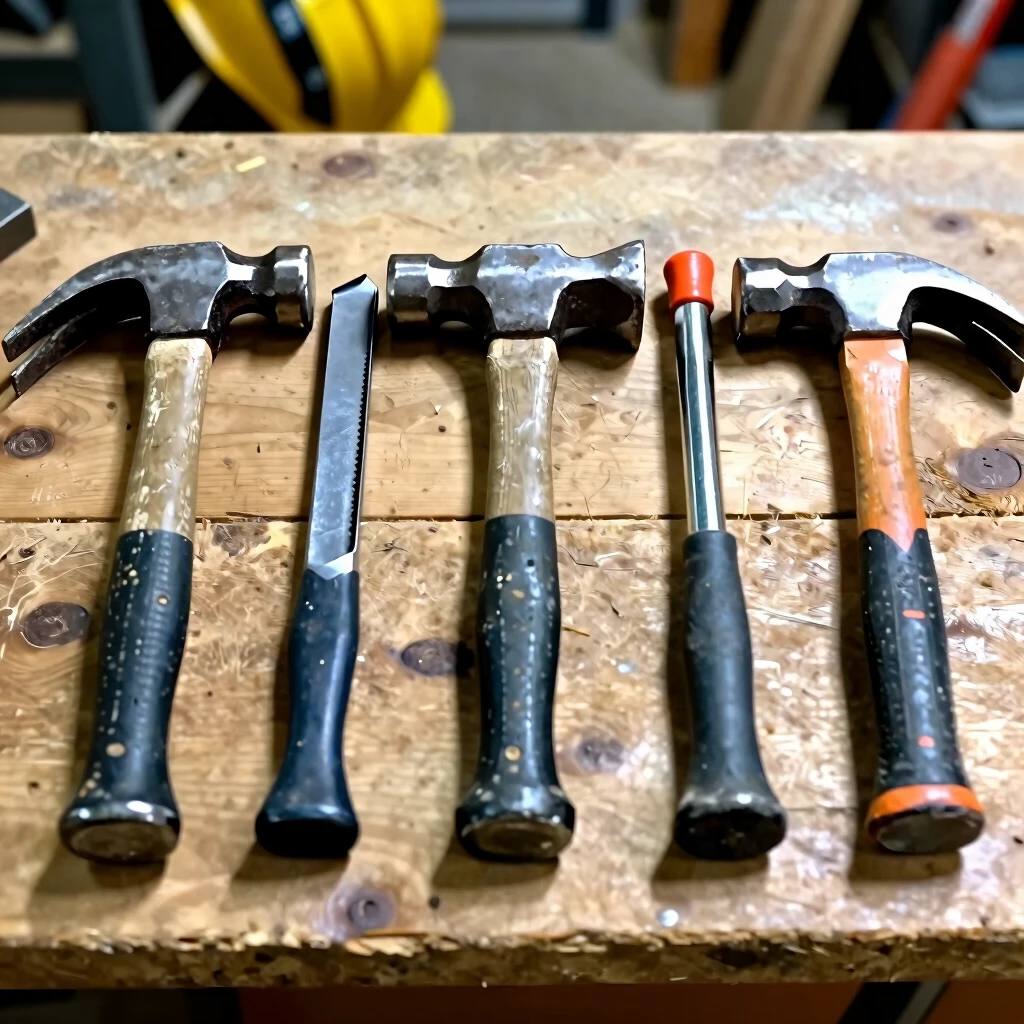
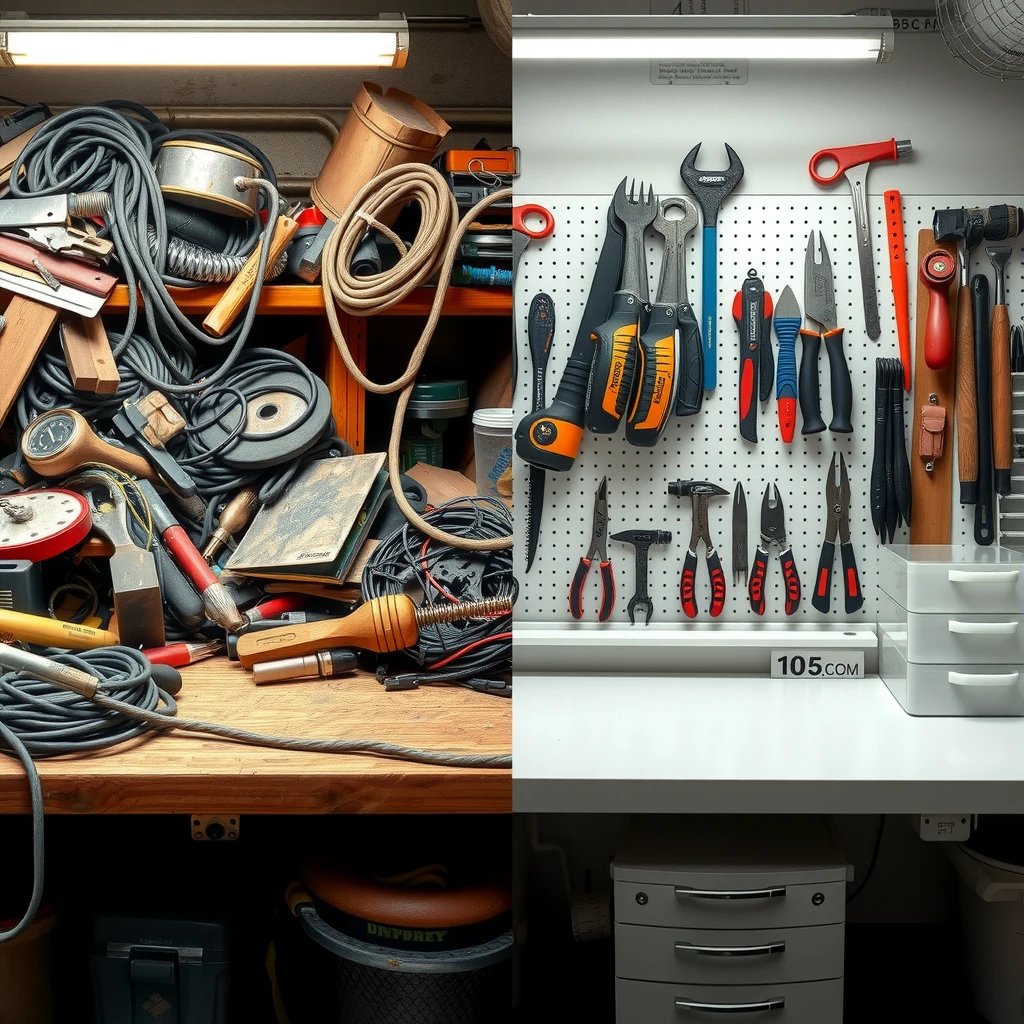
Decluttering is key to organizing your workbench for maximum efficiency. Toss broken tools and donate unused ones. For the keepers, group similar items together. Screwdrivers in one spot, hammers and mallets in another. Use bins or trays for small parts like nails and screws.
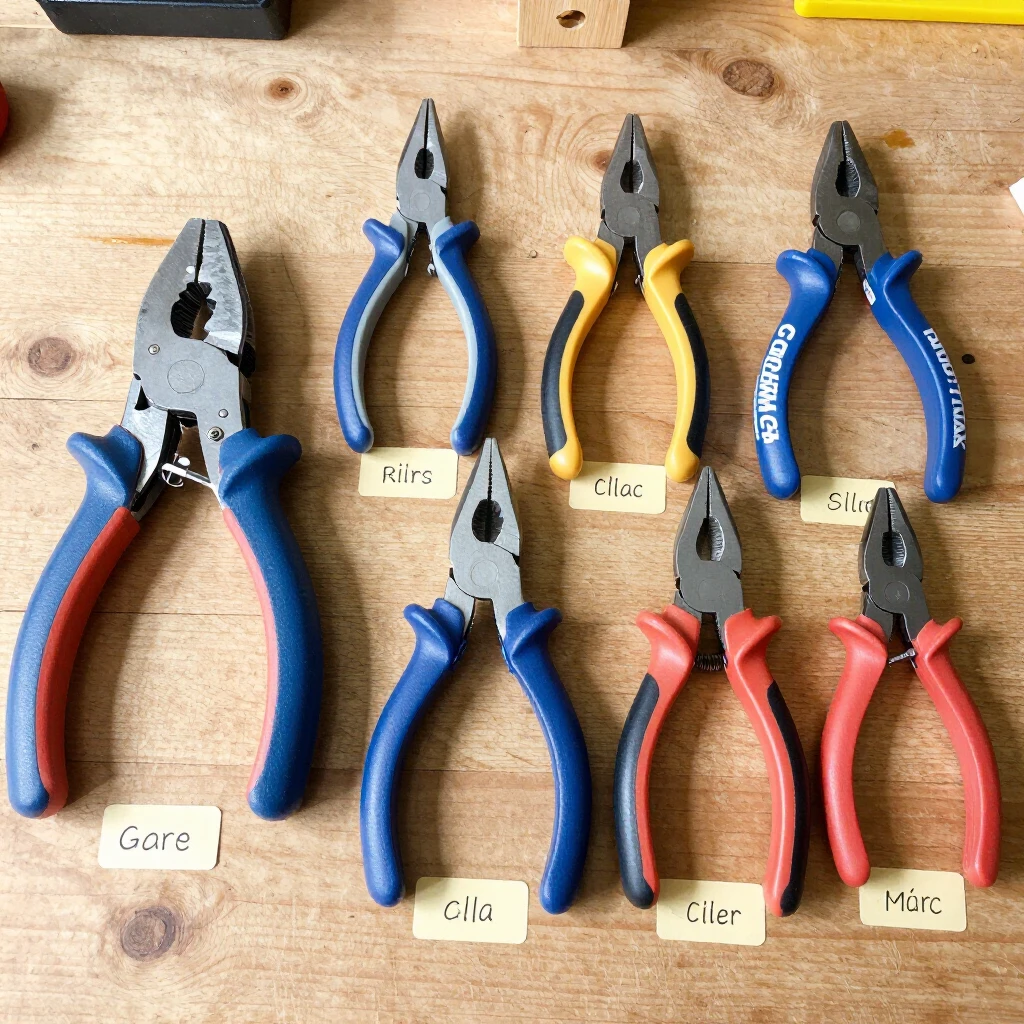
Here's a quick list of decluttering tips: - Sort ruthlessly: Keep only what you use. - Label everything: Clear labels prevent mix-ups. - Vertical storage: Use walls to save bench space.
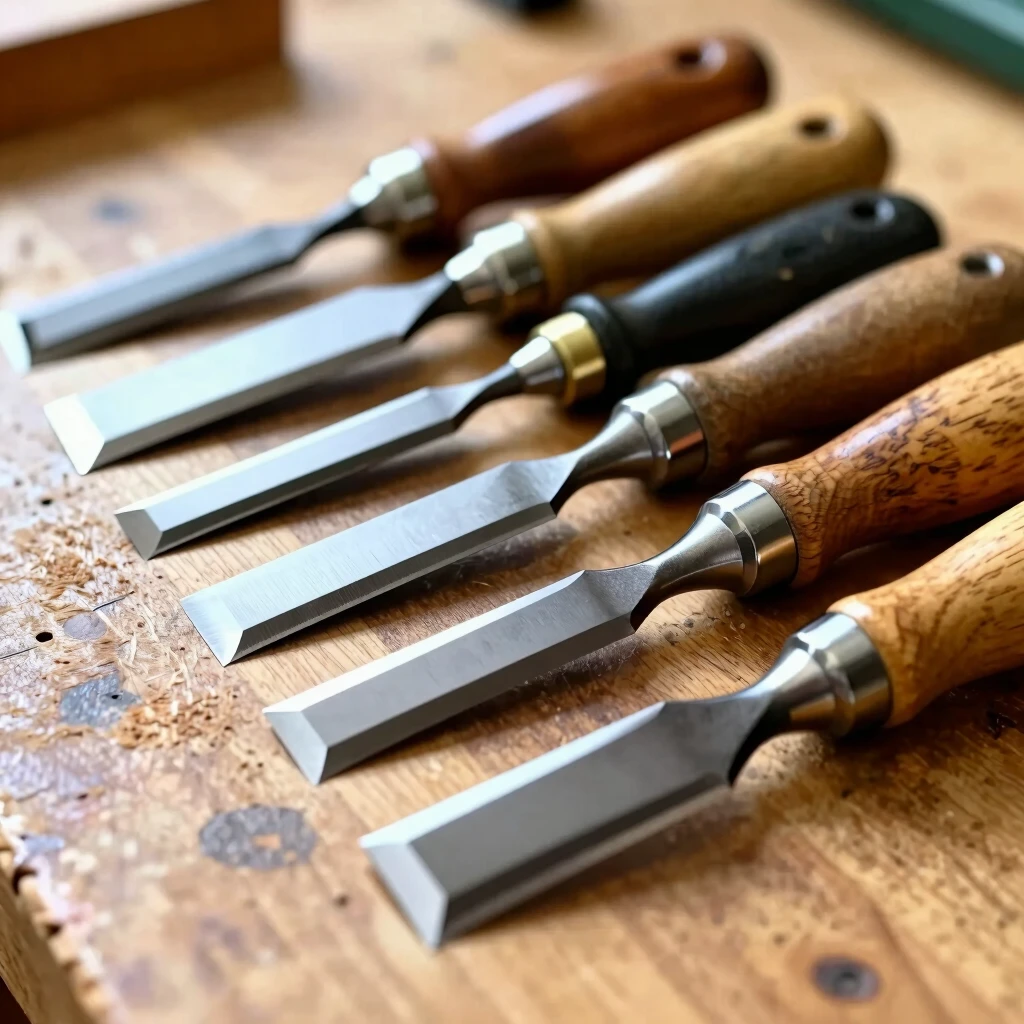
One time, I found an old chisel buried under junk that I thought I'd lost forever. Now, I make it a habit to review my setup every few months. This keeps things fresh and efficient.
Choose the Right Storage Solutions
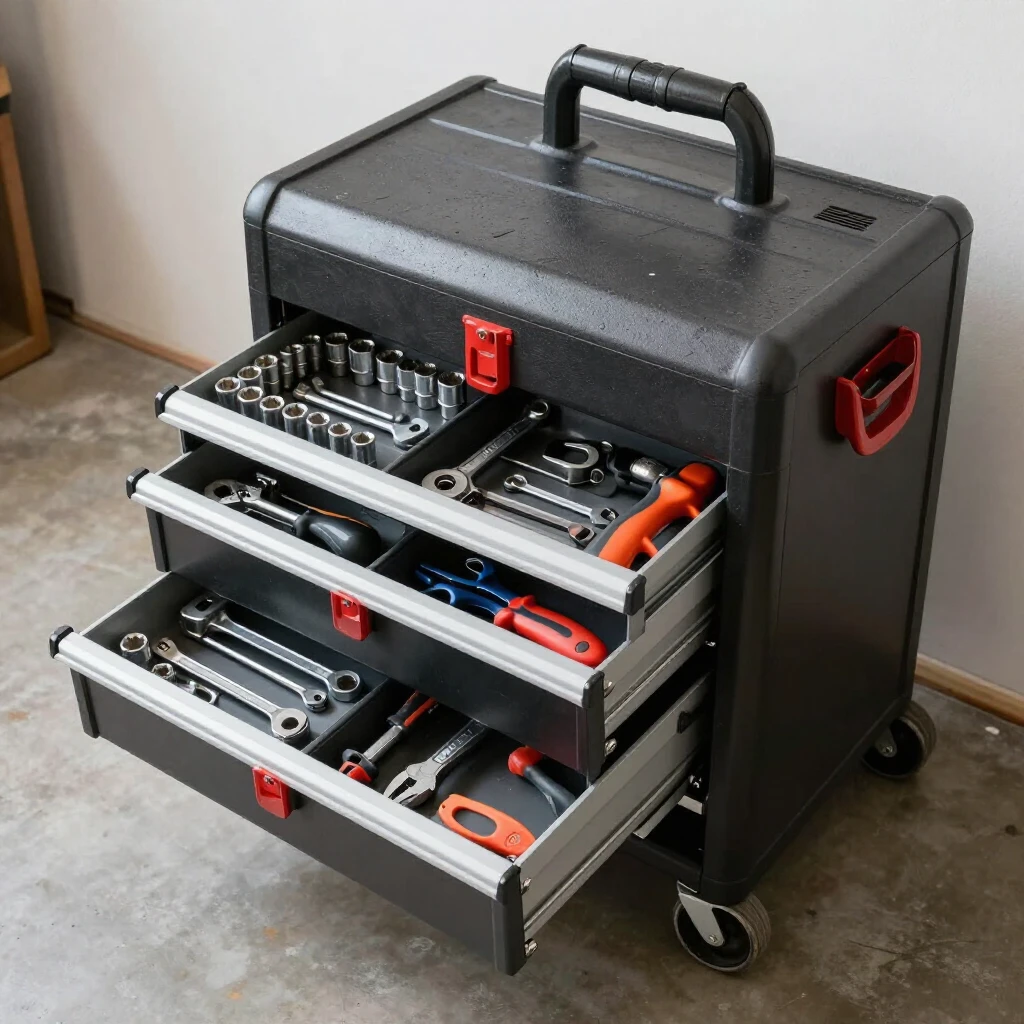
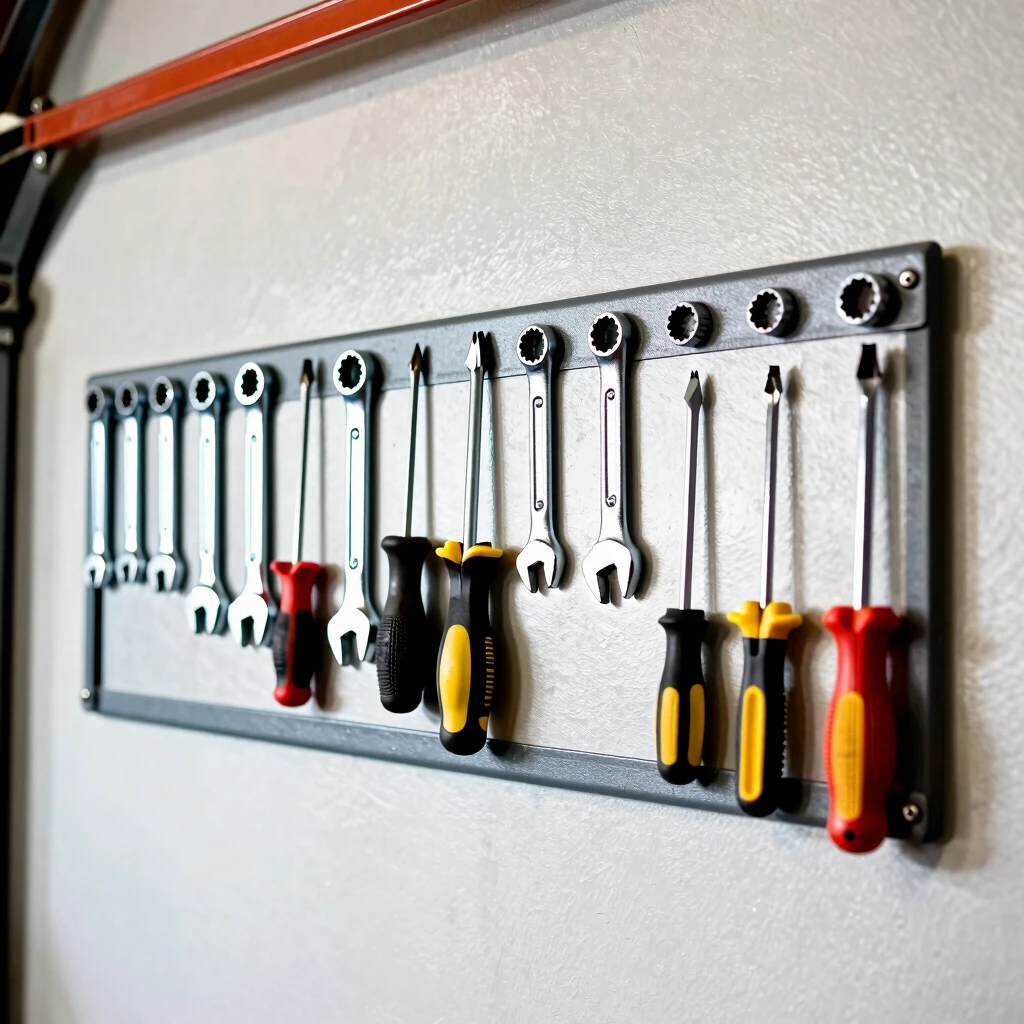
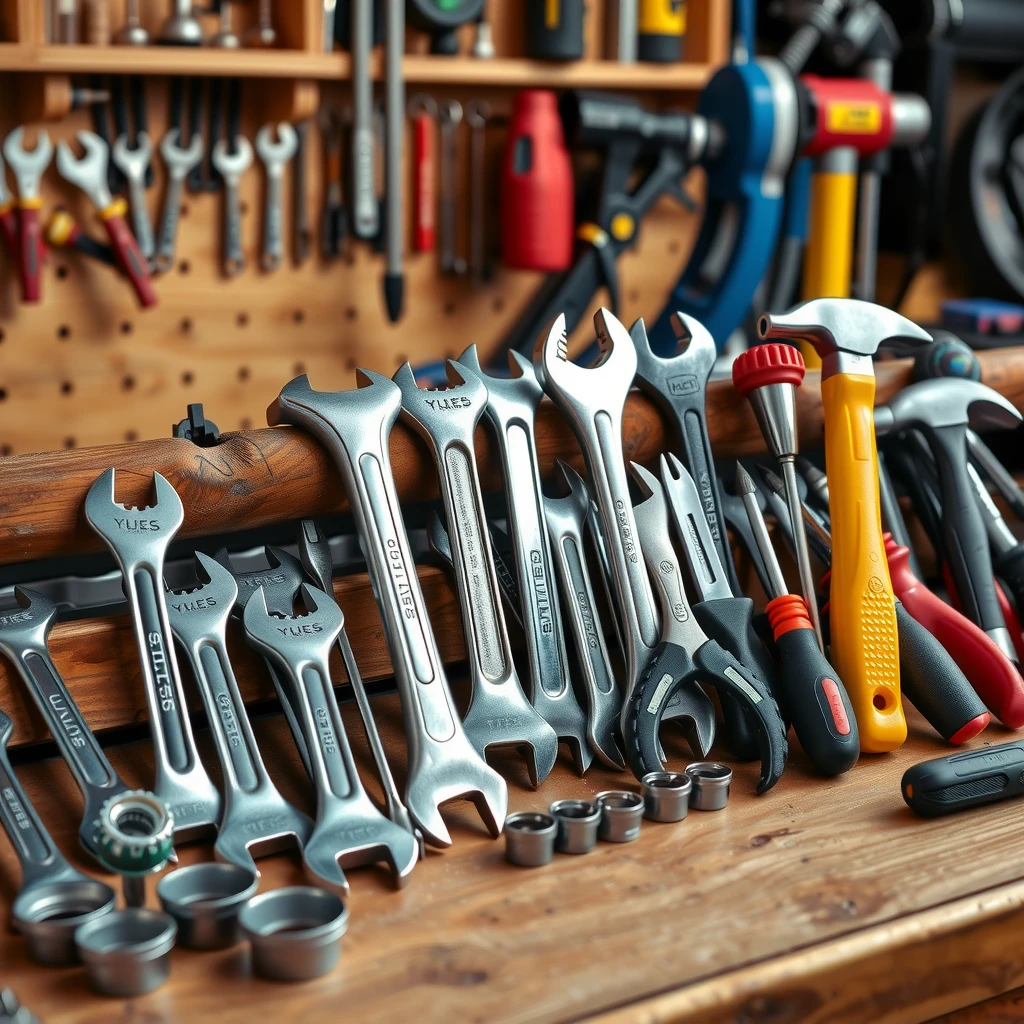
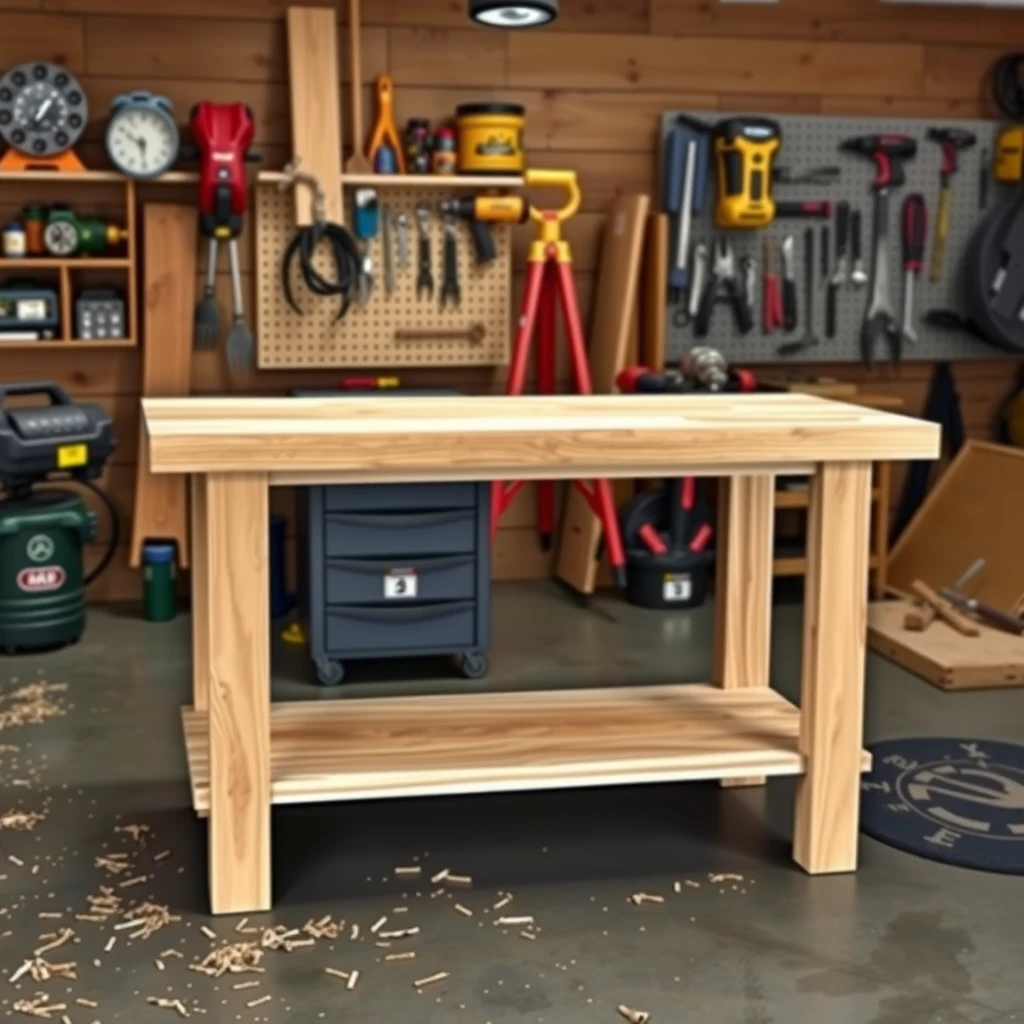
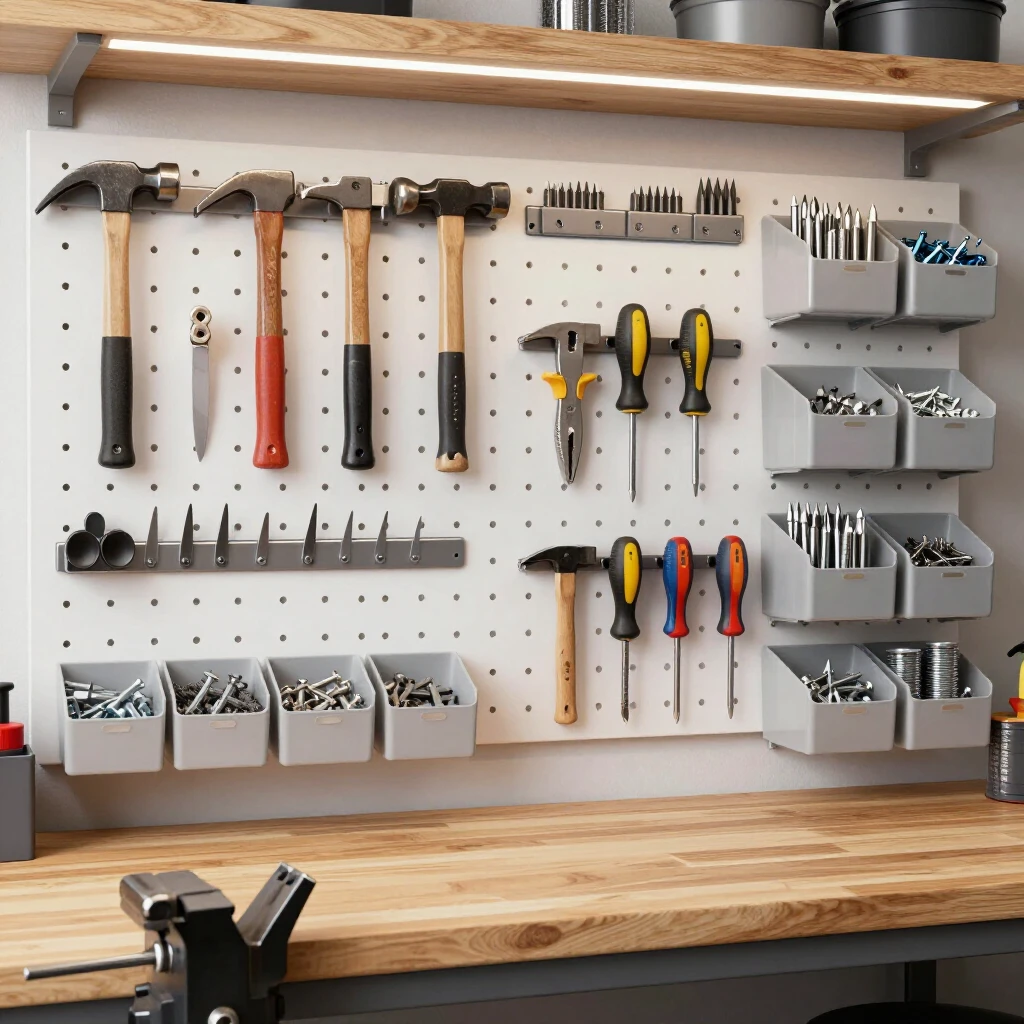
Storage turns chaos into order. For workman tools, pegboards are fantastic—they let you hang items for quick access. Magnetic strips hold metal tools securely. Drawers with dividers organize smaller bits.
Consider these options in a table for easy comparison:
| Storage Type | Pros | Cons |
|---|---|---|
| Pegboard | Visible, customizable | Needs wall space |
| Tool chests | Portable, secure | Can be heavy |
| Shelves | Easy access | Dust collects |
| Magnetic strips | Quick grab | Only for metal tools |
I swear by pegboards. In my garage, I outlined tool shapes on the board so everything has a home. It makes putting things away automatic.
Arrange Tools for Workflow
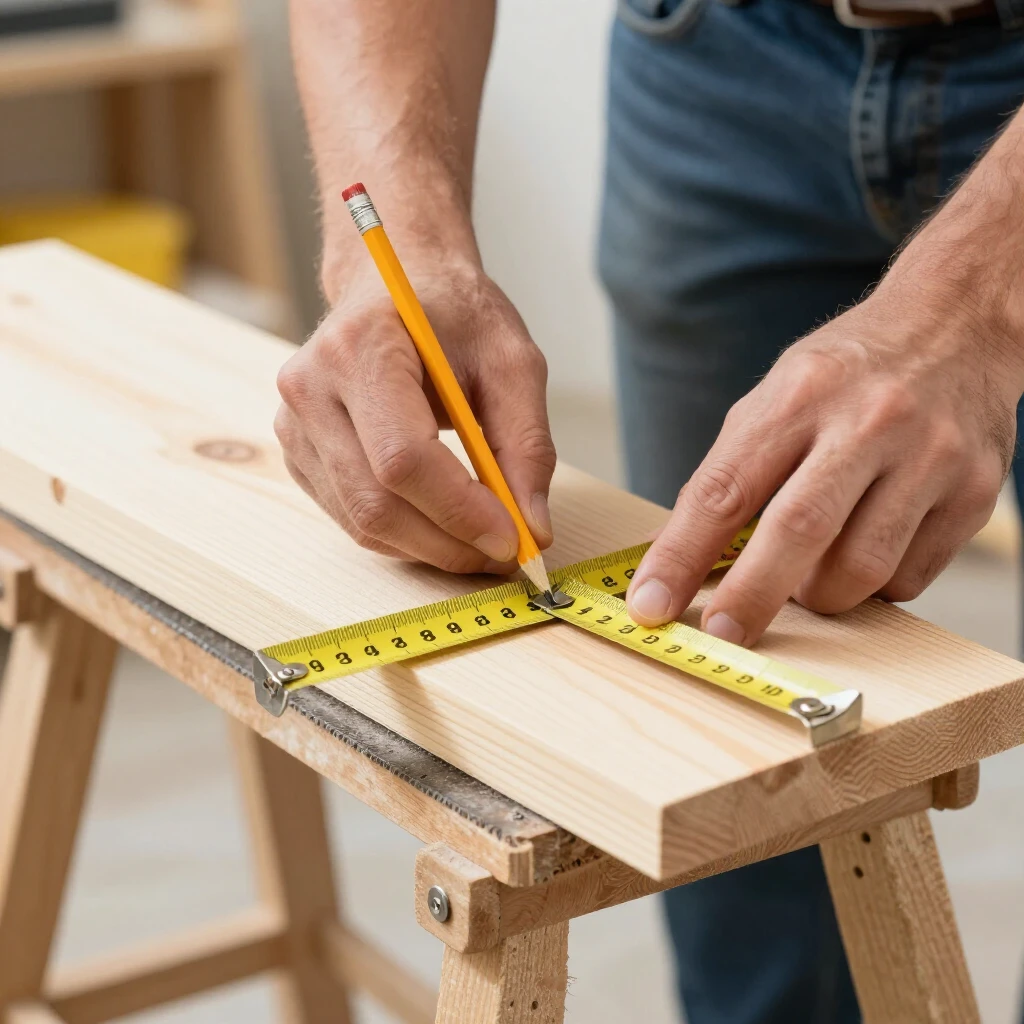
Think about how you work. Place frequently used workman tools within arm's reach—the 'golden zone.' Less common ones can go farther away. For example, keep measuring tapes and pencils on the bench edge.
Group tools by task: woodworking tools together, electrical ones separate. This setup speeds up projects. In my shop, I arranged my bench so I can grab sandpaper without turning around. It shaves minutes off every job.
Focus on Ergonomics
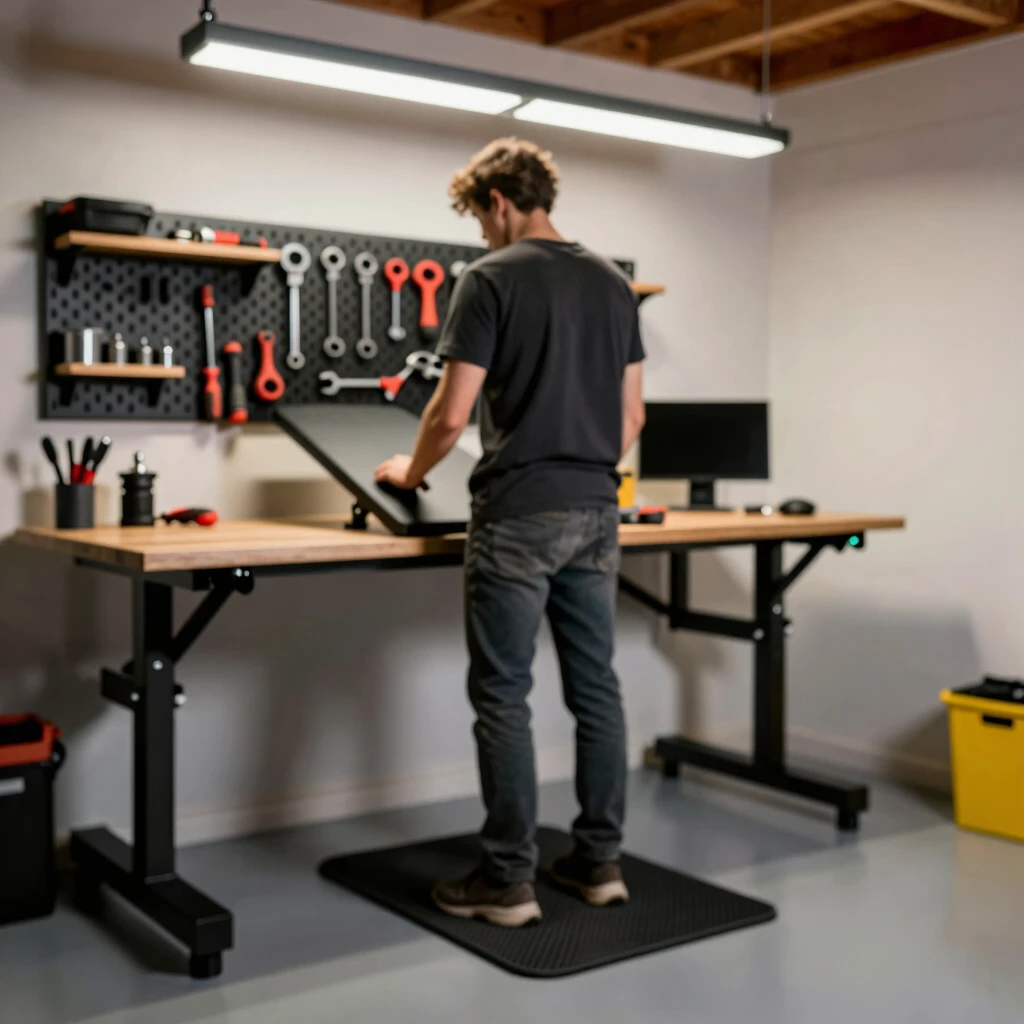
A comfortable setup prevents injuries and boosts efficiency. Adjust your workbench height so you don't hunch over. Good lighting reduces eye strain—use LED lamps for bright, even coverage.
According to Duke University's laboratory and workbench ergonomics tips, using edge protectors on benches can reduce forearm stress. I added foam padding to mine, and it made a big difference during long sessions.
Stand on anti-fatigue mats to ease leg strain. Rotate tasks to avoid repetitive motions. UCLA's ergonomics guide for lab workers suggests tilting your seat forward for better posture—try it at your workbench.
Maintain Safety
Safety goes hand-in-hand with efficiency. Keep walkways clear to avoid trips. Store sharp tools safely—blades down or sheathed. Good ventilation clears dust and fumes.
Ohio State University's farm safety newsletter recommends marking walkways and keeping mats flat. I applied this by taping lines on my floor, creating defined zones.
Power and Lighting Setup
Don't overlook outlets and lights. Install power strips with surge protection near your bench. For lighting, combine overhead and task lights. I added under-shelf LEDs, illuminating every corner without shadows.
Digital Tools for Organization
Apps can help track inventory. I use a simple spreadsheet to log tool locations. For bigger shops, inventory software prevents losses.
Personal Insights from Years of Trial and Error
Over time, I've learned that flexibility is crucial. My first organized setup was too rigid—life changes, projects evolve. Now, I use modular systems that adapt. One hack: rolling carts for mobile storage. They let me move tools where needed.
Another tip: involve family if it's a shared space. My kids help sort, teaching them responsibility while keeping things tidy.
Common Mistakes to Avoid
Avoid overbuying organizers—you might not need them all. Don't ignore dust; regular cleaning keeps tools sharp. And skip piling items; it leads back to clutter.
Measuring Success
After organizing, time your tasks. You'll notice improvements. Track how often you misplace tools—aim for zero.
Summary
Organizing your workbench for maximum efficiency isn't a one-time fix—it's an ongoing process. Start small, assess often, and adjust as needed. With these tips, your workbenches will become hubs of productivity, making every project smoother and safer.
Related organizing your workbench for maximum efficiency:
- Top Workman Tools for Automotive Repairs You Need
- The Importance of Safety Training in Construction
- Garage Organization Hacks for Small Spaces
- Top-Quality Workman Tools for Contractors: Essential Picks for Reliable Performance
- Woodworking Chisel Guide - Woodworkers Guild of America
- Best Wrench Sets for Mechanics - Popular Mechanics
- Choosing the Right Construction Hammer: A Complete Guide for Builders
- Power Washer Accessories for Better Cleaning: Essential Upgrades to Transform Your Results
- DIY Workshop Projects: Build Your Own Workbench
- Pliers 101: A Beginner’s Guide to This Versatile Tool
- Beginner's Guide to Measuring Tools
- The Ultimate Guide to Power Drills with Multiple Attachments